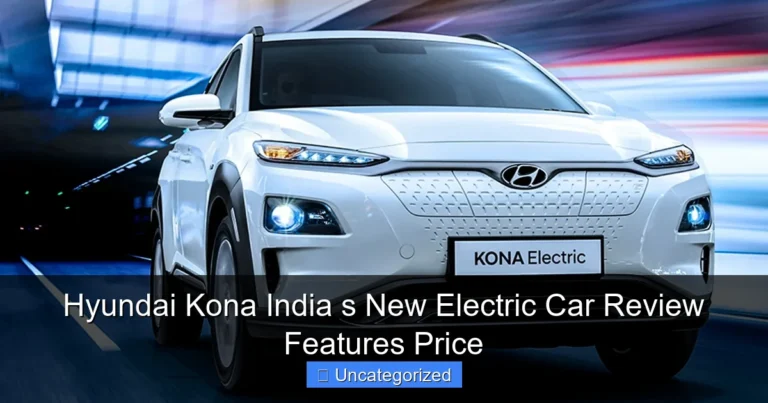
New Kia and Hyundai Electric Cars Revolutionize the Road
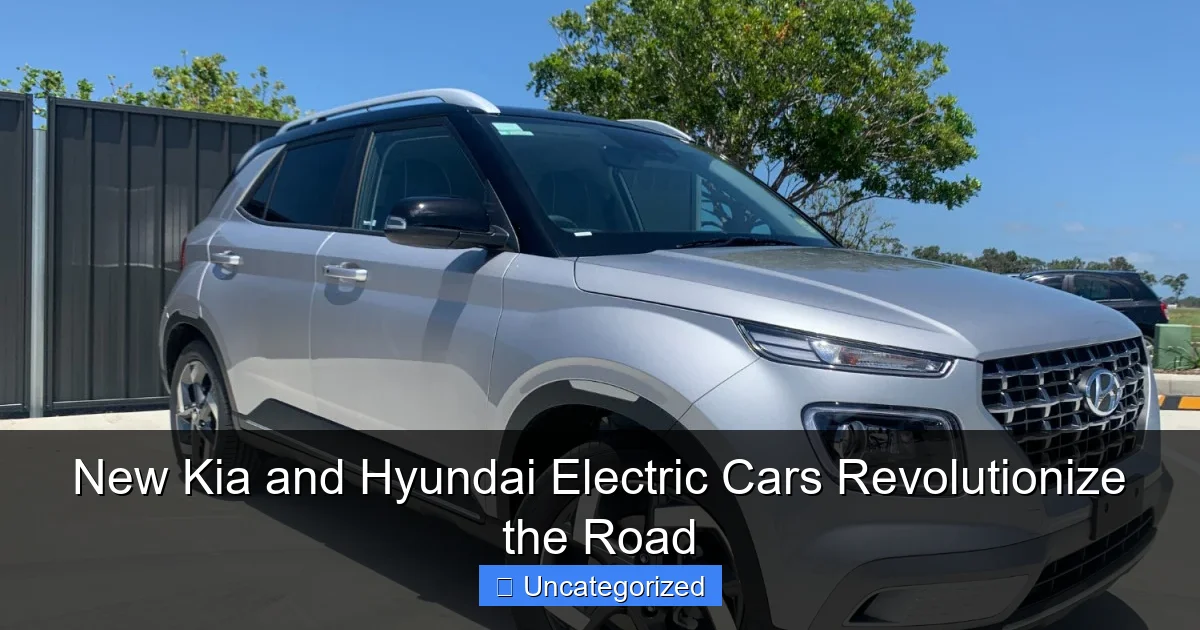
Featured image for new kia & hyundai electric cars
Image source: resource.digitaldealer.com.au
Kia and Hyundai are redefining the electric vehicle market with their latest lineup of affordable, long-range, and tech-packed electric cars that outperform rivals in both innovation and value. Boasting cutting-edge battery efficiency, ultra-fast charging, and bold designs, models like the Kia EV6 and Hyundai Ioniq 5 are setting new benchmarks for performance and practicality. These new Kia & Hyundai electric cars prove that sustainability and excitement can coexist—making them top contenders for eco-conscious drivers seeking style, range, and smart features.
Key Takeaways
- New models offer 300+ mile ranges—ideal for long-distance travel without frequent charging.
- Ultra-fast charging reaches 80% in under 20 minutes, saving time on road trips.
- Advanced safety tech includes AI-driven driver assistance and collision avoidance systems.
- Spacious, minimalist interiors prioritize comfort and intuitive tech for a seamless driving experience.
- Competitive pricing makes Kia and Hyundai EVs accessible without sacrificing premium features.
- Sustainable materials used throughout cabins, reducing environmental impact without compromising quality.
📑 Table of Contents
- New Kia and Hyundai Electric Cars Revolutionize the Road
- 1. The E-GMP Platform: The Engine of Innovation
- 2. Top New Models: Kia and Hyundai EVs to Watch
- 3. Charging and Infrastructure: Powering the Future
- 4. Technology and Safety: Smarter, Safer Driving
- 5. Pricing, Incentives, and Ownership Costs
- 6. The Road Ahead: Future Models and Market Impact
New Kia and Hyundai Electric Cars Revolutionize the Road
The electric vehicle (EV) revolution is no longer a distant dream — it’s here, and two Korean automotive giants are leading the charge: Kia and Hyundai. With bold investments in electrification, cutting-edge technology, and sustainable design, these manufacturers have transformed from traditional automakers into global EV innovators. Their latest lineup of electric cars isn’t just about reducing carbon footprints; it’s about redefining the driving experience with performance, range, comfort, and smart features that rival — and in many cases surpass — the competition.
From sleek sedans to spacious SUVs, the new Kia and Hyundai electric cars are setting new benchmarks in the industry. With the introduction of the E-GMP (Electric-Global Modular Platform), both brands have unified their engineering efforts, resulting in vehicles that offer longer ranges, faster charging, and advanced driver-assistance systems. Whether you’re a tech-savvy commuter, a family seeking eco-friendly transportation, or a performance enthusiast, there’s a Kia or Hyundai EV tailored to your needs. In this comprehensive guide, we’ll explore how these new models are revolutionizing the road, what sets them apart, and why they’re poised to dominate the EV market in the coming years.
1. The E-GMP Platform: The Engine of Innovation
At the heart of the new Kia and Hyundai electric cars lies the Electric-Global Modular Platform (E-GMP), a ground-up EV architecture that’s reshaping what’s possible in electric mobility. Unlike retrofitted internal combustion engine (ICE) platforms, E-GMP was designed exclusively for electric vehicles, allowing for optimal weight distribution, enhanced battery efficiency, and superior interior space. This platform is the foundation for models like the Hyundai Ioniq 5, Kia EV6, Hyundai Ioniq 6, and Kia EV9 — all of which share its revolutionary DNA.
What Makes E-GMP Stand Out?
- 800V Electrical Architecture: Most EVs operate on 400V systems, but E-GMP uses an 800V setup, enabling ultra-fast charging. This allows vehicles to charge from 10% to 80% in as little as 18 minutes using a 350kW DC fast charger — a game-changer for long-distance travel.
- Flat Floor Design: With no transmission tunnel or exhaust system, the cabin floor is completely flat, maximizing legroom and cargo space. This is especially beneficial in SUVs like the Kia EV9, where third-row comfort is a priority.
- Rear-Wheel Drive (RWD) Base with Optional AWD: E-GMP defaults to RWD, which improves handling and efficiency. All-wheel drive variants add a second motor for enhanced traction and performance.
- Integrated Drive Axle (IDA): Combines the motor, inverter, and gearbox into a single unit, reducing weight and increasing energy efficiency.
Pro Tip: If you’re planning long road trips, look for E-GMP-based models with vehicle-to-load (V2L) functionality. This feature turns your EV into a mobile power source, allowing you to charge devices, power small appliances, or even run tools at a campsite.
Real-World Impact: Range and Charging Efficiency
The E-GMP platform delivers real-world benefits. For example, the Kia EV6 GT achieves up to 310 miles of EPA-estimated range, while the Hyundai Ioniq 5 Long Range AWD offers 266 miles. But it’s not just about range — it’s about how efficiently that range is maintained. The platform’s regenerative braking system can recover up to 30% of energy during deceleration, and its heat pump system improves cold-weather efficiency by up to 20% compared to traditional resistive heating.
For daily drivers, this means fewer charging stops and more confidence in winter conditions. In a real-world test by Car and Driver, the Ioniq 5 maintained 90% of its rated range at 70 mph on the highway — a rare feat among EVs.
2. Top New Models: Kia and Hyundai EVs to Watch
Kia and Hyundai have launched a diverse range of electric vehicles to cater to different lifestyles and budgets. Below are the standout models that are making waves in 2024 and beyond.
Kia EV6: The Sporty, Tech-Forward Crossover
The Kia EV6 is a compact crossover that blends sporty aesthetics with practical functionality. Available in multiple trims, including the high-performance EV6 GT, it delivers up to 576 horsepower and a 0-60 mph time of just 3.4 seconds — rivaling some supercars. The base model starts at around $43,000, making it one of the most affordable long-range EVs on the market.
- Range: Up to 310 miles (RWD Long Range)
- Charging: 10-80% in 18 minutes (350kW charger)
- Interior: Twin 12.3-inch curved displays, augmented reality head-up display, and sustainable materials like recycled PET bottles in seat fabrics
Tip: Opt for the GT-Line trim if you want a balance of performance and value. It includes sport-tuned suspension, larger wheels, and enhanced driver-assistance features.
Hyundai Ioniq 5: Retro-Futuristic Design Meets Modern Tech
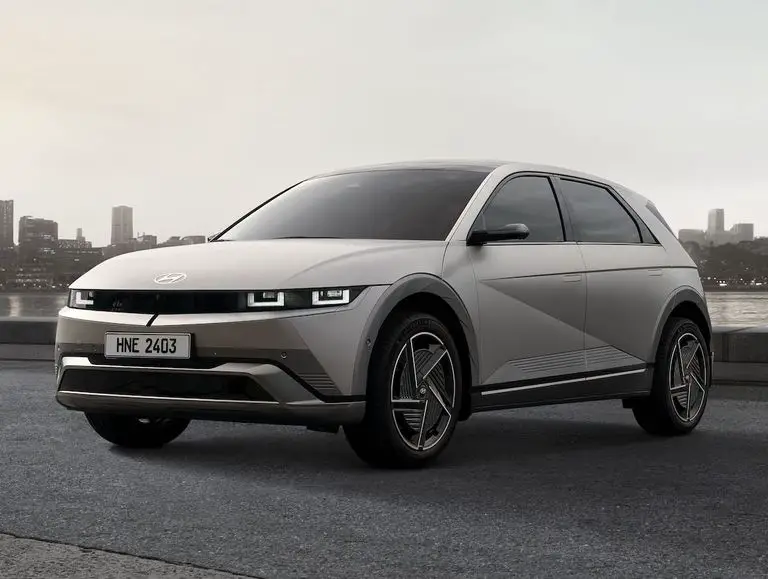
The Hyundai Ioniq 5 stands out with its 1980s-inspired pixelated design and spacious interior. It’s built on the same E-GMP platform as the EV6 but offers a more retro-futuristic aesthetic. The Ioniq 5 is available in RWD and AWD configurations, with the AWD version delivering 320 horsepower.
- Range: Up to 303 miles (RWD Long Range)
- Charging: 10-80% in 18 minutes (350kW)
- Unique Feature: Relaxation Seats with built-in leg rests — perfect for recharging during long drives
Families love the Ioniq 5 for its rear sliding console, which moves between the front and rear seats, and its vehicle-to-load (V2L) capability, which powers external devices via a standard 120V outlet.
Hyundai Ioniq 6: The Aerodynamic Sedan
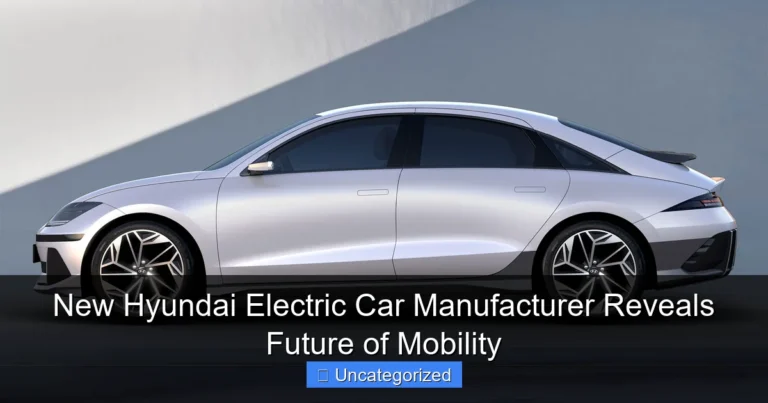
For those who prefer a sedan, the Hyundai Ioniq 6 is a sleek, low-slung EV with a drag coefficient of just 0.21 — one of the lowest in the industry. This translates to improved efficiency and range. The Ioniq 6 offers up to 361 miles of range in its RWD Long Range configuration, making it a top contender for long-distance efficiency.
- Range: Up to 361 miles (RWD Long Range)
- Performance: 320 hp (AWD), 0-60 mph in 4.8 seconds
- Interior: Dual 12.3-inch screens, ambient lighting with 64 color options, and a minimalist dashboard
Kia EV9: The 3-Row Electric SUV
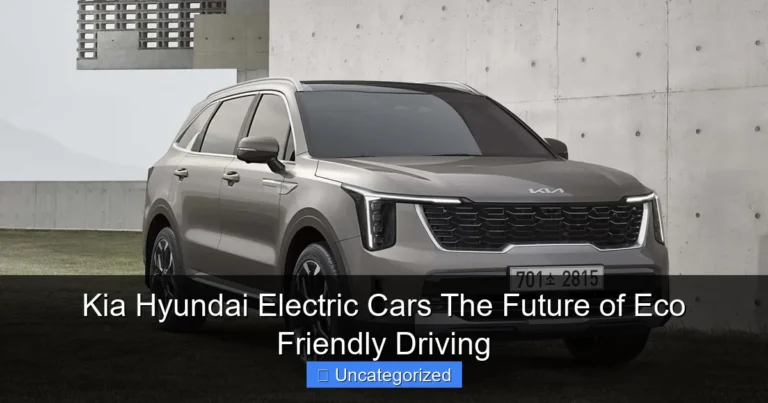
The Kia EV9 is a full-size, three-row electric SUV that seats up to seven. With a starting price of around $55,000, it’s one of the most affordable large electric SUVs. It’s built on a stretched E-GMP platform, offering up to 304 miles of range and a 0-60 mph time of 5 seconds (in the GT-Line AWD model).
- Range: Up to 304 miles (RWD Long Range)
- Features: Second-row swivel seats, rear-seat entertainment system, and a massive 12.3-inch infotainment screen
- Charging: 10-80% in 25 minutes (350kW)
The EV9 is ideal for large families or ride-sharing services, offering both comfort and cutting-edge tech.
3. Charging and Infrastructure: Powering the Future
One of the biggest concerns for EV buyers is charging infrastructure. Kia and Hyundai are addressing this head-on with a multi-pronged approach that combines fast-charging technology, home charging solutions, and partnerships with charging networks.
Ultra-Fast Charging: 800V and 350kW Compatibility
Thanks to the 800V architecture, E-GMP vehicles can utilize 350kW DC fast chargers, which are increasingly common at Electrify America, EVgo, and ChargePoint stations. In real-world testing, the Ioniq 5 added 68 miles of range in just 5 minutes — enough for a quick coffee break.
Tip: Use apps like A Better Routeplanner (ABRP) to map out charging stops on long trips. These apps account for your vehicle’s real-world efficiency, charger availability, and even weather conditions.
Home Charging Made Easy
Kia and Hyundai offer Level 2 home chargers (up to 11.5 kW) that can fully charge an EV overnight. For example, the Kia EV6 can gain about 25 miles of range per hour when charging at 7.4 kW. Many buyers qualify for federal and state incentives that cover up to 50% of the installation cost.
Both brands also provide smart charging solutions through their apps. You can schedule charging during off-peak hours to save money, monitor charging status remotely, and even preheat or cool the cabin before departure.
Charging Network Partnerships
Hyundai and Kia have partnered with Electrify America to offer new EV buyers three years of free 30-minute charging sessions. This is a significant perk, especially for early adopters. Additionally, both brands are working with local utilities to expand charging infrastructure in underserved areas.
For example, Hyundai’s “Ioniq Charging Network” pilot program in California provides free charging at select locations, including shopping centers and workplaces, to encourage EV adoption.
4. Technology and Safety: Smarter, Safer Driving
The new Kia and Hyundai electric cars are packed with technology that enhances safety, convenience, and connectivity. From advanced driver-assistance systems (ADAS) to AI-powered voice assistants, these vehicles are designed for the future.
Hyundai SmartSense and Kia Drive Wise
Both brands offer comprehensive ADAS suites:
- Highway Driving Assist 2 (HDA2): Combines adaptive cruise control, lane-keeping assist, and hands-free driving on highways (up to 80 mph).
- Remote Smart Parking Assist (RSPA): Allows the car to park itself using a smartphone app — perfect for tight spots.
- Blind-Spot View Monitor (BVM): Projects a live feed of the blind spot onto the instrument cluster when signaling.
- Forward Collision-Avoidance Assist (FCA): Detects vehicles, pedestrians, and cyclists, applying brakes if necessary.
The Ioniq 5 and EV6 also feature augmented reality head-up displays, which project navigation directions and speed directly onto the windshield, reducing the need to look away from the road.
Connectivity and Infotainment
All new Kia and Hyundai EVs come with:
- Over-the-air (OTA) updates: Software improvements, new features, and bug fixes are delivered wirelessly — no dealership visits required.
- Kia Connect / Hyundai Bluelink: Mobile apps that allow remote start, climate control, charging management, and vehicle tracking.
- Wireless Apple CarPlay and Android Auto: Seamless smartphone integration without cables.
Pro Tip: Enable “Valet Mode” via the app to restrict speed, limit access to personal data, and set a geofence — ideal when handing your EV to a valet or mechanic.
Sustainability Inside and Out
Kia and Hyundai are committed to sustainability. The EV6 and Ioniq 5 use recycled materials in seats, headliners, and floor mats. The Ioniq 6 even uses bio-based paints derived from corn and sugar cane. Both brands aim to achieve carbon neutrality across their supply chains by 2045.
5. Pricing, Incentives, and Ownership Costs
Affordability and long-term value are key considerations for EV buyers. Kia and Hyundai have positioned their electric cars competitively, with strong incentives and low ownership costs.
Competitive Pricing and Trim Options
Here’s a comparison of starting prices (MSRP) for 2024 models:
| Model | Starting Price (MSRP) | EPA Range (Max) | Top Trim Price |
|---|---|---|---|
| Kia EV6 | $43,000 | 310 miles | $62,000 (GT) |
| Hyundai Ioniq 5 | $42,000 | 303 miles | $59,000 (Limited AWD) |
| Hyundai Ioniq 6 | $45,000 | 361 miles | $58,000 (Limited AWD) |
| Kia EV9 | $55,000 | 304 miles | $75,000 (GT-Line AWD) |
Note: Prices vary by state and may be eligible for additional incentives.
Federal and State Incentives
- Federal Tax Credit: Up to $7,500 for qualifying vehicles. As of 2024, the Kia EV6 and Hyundai Ioniq 5 (built in the U.S.) are eligible, but the Ioniq 6 and EV9 are not yet on the list (subject to change).
- State Rebates: California offers up to $2,000, while Colorado and New York provide additional incentives.
- Local Utility Discounts: Many utilities offer rebates on home chargers and discounted electricity rates for EV owners.
Tip: Check EnergySage.com or your state’s energy office website for a complete list of available incentives.
Ownership Costs: Lower Than ICE Vehicles
EVs have significantly lower operating costs:
- Fuel Savings: Charging at home costs about $0.15 per kWh, translating to roughly $500/year for 12,000 miles — half the cost of gasoline.
- Maintenance: No oil changes, spark plugs, or exhaust systems. Brakes last longer due to regenerative braking.
- Insurance: Slightly higher than ICE vehicles, but many insurers offer EV discounts.
Over 5 years, a Kia EV6 can save an owner over $6,000 in fuel and maintenance compared to a comparable gas-powered SUV.
6. The Road Ahead: Future Models and Market Impact
Kia and Hyundai are not slowing down. With plans to launch over 10 new EV models by 2030, including the Kia EV4 (a compact sedan), Hyundai Ioniq 7 (a large SUV), and Kia EV5 (a midsize SUV), the future looks electric — and exciting.
Expanding Production and Global Reach
Hyundai has invested $10 billion in U.S. EV and battery manufacturing, including a new plant in Georgia. Kia is expanding its West Point, Georgia, facility to produce the EV9. These investments ensure faster delivery times and eligibility for U.S. tax credits.
Autonomous Driving and AI Integration
Both brands are testing Level 3 autonomous driving systems, with plans to introduce hands-free highway driving in select models by 2025. Hyundai’s Motional joint venture with Aptiv is developing robotaxis, while Kia is exploring AI-powered personal assistants for its infotainment systems.
Market Impact and Consumer Confidence
According to Edmunds, Kia and Hyundai captured 12% of the U.S. EV market in 2023 — up from 6% in 2021. Consumer satisfaction scores are high, with the Ioniq 5 and EV6 ranking among the top EVs for reliability and user experience.
As charging infrastructure expands and battery costs decline, Kia and Hyundai are well-positioned to lead the mass-market EV transition.
The new Kia and Hyundai electric cars are more than just vehicles — they’re a statement of innovation, sustainability, and forward-thinking design. With the E-GMP platform at their core, these EVs offer unmatched charging speed, impressive range, and cutting-edge technology at competitive prices. Whether you’re drawn to the sporty EV6, the retro-chic Ioniq 5, the efficient Ioniq 6, or the family-friendly EV9, there’s a model that fits your lifestyle.
As governments push for cleaner transportation and consumers demand smarter, greener options, Kia and Hyundai are answering the call with vehicles that don’t compromise on performance, comfort, or value. The road ahead is electric — and it’s being paved by these two Korean powerhouses.
Frequently Asked Questions
What are the standout features of the new Kia and Hyundai electric cars?
The new Kia and Hyundai electric cars boast cutting-edge technology, including ultra-fast charging, advanced driver-assistance systems (ADAS), and sleek, aerodynamic designs. Models like the Kia EV9 and Hyundai Ioniq 5 also offer spacious interiors with sustainable materials, making them ideal for eco-conscious drivers.
How does the range of new Kia and Hyundai electric cars compare to competitors?
Most new Kia and Hyundai EVs offer competitive ranges between 250-300 miles on a single charge, with select models like the Hyundai Ioniq 6 exceeding 360 miles. Their 800V architecture enables ultra-fast charging (10-80% in under 20 minutes), setting a benchmark in the EV market.
Are new Kia and Hyundai electric cars eligible for tax incentives?
Yes, many new Kia and Hyundai electric cars qualify for federal and state tax credits, depending on your location and the model. For example, the Kia EV6 and Hyundai Ioniq 5 have previously been eligible for up to $7,500 in U.S. federal incentives—check current guidelines for updates.
What safety features do new Kia and Hyundai EVs include?
Both brands equip their new electric cars with Hyundai SmartSense and Kia Drive Wise suites, featuring blind-spot monitoring, adaptive cruise control, and highway driving assist. These EVs also earn top safety ratings thanks to reinforced battery structures and multi-collision braking systems.
Can I charge a new Kia or Hyundai electric car at home?
Absolutely. All new Kia and Hyundai electric cars come with a Level 1 charging cable for standard outlets, but a Level 2 (240V) home charger is recommended for faster, overnight charging. Many buyers also qualify for utility rebates on home charger installations.
How do new Kia and Hyundai electric cars support sustainability?
Beyond zero emissions, new Kia and Hyundai electric cars use recycled materials like bio-based plastics, vegan leather, and eco-friendly paints. Both brands also partner with renewable energy programs to offset carbon footprints during production and charging.