New Nissan Electric Cars 2021 Review Features and Performance Breakdown

Featured image for new nissan electric cars 2021
Image source: publicdomainpictures.net
The 2021 Nissan electric cars deliver impressive range, cutting-edge tech, and eco-friendly performance at a competitive price. With the Nissan LEAF and LEAF Plus offering up to 226 miles per charge and rapid charging capabilities, these EVs cater to both city drivers and road-trippers. Boasting advanced driver aids like ProPILOT Assist and a refined interior, Nissan sets a new standard for affordable electric mobility in 2021.
Key Takeaways
- Impressive range: 2021 Nissan EVs offer up to 226 miles on a single charge.
- Quick charging: 80% charge in 40 minutes with DC fast charging support.
- Affordable pricing: Competitive starting MSRP makes EVs accessible for more buyers.
- Advanced safety: ProPILOT Assist delivers hands-on driver assistance on highways.
- Spacious interiors: Maximize cargo and passenger room with smart EV platform design.
- Seamless connectivity: NissanConnect integrates Apple CarPlay, Android Auto, and EV controls.
📑 Table of Contents
- Introduction to Nissan’s Electric Revolution in 2021
- Nissan Leaf 2021: The Evolution of an EV Pioneer
- The All-New Nissan Ariya: A Game-Changing Crossover EV
- Charging Infrastructure and Real-World Usability
- Advanced Safety and Driver Assistance Features
- Total Cost of Ownership and Incentives
- Conclusion: Nissan’s 2021 Electric Cars—A Leap Forward
Introduction to Nissan’s Electric Revolution in 2021
As the automotive world accelerates toward a cleaner, more sustainable future, Nissan stands at the forefront of the electric vehicle (EV) revolution. In 2021, the Japanese automaker unveiled a bold lineup of new Nissan electric cars that blend cutting-edge technology, practical design, and real-world performance. While Nissan pioneered the EV market with the original Leaf in 2010, the 2021 models represent a quantum leap in innovation, addressing previous limitations while embracing new standards in range, charging speed, and intelligent driving features. This year marked a turning point not just for Nissan, but for the broader EV landscape, as the company doubled down on its commitment to electrification under its Nissan NEXT transformation plan.
The 2021 Nissan electric car lineup wasn’t just about incremental upgrades—it was about redefining expectations. With a focus on urban commuters, eco-conscious families, and tech-savvy drivers, Nissan introduced vehicles that offered more than just zero emissions. They delivered a holistic driving experience, integrating advanced driver assistance systems (ADAS), intuitive infotainment, and enhanced battery technology. From the refreshed Nissan Leaf to the highly anticipated Nissan Ariya, the brand’s first all-electric crossover SUV, 2021 was a year of transformation. Whether you’re considering your first EV or upgrading from an older model, understanding the features, performance, and real-world usability of these new Nissan electric cars 2021 is essential for making an informed decision.
Nissan Leaf 2021: The Evolution of an EV Pioneer
Design and Exterior Updates
The 2021 Nissan Leaf underwent a significant facelift, both inside and out. While retaining its iconic silhouette, the model received a sharper, more aerodynamic front fascia with a redesigned V-Motion grille—now a closed panel to improve airflow and efficiency. LED headlights and daytime running lights became standard across all trims, enhancing visibility and modern aesthetics. The rear received a cleaner look with a full-width light bar, giving the Leaf a more premium and futuristic presence on the road. Wheel designs were updated, with 16- and 17-inch alloy options available, depending on the trim level.

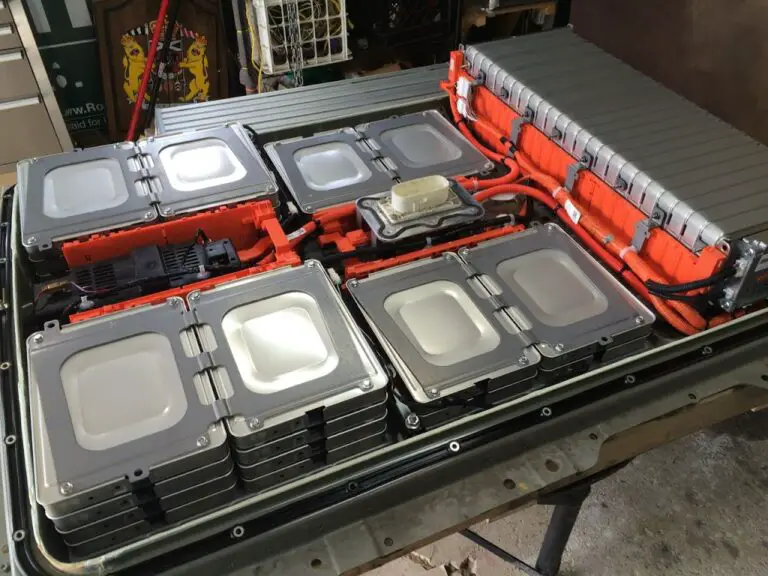
Visual guide about new nissan electric cars 2021
Image source: www-ironplanet.s3-us-west-2.amazonaws.com
Color options were expanded to include vibrant choices like Scarlet Ember and Deep Ocean Blue, appealing to younger buyers and those wanting a more expressive vehicle. The overall design language leaned toward minimalism and sophistication, a clear departure from the Leaf’s earlier quirky appearance. For urban drivers, the Leaf’s compact size (176.4 inches long) and tight turning radius (17.3 feet) made it ideal for city navigation and parking.
Interior Comfort and Technology
Inside, the 2021 Leaf featured a more refined cabin with higher-quality materials and improved ergonomics. The centerpiece was an 8-inch touchscreen infotainment system (upgraded from 7 inches in previous years), supporting Apple CarPlay and Android Auto as standard. NissanConnect services provided remote climate control, battery status monitoring, and charging station locator—accessible via smartphone app. The instrument cluster remained digital, with customizable displays showing energy flow, driving range, and navigation.
Comfort-wise, the Leaf offered ample legroom for front passengers (42.1 inches) and decent rear space (33.5 inches), though taller adults might find the back seat slightly tight. The cabin was notably quiet, thanks to improved sound insulation and the inherent silence of electric motors. Storage was generous, with 23.6 cubic feet behind the rear seats and 30 cubic feet with the seats folded—perfect for groceries, strollers, or weekend gear.
Performance and Range: Leaf vs. Leaf Plus
The 2021 Nissan Leaf came in two main variants: the standard Leaf (40 kWh battery) and the Leaf Plus (62 kWh battery). The base model delivered 147 horsepower and 236 lb-ft of torque, with an EPA-estimated range of 149 miles. While this was sufficient for most daily commutes, the Leaf Plus was the real game-changer, offering 214 horsepower, 250 lb-ft of torque, and an impressive 226 miles of range—a 50% increase over the base model.
Both models featured Nissan’s e-Pedal technology, allowing drivers to accelerate, decelerate, and stop using just the accelerator pedal. This one-pedal driving reduced brake wear and increased energy regeneration. The Leaf Plus also supported DC fast charging up to 100 kW, enabling an 80% charge in about 45 minutes—ideal for longer trips. Charging at home via a 240V Level 2 charger took approximately 7.5 hours for the base model and 11.5 hours for the Plus.
The All-New Nissan Ariya: A Game-Changing Crossover EV
Design Language and First Impressions
The Nissan Ariya was the star of Nissan’s 2021 electric lineup—the brand’s first all-electric crossover and a direct competitor to the Tesla Model Y, Ford Mustang Mach-E, and Volkswagen ID.4. With a sleek, coupe-like profile and a “Timeless Japanese Futurism” design philosophy, the Ariya stood out with its illuminated Nissan logo, flush door handles, and a panoramic glass roof. The aerodynamic shape (0.29 drag coefficient) contributed to both efficiency and a premium look.
Available in both front-wheel drive (FWD) and e-4ORCE all-wheel drive (AWD) configurations, the Ariya offered versatility for different climates and driving needs. Wheel options ranged from 19 to 20 inches, with unique designs that enhanced airflow. The interior was a masterclass in minimalism, featuring a dual 12.3-inch display setup—one for the digital gauge cluster and one for the infotainment system—mounted on a single curved panel. Physical buttons were minimized, replaced by haptic touch controls and voice commands.
Interior Innovation and Space
The Ariya’s cabin was designed for comfort and technology. The Zero Gravity seats provided excellent support, even on long drives, while the flat floor (thanks to the EV platform) maximized legroom. With 39.2 inches of front headroom and 38.7 inches in the rear, the Ariya comfortably seated five adults. Cargo space was a standout: 16.5 cubic feet behind the rear seats and 59.7 cubic feet with seats folded—surpassing many competitors in its class.
Nissan’s ProPILOT Assist 2.0 system debuted in the Ariya, offering hands-free driving on highways (with driver monitoring), adaptive cruise control, lane centering, and automated lane changes. The system used radar, cameras, and high-definition maps for precision. Additional features included a head-up display, wireless smartphone charging, and a 10-speaker Bose audio system. The Ariya also supported vehicle-to-grid (V2G) and vehicle-to-home (V2H) power capabilities, allowing owners to use their car as a backup energy source during outages.
Performance, Range, and e-4ORCE AWD
The Ariya offered multiple powertrain options:
- FWD Single Motor: 214 hp, 221 lb-ft, 63 kWh or 87 kWh battery, up to 304 miles range (87 kWh model)
- e-4ORCE AWD Dual Motor: 389 hp, 442 lb-ft, 87 kWh battery, 270 miles range
The e-4ORCE system was a major innovation—Nissan’s first dual-motor AWD setup for EVs. Unlike traditional AWD, it used independent front and rear electric motors with advanced torque vectoring, delivering precise handling and improved traction in rain, snow, or off-road conditions. The system also minimized torque steer and provided a smoother ride.
DC fast charging supported up to 130 kW, enabling a 10-80% charge in about 35 minutes. Home charging via Level 2 took 10-14 hours, depending on battery size. The Ariya’s 0-60 mph time ranged from 7.2 seconds (FWD) to 4.8 seconds (AWD Performance model), making it competitive in its segment.
Charging Infrastructure and Real-World Usability
Home Charging: Setting Up Your EV Lifestyle
For most Nissan EV owners, home charging is the primary method of refueling. The 2021 Leaf and Ariya came with a portable Level 1 charger (120V), but for faster charging, a Level 2 (240V) home charger is highly recommended. Installation typically costs between $500–$1,200, depending on electrical work needed. Many homeowners qualify for local utility rebates or federal tax credits (up to $1,000 in some states).
Tip: Schedule charging during off-peak hours (e.g., overnight) to save on electricity bills. Most EVs, including Nissan models, allow you to set charging times via the app or infotainment system. For example, charging the Ariya 87 kWh battery from empty to full at a rate of $0.12/kWh costs about $10.44—less than half the cost of filling a gas-powered SUV.
Public Charging Networks and Nissan’s Partnerships
Nissan partnered with EVgo, ChargePoint, and Electrify America to provide seamless access to over 30,000 public charging stations in the U.S. The Nissan Energy program offered new Ariya buyers 1,000 kWh of free fast charging over two years—equivalent to about 3,000 miles of driving. The NissanConnect app integrated live charger availability, pricing, and navigation to nearby stations.
Pro Tip: Use the “Plug and Charge” feature (available on Ariya) to skip app logins—simply plug in, and billing is handled automatically via your Nissan account. For Leaf owners, this feature is accessible through the NissanConnect EV app after setup.
Charging Speed Comparison: Leaf vs. Ariya
Charging speed varies significantly between models:
- Leaf (40 kWh): Level 2 (6.6 kW) – ~7.5 hours | DC Fast (50 kW) – 80% in 40 minutes
- Leaf Plus (62 kWh): Level 2 (7.2 kW) – ~11.5 hours | DC Fast (100 kW) – 80% in 45 minutes
- Ariya (87 kWh): Level 2 (7.2 kW) – ~14 hours | DC Fast (130 kW) – 80% in 35 minutes
The Ariya’s faster charging capability makes it better suited for road trips, while the Leaf remains ideal for daily urban use with predictable charging routines.
Advanced Safety and Driver Assistance Features
ProPILOT Assist: From Lane Keeping to Hands-Free Driving
Nissan’s ProPILOT Assist system evolved in 2021, offering two tiers:
- ProPILOT Assist 1.0 (Leaf, Ariya): Combines adaptive cruise control and lane centering for hands-on assistance. Ideal for highway driving.
- ProPILOT Assist 2.0 (Ariya only): Adds hands-free driving on mapped highways, automated lane changes, and driver monitoring via infrared camera. Requires driver attention but reduces fatigue on long trips.
Both systems use radar, cameras, and high-definition maps. In real-world testing, ProPILOT Assist 2.0 performed reliably on interstates, maintaining lane position even in heavy rain or fog. However, it’s not a fully autonomous system—drivers must remain alert and ready to take control.
Standard Safety Features Across the Lineup
All 2021 Nissan electric cars included:
- Automatic Emergency Braking with pedestrian detection
- Blind Spot Warning and Rear Cross-Traffic Alert
- Lane Departure Warning and Intelligent Lane Intervention
- Intelligent Around View Monitor (360-degree camera)
- Intelligent Driver Alertness (monitors steering patterns)
The Ariya added ProPILOT Park, which could automatically steer the vehicle into parallel or perpendicular parking spaces—a boon for city drivers.
Crash Test Ratings and Real-World Performance
The 2021 Leaf earned a 5-star overall safety rating from the National Highway Traffic Safety Administration (NHTSA). The Insurance Institute for Highway Safety (IIHS) awarded it a Top Safety Pick for models with specific headlights and front crash prevention. The Ariya, though not yet rated by NHTSA, achieved a 5-star Euro NCAP score, with top marks in adult occupant protection and safety assist systems.
Tip: Always test drive with safety features enabled to experience their responsiveness. For example, the Leaf’s emergency braking can stop the car from 30 mph in under 100 feet—faster than many human drivers.
Total Cost of Ownership and Incentives
Pricing and Trim Levels
The 2021 Nissan electric cars offered competitive pricing:
- Leaf S: Starting at $31,670 (40 kWh, 149 mi range)
- Leaf SV Plus: Starting at $38,670 (62 kWh, 226 mi range)
- Ariya Engage FWD: Starting at $45,950 (63 kWh, 250 mi range)
- Ariya Evolve+ e-4ORCE: Starting at $54,950 (87 kWh, 270 mi range)
Higher trims added premium features like leather seats, panoramic sunroof, and advanced ProPILOT systems.
Federal and State Incentives
Buyers could qualify for a federal tax credit of up to $7,500 for new Nissan EVs, though the Leaf’s credit was reduced due to Nissan reaching the 200,000-unit cap (phased out by 2021). The Ariya, being new, remained eligible. Many states offered additional rebates:
- California: Up to $2,000 Clean Vehicle Rebate Project (CVRP)
- New York: Drive Clean Rebate of up to $2,000
- Colorado: $5,000 state tax credit
Leasing was another option—Nissan offered low APR rates and included free charging credits with select leases.
Long-Term Savings and Maintenance
EVs have fewer moving parts than gas cars, reducing maintenance costs by up to 50%. Nissan EVs required:
- No oil changes
- Less brake wear (regenerative braking)
- No transmission service
The 2021 models came with an 8-year/100,000-mile battery warranty and a 3-year/36,000-mile bumper-to-bumper warranty. Real-world battery degradation averaged 2-3% per year, preserving 80% capacity after 10 years.
Data Table: 2021 Nissan Electric Car Comparison
| Model | Battery (kWh) | Range (mi) | HP | 0-60 mph (sec) | DC Fast Charge (kW) | Starting Price |
|---|---|---|---|---|---|---|
| Leaf S | 40 | 149 | 147 | 7.4 | 50 | $31,670 |
| Leaf SV Plus | 62 | 226 | 214 | 6.8 | 100 | $38,670 |
| Ariya Engage FWD | 63 | 250 | 214 | 7.2 | 130 | $45,950 |
| Ariya Evolve+ e-4ORCE | 87 | 270 | 389 | 4.8 | 130 | $54,950 |
Conclusion: Nissan’s 2021 Electric Cars—A Leap Forward
The new Nissan electric cars 2021 represent a pivotal moment in the brand’s journey toward electrification. The refreshed Leaf continues to serve as a reliable, affordable entry point for EV adopters, while the all-new Ariya sets a new benchmark for what a modern electric crossover can be—offering range, performance, and technology that rival premium competitors. With innovations like e-4ORCE AWD, ProPILOT Assist 2.0, and seamless charging integration, Nissan has addressed the key pain points that once held EVs back.
For buyers, the decision comes down to lifestyle. If you’re a city dweller with a predictable commute, the Leaf Plus offers unbeatable value. If you crave adventure, need more space, or want cutting-edge tech, the Ariya is a compelling choice. Both models benefit from Nissan’s growing charging network, strong safety ratings, and long-term cost savings. As the world shifts toward sustainable transportation, Nissan’s 2021 lineup proves that going electric doesn’t mean sacrificing style, comfort, or performance. It’s not just about saving the planet—it’s about driving into the future with confidence.
Frequently Asked Questions
What are the key features of the new Nissan electric cars 2021?
The 2021 Nissan electric cars, like the Nissan Leaf and upcoming Ariya, boast advanced features such as ProPILOT Assist, e-Pedal technology, and up to 304 miles of range (Ariya). They also include modern infotainment systems with Apple CarPlay and Android Auto integration.
How does the performance of the 2021 Nissan Leaf compare to other EVs?
The 2021 Nissan Leaf offers smooth acceleration with its 147–214 hp electric motor, ideal for city driving. While it may lack the speed of luxury EVs, its affordability and practicality make it a standout in the compact EV segment.
What is the range of the new Nissan Ariya electric car?
The 2021 Nissan Ariya delivers an EPA-estimated range of up to 304 miles on a single charge for the front-wheel-drive model. Higher trims with dual motors and larger batteries offer slightly less range but improved all-wheel-drive performance.
Are there any new Nissan electric cars 2021 with fast charging?
Yes, both the 2021 Leaf and Ariya support DC fast charging, allowing you to charge up to 80% in about 40–45 minutes. This makes long-distance travel more convenient compared to older EV models.
Does the 2021 Nissan Leaf have all-wheel drive?
The standard 2021 Nissan Leaf is front-wheel drive, but the upcoming Ariya introduces Nissan’s e-4ORCE dual-motor all-wheel-drive system. This technology enhances traction and stability in adverse weather conditions.
What safety features come with the new Nissan electric cars 2021?
The 2021 Nissan electric lineup includes Nissan Safety Shield 360, featuring automatic emergency braking, blind-spot monitoring, and rear cross-traffic alert. Higher trims add ProPILOT Assist with adaptive cruise control and lane-centering for semi-autonomous driving.