Nissan All Electric Car Price Revealed Top Models Compared

Featured image for nissan all electric car price
Image source: ai.dimaster.io
Nissan’s all-electric car lineup offers competitive pricing, with the 2024 Leaf starting at just $28,040, making it one of the most affordable EVs in its class. Higher trims and the longer-range Leaf Plus, priced up to $38,040, deliver enhanced performance and tech, positioning Nissan as a strong contender against rivals like the Tesla Model 3 and Chevrolet Bolt. This transparent pricing strategy underscores Nissan’s commitment to accessible, sustainable mobility.
Key Takeaways
- Compare prices: Nissan’s electric models range from affordable to premium pricing.
- Top model cost: The Nissan Ariya starts at $43,190 with advanced features.
- Best value: Leaf SV Plus offers 212-mile range under $30K post-incentives.
- Incentives apply: U.S. federal tax credits can reduce prices by $7,500.
- Charging savings: EVs cut fuel costs by 50%+ versus gas-powered cars.
- Trim matters: Higher trims add tech but increase price by $5K-$10K.
📑 Table of Contents
- The Electric Revolution: Nissan’s All-Electric Car Lineup
- Nissan LEAF: The Affordable Pioneer in the EV Space
- Nissan Ariya: The Premium Electric SUV with a Competitive Edge
- How Nissan All Electric Car Prices Compare to the Competition
- Charging, Maintenance, and Long-Term Ownership Costs
- Future-Proofing: Upcoming Nissan EVs and Price Trends
- Conclusion: Choosing the Right Nissan Electric Car for Your Budget
The Electric Revolution: Nissan’s All-Electric Car Lineup
The automotive world is undergoing a seismic shift, and at the heart of this transformation stands Nissan, one of the earliest pioneers in mass-market electric vehicles (EVs). With over a decade of innovation since the launch of the Nissan LEAF in 2010, the Japanese automaker has solidified its reputation as a leader in affordable, accessible electric mobility. As the demand for zero-emission vehicles surges across North America, Europe, and Asia, Nissan continues to expand its all-electric lineup, offering models that blend cutting-edge technology, practical design, and competitive pricing. Whether you’re a first-time EV buyer or a seasoned green driver, understanding the Nissan all electric car price landscape is crucial to making an informed decision.
Today, the electric vehicle market is more competitive than ever, with Tesla, Hyundai, Kia, and Ford all vying for consumer attention. Yet, Nissan remains a standout thanks to its legacy of reliability, strong resale value, and a growing portfolio of battery-powered vehicles. From the compact and city-friendly LEAF to the sleek, high-performance Ariya, Nissan’s electric offerings cater to a wide range of lifestyles and budgets. In this comprehensive guide, we dive deep into the Nissan all electric car price structure, comparing top models, analyzing features, and uncovering what makes each vehicle unique. By the end, you’ll have a clear picture of which Nissan EV best fits your needs—and your wallet.
Nissan LEAF: The Affordable Pioneer in the EV Space
The Nissan LEAF isn’t just Nissan’s first mass-produced electric car—it’s one of the most iconic EVs in history, with over 600,000 units sold globally. As the brand’s flagship electric model, the LEAF continues to serve as the entry point into Nissan’s all-electric lineup, offering a compelling mix of affordability, practicality, and proven technology. For drivers seeking an eco-friendly commute without breaking the bank, the LEAF remains a top contender.

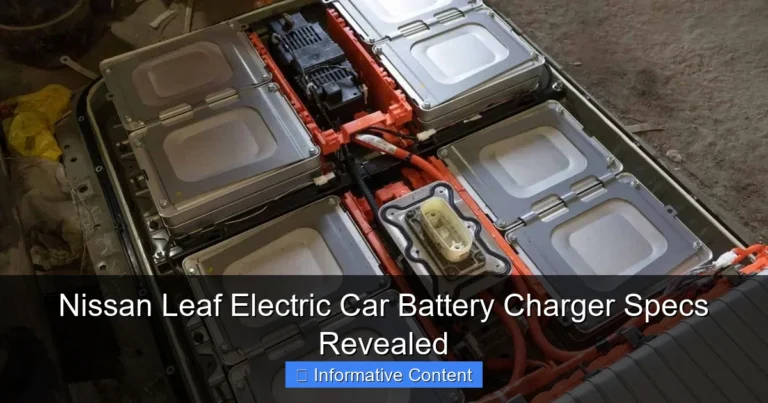
Visual guide about nissan all electric car price
Image source: images.inkl.com
LEAF Trim Levels and Pricing Breakdown
As of 2024, the Nissan LEAF is available in two primary trims: the LEAF S and the LEAF SV, with an optional LEAF SV Plus for extended range. The base LEAF S starts at $27,400 (before federal and state incentives), making it one of the most affordable new EVs on the market. The SV trim, priced from $30,400, adds features like Apple CarPlay, Android Auto, and a larger 8-inch touchscreen. The SV Plus, starting at $36,500, upgrades to a 62 kWh battery pack, boosting range to 212 miles—ideal for longer commutes or road trips.
- LEAF S: $27,400 | 40 kWh battery | 149-mile range
- LEAF SV: $30,400 | 40 kWh battery | 149-mile range
- LEAF SV Plus: $36,500 | 62 kWh battery | 212-mile range
These prices reflect the Manufacturer’s Suggested Retail Price (MSRP) and do not include destination fees (typically $1,095) or available incentives. For example, in the U.S., the federal tax credit of up to $7,500 can be applied if the vehicle meets battery sourcing requirements, potentially bringing the effective price of a LEAF S down to under $20,000—an incredible value for a new EV.
What You Get for the Price
Despite its modest price tag, the LEAF doesn’t skimp on features. Even the base S trim includes:
- Nissan’s ProPILOT Assist (adaptive cruise control and lane-keeping)
- e-Pedal (one-pedal driving for regenerative braking)
- LED headlights
- Rearview camera and parking sensors
The SV and SV Plus trims add premium touches like heated front seats, a heated steering wheel, and a more advanced infotainment system. While the LEAF’s interior design leans more toward practicality than luxury, its spacious cabin and 23.6 cubic feet of cargo space (expandable to 30 with rear seats folded) make it a solid choice for small families or urban dwellers.
Real-World Ownership: Is the LEAF Worth It?
Take Sarah from Portland, Oregon, who switched to a 2024 LEAF SV Plus last year. “I drive 40 miles a day for work, and the 212-mile range gives me peace of mind,” she says. “With the federal tax credit and Oregon’s $2,500 rebate, I paid under $27,000—cheaper than my old gas car.” Sarah’s experience highlights a key advantage of the LEAF: total cost of ownership. With lower maintenance (no oil changes, fewer moving parts) and electricity costing about half as much as gasoline per mile, the LEAF can save owners thousands over five years.
Nissan Ariya: The Premium Electric SUV with a Competitive Edge
While the LEAF caters to budget-conscious buyers, the Nissan Ariya is Nissan’s bold step into the premium electric SUV segment. Launched in 2023, the Ariya combines sleek, futuristic design with advanced technology, spacious interiors, and multiple powertrain options. Positioned as a direct competitor to the Tesla Model Y, Hyundai Ioniq 5, and Kia EV6, the Ariya brings a fresh Japanese perspective to the mid-size electric SUV market.
Ariya Trim Levels and Pricing Strategy
The Ariya is available in five trims: Engage, Venture+, Empower+, Premiere, and Evolve+, with prices ranging from $39,590 to $53,990 (before incentives). Unlike the LEAF, which uses a single platform, the Ariya offers both front-wheel drive (FWD) and e-4ORCE all-wheel drive (AWD) configurations, significantly impacting price and performance.
- Engage FWD: $39,590 | 63 kWh battery | 216-mile range
- Venture+ FWD: $43,590 | 63 kWh battery | 216-mile range
- Empower+ FWD: $47,590 | 63 kWh battery | 216-mile range
- Premiere FWD: $50,990 | 87 kWh battery | 289-mile range
- Evolve+ AWD: $53,990 | 87 kWh battery | 272-mile range
The jump from the Engage to the Evolve+ reflects more than just a bigger battery—it includes upgraded interiors, enhanced driver assistance, and the e-4ORCE dual-motor system that delivers smoother acceleration and better traction in adverse weather. For example, the Evolve+ AWD model can go from 0 to 60 mph in just 4.8 seconds, rivaling performance-oriented EVs.
Technology and Features That Justify the Price
The Ariya’s interior is a major selling point. The cabin features:
- A dual-screen dashboard with a 12.3-inch digital instrument cluster and a 12.3-inch touchscreen
- Zero Gravity seats (designed for long-term comfort)
- Advanced ProPILOT Assist 2.0 (with hands-free driving on highways)
- Wireless Apple CarPlay and Android Auto
- Panoramic moonroof and ambient lighting
The e-4ORCE AWD system is particularly noteworthy. Unlike traditional AWD, which can feel sluggish, e-4ORCE uses independent electric motors on each axle to deliver precise torque distribution. This results in a driving experience that’s both sporty and stable—ideal for mountain roads or snowy winters.
Comparing Ariya to Competitors: Value for Money?
Consider the Ariya Venture+ ($43,590) vs. the Tesla Model Y Long Range ($49,990). While the Model Y offers a longer range (330 miles), the Ariya provides more interior space, a quieter cabin, and a more intuitive infotainment system. Additionally, the Ariya qualifies for the full $7,500 federal tax credit (unlike the Model Y, which may be phased out in 2024). For buyers prioritizing comfort and value over range, the Ariya is a compelling alternative.
How Nissan All Electric Car Prices Compare to the Competition
To truly understand the Nissan all electric car price strategy, we must compare it to key rivals in the EV market. Nissan occupies a unique space: it’s more affordable than Tesla and BMW, more premium than Chevrolet Bolt, and more established than newer entrants like Polestar or Lucid.
Price vs. Range: The Critical Trade-Off
Range is often the first factor buyers consider, but it’s not the only one. Here’s how Nissan’s models stack up against competitors in similar price brackets:
- Nissan LEAF SV Plus ($36,500) | 212-mile range
- Chevrolet Bolt EUV ($28,800) | 247-mile range
- Hyundai Kona Electric ($34,000) | 258-mile range
- Tesla Model 3 Standard Range ($38,990) | 272-mile range
At first glance, the LEAF appears to offer less range for a higher price. However, the LEAF’s advantage lies in its reliability and resale value. According to Kelley Blue Book, the LEAF retains about 52% of its value after three years—higher than the Bolt (48%) and Kona (45%). Additionally, Nissan’s nationwide service network and proven battery technology (with minimal degradation over time) add long-term value.
Feature Comparison: What Do You Get for Your Money?
Let’s compare the Nissan Ariya Empower+ ($47,590) with the Ford Mustang Mach-E Select ($43,895):
- Ariya Empower+: 216-mile range, ProPILOT Assist 2.0, dual-screen infotainment, zero-gravity seats
- Mach-E Select: 247-mile range, Ford Co-Pilot360, 15.5-inch touchscreen, sporty styling
The Mach-E offers more range and a larger screen, but the Ariya includes more advanced driver assistance (ProPILOT Assist 2.0 vs. Co-Pilot360) and a more luxurious interior. For buyers who value comfort and safety tech, the Ariya’s extra $3,700 may be well worth it.
Incentives and Hidden Savings
One area where Nissan shines is incentive eligibility. As of 2024, both the LEAF and Ariya qualify for the full $7,500 federal tax credit under the Inflation Reduction Act, provided they are assembled in North America and use qualifying batteries. Additionally, many states offer extra rebates:
- California: Up to $2,000 (Clean Vehicle Rebate Project)
- New York: Up to $2,000 (Drive Clean Rebate)
- Colorado: Up to $5,000 (depending on income)
These incentives can reduce the effective Nissan all electric car price by 20–30%, making EVs more accessible than ever.
Charging, Maintenance, and Long-Term Ownership Costs
When evaluating the total cost of an electric car, it’s essential to look beyond the sticker price. Charging infrastructure, maintenance, insurance, and depreciation all play a role in long-term affordability.
Home Charging: The Most Cost-Effective Option
Nissan recommends installing a Level 2 home charger (240V) for the LEAF and Ariya. A typical 40-amp charger costs $500–$800, with installation adding $1,000–$1,500. However, many states and utilities offer rebates:
- Massachusetts: Up to $500 off charger + installation
- New Jersey: 100% rebate for low-income households
- Federal tax credit: 30% off up to $1,000
With a Level 2 charger, the LEAF can go from 0% to 80% in about 4 hours (40 kWh) or 8 hours (62 kWh). The Ariya takes 7–10 hours with the 87 kWh battery. Charging at home costs roughly $0.10–$0.15 per kWh, translating to $6–$13 for a full charge.
Public Charging Networks and Nissan’s Partnerships
Nissan has partnered with EVgo and ChargePoint to provide Ariya buyers with 30 minutes of free fast charging per day for two years. The Ariya supports DC fast charging at up to 130 kW, allowing an 80% charge in about 30–40 minutes. The LEAF, with a max rate of 50 kW (40 kWh) or 100 kW (62 kWh), takes longer but is still practical for occasional use.
Maintenance: Fewer Parts, Lower Costs
EVs have fewer moving parts than gas cars, leading to lower maintenance costs. Over 5 years, Nissan estimates:
- LEAF: $3,200 in maintenance (vs. $6,000 for a comparable gas car)
- Ariya: $3,800 (vs. $7,500 for a gas SUV)
No oil changes, spark plugs, or exhaust systems mean savings of $500–$1,000 per year. Additionally, regenerative braking reduces wear on brake pads, extending their lifespan by up to 50%.
Future-Proofing: Upcoming Nissan EVs and Price Trends
Nissan isn’t resting on its laurels. The company has announced plans to launch 19 new EVs by 2030, including a next-generation LEAF, a compact electric pickup (the “Nissan Surf-Out”), and a luxury EV sedan to compete with the Tesla Model S. These models are expected to feature:
- Solid-state batteries (promising 500+ miles of range)
- Faster charging (under 15 minutes for 80%)
- Enhanced AI-driven driver assistance
Price Predictions for 2025–2030
As battery costs continue to decline (down 89% since 2010), Nissan aims to reduce EV prices by 15–20% over the next five years. Analysts predict:
- Next-gen LEAF (2026): $24,000–$26,000
- Electric Pickup (2027): $32,000–$38,000
- Premium Sedan (2028): $50,000–$65,000
These prices would make Nissan even more competitive in the rapidly expanding EV market.
Why Now Is a Good Time to Buy
With federal and state incentives at historic highs, interest rates stabilizing, and Nissan offering special financing (as low as 3.9% APR for 60 months), 2024 is an excellent time to consider a Nissan EV. Additionally, used LEAFs (2018–2022) are now available for under $15,000, offering a low-risk entry into EV ownership.
Conclusion: Choosing the Right Nissan Electric Car for Your Budget
The Nissan all electric car price spectrum offers something for every type of buyer. Whether you’re looking for an affordable city commuter (LEAF) or a premium electric SUV (Ariya), Nissan delivers strong value, proven technology, and a commitment to sustainability. The LEAF remains one of the most cost-effective EVs on the market, especially when incentives are factored in, while the Ariya competes head-on with luxury models at a fraction of the price.
When making your decision, consider not just the upfront cost but also:
- Range needs: Daily commute vs. long trips
- Charging access: Home charging vs. public networks
- Incentives: Federal, state, and utility rebates
- Long-term costs: Maintenance, insurance, and depreciation
With Nissan’s expanding EV lineup and a clear roadmap for future innovation, now is the perfect time to go electric. Whether you choose the iconic LEAF or the sophisticated Ariya, you’re not just buying a car—you’re investing in a cleaner, quieter, and more sustainable future.
Data Table: Nissan All Electric Car Price and Specifications (2024)
| Model | Trim | Starting Price | Battery Size | Range (EPA) | 0-60 mph | Fast Charging |
|---|---|---|---|---|---|---|
| Nissan LEAF | S | $27,400 | 40 kWh | 149 mi | 7.4 sec | 50 kW (30 min to 80%) |
| Nissan LEAF | SV Plus | $36,500 | 62 kWh | 212 mi | 6.8 sec | 100 kW (40 min to 80%) |
| Nissan Ariya | Engage FWD | $39,590 | 63 kWh | 216 mi | 7.2 sec | 130 kW (30 min to 80%) |
| Nissan Ariya | Premiere FWD | $50,990 | 87 kWh | 289 mi | 5.1 sec | 130 kW (35 min to 80%) |
| Nissan Ariya | Evolve+ AWD | $53,990 | 87 kWh | 272 mi | 4.8 sec | 130 kW (35 min to 80%) |
Frequently Asked Questions
What is the starting Nissan all electric car price for 2024?
The 2024 Nissan Leaf S starts at $28,140, making it one of the most affordable electric vehicles in the U.S. market. Higher trims like the Leaf SV Plus (starting at $36,190) offer more range and features.
How does the Nissan all electric car price compare to the Tesla Model 3?
The Nissan Leaf is significantly cheaper, with a starting price nearly $10,000 lower than the Tesla Model 3. While the Model 3 offers longer range and faster charging, the Leaf provides better value for budget-focused buyers.
Are there tax credits available for Nissan all electric car price?
Yes, the 2024 Nissan Leaf qualifies for the full $7,500 federal tax credit, effectively reducing the base price to $20,640. State/local incentives may further lower costs depending on your location.
What’s the price difference between the Nissan Leaf and Ariya?
The Nissan Leaf starts at $28,140, while the Ariya begins at $39,775—a $11,635 gap. The Ariya offers more premium features, longer range (up to 304 miles), and SUV practicality.
Does the Nissan all electric car price include free charging?
Nissan offers 12 months of free charging at EVgo stations with Leaf purchases. Home charger installation credits are also available, but the vehicle price itself doesn’t include free charging.
Is the Nissan Leaf the cheapest electric car in the U.S.?
Yes, the 2024 Leaf S is currently the lowest-priced new EV in America. However, the upcoming Chevrolet Equinox EV (from $34,995) and used EV markets may offer closer competition.