Nissan Electric and Hybrid Cars The Future of EcoFriendly Driving

Featured image for nissan electric and hybrid cars
Nissan electric and hybrid cars are revolutionizing eco-friendly driving with innovative technology, impressive range, and sustainable performance. From the best-selling Nissan LEAF to the efficient e-POWER hybrids, Nissan offers reliable, affordable options that reduce emissions without sacrificing style or power. Experience the future of mobility with Nissan’s cutting-edge lineup designed for a cleaner, smarter drive.
Key Takeaways
- Nissan leads innovation with affordable, efficient electric and hybrid models for eco-conscious drivers.
- Zero-emission driving is accessible via the Nissan Leaf, perfect for urban commutes.
- e-POWER technology delivers hybrid efficiency without frequent charging, ideal for long-distance travelers.
- ProPILOT Assist enhances safety and comfort in Nissan’s electrified lineup with smart driver aids.
- Expanding EV infrastructure makes charging Nissan electrics easier, reducing range anxiety nationwide.
- Lower maintenance costs come with electric models, saving money over time versus gas-powered cars.
📑 Table of Contents
- The Rise of Nissan Electric and Hybrid Cars: Pioneering Eco-Friendly Driving
- Nissan’s Electric Vehicle (EV) Lineup: Leading the Charge
- Understanding Nissan’s e-POWER Hybrid Technology
- Environmental Impact and Sustainability Initiatives
- Performance, Safety, and Smart Technology
- Comparing Nissan’s Eco-Friendly Models: A Data-Driven Guide
- Conclusion: Why Nissan Leads the Eco-Friendly Revolution
The Rise of Nissan Electric and Hybrid Cars: Pioneering Eco-Friendly Driving
In an era where climate change and sustainability dominate global conversations, the automotive industry stands at a pivotal crossroads. With rising fuel costs, stringent emissions regulations, and a growing demand for cleaner transportation, Nissan electric and hybrid cars have emerged as frontrunners in the race toward a greener future. Nissan, a brand with a long-standing reputation for innovation and reliability, has made significant strides in developing eco-friendly vehicles that combine cutting-edge technology with practical everyday usability. From the groundbreaking Nissan LEAF to the versatile Nissan e-POWER hybrid system, the company is redefining what it means to drive sustainably without sacrificing performance or comfort.
What sets Nissan apart in the electric and hybrid landscape is its holistic approach to electrification. Unlike some competitors that focus solely on battery-electric vehicles (BEVs), Nissan embraces a dual strategy—offering both full-electric models and innovative hybrid solutions tailored to diverse consumer needs. Whether you’re a city dweller seeking zero-emission commuting or a long-distance driver needing the flexibility of a hybrid powertrain, Nissan provides options that align with your lifestyle and environmental values. This comprehensive commitment to eco-friendly mobility is not just about reducing carbon footprints; it’s about transforming the entire driving experience into something quieter, smarter, and more connected. As we dive deeper into Nissan’s electric and hybrid lineup, we’ll explore how these vehicles are shaping the future of transportation and why they deserve serious consideration in your next car purchase.
Nissan’s Electric Vehicle (EV) Lineup: Leading the Charge
Nissan has been a trailblazer in the electric vehicle market since the launch of the original Nissan LEAF in 2010—one of the first mass-produced, affordable electric cars globally. Over the years, the brand has refined its EV technology, expanded its lineup, and positioned itself as a leader in sustainable mobility. Today, Nissan’s electric offerings blend affordability, practicality, and innovation, making them accessible to a broad range of consumers.
The Nissan LEAF: The Pioneer of Mainstream EVs
The Nissan LEAF remains the cornerstone of Nissan’s electric strategy. With over 600,000 units sold worldwide, it’s one of the best-selling EVs of all time. The latest generation (2023–2024) features two battery options:
- LEAF S and SV: 40 kWh battery, offering up to 149 miles (240 km) of EPA-estimated range—ideal for urban commuters and short-distance drivers.
- LEAF Plus (S, SV, SL): 62 kWh battery, delivering up to 212 miles (341 km) of range, perfect for those needing more flexibility without relying on frequent charging.
Beyond range, the LEAF impresses with features like e-Pedal, which allows one-pedal driving for seamless acceleration and regenerative braking. This reduces driver fatigue and maximizes energy efficiency. Additionally, the ProPILOT Assist system provides semi-autonomous driving capabilities, including adaptive cruise control and lane-keeping assist, enhancing safety and convenience.
Charging Infrastructure and Real-World Tips
One of the biggest concerns for EV owners is charging availability and speed. Nissan addresses this through several initiatives:
- CHAdeMO fast-charging standard: The LEAF supports DC fast charging, adding about 90 miles of range in just 30 minutes at compatible stations.
- Partnerships with ChargePoint, Electrify America, and EVgo: Nissan offers discounted charging rates and integrated navigation to locate nearby stations.
- Home Charging Solutions: Nissan partners with Qmerit to provide professional installation of Level 2 home chargers, typically adding 25 miles of range per hour.
Pro Tip: Use Nissan’s NissanConnect EV app to monitor battery status, preheat or cool the cabin remotely, and schedule charging during off-peak hours to save on electricity bills.
Future Electric Models: The Ariya and Beyond
Nissan is expanding its EV portfolio with the 2024 Nissan Ariya, a sleek, all-electric SUV that marks a new chapter in design and performance. Available with front-wheel drive (FWD) and e-4ORCE all-wheel drive (AWD), the Ariya offers up to 304 miles (489 km) of range on a single charge (FWD, 87 kWh battery). Key highlights include:
- A futuristic, minimalist interior with dual 12.3-inch displays.
- Advanced driver assistance systems (ADAS) like ProPILOT with Navi-Link, which uses GPS to adjust speed based on upcoming curves and traffic.
- Vehicle-to-grid (V2G) capability in select markets, allowing the Ariya to power homes during outages—a feature known as vehicle-to-home (V2H).
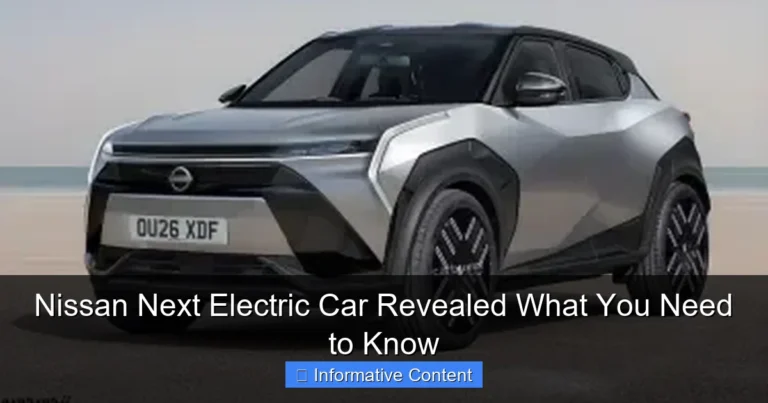
Looking ahead, Nissan plans to launch 15 new electric models globally by 2030, including crossovers, sedans, and even light commercial vehicles, reinforcing its commitment to a carbon-neutral future.
Understanding Nissan’s e-POWER Hybrid Technology
While full-electric vehicles like the LEAF and Ariya dominate headlines, Nissan has also pioneered a unique hybrid solution called e-POWER—a game-changer in the hybrid segment. Unlike traditional hybrids (like Toyota’s THS system), e-POWER operates as an electric-driven car with a gasoline range extender. This means the wheels are powered exclusively by electric motors, while a small internal combustion engine (ICE) generates electricity to recharge the battery. It’s a best-of-both-worlds approach: the smooth, instant torque of an EV combined with the refueling convenience of a gasoline car.
How e-POWER Works: A Closer Look
The e-POWER system consists of three core components:
- Electric Motor: Powers the wheels directly, providing responsive acceleration and quiet operation.
- Lithium-Ion Battery: Stores energy for immediate use and captures regenerative braking energy.
- Gasoline Engine (Range Extender): Acts as a generator, turning on only when the battery needs charging—not when the car accelerates.
This setup ensures that the engine always runs at its most efficient RPM, minimizing fuel consumption and emissions. In city driving, where stop-and-go traffic is common, the e-POWER system can operate in near-silent electric mode up to 80% of the time, significantly reducing noise pollution and fuel use.
Real-World Applications: The Note e-POWER and Kicks e-POWER
The Nissan Note e-POWER (popular in Japan) and the Nissan Kicks e-POWER (available in select Asian and Latin American markets) demonstrate the technology’s real-world benefits:
- Fuel Efficiency: The Note e-POWER achieves up to 30 km/L (70.6 mpg) in city driving—outperforming many conventional hybrids.
- EV-Like Driving Experience: No gear shifts, no engine roar, and instant torque delivery make for a serene, enjoyable ride.
- No Charging Required: Unlike plug-in hybrids (PHEVs) or BEVs, e-POWER cars don’t need to be plugged in, eliminating range anxiety and charging logistics.
Pro Tip: If you live in a region with limited EV charging infrastructure but want an electric driving feel, e-POWER is a smart, low-maintenance alternative. It’s especially effective for drivers with long commutes who want to reduce fuel costs without investing in home charging equipment.
e-POWER vs. Traditional Hybrids and Plug-In Hybrids
How does e-POWER stack up against competitors? Here’s a quick comparison:
- vs. Toyota Hybrid (THS): Traditional hybrids use both engine and motor to power the wheels, leading to less consistent electric-only operation. e-POWER’s pure electric drive offers a smoother, quieter ride.
- vs. Plug-In Hybrid (PHEV): PHEVs require plugging in to maximize efficiency, which isn’t always convenient. e-POWER eliminates this step while still offering significant fuel savings and EV-like performance.
- vs. Full EV: While BEVs offer zero tailpipe emissions, e-POWER provides a practical transition for drivers not yet ready to commit to full electrification.
Nissan plans to introduce e-POWER in North America and Europe, starting with the Nissan Rogue e-POWER and Qashqai e-POWER in the coming years, signaling its global rollout strategy.
Environmental Impact and Sustainability Initiatives
Nissan’s commitment to eco-friendly driving goes beyond just building electric and hybrid cars. The company has implemented a comprehensive sustainability strategy that addresses the entire vehicle lifecycle—from raw material sourcing to end-of-life recycling.
Reducing Carbon Footprint Across the Lifecycle
Nissan’s “Blue Switch” initiative focuses on carbon neutrality by 2050, with key milestones including:
- 100% renewable energy use in manufacturing: Plants in the UK (Sunderland) and Japan (Oppama) already run on wind and solar power.
- Lightweight materials: Use of aluminum and high-strength steel to reduce vehicle weight, improving efficiency and range.
- Second-life battery programs: Used LEAF batteries are repurposed for home energy storage (e.g., Nissan x Eaton’s xStorage) and grid support systems.
For example, the Nissan Energy Share project in Japan allows LEAF owners to feed surplus solar energy back into the grid using their car’s battery, turning vehicles into mobile power sources during emergencies.
Eco-Friendly Materials and Manufacturing
Nissan is also innovating in sustainable materials:
- Recycled plastics and bio-based materials: Used in interior trim, carpets, and seat fabrics.
- Water-based paints: Reduce volatile organic compound (VOC) emissions during production.
- Zero landfill waste: Achieved at 10 of Nissan’s global plants, with others on track to meet the target.
The Ariya, for instance, features a dashboard made from recycled PET bottles and seats upholstered with vegan leather—a nod to eco-conscious consumers who prioritize ethical sourcing.
Community and Global Sustainability Projects
Nissan partners with governments and NGOs on large-scale sustainability efforts:
- LEAF-to-Home systems: In Japan, LEAFs power homes during blackouts, reducing reliance on diesel generators.
- EV charging in rural areas: Nissan supports infrastructure development in underserved regions to promote equitable access to clean mobility.
- Carbon offset programs: For every LEAF sold, Nissan invests in reforestation and renewable energy projects.
By integrating environmental responsibility into every aspect of its operations, Nissan is proving that eco-friendly driving isn’t just about the car—it’s about a holistic vision for a sustainable future.
Performance, Safety, and Smart Technology
Eco-friendly doesn’t mean compromising on performance or safety. Nissan’s electric and hybrid vehicles are engineered to deliver exhilarating driving dynamics, top-tier safety ratings, and intelligent tech features that enhance convenience and connectivity.
Performance That Delivers
Electric motors provide instant torque, resulting in rapid acceleration. The LEAF Plus can go from 0 to 60 mph in just 6.8 seconds, while the Ariya e-4ORCE AWD model achieves 0–60 mph in 5.1 seconds—comparable to high-performance SUVs. The e-POWER system also delivers responsive power delivery, with no lag or transmission shifts.
Pro Tip: Use the Ariya’s e-4ORCE torque vectoring to improve cornering stability and traction in wet or snowy conditions—ideal for all-weather driving.
Advanced Safety Systems
All Nissan electric and hybrid models come with Nissan Safety Shield 360, a suite of six advanced driver assistance features:
- Automatic Emergency Braking with Pedestrian Detection
- Rear Cross Traffic Alert
- Blind Spot Warning
- Lane Departure Warning
- High Beam Assist
- Rear Automatic Braking
The Ariya and LEAF also feature ProPILOT Assist 2.0, which allows hands-off driving on highways under certain conditions, reducing driver fatigue on long trips.
Smart Connectivity and User Experience
Nissan’s vehicles are equipped with intuitive infotainment systems:
- NissanConnect Services: Remote start, climate control, and vehicle status monitoring via smartphone app.
- Over-the-air (OTA) updates: The Ariya can receive software upgrades wirelessly, improving features and fixing bugs without visiting a dealership.
- Voice control with Google Assistant: Available in the Ariya, allowing hands-free control of navigation, music, and climate.
The interior of the Ariya, in particular, showcases Nissan’s “Timeless Japanese Futurism” design philosophy—minimalist, spacious, and packed with smart storage solutions.
Comparing Nissan’s Eco-Friendly Models: A Data-Driven Guide
Choosing the right Nissan electric or hybrid vehicle depends on your driving habits, budget, and environmental priorities. Below is a detailed comparison of Nissan’s current eco-friendly lineup to help you make an informed decision.
| Model | Powertrain Type | Range (EPA) | Fuel Efficiency (MPGe/MPG) | Key Features | Starting Price (USD) |
|---|---|---|---|---|---|
| Nissan LEAF S | BEV (40 kWh) | 149 miles | 111 MPGe (combined) | e-Pedal, ProPILOT Assist, CHAdeMO fast charging | $28,040 |
| Nissan LEAF Plus | BEV (62 kWh) | 212 miles | 104 MPGe (combined) | Longer range, premium audio, heated seats | $36,540 |
| Nissan Ariya FWD | BEV (63–87 kWh) | Up to 304 miles | 109 MPGe (combined) | e-4ORCE AWD option, V2H, OTA updates | $43,190 |
| Nissan Kicks e-POWER (Japan) | Hybrid (e-POWER) | N/A (no plug-in) | ~60 mpg (city) | EV-like drive, no charging needed, compact size | $22,000 (est.) |
| Nissan Rogue e-POWER (2025, upcoming) | Hybrid (e-POWER) | N/A (no plug-in) | ~50 mpg (combined, est.) | Spacious SUV, ProPILOT, e-Pedal | $32,000 (est.) |
Key Takeaways:
- Best for city commuters: LEAF S or Kicks e-POWER (low cost, high efficiency).
- Best for long-range needs: Ariya (300+ miles, SUV versatility).
- Best for charging-challenged areas: e-POWER models (no plug-in required).
- Best value: LEAF Plus (affordable long-range EV with federal tax credit eligibility).
Conclusion: Why Nissan Leads the Eco-Friendly Revolution
Nissan’s electric and hybrid cars represent more than just a shift in powertrain technology—they embody a vision for a cleaner, smarter, and more inclusive future of mobility. From the pioneering Nissan LEAF to the innovative e-POWER system and the futuristic Ariya SUV, Nissan offers a diverse portfolio that caters to every type of driver. Whether you’re motivated by environmental responsibility, cost savings, or cutting-edge technology, there’s a Nissan electric or hybrid model that fits your needs.
What truly sets Nissan apart is its holistic approach to sustainability. It’s not just about building efficient cars; it’s about transforming entire systems—charging infrastructure, manufacturing, battery recycling, and community energy sharing. By investing in renewable energy, second-life battery programs, and global sustainability initiatives, Nissan is proving that eco-friendly driving is a collective effort.
As governments worldwide implement stricter emissions standards and consumers demand greener choices, Nissan is well-positioned to lead the charge. With plans to launch 15 new EVs and expand e-POWER globally, the brand is doubling down on its commitment to carbon neutrality and accessible electrification. For anyone considering a switch to eco-friendly driving, Nissan’s lineup offers a compelling blend of innovation, practicality, and purpose. The future of transportation is electric—and with Nissan, that future is already here.
Frequently Asked Questions
What are the benefits of driving Nissan electric and hybrid cars?
Nissan electric and hybrid cars offer lower emissions, reduced fuel costs, and access to incentives like tax credits. Their advanced powertrains also deliver smooth acceleration and quiet operation, enhancing the driving experience.
How does the range of Nissan electric cars compare to other EVs?
Nissan electric cars, like the Leaf, offer ranges between 150–226 miles per charge, ideal for daily commutes. While some competitors offer longer ranges, Nissan balances affordability with reliable performance for urban and suburban drivers.
Can Nissan hybrid cars switch between gas and electric power automatically?
Yes, Nissan hybrid cars seamlessly switch between electric and gasoline power based on speed, load, and battery charge. This smart system maximizes fuel efficiency without requiring driver input.
Are Nissan electric and hybrid cars eligible for government incentives?
Many Nissan electric and hybrid models qualify for federal, state, or local incentives, such as tax credits or rebates. Eligibility varies by location, so check your area’s current eco-friendly vehicle programs.
How long does it take to charge a Nissan electric car?
Charging times vary: a standard 120V outlet takes 8–12 hours, while a 240V home charger reduces it to 4–6 hours. DC fast charging can replenish up to 80% in 30–40 minutes on compatible models.
What maintenance is required for Nissan hybrid cars compared to gas models?
Nissan hybrid cars require less frequent brake and engine maintenance due to regenerative braking and reduced engine wear. However, battery inspections and coolant checks are recommended every 15,000–20,000 miles.