Nissan Electric Car Charger Guide Top Picks and Tips for Faster Charging
Featured image for nissan electric car charger
Choosing the right Nissan electric car charger can dramatically reduce charging time and enhance your EV experience. Whether you’re using a Level 1, Level 2, or DC fast charger, selecting a compatible, high-quality charger ensures optimal performance and battery longevity—making daily charging faster, safer, and more efficient.
Key Takeaways
- Choose Level 2 chargers: Opt for 240V home units to cut charging time by 50%.
- Prioritize portability: Select compact, lightweight chargers for travel and emergencies.
- Verify compatibility: Ensure chargers match Nissan’s J1772 connector for seamless use.
- Use scheduling features: Set off-peak charging to save on electricity costs.
- Upgrade firmware: Keep chargers updated for improved efficiency and safety.
- Install safely: Hire a licensed electrician to avoid hazards and ensure optimal performance.
📑 Table of Contents
- Why Your Nissan Electric Car Charger Choice Matters More Than You Think
- Understanding Nissan Electric Car Charging: Types, Speeds, and Compatibility
- Top Nissan Electric Car Chargers: Home, Portable, and Smart Options
- How to Charge Your Nissan EV Faster: Expert Tips and Tricks
- Public Charging Networks: Where to Charge Your Nissan on the Go
- Future-Proofing Your Nissan EV Charging Setup
Why Your Nissan Electric Car Charger Choice Matters More Than You Think
Imagine pulling into your driveway after a long day, plugging in your Nissan electric car, and waking up to a fully charged vehicle—ready to tackle your morning commute with zero emissions and maximum efficiency. This isn’t just a dream; it’s the reality for thousands of Nissan EV owners. However, the charging experience—how fast, how convenient, and how reliable it is—depends heavily on one critical component: the Nissan electric car charger.
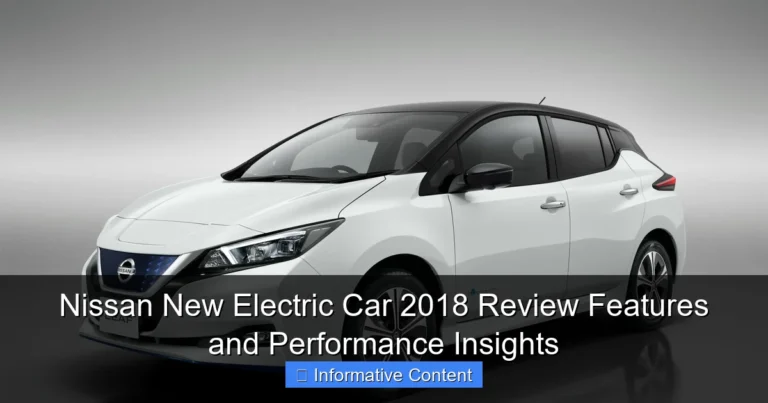
From the compact Nissan Leaf to the cutting-edge Nissan Ariya, Nissan’s electric lineup continues to grow, offering drivers an eco-friendly, cost-effective alternative to gas-powered vehicles. But while the cars themselves are impressive, the charging infrastructure you use at home, work, or on the road can make or break your EV ownership experience. Whether you’re a first-time Nissan EV owner or upgrading from an older model, understanding your charging options—home chargers, public networks, fast charging capabilities, and smart charging features—is essential. In this comprehensive guide, we’ll explore the top Nissan electric car chargers, break down charging speeds, and share expert tips to help you charge faster, smarter, and more efficiently.
Understanding Nissan Electric Car Charging: Types, Speeds, and Compatibility
Before diving into specific charger models, it’s crucial to understand the fundamentals of EV charging. Not all chargers are created equal, and the type you choose will directly impact your daily routine, charging time, and long-term convenience. Nissan electric vehicles, like most modern EVs, support three primary charging levels: Level 1, Level 2, and DC Fast Charging (also known as Level 3). Each has its own pros, cons, and ideal use cases.
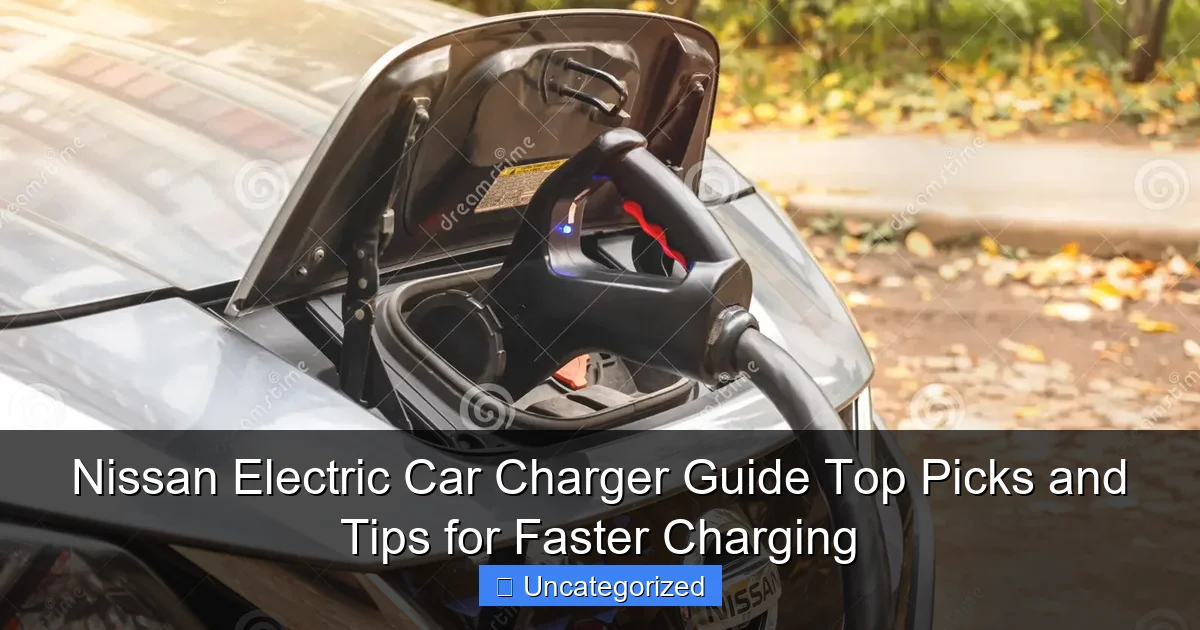
Visual guide about nissan electric car charger
Image source: thumbs.dreamstime.com
Level 1 Charging: The Basics (120V Outlet)
Level 1 charging uses a standard 120-volt household outlet—the same one you’d use for a lamp or phone charger. While convenient (no installation required), it’s extremely slow. A typical Nissan Leaf gains about 4–5 miles of range per hour on Level 1. That means a full charge from empty could take 24+ hours. This method is best suited for:
- Occasional top-ups
- Emergency situations
- Drivers with very short commutes (under 20 miles daily)
Tip: If you rely on Level 1, consider charging overnight every day, even if you only drive a few miles. Consistency helps maintain battery health.
Level 2 Charging: The Gold Standard (240V Outlet)
Level 2 is the sweet spot for most Nissan EV owners. It uses a 240-volt circuit (similar to what powers a clothes dryer or oven) and delivers 25–30 miles of range per hour. Most Nissan Leafs and Ariyas come with a portable Level 2 charging cable, but for optimal performance, a dedicated home charger is recommended.
- Charges a Nissan Leaf (40 kWh) in 6–8 hours
- Charges a Nissan Ariya (87 kWh) in 10–12 hours
- Ideal for overnight charging
Level 2 chargers are compatible with all Nissan EVs and are the most cost-effective way to charge daily. They’re also required for features like scheduled charging and load management.
DC Fast Charging (Level 3): For Long Trips and Urgent Needs
DC Fast Charging is the fastest option, delivering 60–100 miles of range in just 20–30 minutes. It bypasses the car’s onboard charger and sends direct current straight to the battery. Nissan EVs support CCS (Combined Charging System) or CHAdeMO (older Leaf models) connectors.
- Nissan Leaf (2018 and earlier): CHAdeMO only
- Nissan Leaf (2019 and later) & Ariya: CCS (North America)
DC Fast Charging is perfect for road trips or when you need a quick top-up. However, frequent use can degrade battery life over time, so it’s best used sparingly—ideally no more than 80% charge during fast charging.
Charging Speed Comparison Table
| Charger Type | Voltage | Power Output | Range Added per Hour | Best For |
|---|---|---|---|---|
| Level 1 | 120V | 1.4 kW | 4–5 miles | Emergency, short commutes |
| Level 2 | 240V | 7.2–11.5 kW | 25–30 miles | Daily home charging |
| DC Fast Charging | 400–800V | 50–350 kW | 60–100 miles (in 30 min) | Road trips, urgent charging |
Top Nissan Electric Car Chargers: Home, Portable, and Smart Options
Choosing the right charger for your Nissan EV depends on your lifestyle, budget, and home setup. Below are the top-rated chargers across three categories: home wall chargers, portable chargers, and smart chargers with advanced features.
1. Best Home Wall Charger: ChargePoint Home Flex
The ChargePoint Home Flex is a top-tier Level 2 charger that combines performance, smart features, and sleek design. With adjustable power output (16A to 50A), it can deliver up to 11.5 kW, fully charging a Nissan Ariya in under 12 hours.
- Smart Features: Wi-Fi connectivity, app control, energy usage tracking, and integration with Alexa/Google Assistant
- Installation: Requires a 240V outlet or hardwired connection (NEMA 14-50 or direct wire)
- Weatherproof: Suitable for indoor or outdoor use (IP55 rating)
- Price: $599 (before incentives)
Why it’s great: The ChargePoint app lets you schedule charging during off-peak hours (saving money), monitor usage, and even earn credits through utility partnerships. Ideal for eco-conscious and tech-savvy Nissan owners.
2. Best Budget-Friendly Option: Grizzly 40A Level 2 Charger
If you’re looking for a reliable, no-frills charger at a lower price, the Grizzly 40A is a standout. Priced around $399, it delivers 9.6 kW—plenty for most Nissan EVs.
- Power Output: 40A (9.6 kW), compatible with 240V circuits
- Features: LED status indicators, 25-foot cable, NEMA 14-50 plug
- No Wi-Fi: Simple plug-and-play design
Best for: Drivers who want fast charging without smart features or app integration. A solid choice for secondary homes or rental properties.
3. Best Portable Charger: Nissan Portable Charging Cable (Gen 3)
Nissan’s own Portable Charging Cable (Gen 3) is included with most new Leaf and Ariya models. It’s a 240V Level 2 cable with a NEMA 14-50 plug, delivering up to 7.2 kW.
- Convenience: Compact, easy to store in the trunk
- Compatibility: Works with any standard 240V outlet (common in garages, RV parks, and campgrounds)
- Durability: Weather-resistant, 20-foot cable
Pro Tip: Keep this cable in your car at all times. It’s perfect for emergencies, visiting family, or charging at a friend’s house with a 240V outlet.
4. Best Smart Charger: Wallbox Pulsar Plus
The Wallbox Pulsar Plus is a premium smart charger with a sleek, compact design. It offers 48A output (11.5 kW), Wi-Fi, app control, and dynamic load balancing (ideal for homes with solar or multiple EVs).
- App Features: Remote start/stop, charging schedules, energy reports, and integration with solar panels
- Load Balancing: Automatically adjusts power based on home electricity demand
- Design: Ultra-thin profile, customizable LED ring
- Price: $599
Why it’s worth it: If you’re serious about energy efficiency and home automation, the Wallbox Pulsar Plus is a future-proof investment. It’s especially useful for Nissan Ariya owners who want to optimize charging with solar.
How to Charge Your Nissan EV Faster: Expert Tips and Tricks
Even with a high-quality charger, charging speed can be affected by several factors. Use these expert-backed strategies to maximize charging efficiency and reduce wait times.
1. Upgrade to a 240V Outlet or Hardwired Charger
While a 120V outlet is convenient, it’s the slowest option. Installing a 240V outlet (NEMA 14-50 or 6-50) or a hardwired Level 2 charger can cut charging time by 70–80%. A licensed electrician can install this in 2–4 hours, with costs ranging from $300 to $800 depending on your home’s electrical panel.
Example: A Nissan Leaf with a 40 kWh battery takes 8 hours on Level 2 vs. 24+ hours on Level 1. That’s 16 extra hours of freedom per charge!
2. Use Scheduled Charging During Off-Peak Hours
Most utility companies offer lower electricity rates during “off-peak” hours (usually 10 PM–6 AM). Use your charger’s app or your Nissan’s built-in scheduling feature to start charging at midnight. This can save you $100–$200 per year on electricity.
- On the Nissan Leaf: Go to Settings > Charging > Schedule and set start/end times
- On smart chargers: Use the app to set a “delay start”
3. Precondition Your Battery (Especially in Cold Weather)
In cold climates, lithium-ion batteries charge slower. To combat this, precondition your battery by starting the climate control while the car is still plugged in. This warms the battery and improves charging efficiency.
- Use the Nissan app or in-car settings to set a departure time
- The car will automatically warm the battery and cabin while charging
- Result: Up to 20% faster charging in sub-zero temperatures
4. Limit DC Fast Charging to 80%
While DC fast charging is fast, charging beyond 80% significantly slows down due to battery management systems. To preserve battery health and reduce charging time, set a charge limit of 80% in your Nissan’s settings when using fast chargers.
- On Leaf: Settings > Charging > Charge Limit
- On Ariya: Energy > Charging > Max Charge Level
5. Keep Your Charging Cable Clean and Dry
Dirt, moisture, and debris can interfere with charging. After each use, wipe the connector with a dry cloth and store it in a sealed case. Avoid leaving the cable on wet pavement—this can damage the internal components and reduce charging speed.
Public Charging Networks: Where to Charge Your Nissan on the Go
While home charging is ideal, public networks are essential for long trips, errands, or when you’re away from home. Nissan EVs are compatible with most major networks, but knowing which ones to use can save time and money.
1. Electrify America (Best for DC Fast Charging)
Electrify America has over 800 charging stations across the U.S., offering up to 350 kW DC fast charging. Nissan Leaf (2019+) and Ariya drivers can use CCS connectors.
- Speed: 60–100 miles in 20–30 minutes
- Cost: $0.31–$0.43 per kWh (membership discounts available)
- App: Real-time availability, navigation integration
Tip: Use the Electrify America app to find stations along your route and check for maintenance alerts.
2. ChargePoint (Best for Level 2 and Urban Charging)
With over 200,000 ports worldwide, ChargePoint is ideal for Level 2 charging at malls, workplaces, and public parking. Many stations offer free or low-cost charging.
- Speed: 25–30 miles per hour
- Cost: Varies by location (often free during business hours)
- App: Reservation system, payment integration
3. Tesla Destination Chargers (With Adapter)
Tesla’s Destination Chargers (Level 2) are available at hotels, restaurants, and shopping centers. Nissan owners can use a Tesla to J1772 adapter to plug in.
- Speed: 25–30 miles per hour
- Cost: Usually free for guests
- Adapter Cost: $150–$200
Note: Tesla Superchargers require a CCS-to-Tesla adapter, which is not yet widely available for Nissan EVs.
4. PlugShare (Find All Networks at Once)
Use the PlugShare app or website to find every charging station—regardless of network—along your route. Filter by connector type (CCS, CHAdeMO, J1772), speed, and availability.
Future-Proofing Your Nissan EV Charging Setup
As EV technology evolves, so do charging standards. To ensure your Nissan electric car charger remains useful for years to come, consider these forward-thinking upgrades and practices.
1. Invest in a 48A or 50A Charger (Even If You Don’t Need It Now)
Most Nissan EVs currently max out at 7.2–11.5 kW, but future models may support higher power. A 48A or 50A charger (like the ChargePoint Home Flex) ensures you’re ready for faster charging as battery tech improves.
2. Add Solar Panels or a Home Battery
Pair your charger with a solar system or home battery (like Tesla Powerwall or Enphase) to charge your Nissan with 100% renewable energy. This reduces grid dependence and can lower electricity bills by 50–100%.
- Solar + Charger: Use excess solar to charge during the day
- Battery + Charger: Store solar or off-peak grid power for nighttime charging
3. Stay Updated on Charging Standards
CCS is the current standard, but the industry is moving toward Megawatt Charging Systems (MCS) for ultra-fast charging. While not yet available for passenger EVs, staying informed ensures you won’t be left behind.
4. Use OTA Updates to Improve Charging
Nissan regularly releases over-the-air (OTA) updates that improve charging efficiency, battery management, and navigation integration. Enable updates in your car’s settings to get the latest features.
Your Nissan electric car charger is more than just a plug—it’s the backbone of your EV lifestyle. By choosing the right charger, optimizing your setup, and staying informed about new technologies, you can enjoy faster charging, lower costs, and a seamless driving experience. Whether you’re charging at home, on the road, or under the sun with solar, the future of Nissan EV ownership is bright—and fully charged.
Frequently Asked Questions
What is the best Nissan electric car charger for home use?
The best home charger for Nissan EVs like the Leaf or Ariya is a Level 2 (240V) charger, such as the ChargePoint Home Flex or Nissan’s official EVSE. These provide faster charging (up to 30-40 miles per hour) compared to standard wall outlets. Always verify compatibility with your specific model.
How fast can a Nissan electric car charger replenish my battery?
Charging speed depends on the charger type: Level 1 (120V) adds ~5 miles per hour, while Level 2 (240V) delivers 20-40 miles per hour. DC fast chargers (public stations) can reach 80% in 30-40 minutes for compatible models like the Ariya.
Can I use a Tesla Supercharger with my Nissan EV?
No, Tesla Superchargers use a proprietary connector, but you can access Tesla’s Level 2 Destination Charging via an adapter. For faster charging, use CCS/CHAdeMO-compatible public stations (Nissan EVs support CHAdeMO for older models and CCS for newer ones).
Do I need a special circuit for installing a Nissan electric car charger at home?
Yes, most Level 2 chargers require a dedicated 240V circuit (40-50 amps) and professional installation. A licensed electrician should assess your panel to avoid overloading and ensure safety compliance.
Are portable Nissan EV chargers worth it?
Portable chargers (like Nissan’s OEM 120V/240V EVSE) are useful for emergencies or travel but charge slowly. They’re a budget-friendly backup but not ideal for daily use—invest in a fixed Level 2 charger for regular charging.
How do I find reliable public chargers for my Nissan electric car?
Use apps like PlugShare or Nissan’s CarWings system to locate CHAdeMO/CCS stations. Prioritize networks like Electrify America or ChargePoint for reliability, and check real-time availability to avoid downtime.