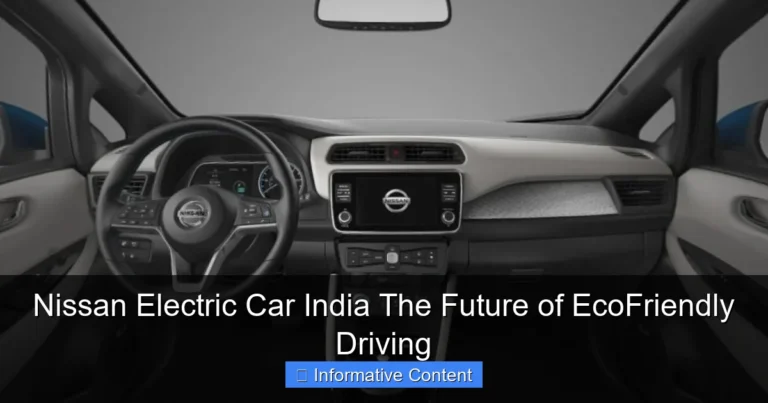
Nissan Electric Car Names Explore the Future of EVs
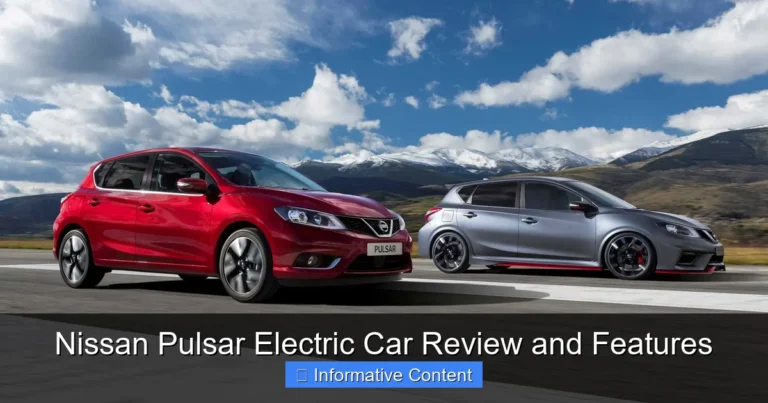
Featured image for nissan electric car names
Image source: champw.com
Nissan electric car names like the Ariya, Leaf, and Townstar reflect the brand’s bold leap into the future of sustainable mobility. Each name blends innovation with purpose, signaling Nissan’s commitment to cutting-edge EV technology and eco-conscious design. Discover how these models are reshaping the electric vehicle landscape.
Key Takeaways
- Nissan leads EV innovation with iconic models like Leaf and Ariya.
- Leaf remains a pioneer in affordable, mass-market electric mobility.
- Ariya blends luxury and tech for premium EV segment appeal.
- Names reflect brand evolution from practicality to futuristic vision.
- Upcoming models promise excitement with advanced battery and performance.
- Global lineup varies—check regional availability for specific names.
📑 Table of Contents
The Dawn of a New Era: Nissan’s Electric Revolution
Remember when electric cars were just a futuristic dream? A quiet, battery-powered vehicle silently gliding down the road seemed like something out of a sci-fi movie. Fast forward to today, and that vision is not only real—it’s here, and it’s revolutionizing how we drive. Among the pioneers of this electric revolution is Nissan, a brand that didn’t just dip its toes into the EV pool—it dove in headfirst. From the iconic Leaf to its newer, bolder entries, Nissan electric car names have become synonymous with innovation, affordability, and practicality in the world of zero-emission vehicles.
What makes Nissan stand out in the crowded EV market? For starters, it’s the brand that brought the world’s first mass-market electric car to life. But beyond legacy, Nissan continues to evolve. Their electric lineup isn’t just about replacing gas engines with batteries—it’s about rethinking mobility. Whether you’re a city commuter tired of gas prices, an eco-conscious family looking for a greener ride, or a tech enthusiast chasing the latest in connected driving, Nissan electric car names offer something for everyone. And the best part? These names tell a story—of progress, vision, and a future where driving is cleaner, quieter, and smarter.
The Legacy Begins: The Nissan Leaf
The Car That Started It All
Let’s start with the legend: the Nissan Leaf. Launched in 2010, the Leaf wasn’t just another car—it was a statement. It proved that electric vehicles could be practical, affordable, and accessible to everyday drivers. At a time when most EVs were either luxury toys or experimental prototypes, the Leaf offered real-world usability. I remember seeing my first Leaf in my neighborhood—quiet, sleek, and proudly wearing a “Zero Emission” badge. It was like spotting a rare bird: rare, but real.
Visual guide about nissan electric car names
Image source: namespursuit.com
The original Leaf had a modest 73-mile range, which raised eyebrows back then. But Nissan didn’t stop there. Over the years, the Leaf evolved. The Leaf Plus (e+) arrived with a larger 62 kWh battery, boosting range to 212–226 miles—enough for most daily commutes and even weekend trips. It’s a testament to Nissan’s commitment: they didn’t rest on their laurels. They listened, improved, and kept pushing.
Why the Leaf Still Matters Today
Even with newer models joining the lineup, the Leaf remains a cornerstone of Nissan’s EV strategy. Why? Because it hits the sweet spot of value, simplicity, and reliability. Starting around $28,000 (before incentives), it’s one of the most affordable new EVs on the market. And with federal and state tax credits, the price can drop below $20,000 in some areas—yes, really.
- Perfect for city dwellers: Compact size, nimble handling, and easy parking make the Leaf ideal for urban life.
- Low running costs: Electricity is cheaper than gas, and with fewer moving parts, maintenance is minimal.
- Proven track record: With over 600,000 units sold globally, the Leaf is one of the best-selling EVs of all time.
But it’s not all sunshine. The Leaf’s infotainment system feels a bit dated compared to newer EVs. And while the range is decent, it still lags behind competitors like the Tesla Model 3 or Hyundai Kona Electric. Still, for first-time EV buyers or those on a budget, the Leaf is a solid, dependable choice.
Beyond the Leaf: Nissan’s Expanding EV Family
Introducing the Nissan Ariya: The Future is Here
Meet the Nissan Ariya—the brand’s bold leap into the future of electric SUVs. If the Leaf was the pioneer, the Ariya is the pioneer’s upgraded, tech-savvy sibling. Unveiled in 2020 and hitting U.S. roads in 2022, the Ariya is Nissan’s first global EV platform, built from the ground up as an electric vehicle. No compromises. No retrofitting gas platforms. Just pure EV DNA.
The Ariya comes in several trims, from the Engage (216 miles) to the Empower+ (up to 304 miles with the long-range battery and two-wheel drive). That’s a big jump from the Leaf and brings Nissan into direct competition with the likes of the Ford Mustang Mach-E and Volkswagen ID.4. I recently test-drove the Ariya Venture+—a mid-tier model with all-wheel drive and 272 miles of range—and was blown away by how smooth and quiet it felt. No engine noise, no gear shifts, just instant torque and a serene cabin.
Inside, the Ariya feels premium. Dual 12.3-inch screens, ambient lighting, and a minimalist dashboard give it a futuristic vibe. But it’s not all flash. Practical touches like a flat floor (thanks to the EV platform), generous cargo space, and rear seats that recline make it a great family SUV.
Trim Levels and What They Mean
Nissan uses a simple naming convention for the Ariya: Engage, Venture+, Evolve+, Empower+, and Premiere. Each adds more features, range, and performance. Here’s a quick breakdown:
- Engage: Base model, front-wheel drive, 216-mile range. Good for city driving.
- Venture+: Adds all-wheel drive, 272-mile range, and more tech. A sweet spot for many buyers.
- Evolve+: Long-range battery, premium audio, and advanced driver aids.
- Empower+: Top-tier, 304-mile range (FWD only), panoramic roof, and enhanced comfort.
- Premiere: Limited launch edition with exclusive design cues and early access perks.
One thing to note: the long-range battery is only available with front-wheel drive. If you want AWD, you sacrifice some range. It’s a trade-off, but one that makes sense for those who need traction in snowy climates.
Naming Strategy: What’s in a Name?
Leaf: A Symbol of Simplicity and Nature
The name “Leaf” is genius. It’s short, memorable, and instantly evokes images of nature, growth, and sustainability. When Nissan chose it in 2010, they weren’t just naming a car—they were branding a movement. “Leaf” suggests a clean, green future, free from emissions. It’s aspirational without being pretentious. And unlike tech-heavy names like “Model 3” or “Ioniq,” “Leaf” feels human and relatable.
Fun fact: Nissan originally considered names like “Blad” and “Fuga EV” before settling on Leaf. Thank goodness they did. “Leaf” has become iconic—so much so that it’s often used generically to refer to any small electric car, much like “Kleenex” for tissues.
Ariya: A Name with Global Appeal
“Ariya” is a more complex name, but it’s no less intentional. Nissan says it’s derived from “ariya,” an ancient Persian word meaning “noble” or “honorable.” It also sounds like “aria,” a musical solo—fitting for a car that’s meant to stand out. The name was chosen to reflect the vehicle’s global ambitions and premium positioning.
From a branding perspective, “Ariya” signals a shift. The Leaf was about accessibility. The Ariya is about aspiration. It’s not just an electric car—it’s a statement of intent: Nissan is ready to compete with the best in the EV space.
The Power of Naming in the EV Era
In the electric car world, names matter more than ever. Why? Because EVs are still new to many consumers. A strong name can ease anxiety, build trust, and create emotional connections. Think about it:
- “Tesla Model S” sounds futuristic and high-tech.
- “Chevy Bolt” feels friendly and approachable.
- “Nissan Leaf” feels natural and trustworthy.
Nissan’s naming strategy balances simplicity with meaning. They avoid overly technical or confusing names (looking at you, “e-POWER” and “X-Trail”). Instead, they choose names that are easy to remember, spell, and pronounce—key for global marketing.
Technology and Innovation Under the Hood
e-POWER: Not Quite an EV, But Close
Before we dive into pure EVs, let’s talk about Nissan e-POWER—a unique hybrid system that’s popular in Japan and emerging markets. Unlike traditional hybrids, e-POWER cars have no plug. Instead, a small gas engine acts as a generator to charge the battery, which powers the electric motor. The wheels are always driven by electricity.
It’s not a full EV, but it’s a clever bridge. Drivers get the smoothness and responsiveness of an electric motor, with the range and refueling convenience of a gas car. Models like the Nissan Serena e-POWER and Note e-POWER are best-sellers in Japan. While not available in the U.S. yet, it’s a glimpse into Nissan’s broader electrification strategy.
ProPILOT Assist: Smarter, Safer Driving
One of Nissan’s standout tech features is ProPILOT Assist, available on the Leaf and Ariya. It’s not full self-driving, but it’s close. ProPILOT combines adaptive cruise control with lane-centering, allowing the car to steer, accelerate, and brake in highway traffic. On long drives, it’s a godsend.
I used it during a 200-mile trip in the Ariya, and it worked flawlessly. The car stayed centered in its lane, adjusted speed for curves, and even slowed for traffic ahead. It’s not perfect—you still need to keep your hands on the wheel—but it reduces driver fatigue and improves safety.
The latest version, ProPILOT Assist 2.0 (available on the Ariya), adds hands-free driving in certain conditions and improved navigation-based speed control. It’s not Tesla Autopilot, but it’s reliable and intuitive.
Charging and Connectivity
Nissan has made strides in charging infrastructure. The Leaf and Ariya come with CCS (Combined Charging System) ports, giving access to fast-charging networks like Electrify America, ChargePoint, and EVgo. The Ariya can charge from 10% to 80% in about 35 minutes on a 130 kW fast charger.
Inside, the NissanConnect app lets you check battery status, start charging, and preheat the cabin remotely. It’s not as seamless as Tesla’s app, but it gets the job done. One tip: always keep your phone charged when using the app—it’s a lifesaver on cold mornings.
Comparing Nissan EVs: Which One is Right for You?
Leaf vs. Ariya: A Side-by-Side Look
Choosing between the Leaf and Ariya depends on your needs. Let’s break it down:
| Feature | Nissan Leaf (S Plus) | Nissan Ariya (Venture+) |
|---|---|---|
| Starting Price | $28,140 | $47,190 |
| Range | 212 miles | 272 miles (AWD) |
| Seating | 5 passengers | 5 passengers |
| Cargo Space | 23.6 cu ft | 22.8 cu ft (behind rear seats) |
| Fast Charging | 40 min (10-80%) | 35 min (10-80%) |
| Tech Highlights | e-Pedal, NissanConnect, ProPILOT | Dual 12.3” screens, ProPILOT 2.0, ARIYA Connect |
| Best For | City commuters, budget buyers | Families, tech lovers, longer trips |
Who Should Choose the Leaf?
The Leaf is ideal if:
- You’re new to EVs and want a low-risk entry point.
- Your daily drive is under 150 miles.
- You want the lowest upfront cost.
- You live in an apartment with no home charger (the Leaf’s smaller battery charges faster).
Who Should Choose the Ariya?
The Ariya shines if:
- You want a premium feel and cutting-edge tech.
- You need more range for road trips.
- You have a family and want more interior space.
- You’re ready to spend $45K+ for a long-term EV investment.
Pro tip: If you’re unsure, rent both for a weekend. Drive the Leaf in the city, then take the Ariya on the highway. The difference in comfort and performance is eye-opening.
What’s Next? Nissan’s Electric Future
Upcoming Models and Concepts
Nissan isn’t stopping at the Leaf and Ariya. The company has announced a $17.6 billion electrification plan by 2030, aiming to launch 15 new EVs globally. One highly anticipated model is the Nissan Chill-Out—a compact SUV concept that previews a future entry-level EV. Expected to be smaller than the Ariya, it could be a direct competitor to the Tesla Model Y and Chevrolet Equinox EV.
There’s also the Nissan Max-Out concept—a sleek, two-seater sports car that hints at Nissan’s performance EV ambitions. While not confirmed for production, it shows the brand’s willingness to innovate beyond sedans and SUVs.
Sustainability and Battery Innovation
Nissan is also investing heavily in battery recycling and second-life applications. Old Leaf batteries are being repurposed for home energy storage and grid support. The company is also developing solid-state batteries, which promise faster charging, longer range, and improved safety. Nissan aims to launch a solid-state battery EV by 2028—potentially a game-changer.
And let’s not forget vehicle-to-grid (V2G) technology. The Leaf already supports V2G in some markets, allowing owners to power their homes during outages or sell energy back to the grid. As smart grids expand, this could turn EVs into mobile power stations.
The Road Ahead
Nissan’s electric journey is far from over. With a strong foundation in the Leaf and a bold new direction with the Ariya, the brand is positioning itself as a serious contender in the global EV race. The key will be execution: delivering on promises, improving software, and expanding charging partnerships.
But one thing is clear: Nissan electric car names are more than just labels. They’re milestones in a larger story—of a company adapting, innovating, and helping shape a cleaner, quieter, and smarter future for transportation.
So whether you’re drawn to the simplicity of the Leaf, the sophistication of the Ariya, or the promise of what’s to come, Nissan has a place in the electric revolution. And as more models hit the road, one thing is certain: the future of driving is electric—and Nissan is helping lead the charge.
Frequently Asked Questions
What are the current Nissan electric car names available in the market?
As of 2023, the primary Nissan electric car names include the Nissan LEAF (available in LEAF and LEAF Plus trims) and the Nissan ARIYA, a new all-electric SUV. These models represent Nissan’s commitment to innovation in the EV space.
What does the name “Nissan LEAF” symbolize?
The name “LEAF” stands for “Leading, Environmentally friendly, Affordable, Family car,” reflecting Nissan’s vision for clean, accessible mobility. It was chosen to emphasize the vehicle’s zero-emission technology and practicality for everyday drivers.
Is the Nissan ARIYA a fully electric vehicle?
Yes, the Nissan ARIYA is a 100% electric SUV with multiple battery and drivetrain options, offering up to 300 miles of range. It’s one of the most advanced Nissan electric car names in their growing EV lineup.
Are there any upcoming Nissan electric car names to watch for?
Nissan has teased future models like the Nissan Max-Out convertible EV and the Surf-Out pickup, signaling expansion beyond current offerings. These new Nissan electric car names aim to cater to diverse lifestyles and markets.
How does the Nissan LEAF compare to newer electric car models?
The Nissan LEAF remains a budget-friendly EV with proven reliability, while newer models like the ARIYA offer more range, tech, and premium features. The LEAF is ideal for city driving, whereas the ARIYA suits longer commutes and SUV lovers.
What makes Nissan electric car names stand out in the EV market?
Nissan’s EVs combine practical pricing, real-world range, and decades of electric vehicle experience since the LEAF’s 2010 debut. Their Nissan electric car names are synonymous with accessible innovation and sustainable driving solutions.