Nissan Electric Car Parking Brake Problems and How to Fix Them
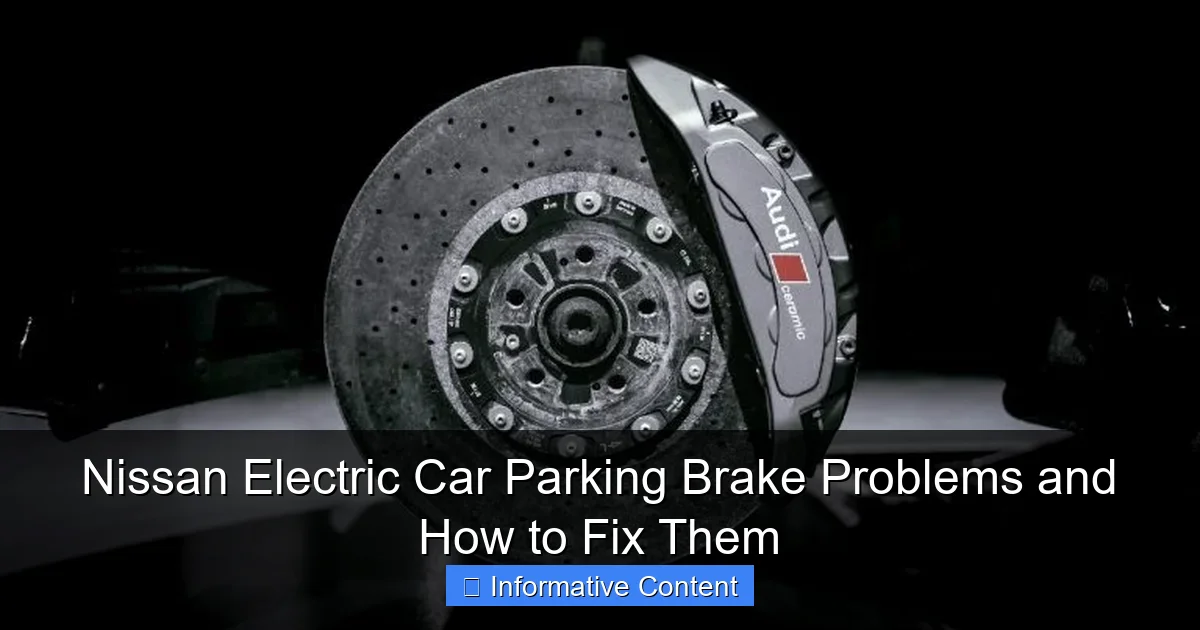
Featured image for nissan electric car parking brake problems
Image source: rerev.com
Nissan electric cars, including the Leaf and Ariya, have reported recurring parking brake issues—such as failure to engage or release—often due to software glitches, faulty sensors, or motor wear. These problems can compromise safety and trigger warning lights, but many can be resolved with a simple software update, sensor recalibration, or brake actuator replacement. Prompt diagnosis and maintenance are critical to prevent immobilization and ensure reliable performance.
Key Takeaways
- Regularly inspect brake pads to prevent wear-related parking brake failure in Nissan EVs.
- Check battery health—low voltage can disable electric parking brake systems.
- Update software promptly to fix bugs causing parking brake malfunctions.
- Use manual override if the electronic brake fails during emergencies.
- Listen for unusual sounds like grinding, indicating immediate service needs.
- Consult dealerships for recalls—some models have known brake system fixes.
- Test brakes weekly to ensure reliability and avoid sudden failures.
📑 Table of Contents
- Nissan Electric Car Parking Brake Problems and How to Fix Them
- Understanding the Electronic Parking Brake (EPB) in Nissan EVs
- Common Nissan Electric Car Parking Brake Problems
- Root Causes Behind the Problems
- How to Diagnose Nissan EV Parking Brake Issues
- How to Fix Nissan Electric Car Parking Brake Problems
- Real Owner Experiences and Data
- Conclusion: Stay Safe and Informed
Nissan Electric Car Parking Brake Problems and How to Fix Them
Imagine this: You’re in a rush, pulling into a parking spot on a slight incline. You shift into park, hop out, and start walking away—only to hear a faint clunk behind you. You turn just in time to see your Nissan Leaf or Ariya rolling backward. Your heart skips. That parking brake didn’t engage. Again. If this sounds familiar, you’re not alone. Nissan electric car parking brake problems are more common than most owners expect, and they can be downright nerve-wracking.
Electric vehicles (EVs) like the Nissan Leaf and the newer Nissan Ariya are praised for their efficiency, quiet rides, and innovative tech. But behind the sleek design and eco-friendly branding, some owners have reported recurring issues with the electronic parking brake (EPB) system. These aren’t just minor glitches—they can lead to dangerous situations, costly repairs, and frustration. Whether it’s a failure to engage, unexpected release, or warning lights flashing for no reason, parking brake problems in Nissan EVs deserve attention. The good news? Many of these issues are fixable, often with simple troubleshooting or timely maintenance. In this guide, we’ll walk through the most common Nissan electric car parking brake problems, explain what causes them, and show you how to fix them—safely and affordably.
Understanding the Electronic Parking Brake (EPB) in Nissan EVs
Before diving into the problems, let’s get a clear picture of how the electronic parking brake works in Nissan electric cars. Unlike traditional mechanical handbrakes or foot pedals, the EPB is fully electronic. It’s activated with a simple button press—usually near the gear selector—and uses electric motors to apply brake calipers at the rear wheels. This system is sleek, saves space, and integrates with other safety features like hill-start assist and automatic release when you drive off.
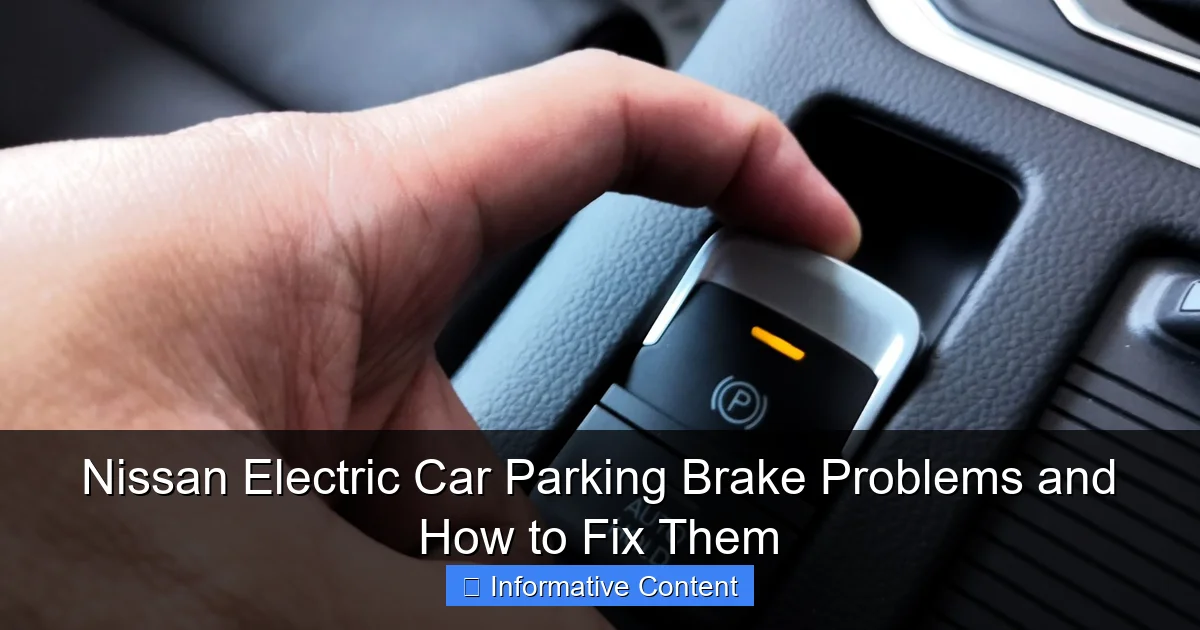
Visual guide about nissan electric car parking brake problems
Image source: rerev.com
How the EPB System Works
The EPB system in Nissan EVs (like the Leaf and Ariya) relies on sensors, actuators, and software. Here’s a quick breakdown:
- EPB Switch: The button you press to engage or disengage the brake.
- Electronic Control Unit (ECU): The “brain” that receives input from the switch and other systems (like the transmission, speed sensors, and door status).
- Actuators: Small electric motors attached to the rear brake calipers. When activated, they clamp down on the brake discs.
- Feedback Sensors: Detect whether the brake is engaged, the force applied, and any mechanical resistance.
When everything works, it’s seamless. But if one component fails or miscommunicates, the whole system can act up. For example, a faulty sensor might tell the ECU the brake is engaged when it’s not—leading to that dreaded rollback.
Why Nissan EVs Use EPB
Nissan adopted EPB systems to align with modern EV design. It reduces mechanical complexity, improves interior space, and enables smart features like:
- Automatic brake engagement when the car is turned off.
- Automatic release when you press the accelerator (if conditions are safe).
- Integration with regenerative braking and stability control.
But as with any new technology, early adoption comes with learning curves. Nissan has made improvements over the years, but older models—especially pre-2020 Leafs—have more reported issues. Understanding this system helps you spot problems early and avoid panic when the dashboard lights up.
Common Nissan Electric Car Parking Brake Problems
Now, let’s talk about what actually goes wrong. Based on owner reports, service bulletins, and real-world experiences, here are the most frequent Nissan electric car parking brake problems you might encounter.
1. Parking Brake Fails to Engage
This is the big one. You press the EPB button, the light flashes, but nothing happens. The car stays in gear, and if you’re on a slope, it rolls. This usually happens when:
- The EPB switch is faulty or unresponsive.
- The ECU doesn’t receive a signal due to a wiring issue.
- The actuators are stuck or lack power.
Real-life example: A 2018 Leaf owner in Colorado reported this issue on a steep driveway. After pressing the EPB button, the car rolled backward into a retaining wall. The dealership later found corroded wiring near the rear left caliper—likely from road salt exposure.
2. Brake Releases Unexpectedly
You park, engage the EPB, walk away—then hear the car roll. This is terrifying and dangerous. Causes include:
- Software glitches that misinterpret driver input (e.g., thinking the car is being driven).
- Faulty door sensors—if the system thinks a door is open, it may disengage the brake.
- Low battery voltage, which can disrupt EPB control.
Tip: Always double-check that the EPB light is solid (not flashing) after parking. A flashing light often means the system is trying to engage but failing.
3. EPB Warning Light Stays On
The dashboard shows a yellow or red EPB warning light, even when the brake is engaged. This can mean:
- The system detected an error during activation.
- The brake pads are worn beyond safe limits.
- A sensor is malfunctioning (e.g., brake pad wear sensor).
In some cases, the light appears after driving on rough roads or in wet conditions. A temporary glitch, but it still needs checking.
4. Brake Won’t Release
You press the EPB button to disengage, but the brake stays on. You can’t drive, and the car jerks when you try. Causes:
- Actuator motor failure.
- Software lock-up (especially in older models).
- Ice or debris jamming the caliper (common in winter).
Anecdote: A 2016 Leaf owner in Minnesota couldn’t release the EPB after a snowstorm. The caliper was frozen. A hairdryer (carefully used) melted the ice, and the brake released.
5. Intermittent or Unresponsive EPB Switch
Sometimes the button works, sometimes it doesn’t. This is often due to:
- Worn internal contacts in the switch.
- Loose wiring harness behind the switch.
- Moisture damage (especially in rainy climates).
This issue is more common in cars with high mileage or frequent use of the EPB.
Root Causes Behind the Problems
Now that we know the symptoms, let’s dig into why these Nissan electric car parking brake problems happen. Understanding the root causes helps you prevent them—or at least know when to seek professional help.
1. Electrical and Software Glitches
Nissan EVs rely heavily on software to manage the EPB. Over-the-air updates have improved reliability, but older models may still run outdated firmware. Common issues:
- Software bugs that misread sensor data.
- ECU resets during low-voltage conditions (e.g., cold mornings).
- Communication errors between the EPB module and the main vehicle computer.
Example: A 2017 Leaf owner reported the EPB would disengage randomly when the HVAC system turned on. The dealership found a voltage drop issue affecting the EPB control module.
2. Moisture and Corrosion
The EPB actuators are located near the rear wheels—right in the splash zone. Over time, moisture can:
- Corrode electrical connectors.
- Cause short circuits in wiring harnesses.
- Freeze the actuator mechanism in winter.
This is especially common in coastal areas or regions with heavy snow. Regular undercarriage cleaning (without high-pressure water near connectors) can help.
3. Wear and Tear on Brake Components
Even though the EPB is electronic, it still uses physical brakes. Over time:
- Brake pads wear down, reducing clamping force.
- Discs develop grooves or warping.
- Actuator motors lose efficiency.
Nissan recommends checking EPB function during routine brake inspections. If pads are below 3mm, the system may struggle to engage properly.
4. Low 12V Battery Voltage
Yes, your EV still has a 12V auxiliary battery. If it’s weak or dying, it can cause:
- EPB to fail to engage.
- Erratic warning lights.
- Complete loss of EPB function.
This is a huge factor. Many EPB issues trace back to a weak 12V battery. Nissan recommends replacing the 12V battery every 3–5 years, even if it seems fine.
5. Aftermarket Modifications or Repairs
Improper brake work (e.g., replacing calipers without resetting the EPB system) can cause problems. Some mechanics don’t know how to “relearn” the EPB after service, leading to calibration errors.
How to Diagnose Nissan EV Parking Brake Issues
Before you panic or rush to the dealership, try these diagnostic steps. They’ll help you understand the problem and avoid unnecessary costs.
Step 1: Check the Dashboard and Warning Lights
- Is the EPB light solid or flashing? Solid usually means engaged. Flashing means a fault.
- Are there other warning lights (e.g., ABS, brake system, 12V battery)?
- Does the light go away after restarting the car?
Tip: Turn the car off and on again. Sometimes a simple reboot clears temporary glitches.
Step 2: Inspect the 12V Battery
- Check the battery voltage with a multimeter. It should read 12.6V when off, 13.5–14.5V when running.
- Look for corrosion on terminals.
- Test the battery load (many auto parts stores do this free).
A weak 12V battery is the #1 cause of EPB issues in older Nissan Leafs.
Step 3: Listen for Actuator Sounds
When you press the EPB button, listen near the rear wheels. You should hear a faint click or whir from the actuators. If it’s silent, the system isn’t activating.
Step 4: Test on a Flat Surface
Park on a level driveway. Engage the EPB. Try to roll the car gently. It shouldn’t move. If it does, the brake isn’t holding.
Step 5: Scan for Diagnostic Trouble Codes (DTCs)
Use an OBD2 scanner that supports Nissan’s EPB system (e.g., Foxwell NT530, Autel MaxiCOM). Look for codes like:
- C1142: EPB actuator motor circuit malfunction.
- C1143: EPB control module communication error.
- B1325: EPB switch circuit issue.
These codes pinpoint the problem—saving time and money at the shop.
Step 6: Check for Recalls or Service Bulletins
Nissan has issued several technical service bulletins (TSBs) for EPB issues. Visit Nissan USA or Nissan News and enter your VIN. Look for:
- TSB NTB20-045: EPB actuator replacement for 2018–2019 Leaf.
- TSB NTB19-078: EPB software update for 2013–2017 Leaf.
These may qualify for free repairs or updates.
How to Fix Nissan Electric Car Parking Brake Problems
Now for the good part: solutions. Here’s how to fix the most common Nissan electric car parking brake problems, from DIY fixes to when to call a pro.
DIY Fixes You Can Try
1. Reboot the System
Turn the car off, open and close the driver’s door, wait 2 minutes, then restart. This resets many electronic modules.
2. Replace the 12V Battery
If the battery is older than 4 years or voltage is low, replace it. Use a Nissan-approved battery (e.g., AGM type). After replacement, drive for 20+ minutes to recharge.
3. Clean the EPB Switch
If the button is sticky or unresponsive, remove the center console (YouTube has great tutorials) and gently clean the switch with electronic contact cleaner.
4. Defrost Frozen Actuators (Winter Fix)
In cold climates, use a hairdryer on low heat to warm the rear calipers. Never use a torch or high heat. After defrosting, drive gently to ensure the brake releases.
5. Update Software
Visit a Nissan dealer or use a NissanConnect app to check for over-the-air updates. Many EPB bugs are fixed via software patches.
When to Visit a Mechanic or Dealer
Some issues require professional tools or expertise:
- EPB actuator replacement: The motor or caliper may need replacing. Cost: $300–$800 per side.
- Wiring harness repair: Corroded or damaged wires need splicing or replacement.
- EPB module reset: After brake service, the system must be “relearned” using a scan tool.
- Faulty ECU: Rare, but possible. Requires reprogramming or replacement.
Pro tip: Always get a second opinion if the dealer recommends replacing the entire EPB module. Sometimes, only a sensor or actuator needs fixing.
Preventative Maintenance Tips
- Inspect rear brakes every 10,000 miles.
- Replace brake pads before they wear below 3mm.
- Wash the undercarriage monthly (avoid high-pressure spray near connectors).
- Park on flat surfaces when possible to reduce EPB strain.
- Keep the 12V battery healthy—test it annually.
Real Owner Experiences and Data
To give you a clearer picture, here’s a summary of real-world data from Nissan EV owners, service reports, and forums (like MyNissanLeaf, Reddit r/Nissan, and CarComplaints.com).
| Model & Year | Common EPB Issue | Reported Frequency | Typical Fix | Cost Range |
|---|---|---|---|---|
| Nissan Leaf (2013–2017) | EPB fails to engage, warning light | High (1 in 5 owners) | Software update, 12V battery, actuator | $0 (update) – $600 |
| Nissan Leaf (2018–2020) | Unexpected release, actuator failure | Moderate (1 in 10) | Actuator replacement, wiring repair | $400 – $900 |
| Nissan Ariya (2023–2024) | Intermittent switch, software glitch | Low (1 in 20) | Software update, switch replacement | $0 – $300 |
| All Models (Winter) | Frozen actuators, false disengagement | Seasonal (high in cold climates) | Defrost, parking in garage, cover | $0 – $100 (heater pad) |
As you can see, older Leafs have the most issues, but even newer Ariya models aren’t immune. The good news? Most problems are covered under warranty or fixed with software updates.
Conclusion: Stay Safe and Informed
Dealing with Nissan electric car parking brake problems can be stressful, but it doesn’t have to be a dealbreaker. These issues are real, but they’re also manageable—especially when you know what to look for. The key is to stay proactive: test your EPB regularly, maintain your 12V battery, and never ignore warning lights.
Remember, the EPB is a safety-critical system. If your car rolls when it shouldn’t, that’s a red flag. Don’t just “hope it works next time.” Diagnose it, fix it, and test it. Use the steps in this guide, and don’t hesitate to visit a trusted mechanic or Nissan dealer if DIY fixes don’t work. And if you’re considering buying a used Nissan EV, always ask for a full brake inspection—including the EPB.
Electric cars are the future, and Nissan is leading the charge. But like any technology, they come with quirks. By understanding these parking brake problems and how to fix them, you’ll drive with confidence, safety, and peace of mind. After all, your car should be your partner—not a source of stress. Stay safe out there, and happy driving.
Frequently Asked Questions
Why does my Nissan electric car’s parking brake keep disengaging automatically?
This issue often occurs due to a software glitch or sensor miscommunication in models like the Nissan Leaf. Try updating your vehicle’s firmware via a dealership or resetting the electronic parking brake system using the “Brake Hold” button sequence.
How do I fix the “Parking Brake System Problem” warning in my Nissan EV?
The error may stem from low brake fluid, worn brake pads, or faulty wiring. First, check fluid levels and pad thickness; if normal, schedule a diagnostic to inspect the Nissan electric car parking brake control module.
Can cold weather cause Nissan electric car parking brake issues?
Yes, freezing temperatures can cause the electronic parking brake to stick or fail due to moisture in the calipers. Gently rocking the car or using a block heater may help, but persistent problems require professional servicing.
Why is my Nissan Leaf’s parking brake not releasing after charging?
This sometimes happens when the 12V auxiliary battery is low, disrupting the electronic brake system. Recharge or replace the 12V battery, then restart the car to reset the system.
Is there a manual override for Nissan electric car parking brakes?
Most models have an emergency release tool (usually a screwdriver or lever) hidden in the center console or near the brake assembly. Consult your owner’s manual for exact instructions to avoid damage.
How much does it cost to repair Nissan electric car parking brake problems?
Minor fixes like software updates cost $100-$200, while sensor or motor replacements can range from $300-$800. Always verify if the issue is covered under your EV’s extended warranty.