Nissan Electric Car Prices Revealed Top Models Compared

Featured image for nissan electric car prices
Image source: lafreniereauto.com
Nissan electric car prices start at an affordable $27,400 for the base Leaf model, making it one of the most budget-friendly EVs in its class. Top-tier models like the Ariya reach up to $60,000 with extended range and premium features, offering strong competition to Tesla and Ford. With federal incentives and a range of trims, Nissan delivers compelling value across its all-electric lineup.
Key Takeaways
- Nissan Leaf starts under $30K: Most affordable EV with solid range for city driving.
- Ariya prices begin at $43K: Premium crossover offers up to 300 miles per charge.
- Federal tax credits apply: Save up to $7,500 on qualifying models and trims.
- Higher trims add tech luxuries: ProPILOT and premium audio boost value significantly.
- Leasing often cheaper than buying: Explore monthly options for lower upfront costs.
- Competitive with Tesla, Kia: Pricing aligns with rivals but check local incentives.
📑 Table of Contents
- The Electric Revolution: Why Nissan Is Leading the Charge
- Nissan Electric Car Lineup: An Overview of Current Models
- Breaking Down Nissan Electric Car Prices by Model and Trim
- Total Cost of Ownership: Beyond the Sticker Price
- Comparing Nissan Electric Cars to Competitors
- Future Outlook: Upcoming Nissan EVs and Price Predictions
- Conclusion: Making the Right Choice for Your Budget and Lifestyle
- Nissan Electric Car Price Comparison Table (2024)
The Electric Revolution: Why Nissan Is Leading the Charge
The automotive industry is undergoing one of its most transformative shifts in history, and at the heart of this revolution are electric vehicles (EVs). As global concerns over climate change, rising fuel costs, and urban pollution grow, more drivers are turning to sustainable alternatives. Among the pioneers in this space, Nissan stands out with a legacy of innovation and accessibility. Since launching the Nissan Leaf in 2010—the world’s first mass-market electric car—Nissan has consistently delivered affordable, reliable, and technologically advanced EVs that cater to a wide range of consumers.
Today, the demand for electric cars continues to surge, driven by government incentives, expanding charging infrastructure, and growing environmental awareness. With this shift, prospective buyers are increasingly asking: What are Nissan electric car prices? Whether you’re a first-time EV buyer or upgrading from a gasoline model, understanding the cost landscape is crucial. In this comprehensive guide, we’ll reveal the latest Nissan electric car prices across its top models, compare features, analyze value propositions, and help you determine which Nissan EV best fits your lifestyle and budget. From compact city commuters to versatile SUVs, Nissan offers a diverse lineup that balances affordability, performance, and cutting-edge technology.
Nissan Electric Car Lineup: An Overview of Current Models
Nissan has expanded its electric vehicle portfolio beyond the iconic Leaf to include a range of models designed for different needs and preferences. As of 2024, the Japanese automaker offers three primary electric vehicles: the Nissan Leaf, the Nissan ARIYA, and the Nissan e-POWER hybrid-electric variants (which, while not fully electric, represent Nissan’s broader electrification strategy). Each model brings unique strengths, from urban agility to long-range capability and family-friendly utility.

Visual guide about nissan electric car prices
Image source: img-s-msn-com.akamaized.net
The Nissan Leaf: The Pioneer of Affordable EVs
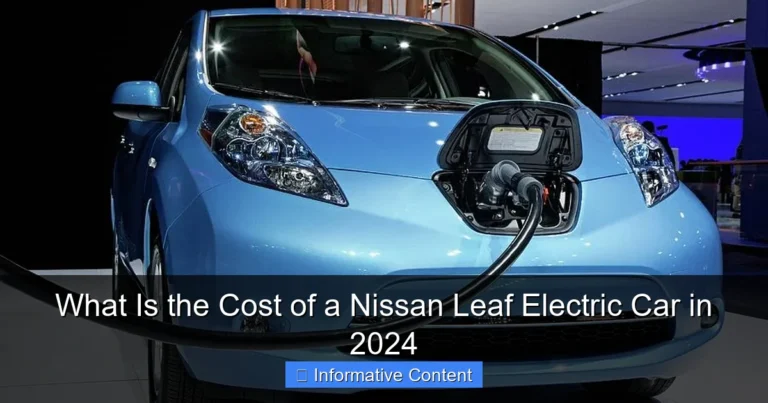
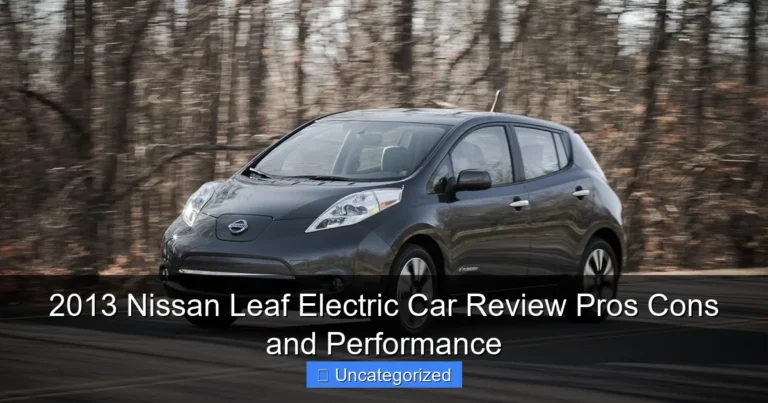
As the original mass-market EV, the Nissan Leaf remains a cornerstone of Nissan’s electric strategy. It comes in two main trims: the Leaf S and the Leaf SV Plus. The base Leaf S offers a 40 kWh battery with an EPA-estimated range of 149 miles, making it ideal for city driving and short commutes. The Leaf SV Plus, equipped with a larger 62 kWh battery, delivers up to 212 miles on a single charge—perfect for longer drives and weekend getaways.
What sets the Leaf apart is its affordability. With a starting price of around $28,000 (before federal tax credits), it’s one of the most budget-friendly new EVs on the market. The Leaf also benefits from a mature charging network, over a decade of real-world reliability data, and a proven track record of low maintenance costs. For drivers seeking an eco-friendly, no-frills EV, the Leaf is a compelling entry point.
The Nissan ARIYA: Nissan’s Flagship Electric Crossover
Stepping up in size, style, and technology is the Nissan ARIYA, Nissan’s first all-electric crossover SUV. Launched in 2022, the ARIYA combines sleek Scandinavian-inspired design with advanced driver-assistance systems and a premium interior. It’s available in multiple configurations: front-wheel drive (FWD), all-wheel drive (e-4ORCE), and various battery sizes (63 kWh and 87 kWh).
The ARIYA targets drivers who want a spacious, high-tech EV without sacrificing performance. With a starting price of approximately $39,000 for the base FWD model, it competes directly with the Tesla Model Y and Ford Mustang Mach-E. The top-tier ARIYA Platinum e-4ORCE AWD with the 87 kWh battery can reach up to 304 miles of range and starts around $55,000, offering luxury-level comfort and cutting-edge tech like ProPILOT Assist 2.0.
Nissan e-POWER: A Unique Hybrid-Electric Approach
While not a full battery-electric vehicle (BEV), Nissan’s e-POWER technology deserves mention as part of its electrification strategy. Available on models like the Nissan Note and Nissan Kicks (in select international markets), e-POWER uses a gasoline engine solely to generate electricity, which powers an electric motor. This results in a driving experience similar to a BEV—smooth, quiet, and responsive—without the need for plug-in charging.
Though not available in the U.S. as of 2024, e-POWER vehicles are popular in Japan and Europe, with prices ranging from $22,000 to $28,000. This hybrid-electric model appeals to drivers hesitant about full EV ownership due to charging infrastructure concerns, offering a transitional step toward full electrification.
Breaking Down Nissan Electric Car Prices by Model and Trim
Understanding Nissan electric car prices requires a granular look at trim levels, available options, and regional variations. Prices can vary significantly based on battery capacity, drivetrain, and added features. Below, we break down the current U.S. pricing structure (as of Q2 2024) for Nissan’s electric models, including MSRP, available incentives, and real-world cost considerations.
2024 Nissan Leaf Pricing and Trim Comparison
The 2024 Nissan Leaf lineup includes three main trims:
- Leaf S (40 kWh): Starting at $28,140. Includes 17-inch steel wheels, 8-inch touchscreen, Apple CarPlay/Android Auto, and Nissan Safety Shield 360 (automatic emergency braking, blind-spot monitoring, etc.).
- Leaf SV (40 kWh): Starting at $30,140. Adds 17-inch alloy wheels, heated front seats, leather-wrapped steering wheel, and ProPILOT Assist (adaptive cruise control and lane-centering).
- Leaf SV Plus (62 kWh): Starting at $36,190. Features the larger battery (212-mile range), 17-inch alloy wheels, LED headlights, and upgraded infotainment.
- Leaf SL Plus (62 kWh): Starting at $39,190. Includes premium Bose audio, panoramic moonroof, and advanced driver aids.
Note: The Leaf is eligible for a $7,500 federal tax credit if purchased new and not leased. Some states (e.g., California, Colorado) offer additional rebates up to $2,500.
2024 Nissan ARIYA Pricing and Configuration Options
The ARIYA is available in six trims, with prices varying by drivetrain and battery:
- ARIYA Engage FWD (63 kWh): Starting at $39,550. 216-mile range, 19-inch wheels, 12.3-inch touchscreen, and ProPILOT Assist.
- ARIYA Venture+ FWD (87 kWh): Starting at $43,190. 304-mile range, enhanced infotainment, and panoramic roof.
- ARIYA Evolve+ FWD (87 kWh): Starting at $47,690. Adds leather seats, heated steering wheel, and wireless phone charging.
- ARIYA Empower+ FWD (87 kWh): Starting at $49,190. Includes hands-free liftgate, premium audio, and 360-degree camera.
- ARIYA Premiere e-4ORCE AWD (87 kWh): Starting at $52,990. Dual motors (389 hp), 272-mile range, and advanced AWD traction.
- ARIYA Platinum e-4ORCE AWD (87 kWh): Starting at $55,990. Top-tier trim with massaging seats, head-up display, and ProPILOT Assist 2.0.
Federal tax credit eligibility: The ARIYA currently qualifies for a $7,500 credit if purchased (not leased) and assembled in North America. However, due to battery sourcing requirements under the Inflation Reduction Act, some ARIYA trims may not qualify—check with your dealer.
Regional Price Variations and Dealer Markups
It’s important to note that Nissan electric car prices can vary by region due to state taxes, registration fees, and dealer add-ons. For example:
- In California, the Leaf S may cost $29,500 after sales tax and registration, but buyers can apply for a $2,000 Clean Vehicle Rebate.
- In Texas, where EV adoption is growing, some dealers may include free Level 2 home charger installation with ARIYA purchases, effectively reducing the total cost.
- Dealers in high-demand areas may add “market adjustment” fees of $1,000–$3,000, especially for the ARIYA. Always negotiate and request an out-the-door price quote.
Tip: Use online tools like Nissan’s official configurator, CarGurus, or Edmunds to compare prices across dealerships in your area. Request quotes from at least three dealers to ensure you’re getting the best deal.
Total Cost of Ownership: Beyond the Sticker Price
While Nissan electric car prices are competitive, the true value of an EV lies in its total cost of ownership (TCO). Unlike gasoline vehicles, EVs offer significant savings in fuel, maintenance, and insurance over time. Let’s explore how Nissan EVs stack up in real-world cost efficiency.
Fuel and Charging Costs: How Much Do You Really Save?
The average U.S. driver travels about 13,500 miles per year. At $3.50 per gallon and 25 mpg, a gasoline car would cost $1,890 annually in fuel. In contrast, charging a Nissan Leaf (149-mile range) at the national average electricity rate of $0.15/kWh would cost just $630 per year (assuming 3.5 miles per kWh). That’s a savings of over $1,200 annually.
For the ARIYA with 304-mile range, annual charging costs rise to about $850, still nearly $1,000 less than a comparable gasoline SUV. If you charge at home using off-peak rates (as low as $0.08/kWh), your savings increase further.
Pro Tip: Install a Level 2 home charger (240V) for faster charging. A $700–$1,200 installation can pay for itself in 1–2 years through convenience and time savings.
Maintenance and Repair: Lower Long-Term Costs
EVs have fewer moving parts than internal combustion engine (ICE) vehicles, resulting in lower maintenance costs:
- No oil changes: EVs don’t require engine oil or filter replacements.
- Fewer brake replacements: Regenerative braking reduces wear on brake pads.
- No exhaust or transmission systems: Eliminates costly repairs like catalytic converter replacement.
According to Consumer Reports, EV owners spend about 50% less on maintenance over the first 5 years compared to gasoline cars. Nissan offers a 5-year/60,000-mile bumper-to-bumper warranty and an 8-year/100,000-mile battery warranty, providing peace of mind.
Insurance and Depreciation Considerations
While EVs can be more expensive to insure due to higher repair costs for advanced tech, Nissan models tend to have moderate insurance premiums. The Leaf, for example, averages $1,400–$1,600 annually for full coverage, comparable to a Honda Civic.
Depreciation is another factor. Historically, EVs depreciated faster than gasoline cars, but this trend is changing. The Nissan Leaf holds about 45–50% of its value after 3 years, while the ARIYA, as a newer model, is seeing stronger resale values (around 55%). As battery tech improves and range anxiety diminishes, EV depreciation is stabilizing.
Comparing Nissan Electric Cars to Competitors
To understand where Nissan fits in the EV market, it’s essential to compare its models against key competitors. Let’s examine how the Leaf and ARIYA stack up against popular alternatives in terms of price, range, features, and value.
Nissan Leaf vs. Chevrolet Bolt EV/EUV
The Chevrolet Bolt EV (discontinued in 2023 but still available used) and Bolt EUV were strong competitors to the Leaf, offering 259-mile and 247-mile ranges, respectively, at similar price points (~$27,000–$35,000). However, the Bolt’s recall issues (battery fire risk) impacted consumer confidence. The Leaf, with its proven reliability and longer warranty, offers better peace of mind. Additionally, the Leaf’s ProPILOT Assist system is more advanced than the Bolt’s basic adaptive cruise control.
Nissan ARIYA vs. Tesla Model Y
The Tesla Model Y starts at $43,990 (Long Range RWD) and offers 330 miles of range, beating the ARIYA’s 304-mile max. However, the ARIYA offers a more traditional interior layout, better build quality, and a larger infotainment screen (12.3 inches vs. 15 inches, but more intuitive UI). The ARIYA also includes ProPILOT Assist 2.0, which allows hands-free driving on highways—a feature Tesla charges extra for (FSD at $12,000).
While the Model Y has faster charging speeds (250 kW vs. ARIYA’s 130 kW), the ARIYA’s e-4ORCE AWD system provides superior traction in snow and rain, making it a better choice for drivers in harsh climates.
Nissan ARIYA vs. Ford Mustang Mach-E
The Ford Mustang Mach-E starts at $42,895 and offers up to 314 miles of range. It has a sportier design and more aggressive driving dynamics. However, the ARIYA counters with a quieter cabin, softer ride quality, and more luxurious interior materials. The ARIYA also includes more standard safety features, such as rear automatic braking and driver attention monitoring.
For families, the ARIYA’s larger rear legroom (38.5 inches vs. 37.2 inches in the Mach-E) and hands-free liftgate (on higher trims) make it more practical for daily use.
Future Outlook: Upcoming Nissan EVs and Price Predictions
Nissan is not resting on its laurels. The company has announced an ambitious “Nissan Ambition 2030” plan, aiming to launch 23 new electrified models by 2030, including 15 fully electric vehicles. This signals a major expansion of its EV lineup, with new models expected to target segments like pickup trucks, minivans, and performance EVs.
Upcoming Models: What’s on the Horizon?
- Nissan Max-Out (Concept): A futuristic roadster showcasing Nissan’s next-gen EV design language. Expected to enter production by 2026 with a price range of $45,000–$60,000.
- Nissan Compact EV (2025): A sub-$25,000 city car targeting urban commuters. Likely to use a smaller 30–40 kWh battery with 150–180 miles of range.
- Nissan Electric Pickup (2026): A midsize EV truck to compete with the Ford F-150 Lightning and Chevrolet Silverado EV. Projected starting price: $40,000.
Price Trends: Will Nissan EVs Get Cheaper?
As battery costs decline (down 89% since 2010), Nissan is expected to reduce prices on future EVs. The company plans to achieve battery cost parity with ICE vehicles by 2028, which could lead to 10–20% price reductions across the lineup. Additionally, increased U.S. battery production (via partnerships with Envision AESC) will help Nissan qualify for full federal tax credits, making EVs even more affordable.
Tip: If you’re not in a rush, consider waiting for the 2025–2026 model years, when new Nissan EVs with improved range, faster charging, and lower prices are expected to hit the market.
Conclusion: Making the Right Choice for Your Budget and Lifestyle
When it comes to Nissan electric car prices, there’s never been a better time to go electric. Whether you’re drawn to the affordable and reliable Nissan Leaf or the luxurious, tech-packed ARIYA, Nissan offers a compelling blend of value, innovation, and sustainability. With starting prices as low as $28,000 and federal incentives cutting costs further, owning a Nissan EV is more accessible than ever.
Beyond the sticker price, Nissan EVs deliver long-term savings through lower fuel and maintenance costs, strong warranty coverage, and increasing resale value. When compared to competitors, Nissan models stand out for their intuitive technology, comfortable interiors, and real-world reliability. And with exciting new models on the horizon, Nissan is poised to remain a leader in the electric revolution.
Before making a decision, consider your daily driving needs, charging access, and budget. Test drive both the Leaf and ARIYA to experience their differences firsthand. Use online configurators, request dealer quotes, and explore financing options. With the right research, you can find a Nissan EV that not only fits your wallet but also aligns with your values and lifestyle.
The future is electric—and with Nissan, that future is already here.
Nissan Electric Car Price Comparison Table (2024)
| Model | Trim | Starting MSRP | Battery (kWh) | Range (miles) | Tax Credit Eligible? |
|---|---|---|---|---|---|
| Nissan Leaf | S (40 kWh) | $28,140 | 40 | 149 | Yes ($7,500) |
| Nissan Leaf | SV Plus (62 kWh) | $36,190 | 62 | 212 | Yes ($7,500) |
| Nissan ARIYA | Engage FWD (63 kWh) | $39,550 | 63 | 216 | Yes (varies by trim) |
| Nissan ARIYA | Venture+ FWD (87 kWh) | $43,190 | 87 | 304 | Yes (varies by trim) |
| Nissan ARIYA | Platinum e-4ORCE AWD | $55,990 | 87 | 272 | Yes (varies by trim) |
Frequently Asked Questions
What are the starting prices for Nissan electric car models in 2024?
The 2024 Nissan Leaf starts at $28,040 (S trim), while the longer-range Leaf SV Plus begins at $36,040. These Nissan electric car prices make them among the most affordable new EVs in North America.
How does the Nissan Ariya price compare to the Leaf?
The Nissan Ariya crossover SUV starts at $43,190 (Engage trim), offering AWD capability and 304-mile range. This positions it as a premium alternative to the Leaf, with prices reflecting its larger battery and upscale features.
Are there tax credits available for Nissan electric car prices?
Yes, the 2024 Nissan Leaf qualifies for the full $7,500 federal tax credit, effectively reducing its starting price to $20,540. The Ariya currently doesn’t meet battery component requirements for the credit.
What’s the price difference between Leaf trims with different battery sizes?
The standard 40kWh Leaf S ($28,040) has 149 miles of range, while the 60kWh SV Plus ($36,040) offers 212 miles. This $8,000 difference primarily covers the larger battery and added convenience features.
How do Nissan electric car prices compare to competitors like Tesla and Hyundai?
Nissan’s Leaf remains $7,000-$10,000 cheaper than the Tesla Model 3, while the Ariya competes closely with the Hyundai Ioniq 5 ($41,650+). Nissan’s value proposition includes standard safety tech and lower entry costs.
Do dealerships offer additional discounts on Nissan EV pricing?
Many dealers provide $1,000-$3,000 in additional incentives on Leafs, especially for lease deals or demo models. Always negotiate as Nissan electric car prices often have room for dealer discounts beyond MSRP.