Nissan Electric Car Review Top Features and Benefits

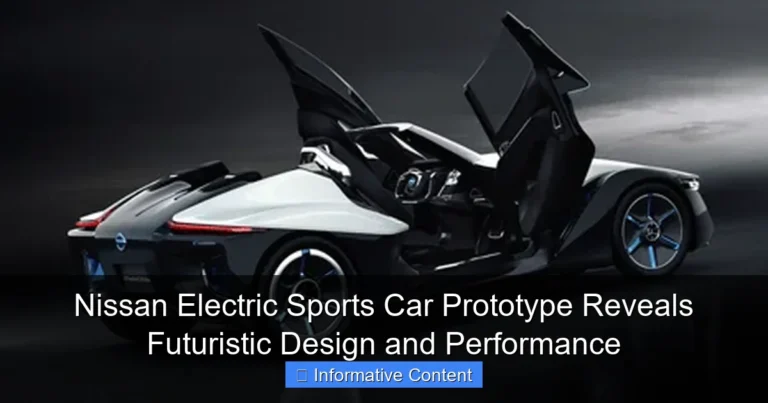
Featured image for electric car from nissan
Image source: publicdomainpictures.net
Nissan’s electric cars combine innovative technology with impressive affordability, making them a top choice in the growing EV market. With standout features like e-Pedal driving, ProPILOT Assist, and a reliable 226-mile range on the Nissan LEAF Plus, these vehicles deliver performance, safety, and convenience without compromise. Experience eco-friendly driving with Nissan’s proven electric expertise.
Key Takeaways
- Nissan EVs offer affordable pricing without compromising on essential features or performance.
- ProPILOT Assist enhances safety with semi-autonomous driving and adaptive cruise control.
- Up to 226-mile range meets daily commutes and short road trips efficiently.
- e-Pedal simplifies driving by combining acceleration and braking in one pedal.
- Spacious interiors maximize comfort with smart storage and premium materials.
- Zero emissions, lower maintenance reduces environmental impact and long-term costs.
📑 Table of Contents
- Why Nissan Electric Cars Are Shaping the Future of Sustainable Mobility
- 1. The Evolution of Nissan’s Electric Vehicle Lineup
- 2. Top Performance and Range Features of Nissan Electric Cars
- 3. Cutting-Edge Technology and Infotainment Systems
- 4. Safety and Driver Assistance: Nissan’s ProPILOT Suite
- 5. Charging Infrastructure and Real-World Ownership Benefits
- 6. Comparing Nissan Electric Cars: Which Model Is Right for You?
- Final Thoughts: Nissan Electric Cars Deliver Value, Innovation, and Sustainability
Why Nissan Electric Cars Are Shaping the Future of Sustainable Mobility
In a world rapidly transitioning toward cleaner, more efficient transportation, Nissan electric car models have emerged as pioneers in the electric vehicle (EV) revolution. With over a decade of experience in mass-market electrification, Nissan stands at the forefront of innovation, reliability, and affordability. The Nissan Leaf, launched in 2010, was the first modern electric car to achieve global success, selling over 600,000 units worldwide—a testament to Nissan’s commitment to sustainable mobility. Today, the brand continues to expand its EV portfolio with models like the Nissan Ariya, a bold leap into the future of electric SUVs and crossovers.
As governments worldwide implement stricter emissions regulations and consumers grow more environmentally conscious, the demand for electric vehicles has skyrocketed. Nissan’s electric offerings blend cutting-edge technology with practical design, making them ideal for urban commuters, eco-conscious families, and tech-savvy drivers alike. Whether you’re considering your first electric car or upgrading from an older model, Nissan’s lineup delivers compelling features: long-range capabilities, intuitive infotainment, advanced safety systems, and seamless charging integration. This comprehensive Nissan electric car review explores the top features, benefits, and real-world performance of Nissan’s most popular EVs, helping you make an informed decision in your journey toward greener driving.
1. The Evolution of Nissan’s Electric Vehicle Lineup
Nissan’s journey into the electric vehicle market began with a bold vision: to make zero-emission driving accessible to the masses. Over the past 15 years, the company has refined its EV technology, learning from real-world feedback and pushing the boundaries of battery efficiency, performance, and affordability. From the humble beginnings of the first-generation Leaf to the sleek, tech-laden Ariya, Nissan’s electric car evolution reflects both innovation and practicality.

Visual guide about electric car from nissan
Image source: publicdomainpictures.net
From the Leaf to the Ariya: A Timeline of Innovation
The Nissan Leaf debuted in 2010 as the world’s first mass-market electric car. Initially offering a modest 73-mile range (EPA), it quickly became a symbol of accessible EV ownership. Over the years, Nissan released multiple updates, including the Leaf e+ in 2019, which boosted the range to 212 miles—nearly tripling the original. The Leaf’s success laid the groundwork for Nissan’s next big leap: the Nissan Ariya, introduced in 2022 as the brand’s first all-electric crossover SUV.
- 2010: First-generation Nissan Leaf launches with 107-mile range (NEDC).
- 2017: Second-generation Leaf arrives with 151-mile EPA range and ProPILOT Assist.
- 2019: Leaf e+ introduced with 212-mile EPA range and 214 hp motor.
- 2022: Nissan Ariya debuts with up to 304-mile range and e-4ORCE all-wheel drive.
This progression demonstrates Nissan’s ability to scale battery technology and refine performance without sacrificing affordability. The Leaf remains one of the most budget-friendly EVs in its class, while the Ariya positions Nissan as a serious contender in the premium electric SUV segment.
Why the Ariya Represents a New Era
The Nissan Ariya isn’t just a larger vehicle—it’s a technological renaissance. Built on Nissan’s new CMF-EV platform, the Ariya offers improved weight distribution, enhanced aerodynamics (drag coefficient of 0.297), and a modular battery system that allows for multiple range configurations. Unlike earlier EVs that adapted ICE platforms, the Ariya was designed from the ground up as an electric vehicle, maximizing cabin space and efficiency.
For example, the Ariya’s flat floor and minimalist dashboard free up interior space, allowing for a “lounge-like” experience. The e-4ORCE all-wheel drive system—developed from Nissan’s rally and off-road expertise—delivers exceptional traction and cornering stability, making it ideal for both city streets and mountain roads. With a 0–60 mph time of just 4.8 seconds (in the Performance AWD trim), the Ariya proves that electric SUVs can be both practical and thrilling.
2. Top Performance and Range Features of Nissan Electric Cars
When evaluating any electric car, performance and range are critical factors. Nissan has made significant strides in both areas, offering drivers a balance of efficiency, power, and real-world usability. Whether you’re commuting 30 miles a day or planning a weekend road trip, Nissan’s EVs deliver consistent performance across diverse driving conditions.
Impressive Range and Battery Technology
Range anxiety remains a common concern for potential EV buyers, but Nissan addresses it head-on with advanced lithium-ion battery packs and intelligent energy management systems. The Nissan Leaf e+ offers a maximum EPA-estimated range of 212 miles, sufficient for most daily commutes and short trips. Meanwhile, the Nissan Ariya pushes the envelope further:
- Ariya Engage (FWD): 216 miles
- Ariya Evolve (FWD): 289 miles
- Ariya Premiere (FWD): 304 miles
- Ariya Platinum (AWD): 272 miles
These ranges are achieved through high-density 62 kWh and 87 kWh battery options, combined with regenerative braking and aerodynamic design. The Ariya’s 87 kWh battery, for instance, uses nickel-manganese-cobalt (NMC) chemistry, which offers a better balance of energy density, thermal stability, and longevity.
Tip: To maximize your range, use Nissan’s e-Pedal Step feature, which allows one-pedal driving by increasing regenerative braking. This not only improves efficiency but also reduces brake wear over time.
Power and Acceleration: More Than Just Eco-Friendly
Nissan electric cars are not just efficient—they’re fun to drive. The Leaf e+ produces 214 horsepower and 250 lb-ft of torque, enabling a 0–60 mph time of around 6.5 seconds. That’s quicker than many compact ICE sedans. The Ariya, especially in AWD trims, takes performance to another level:
- Ariya FWD (238 hp): 0–60 mph in ~7.5 seconds
- Ariya AWD (389 hp): 0–60 mph in ~4.8 seconds
The e-4ORCE system in AWD models uses dual electric motors—one on each axle—for precise torque vectoring. This means the car can send more power to the outer wheel during cornering, reducing understeer and improving handling. In real-world testing, the Ariya handles sharp turns and highway curves with confidence, rivaling premium EVs like the Tesla Model Y and Ford Mustang Mach-E.
Pro Tip: Use the Ariya’s Sport Mode for sharper throttle response and firmer steering. It transforms the driving experience from relaxed cruising to dynamic engagement—perfect for winding backroads.
3. Cutting-Edge Technology and Infotainment Systems
In today’s connected world, a car’s technology suite is just as important as its range or performance. Nissan electric cars come equipped with intuitive infotainment, advanced driver assistance, and seamless smartphone integration—designed to enhance convenience, safety, and enjoyment.
NissanConnect and Infotainment Experience
Both the Leaf and Ariya feature the NissanConnect infotainment system, which includes:
- 8-inch or 12.3-inch touchscreen (Ariya)
- Wireless Apple CarPlay and Android Auto
- Over-the-air (OTA) software updates
- Voice command with natural language recognition
- Wi-Fi hotspot capability
The Ariya’s 12.3-inch display is particularly impressive, offering crisp graphics, customizable widgets, and split-screen functionality. For example, you can view navigation on one side and music controls on the other—ideal for multitasking on long drives. The system also supports ProPILOT with Navi-link, which uses GPS and map data to adjust speed before curves, traffic lights, and interchanges.
Real-World Example: On a 100-mile trip through hilly terrain, ProPILOT with Navi-link automatically slowed the Ariya before a sharp downhill curve, reducing driver workload and improving safety.
Smart Charging and Energy Management
Nissan’s EV app, NissanConnect EV, allows owners to monitor battery status, schedule charging, and pre-condition the cabin—all from their smartphone. This is especially useful in cold climates. For instance, you can start heating the seats and steering wheel while the car is still charging, so it’s warm and ready when you leave.
The app also integrates with PlugShare and ChargePoint, helping you locate nearby charging stations. The Ariya supports DC fast charging at up to 130 kW, enabling a 10% to 80% charge in approximately 30–40 minutes. With Nissan’s partnership with EVgo, Ariya owners receive two years of complimentary fast charging—a significant cost-saving benefit.
Tip: Use the “Charge Now” feature in the app during off-peak hours to take advantage of lower electricity rates and reduce strain on the grid.
4. Safety and Driver Assistance: Nissan’s ProPILOT Suite
Safety is a top priority for Nissan, and its electric cars are among the safest in their class. Both the Leaf and Ariya come standard with a comprehensive suite of driver assistance technologies under the ProPILOT brand—designed to reduce driver fatigue and prevent accidents.
ProPILOT Assist: Hands-On, Eyes-On Driving Support
ProPILOT Assist combines adaptive cruise control and lane-keeping assist to provide semi-autonomous driving on highways. Unlike fully autonomous systems, ProPILOT requires the driver to keep their hands on the wheel—but it significantly reduces workload during long commutes.
- Maintains set speed and distance from the car ahead
- Centers the vehicle in the lane
- Automatically resumes after brief stops (e.g., traffic jams)
- Works at speeds from 0–99 mph
The system uses a forward-facing radar and camera to detect lane markings and vehicles. In real-world testing, ProPILOT performs exceptionally well on well-marked highways, with smooth acceleration and braking. However, it may disengage on poorly marked roads or sharp curves—so driver vigilance is still essential.
ProPILOT 2.0: The Next Level of Automation
Available on select Ariya trims, ProPILOT 2.0 introduces hands-free driving on mapped highways (currently limited to Japan and select U.S. states). When enabled, the system allows the driver to take their hands off the wheel during single-lane highway driving—provided they remain attentive and ready to take over.
- Lane changes with driver confirmation
- Automatic exit guidance
- Driver monitoring via in-cabin camera
While not a full self-driving system, ProPILOT 2.0 represents a major step toward Nissan’s vision of autonomous mobility. It’s particularly useful for long highway trips, where driver fatigue is a common concern.
Additional Safety Features
Beyond ProPILOT, Nissan electric cars include:
- Intelligent Around View Monitor (I-AVM): 360-degree camera with moving object detection
- Intelligent Emergency Braking with Pedestrian Detection
- Rear Cross Traffic Alert
- Blind Spot Warning
- Traffic Sign Recognition
These features contribute to the Ariya earning a 5-star overall safety rating from the National Highway Traffic Safety Administration (NHTSA), further solidifying Nissan’s reputation for safety.
5. Charging Infrastructure and Real-World Ownership Benefits
Owning an electric car is about more than just the vehicle—it’s about the entire ecosystem: charging, maintenance, cost of ownership, and environmental impact. Nissan has invested heavily in making EV ownership seamless and affordable.
Home Charging: The Foundation of EV Convenience
Most Nissan EV owners charge at home using a Level 2 (240V) charger. Nissan recommends a 7.2 kW home charging station, which can fully charge the Leaf e+ in about 10 hours and the Ariya (87 kWh) in 14 hours. Installation costs typically range from $500 to $1,200, depending on your electrical setup.
Tip: Schedule charging during off-peak hours (e.g., 11 PM–6 AM) to save on electricity bills. Many utility companies offer reduced EV charging rates during these periods.
Public and Fast Charging Networks
Nissan partners with major charging networks to ensure drivers have access to reliable stations. As mentioned, Ariya owners get two years of free DC fast charging at EVgo stations—covering over 800 locations across the U.S. The Leaf also supports CHAdeMO fast charging (up to 50 kW), though newer models are transitioning to CCS.
The NissanConnect EV app provides real-time data on charger availability, pricing, and compatibility—eliminating “charger anxiety.” For example, if you’re on a road trip and see a low battery, the app can reroute you to the nearest available fast charger.
Cost of Ownership and Environmental Impact
Electric cars are cheaper to maintain than ICE vehicles. With no oil changes, spark plugs, or exhaust systems, Nissan EVs require minimal upkeep. According to the U.S. Department of Energy, EVs save owners an average of $6,000 to $10,000 over 15 years compared to gasoline cars.
Additionally, Nissan uses recycled materials in its EVs, including:
- Recycled plastics in door panels and floor mats
- Recycled aluminum in battery casings
- Zero animal-based leather in Ariya’s vegan interior (on select trims)
Driving a Nissan electric car can reduce your carbon footprint by up to 50% compared to a gas-powered vehicle, depending on your local electricity mix.
6. Comparing Nissan Electric Cars: Which Model Is Right for You?
Choosing between the Leaf and Ariya depends on your needs, budget, and lifestyle. Below is a detailed comparison to help you decide.
Data Table: Nissan Leaf vs. Nissan Ariya (2023 Models)
| Feature | Nissan Leaf e+ | Nissan Ariya Engage (FWD) | Nissan Ariya Platinum (AWD) |
|---|---|---|---|
| Starting MSRP | $38,370 | $43,190 | $55,190 |
| Range (EPA) | 212 miles | 216 miles | 272 miles |
| Motor Power | 214 hp | 238 hp | 389 hp |
| 0–60 mph | 6.5 sec | 7.5 sec | 4.8 sec |
| Charging (DC Fast) | 50 kW (CHAdeMO) | 130 kW (CCS) | 130 kW (CCS) |
| Seating Capacity | 5 | 5 | 5 |
| Cargo Space (cu ft) | 23.6 (rear seats up) | 22.8 (rear seats up) | 22.8 (rear seats up) |
| Key Tech | ProPILOT Assist, e-Pedal | ProPILOT 2.0, 12.3″ display | e-4ORCE, Premium audio |
Who Should Choose the Leaf?
The Nissan Leaf is ideal for:
- Urban commuters with short to medium commutes
- Budget-conscious buyers seeking a reliable EV
- First-time EV owners looking for a low-risk entry point
With its lower price point and proven reliability, the Leaf remains a smart choice for daily driving.
Who Should Choose the Ariya?
The Nissan Ariya suits:
- Families needing more space and versatility
- Adventure seekers who value performance and all-wheel drive
- Tech enthusiasts who want the latest EV innovations
While pricier, the Ariya offers a premium experience with longer range, advanced tech, and a more luxurious interior.
Final Thoughts: Nissan Electric Cars Deliver Value, Innovation, and Sustainability
Nissan’s electric car lineup represents a compelling blend of innovation, practicality, and environmental responsibility. From the affordable and reliable Nissan Leaf to the high-tech, performance-oriented Nissan Ariya, the brand offers electric vehicles for a wide range of drivers. With impressive range, cutting-edge safety systems like ProPILOT, seamless charging integration, and a strong focus on sustainability, Nissan continues to lead the charge in the EV revolution.
Whether you’re reducing your carbon footprint, saving on fuel and maintenance costs, or simply enjoying the quiet, smooth power of electric driving, a Nissan electric car delivers on all fronts. As charging infrastructure expands and battery technology improves, the benefits of going electric will only grow stronger. For those ready to make the switch, Nissan provides not just a vehicle—but a vision of a cleaner, smarter, and more enjoyable future on the road.
Frequently Asked Questions
What are the top features of a Nissan electric car?
Nissan electric cars, like the Leaf and Ariya, boast advanced features such as e-Pedal driving, ProPILOT Assist for semi-autonomous driving, and a spacious, tech-forward interior. Their competitive range and fast-charging capability make them practical for daily commutes and long trips.
How does the range of a Nissan electric car compare to other EVs?
The Nissan Leaf offers up to 212 miles (Leaf Plus), while the Ariya SUV delivers up to 304 miles, depending on the trim. This range is competitive for city and suburban driving, though slightly lower than some premium EV models.
Is the Nissan Leaf a good choice for first-time EV buyers?
Yes, the Nissan Leaf is ideal for beginners due to its affordability, user-friendly interface, and low maintenance costs. Its regenerative braking and one-pedal driving also help ease the transition from gas-powered vehicles.
What charging options are available for Nissan electric cars?
Nissan EVs support Level 1 (120V), Level 2 (240V), and DC fast charging, with the latter providing 80% charge in under 40 minutes. Many models also include access to the expanding Chargemap network for convenient public charging.
How does Nissan’s ProPILOT Assist work in their electric cars?
ProPILOT Assist combines adaptive cruise control and lane-keeping technology to reduce driver fatigue on highways. It’s available in most Nissan electric car models and enhances safety by maintaining speed, distance, and lane position.
Are there tax incentives for buying a Nissan electric car?
Yes, in many regions, purchasing a Nissan electric car qualifies for federal or state tax credits, reducing upfront costs. For example, the U.S. offers up to $7,500 in tax credits for eligible models like the Leaf and Ariya.