Nissan Electric Car SUV The Future of Eco Friendly Driving
Featured image for nissan electric car suv
The Nissan electric car SUV lineup is redefining eco-friendly driving with cutting-edge technology, impressive range, and bold design. Models like the Ariya combine zero-emission performance with SUV versatility, offering up to 300 miles on a single charge and advanced driver-assist features. With Nissan’s commitment to sustainability and innovation, these electric SUVs are a smart, stylish step toward a greener future.
Key Takeaways
- Nissan’s e-4ORCE tech: Delivers smooth, powerful all-wheel drive performance in SUVs.
- Zero emissions: Drive guilt-free with Nissan’s fully electric SUV lineup.
- ProPILOT Assist: Advanced driver aids make long commutes safer and easier.
- Spacious interiors: Eco-friendly doesn’t mean cramped—enjoy roomy, premium cabins.
- Fast charging: Recharge up to 80% in under 40 minutes on DC fast chargers.
- Lower running costs: Save significantly on fuel and maintenance vs. gas SUVs.
📑 Table of Contents
- The Dawn of a New Era: Nissan Electric Car SUV Revolution
- Why Choose a Nissan Electric Car SUV? Key Advantages
- Spotlight on the Nissan Ariya: The Flagship Electric SUV
- Charging Infrastructure and Home Setup: A Practical Guide
- Comparing Nissan to Competitors: How It Stacks Up
- The Future of Nissan Electric SUVs: What’s Coming Next?
- Conclusion: Embrace the Electric Revolution with Nissan
The Dawn of a New Era: Nissan Electric Car SUV Revolution
The automotive world is undergoing a seismic shift, and at the heart of this transformation is the rise of the Nissan electric car SUV. As cities become more congested and environmental concerns grow, consumers are demanding vehicles that offer both practicality and sustainability. Nissan, a pioneer in electric mobility since the launch of the Leaf in 2010, is now taking bold steps into the future with its lineup of electric SUVs. These vehicles aren’t just about reducing emissions—they’re about redefining what it means to drive in the 21st century.
Imagine a vehicle that combines the spaciousness and versatility of an SUV with the whisper-quiet performance and zero-emission benefits of an electric drivetrain. That’s exactly what Nissan has delivered with models like the Ariya and upcoming electrified versions of popular crossovers. With sleek designs, advanced technology, and real-world usability, Nissan’s electric SUVs are poised to lead the charge in the eco-friendly driving revolution. Whether you’re a city dweller, a suburban parent, or an adventure seeker, there’s never been a better time to consider making the switch to electric—and Nissan is making that transition smoother than ever.
Why Choose a Nissan Electric Car SUV? Key Advantages
When it comes to selecting an electric SUV, Nissan stands out from the competition with a unique blend of innovation, reliability, and affordability. But what exactly makes the Nissan electric car SUV a compelling choice for modern drivers? Let’s explore the core advantages that set these vehicles apart in a crowded market.
Zero Emissions, Maximum Impact
One of the most significant benefits of driving a Nissan electric SUV is the environmental impact. Unlike traditional gasoline-powered SUVs, which emit harmful pollutants such as nitrogen oxides and carbon dioxide, Nissan’s electric models produce zero tailpipe emissions. According to the U.S. Environmental Protection Agency (EPA), switching from a gas-powered SUV (averaging 20 mpg) to an electric SUV like the Nissan Ariya can reduce annual greenhouse gas emissions by over 5,000 pounds. For a family driving 12,000 miles per year, that’s the equivalent of planting 60 trees annually.
Moreover, Nissan sources renewable energy for many of its manufacturing plants, further reducing the lifecycle carbon footprint of each vehicle. This holistic approach to sustainability ensures that every aspect of ownership—from production to daily driving—is as eco-friendly as possible.
Lower Operating and Maintenance Costs
Electric vehicles are inherently more efficient than internal combustion engine (ICE) vehicles. With fewer moving parts, no need for oil changes, and regenerative braking systems that extend brake life, the maintenance costs of a Nissan electric car SUV are significantly lower. A 2023 Consumer Reports study found that EV owners save an average of $6,000 in maintenance over the first five years compared to gas-powered SUVs.
Additionally, electricity is generally cheaper than gasoline. On average, it costs about $0.04–$0.06 per mile to drive an electric SUV, compared to $0.10–$0.15 per mile for a gas-powered SUV. For a 15,000-mile annual commute, that’s a savings of $900–$1,650 per year—money that can be reinvested in charging infrastructure or other eco-conscious upgrades.
Advanced Safety and Driver Assistance Features
Nissan doesn’t compromise on safety. Every Nissan electric SUV comes equipped with the Nissan Safety Shield 360, a suite of six advanced driver assistance systems (ADAS), including:
- Intelligent Emergency Braking with Pedestrian Detection
- Blind Spot Warning
- Rear Cross Traffic Alert
- Lane Departure Warning
- High Beam Assist
- Rear Automatic Braking
On higher trims, the ProPILOT Assist 2.0 system offers hands-off, eyes-on driving on mapped highways, making long commutes less stressful. This system uses radar, cameras, and GPS data to maintain lane position, adjust speed, and even change lanes with driver confirmation—perfect for reducing driver fatigue on road trips.
Spacious, Family-Friendly Interiors
Unlike some compact EVs, Nissan’s electric SUVs prioritize space and comfort. The Ariya, for example, offers up to 39.2 cubic feet of cargo space behind the rear seats and 65.7 cubic feet with the seats folded—comparable to the popular Nissan Rogue. With a flat floor thanks to the skateboard-style battery platform, rear-seat passengers enjoy more legroom and easier entry/exit.
Smart storage solutions, such as a large center console bin, under-floor storage, and a front trunk (frunk), make these vehicles ideal for families, pet owners, or anyone who needs to haul gear. The Ariya’s “Zero Gravity” seats, inspired by NASA research, reduce fatigue on long drives by distributing weight evenly across the body.
Spotlight on the Nissan Ariya: The Flagship Electric SUV
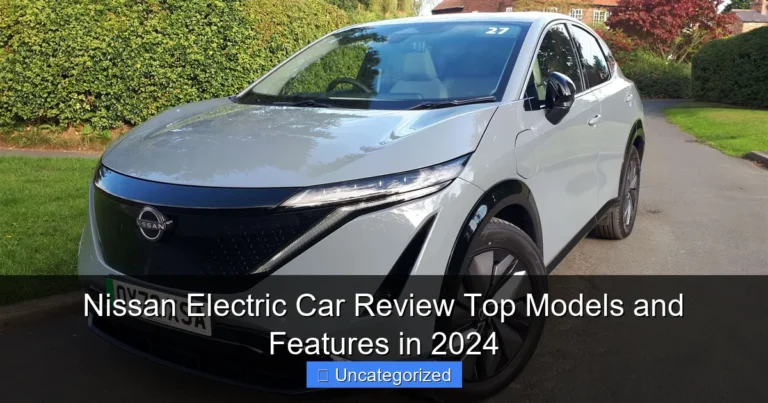
The Nissan Ariya is more than just another electric SUV—it’s a statement of intent. Unveiled in 2020 and launched globally in 2022, the Ariya represents Nissan’s most ambitious leap into the EV market yet. With futuristic design, cutting-edge tech, and multiple powertrain options, it’s designed to appeal to a broad spectrum of drivers.
Design and Aesthetics: Where Form Meets Function
The Ariya’s design is a departure from traditional SUVs. With a low hood, sloping roofline, and wide stance, it blends the elegance of a coupe with the practicality of an SUV. The V-Motion grille—now reimagined as a sealed panel with illuminated accents—gives the front end a distinctive, modern look. Flush door handles, aerodynamic wheel designs, and a rear spoiler contribute to a drag coefficient of just 0.29, improving efficiency and range.
Inside, the cabin is a masterclass in minimalism. The dashboard features a dual 12.3-inch display setup (one for the instrument cluster, one for infotainment), with haptic touch controls that respond with subtle vibrations. The “Zen” interior theme uses natural materials like recycled fabric and wood trim, creating a calming, upscale environment.
Powertrain Options and Range
The Ariya comes in four main configurations, offering flexibility for different needs and budgets:
- Front-Wheel Drive (FWD): 214–238 hp, 221 lb-ft torque, 250–300 miles range (EPA)
- All-Wheel Drive (e-4ORCE): 389 hp, 442 lb-ft torque, 205–270 miles range (EPA)
- Long-Range FWD: 238 hp, 221 lb-ft, 300 miles (best-in-class for FWD EVs)
- Performance e-4ORCE: 389 hp, 442 lb-ft, 270 miles (0–60 mph in ~5 seconds)
The e-4ORCE dual-motor system isn’t just about power—it’s about control. By independently managing torque to each wheel, it enhances traction on snow, rain, or uneven terrain. It also improves ride comfort by reducing body roll during cornering and minimizing brake usage through precise regenerative braking.
Charging and Real-World Usability
One of the biggest concerns for EV buyers is charging. The Ariya supports:
- DC Fast Charging: Up to 130 kW—adding 100 miles in ~15 minutes (at compatible stations)
- Level 2 (240V) Charging: Full charge in 7–10 hours (ideal for home charging)
- Level 1 (120V): 20–30 miles per day—best for overnight top-ups
Nissan includes a complimentary 250 kWh charging credit with the purchase of an Ariya, usable at Electrify America, EVgo, and ChargePoint networks. For home charging, Nissan recommends installing a Level 2 charger, which costs $500–$800 (including installation) and can be offset by utility rebates in many states.
Tip: Use Nissan’s Charging Planner feature in the infotainment system to pre-heat the battery before a fast-charging session. This optimizes charging speed, especially in cold weather.
Charging Infrastructure and Home Setup: A Practical Guide
Owning a Nissan electric car SUV isn’t just about the vehicle—it’s about the ecosystem that supports it. A robust charging network and smart home setup are essential for a seamless ownership experience.
Public Charging: What to Expect
As of 2024, there are over 150,000 public EV charging ports in the U.S., with fast chargers growing at a rate of 40% annually. Nissan partners with major networks like:
- Electrify America: 800+ stations, 3,500+ chargers (150–350 kW)
- EVgo: 1,000+ stations, 3,000+ chargers (100–350 kW)
- ChargePoint: 150,000+ global ports (Level 2 and DC fast)
Using the NissanConnect app, drivers can locate nearby stations, check availability, and even start charging remotely. Many fast chargers offer loyalty programs—Electrify America’s Pass+ membership, for example, reduces per-minute rates by 25%.
Home Charging: The Foundation of EV Ownership
For most drivers, home charging is the primary source of power. Here’s how to set it up efficiently:
- Assess Your Electrical Panel: Ensure your home has a 200-amp service. Older homes may need an upgrade.
- Choose a Level 2 Charger: Recommended models include the ChargePoint Home Flex (up to 50 amps) or Wallbox Pulsar Plus (40 amps). Nissan offers a branded charger through Qmerit, a certified installer network.
- Install During Off-Peak Hours: Many utilities offer discounted rates at night (e.g., 10 PM–6 AM). Program your Ariya to charge during these times using the app.
- Use Smart Features: The Ariya’s “Charge Now” and “Schedule Charge” functions let you control charging remotely. For example, set it to finish charging by 7 AM so your battery is warm and efficient for morning drives.
Pro Tip: If you rent or live in an apartment, check with your landlord or HOA about installing a charger. Many states now have “right to charge” laws that protect renters’ access to EV charging.
Emergency Charging and Road Trip Planning
Even with careful planning, you might find yourself low on charge. Here’s how to handle it:
- Use the Nissan Roadside Assistance App: Offers mobile charging (where available) and towing to the nearest station.
- Plan Trips with A Better Routeplanner (ABRP): This free app factors in weather, elevation, and charging stations to optimize your route.
- Carry a Portable Level 1 Charger: The Ariya’s included 120V cable can add 3–5 miles per hour—enough to reach a nearby station.
Comparing Nissan to Competitors: How It Stacks Up
The electric SUV market is fiercely competitive, with players like Tesla, Ford, Hyundai, and Kia vying for dominance. So where does the Nissan electric car SUV stand? Let’s break it down.
Performance and Range Comparison
Below is a comparison of key specs for popular electric SUVs (2024 models):
| Model | Starting Price | Max Range (EPA) | Horsepower | DC Fast Charging (10–80%) | Cargo Space (cu ft) |
|---|---|---|---|---|---|
| Nissan Ariya (FWD Long-Range) | $47,190 | 300 miles | 238 hp | ~40 min | 65.7 |
| Tesla Model Y (Long Range) | $48,990 | 330 miles | 384 hp | ~25 min | 76.2 |
| Ford Mustang Mach-E (Extended Range) | $45,995 | 314 miles | 346 hp | ~45 min | 60.0 |
| Hyundai Ioniq 5 (RWD Long Range) | $46,250 | 303 miles | 225 hp | ~18 min | 59.3 |
| Kia EV6 (RWD Long Range) | $48,700 | 310 miles | 225 hp | ~18 min | 50.2 |
While the Ariya may not have the fastest charging speed or the highest horsepower, it excels in value, interior comfort, and cargo space. Its 300-mile range is competitive, and the e-4ORCE AWD system offers superior handling compared to single-motor rivals.
Technology and User Experience
Nissan’s infotainment system, while not as flashy as Tesla’s, is intuitive and reliable. The dual-screen layout minimizes distractions, and over-the-air (OTA) updates ensure you always have the latest features. Competitors like the Ioniq 5 and EV6 offer faster charging but have smaller cargo areas and less refined ride quality.
One area where Nissan shines is driver comfort. The Ariya’s seats are among the most comfortable in the class, and the cabin is exceptionally quiet—thanks to acoustic glass and active noise cancellation.
The Future of Nissan Electric SUVs: What’s Coming Next?
Nissan isn’t stopping with the Ariya. The company has announced a $17.6 billion electrification strategy through 2030, aiming for 40% of its U.S. sales to be electric by 2030. Here’s what to expect:
Upcoming Models and Expansions
- Electrified Rogue (2025): A battery-electric version of Nissan’s best-selling SUV, expected to offer 250–280 miles of range.
- Nissan Leaf SUV (2026): A compact electric SUV targeting urban drivers, priced under $35,000.
- Solid-State Battery Pilot (2028): Nissan plans to launch vehicles with solid-state batteries, offering 50% more range (500+ miles), faster charging (10–80% in 15 minutes), and improved safety.
Sustainability Goals and Circular Economy
Nissan is investing in battery recycling and second-life applications. Old EV batteries will be repurposed for home energy storage, reducing waste and supporting renewable energy grids. The company also plans to use 100% renewable energy in all manufacturing plants by 2050.
Additionally, Nissan is exploring vehicle-to-grid (V2G) technology, allowing Ariya owners to sell excess energy back to the grid during peak demand—turning their SUV into a mobile power source.
Expanding Charging Access
Nissan is collaborating with charging networks to install 10,000 fast chargers in rural and underserved areas by 2030. The company is also piloting solar-powered charging stations in partnership with energy providers.
Conclusion: Embrace the Electric Revolution with Nissan
The Nissan electric car SUV isn’t just a vehicle—it’s a gateway to a cleaner, quieter, and more efficient future. With the Ariya leading the charge and a robust pipeline of upcoming models, Nissan is proving that eco-friendly driving doesn’t mean sacrificing performance, space, or style. From the advanced e-4ORCE system to the thoughtful interior design and smart charging solutions, every detail is crafted to enhance the ownership experience.
Whether you’re motivated by environmental responsibility, cost savings, or cutting-edge technology, there’s never been a better time to make the switch. By choosing a Nissan electric SUV, you’re not just buying a car—you’re investing in a sustainable lifestyle. As cities become smarter and charging networks expand, the barriers to electric ownership continue to fall. The future of driving is electric, and Nissan is paving the way. Your journey toward a greener tomorrow starts today.
Frequently Asked Questions
What makes the Nissan Electric Car SUV a top choice for eco-friendly driving?
The Nissan Electric Car SUV combines zero-emission performance with spacious SUV practicality, offering advanced features like e-Pedal driving and ProPILOT Assist. Its efficient electric powertrain and sleek design make it a standout in sustainable mobility.
How does the Nissan Electric Car SUV compare to other electric SUVs on range?
With up to 300+ miles of range (varies by model), the Nissan Electric Car SUV competes strongly against rivals like the Tesla Model Y and Ford Mustang Mach-E. Real-world range remains impressive even in colder climates thanks to heat pump technology.
Can I charge my Nissan Electric Car SUV at home?
Yes, every Nissan Electric Car SUV comes with a Level 1 charger for standard outlets and supports Level 2 home charging (240V), fully recharging the battery overnight. Many owners install a dedicated home charging station for faster convenience.
Does the Nissan Electric Car SUV have enough space for families?
Absolutely. With three-row seating options, ample cargo space, and clever storage solutions, it’s ideal for family adventures. The flat floor design (thanks to the EV platform) also maximizes passenger comfort.
What safety features does the Nissan Electric Car SUV offer?
It includes Nissan Safety Shield 360, featuring automatic emergency braking, blind-spot monitoring, and rear cross-traffic alert. Higher trims add ProPILOT Assist with adaptive cruise control and lane-centering for stress-free highway driving.
Is the Nissan Electric Car SUV affordable for daily commuting?
Yes, with low operating costs (no gas, minimal maintenance) and federal/state EV incentives, it’s cost-effective for commuters. Charging at public stations or home further reduces expenses compared to traditional SUVs.