Nissan Electric Cars The Future of Sustainable Driving
Featured image for nissan electric.cars
Image source: idsb.tmgrup.com.tr
Nissan electric cars are redefining sustainable driving with innovative technology, impressive range, and eco-friendly performance. From the best-selling Leaf to the cutting-edge Ariya, Nissan blends affordability, reliability, and zero-emission mobility to lead the EV revolution. Experience the future—today.
Key Takeaways
- Nissan leads in affordable, long-range electric vehicles for everyday drivers.
- Zero emissions with every Nissan EV, reducing your carbon footprint.
- ProPILOT Assist enhances safety and comfort on long drives.
- Fast charging gets you back on the road in under 40 minutes.
- Smart connectivity lets you control your EV from your smartphone.
- Eco materials used in interiors support sustainable manufacturing practices.
📑 Table of Contents
- Nissan Electric Cars: A Bold Step Into Tomorrow
- Why Nissan Electric Cars Stand Out in the EV Market
- The Current Lineup: Nissan Electric Cars in 2024
- Real-World Performance: What It’s Like to Own a Nissan Electric Car
- Sustainability and Environmental Impact: Beyond Zero Emissions
- Tips for Choosing and Maintaining Your Nissan Electric Car
- Data at a Glance: Nissan Electric Cars Compared
- The Road Ahead: Why Nissan Electric Cars Are a Smart Choice
Nissan Electric Cars: A Bold Step Into Tomorrow
Imagine this: You’re driving down a quiet coastal road, the sun dipping below the horizon, and the only sound is the soft hum of your car’s electric motor. No engine roar, no exhaust fumes—just you, the ocean breeze, and the open road. This isn’t a scene from a sci-fi movie. It’s the reality of driving a Nissan electric car today.
Electric vehicles (EVs) are no longer a futuristic fantasy. They’re here, and Nissan is at the forefront of making sustainable driving accessible, practical, and downright enjoyable. With over a decade of experience in the EV space, Nissan has built a reputation for innovation, reliability, and affordability. But what sets Nissan’s electric cars apart? And how do they fit into your life? Let’s take a closer look at why Nissan electric cars might just be the future of sustainable driving.
Why Nissan Electric Cars Stand Out in the EV Market
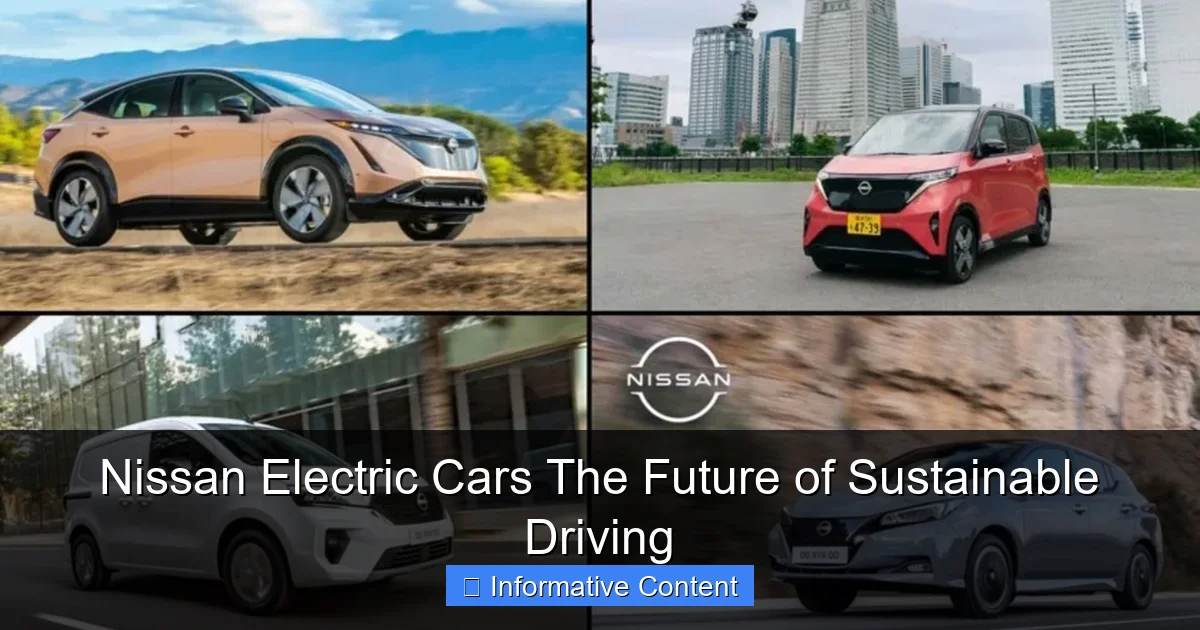
When you think of electric vehicles, a few names probably come to mind—Tesla, Ford, maybe Hyundai. But Nissan has been quietly leading the charge (pun intended) since the beginning. The Nissan Leaf, launched in 2010, was the world’s first mass-market electric car. Fast forward to today, and Nissan’s electric lineup is more diverse, advanced, and user-friendly than ever.
Visual guide about nissan electric.cars
Image source: itc.ua
1. Pioneering Legacy and Real-World Experience
Nissan isn’t just dabbling in EVs—they’ve been doing this for over a decade. That’s a big deal. While newer brands are still ironing out kinks, Nissan has had years to refine their technology, learn from real-world feedback, and improve their vehicles. For example, early Leaf models had limited range and charging speed. Today’s models? They’ve addressed those concerns head-on.
Take Sarah, a teacher from Portland. She bought a 2011 Nissan Leaf when her kids were in elementary school. Fast forward to 2023, and she’s now on her third Leaf. “I’ve seen the improvements firsthand,” she says. “The newer models have better range, faster charging, and more tech. It feels like Nissan actually listens to drivers.”
2. Affordability Without Compromising Quality
One of the biggest myths about EVs is that they’re expensive. Sure, some luxury models cost a pretty penny, but Nissan electric cars are designed to be accessible. The Nissan Leaf starts at a price point that’s competitive with many gas-powered sedans, especially when you factor in tax incentives and lower maintenance costs.
Here’s a tip: If you’re budget-conscious, consider buying a used Leaf. Many early models still have plenty of life left in them, and you’ll save thousands compared to buying new. Just be sure to check the battery health—Nissan offers battery health reports, and some dealerships even provide free battery inspections.
3. Proven Reliability and Low Maintenance
Electric cars have fewer moving parts than gas-powered vehicles, which means less wear and tear. No oil changes, no spark plugs, no exhaust systems to worry about. Nissan’s electric drivetrains are designed for longevity, with many Leaf owners reporting 100,000+ miles with minimal issues.
“I haven’t had to do much besides tire rotations and cabin air filter changes,” says Mark, a Leaf owner from Colorado. “My mechanic jokes that I’ve made him obsolete.”
The Current Lineup: Nissan Electric Cars in 2024
Nissan’s electric offerings have evolved significantly since the first Leaf. Today, their lineup caters to a wide range of drivers—from urban commuters to adventure seekers. Let’s break down what’s available and who each model is best suited for.
1. Nissan Leaf: The Iconic Commuter Car
The Leaf remains Nissan’s flagship EV, and for good reason. It’s practical, efficient, and perfect for daily driving. Here’s what you need to know:
- Leaf S and SV (Standard Range): Offers 149 miles of range—ideal for city driving and short commutes.
- Leaf SL and Leaf e+ (Extended Range): Delivers up to 212 miles on a single charge, making it a solid choice for longer trips or drivers who want extra peace of mind.
The Leaf’s interior is roomy, with a user-friendly infotainment system and plenty of cargo space. One standout feature is e-Pedal, which lets you accelerate and brake using just one pedal. It takes some getting used to, but many drivers love how intuitive it feels after a few days.
2. Nissan ARIYA: The Electric SUV for Modern Families
If you need more space or want a vehicle that’s equally at home on the highway and on weekend getaways, the ARIYA is Nissan’s answer. This sleek electric SUV combines style, performance, and versatility.
- Range: Up to 304 miles (depending on trim and drivetrain).
- All-Wheel Drive: Available with e-4ORCE technology, which provides excellent traction and handling in all conditions.
- Interior: Spacious, high-tech, and packed with features like a dual-screen dashboard, premium audio, and advanced driver assistance systems.
The ARIYA isn’t just practical—it’s fun to drive. With instant torque and responsive steering, it feels agile and confident, whether you’re navigating city streets or cruising on the interstate.
3. Nissan’s Future Plans: More EVs on the Horizon
Nissan has big plans for the next decade. They’ve announced a roadmap to electrify 98% of their U.S. sales by 2030, including several new electric models. While details are still under wraps, we expect to see more SUVs, crossovers, and possibly even an electric pickup truck. Keep an eye out—Nissan is betting heavily on a fully electric future.
Real-World Performance: What It’s Like to Own a Nissan Electric Car
Specs and features are great, but what really matters is how these cars perform in everyday life. Let’s talk about the real-world experience—from charging to daily driving to long trips.
1. Charging Made Simple (Most of the Time)
One of the biggest concerns for new EV owners is charging. How long does it take? Where can you charge? Is it reliable? Nissan electric cars make charging as painless as possible.
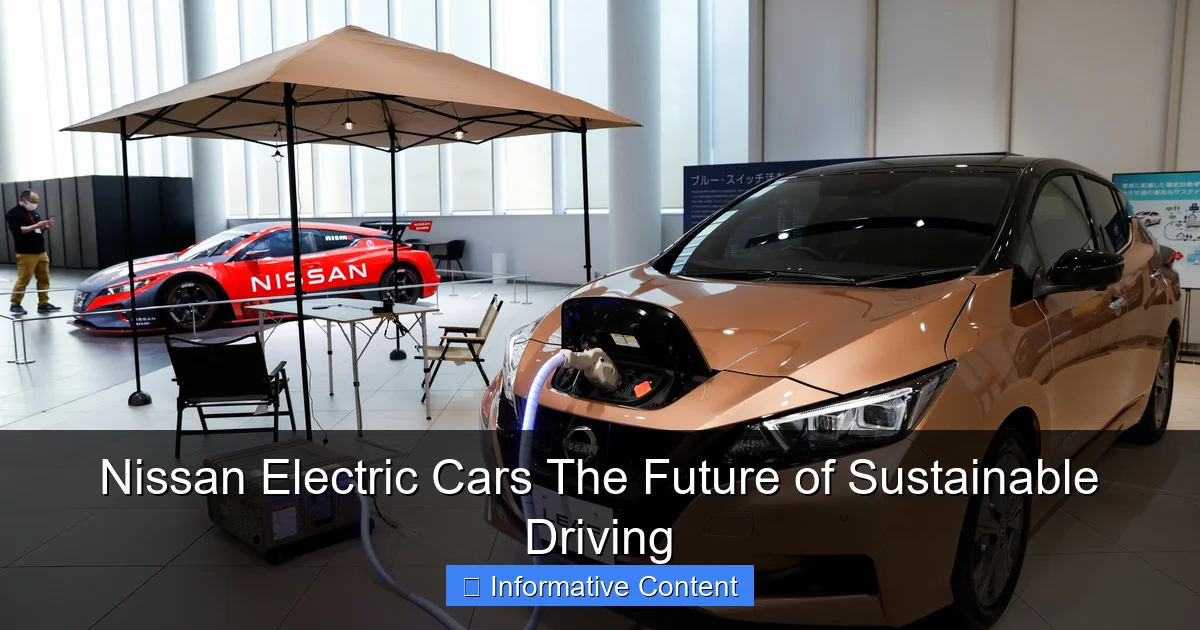
- Home Charging: A Level 2 charger (240 volts) is ideal for overnight charging. Most Leaf and ARIYA owners charge at home, waking up to a full battery every morning.
- Public Charging: Nissan partners with networks like ChargePoint and EVgo, giving you access to thousands of public stations. The ARIYA also supports DC fast charging, which can add up to 170 miles of range in about 30 minutes.
Pro tip: Use apps like PlugShare or ChargeHub to find nearby charging stations and check real-time availability. Many public chargers are free or low-cost, especially at malls, grocery stores, and workplaces.
2. Daily Driving: Smooth, Quiet, and Efficient
Driving a Nissan electric car is a different experience—in the best way. The instant torque means quick acceleration, and the near-silent cabin makes for a peaceful ride. No engine noise means you can actually hear the birds outside or enjoy your favorite playlist without cranking the volume.
“I used to dread my 45-minute commute,” says Lisa, a nurse from Chicago. “Now, I actually look forward to it. The Leaf is so quiet, and I don’t have to stress about traffic as much. Plus, I’m saving $150 a month on gas.”
3. Road Trips and Range Anxiety: Separating Myth from Reality
“Range anxiety” is a common concern, but it’s often overblown—especially with newer Nissan models. The Leaf e+ and ARIYA can easily handle most daily needs, and with proper planning, even longer trips are manageable.
- Plan Ahead: Use route-planning apps that show charging stations along your path. Many EVs, including Nissan models, have built-in navigation that does this for you.
- Take Breaks: Charging stops are a great opportunity to stretch your legs, grab a snack, or explore a new town. Think of it as part of the journey.
- Be Realistic: Cold weather and high speeds reduce range. If you’re driving in winter or on the highway, expect 10-20% less range than advertised.
One couple I spoke with drove their ARIYA from Seattle to Yellowstone National Park—a 1,200-mile trip. “We planned our charging stops ahead of time,” they said. “It added about an hour to the drive, but it was worth it. The scenery was amazing, and we felt good knowing we weren’t burning gas.”
Sustainability and Environmental Impact: Beyond Zero Emissions
Electric cars are often marketed as “zero-emission,” but the full story is more nuanced. Let’s look at the bigger picture—how Nissan electric cars contribute to a more sustainable future.
1. Reducing Your Carbon Footprint
Even when accounting for electricity generation, EVs produce far fewer emissions over their lifetime than gas-powered cars. According to the EPA, an electric car emits about half as much CO2 as a comparable gas car—and that number improves as the grid gets cleaner.
Nissan is also investing in renewable energy. Their Sunderland plant in the UK runs entirely on wind and solar power, and they’re working with suppliers to reduce emissions across their supply chain.
2. Battery Recycling and Second-Life Applications
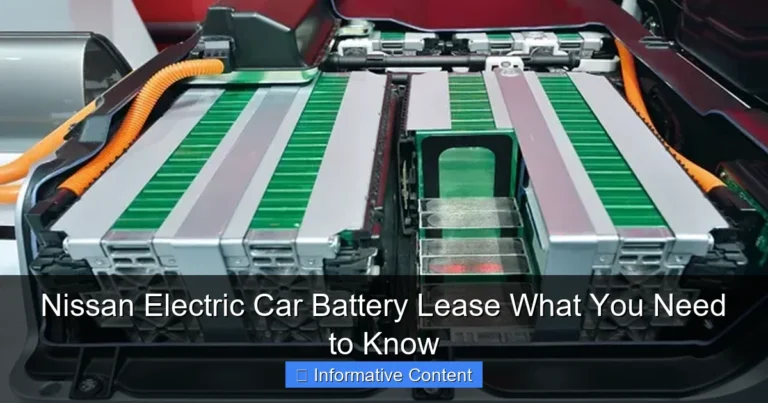
What happens to EV batteries when they’re no longer suitable for driving? Nissan has a solution. Their 4R Energy program repurposes used Leaf batteries for energy storage systems. These batteries can power homes, stabilize the grid, or even support emergency backup systems.
“It’s like giving the battery a second life,” says a Nissan engineer. “Instead of recycling it immediately, we find new ways to use it. It’s better for the environment and more cost-effective.”
3. Sustainable Materials and Manufacturing
Nissan is committed to reducing waste and using sustainable materials. The ARIYA, for example, features recycled plastics, bio-based materials, and eco-friendly fabrics. They’ve also set a goal to achieve carbon neutrality across their operations by 2050.
Tips for Choosing and Maintaining Your Nissan Electric Car
Ready to make the switch? Here are some practical tips to help you choose the right model and keep it running smoothly for years to come.
1. How to Pick the Right Nissan EV for Your Lifestyle
Not all electric cars are created equal. Consider these factors when making your decision:
- Daily Commute: If you drive less than 100 miles a day, the standard-range Leaf is a great choice. For longer commutes or frequent trips, go for the Leaf e+ or ARIYA.
- Family Size: The ARIYA’s larger cabin and SUV design make it ideal for families or those who need extra cargo space.
- Budget: The Leaf is more affordable upfront, while the ARIYA offers more features and range at a higher price.
- Charging Access: If you don’t have a garage or dedicated parking spot, check if public charging is convenient in your area.
2. Maintenance Tips to Maximize Longevity
EVs require less maintenance than gas cars, but there are still a few things to keep in mind:
- Keep the Battery Healthy: Avoid letting the battery drop below 20% or charge to 100% regularly. Most Nissan models have a “daily use” mode that limits charging to 80%.
- Tire Care: EVs are heavier, so tires wear faster. Rotate them regularly and check pressure monthly.
- Software Updates: Nissan releases over-the-air updates to improve performance and add features. Make sure your car is connected to Wi-Fi to receive them.
3. Maximizing Range and Efficiency
Want to get the most out of every charge? Try these tips:
- Use Eco Mode: This reduces acceleration and adjusts climate control to save energy.
- Drive Smoothly: Avoid rapid acceleration and hard braking—it’s less efficient and harder on the battery.
- Precondition the Cabin: Use the NissanConnect app to heat or cool the car while it’s still plugged in. This saves battery power for the road.
Data at a Glance: Nissan Electric Cars Compared
| Model | Starting Price | Range (EPA) | Charging (DC Fast, 10-80%) | Key Features |
|---|---|---|---|---|
| Nissan Leaf S | $28,040 | 149 miles | 40 minutes | e-Pedal, 8-inch touchscreen, Apple CarPlay/Android Auto |
| Nissan Leaf e+ SL | $38,840 | 212 miles | 35 minutes | ProPILOT Assist, Bose audio, heated seats |
| Nissan ARIYA Engage | $43,190 | 289 miles | 35 minutes | Dual-screen dashboard, e-4ORCE AWD, hands-free liftgate |
| Nissan ARIYA Platinum | $54,190 | 304 miles | 30 minutes | Premium leather, panoramic sunroof, 360-degree camera |
Note: Prices and specs are based on 2024 models and may vary by region.
The Road Ahead: Why Nissan Electric Cars Are a Smart Choice
So, are Nissan electric cars the future of sustainable driving? In my opinion, absolutely. They’re not perfect—no car is—but they offer a compelling mix of affordability, reliability, and innovation. Whether you’re a first-time EV buyer or looking to upgrade, Nissan has something for everyone.
What I love most is how Nissan has made EVs approachable. They’re not just for tech enthusiasts or early adopters. They’re for regular people who want to save money, reduce their environmental impact, and enjoy a better driving experience. And with more models on the way, the future looks bright.
The bottom line? If you’re considering going electric, Nissan is a brand worth serious consideration. Take a test drive, talk to owners, and see how it fits into your life. You might just find that the future of driving isn’t so far away—it’s already here.
Frequently Asked Questions
What are the benefits of driving Nissan electric cars?
Nissan electric cars offer zero emissions, lower maintenance costs, and a quieter driving experience compared to traditional gas-powered vehicles. With models like the Nissan LEAF, you also enjoy advanced tech features and government incentives for eco-friendly driving.
How long does it take to charge a Nissan electric car?
Charging times vary by model and charger type: a Nissan LEAF can take 8–12 hours on a Level 2 home charger, but fast-charging stations can replenish up to 80% in just 30 minutes. Always plan charging based on your daily driving needs.
Which Nissan electric cars have the longest range?
The Nissan ARIYA boasts the longest range among current Nissan electric cars, offering up to 304 miles on a single charge. The Nissan LEAF also provides a practical 149–212 miles, depending on the trim level.
Are Nissan electric cars eligible for tax credits or incentives?
Yes, many Nissan electric cars qualify for federal, state, or local incentives, such as tax credits up to $7,500 in the U.S. Check your region’s policies, as eligibility may depend on battery sourcing and purchase timing.
How reliable are Nissan electric cars compared to other brands?
Nissan electric cars, like the LEAF, have proven reliability with fewer moving parts and strong battery warranties (8 years/100,000 miles). They rank competitively in customer satisfaction and durability studies against other EV manufacturers.
Can Nissan electric cars handle cold weather conditions?
Yes, Nissan electric cars are designed to perform in cold climates, though extreme temperatures can temporarily reduce battery range. Features like pre-conditioning and heat pumps (available on the ARIYA) help optimize efficiency and cabin comfort.