Nissan Electric Cars 2021 A Complete Guide to Models and Features

Featured image for nissan electric cars 2021
The 2021 Nissan electric car lineup, led by the versatile Nissan LEAF and the powerful LEAF PLUS, delivers impressive range, advanced tech, and affordable pricing for eco-conscious drivers. With up to 226 miles of range, ProPILOT Assist driver aids, and seamless smartphone integration, these models offer a compelling blend of innovation and practicality. Nissan continues to set the standard for accessible, zero-emission driving in the compact EV segment.
Key Takeaways
- Nissan LEAF dominates 2021 with proven reliability and affordable pricing for city drivers.
- 62 kWh battery option delivers 226-mile range, ideal for daily commutes and road trips.
- ProPILOT Assist available enhances safety with adaptive cruise and lane-keeping features.
- Quick Charge standard adds 100 miles in 40 minutes at DC fast-charging stations.
- e-Pedal simplifies driving by enabling one-pedal acceleration and braking control.
- Competitive pricing starts under $30K, with federal tax credits boosting affordability.
- Infotainment upgrades include Apple CarPlay, Android Auto, and NissanConnect EV app support.
📑 Table of Contents
- Nissan Electric Cars 2021: A Complete Guide to Models and Features
- Overview of Nissan Electric Cars in 2021
- Performance, Range, and Charging
- Advanced Technology and Driver Assistance
- Ownership Experience and Practical Considerations
- Comparison with Competitors and Future Outlook
- Conclusion: Is the 2021 Nissan LEAF Right for You?
Nissan Electric Cars 2021: A Complete Guide to Models and Features
In the rapidly evolving world of electric vehicles (EVs), Nissan stands as a pioneer with a legacy rooted in innovation and sustainability. As one of the first major automakers to embrace the electric revolution, Nissan launched its first mass-market EV, the Nissan LEAF, over a decade ago. Fast forward to 2021, and the company has solidified its position as a leader in affordable, accessible, and technologically advanced electric mobility. With increasing consumer demand for eco-friendly transportation and stricter emissions regulations globally, Nissan’s 2021 electric lineup offers a compelling mix of practicality, performance, and forward-thinking design.
The 2021 model year marked a pivotal chapter in Nissan’s electric journey. While the LEAF continued to be the cornerstone of its EV strategy, the introduction of new trims, enhanced battery options, and cutting-edge driver-assist technologies demonstrated Nissan’s commitment to staying competitive in a crowded EV market. Whether you’re a first-time EV buyer looking for an affordable entry point or a tech-savvy driver seeking advanced features, Nissan’s 2021 electric cars deliver a balanced blend of innovation and value. This guide dives deep into the models, features, performance specs, and real-world usability of Nissan’s electric offerings in 2021, helping you make an informed decision in your transition to electric driving.
Overview of Nissan Electric Cars in 2021
The Nissan LEAF: The Flagship Electric Vehicle
The Nissan LEAF remains the heart of the brand’s electric portfolio in 2021. Launched in 2010, the LEAF has undergone multiple generational updates, and the 2021 model benefits from years of refinement. It’s offered in two main variants: the standard LEAF and the extended-range LEAF PLUS, both built on the same platform but with key differences in battery capacity and performance.
- LEAF (40 kWh battery): Offers an EPA-estimated range of 149 miles, making it ideal for urban commuters and daily drivers with predictable routes.
- LEAF PLUS (62 kWh battery): Boasts a significantly improved range of 226 miles, addressing one of the most common concerns among EV buyers—range anxiety.
Both models feature a single front-mounted electric motor, delivering instant torque and smooth acceleration. The LEAF accelerates from 0 to 60 mph in approximately 7.4 seconds, while the LEAF PLUS cuts that down to around 6.8 seconds—impressive for a compact hatchback. With a starting MSRP of $31,670 for the base S trim and $38,570 for the LEAF PLUS SV, Nissan maintains its position as a value leader in the EV space, especially after federal tax credits (up to $7,500) and state incentives are factored in.
Trim Levels and Pricing
Nissan offers the 2021 LEAF in four trim levels: S, SV, SL, and SL PLUS, with the latter exclusive to the 62 kWh battery. Each trim adds layers of comfort, technology, and convenience:
- LEAF S: The base model includes key features like an 8-inch touchscreen, Apple CarPlay, Android Auto, and Nissan Safety Shield 360. It’s the most budget-friendly option, perfect for cost-conscious buyers.
- LEAF SV: Adds heated front seats, a leather-wrapped steering wheel, and Nissan’s ProPILOT Assist semi-autonomous driving system. This trim strikes a great balance between price and features.
- LEAF SL: Includes premium touches like a Bose audio system, LED headlights, and a 360-degree camera. Ideal for drivers who want a more upscale experience.
- LEAF SL PLUS: Combines the luxury of the SL trim with the extended 226-mile range, making it the top-tier choice for long-distance drivers.
For example, a family in California might opt for the LEAF SV PLUS to take advantage of the longer range for weekend trips to the mountains, while a city dweller in New York might choose the standard LEAF S for its compact size and lower price point.
Design and Interior Features
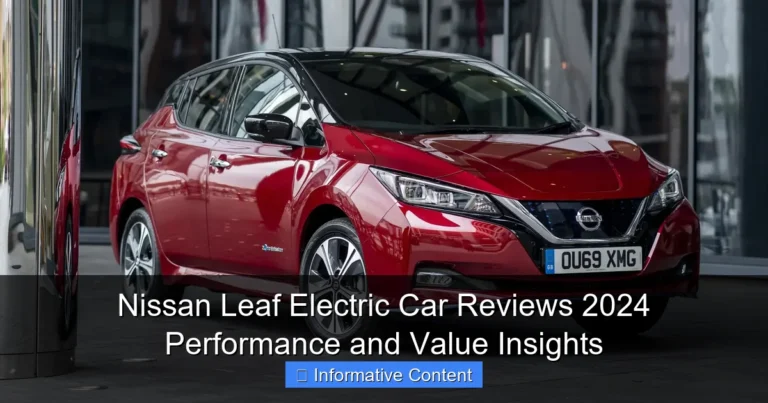
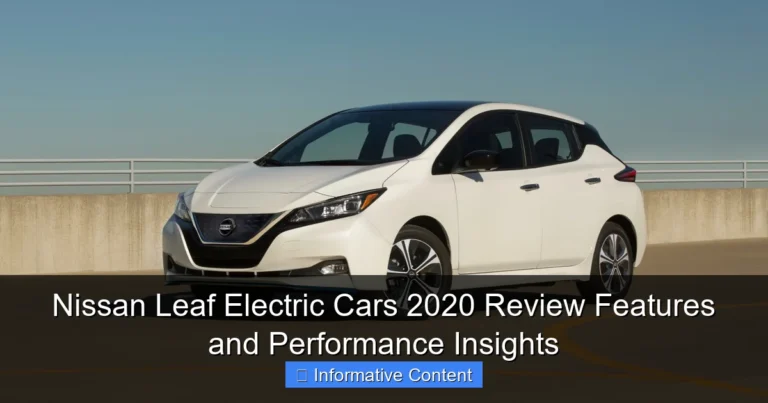
The 2021 LEAF features a modern, aerodynamic design with a distinctive “V-motion” grille, LED signature lighting, and a sleek, hatchback profile. Inside, the cabin is spacious for its class, with seating for five and 23.6 cubic feet of cargo space behind the rear seats (expandable to 30 cubic feet with seats folded).
Notable interior highlights include:
- A fully digital 7-inch driver information display
- An 8-inch NissanConnect infotainment system with voice control
- Heated steering wheel and seats (on SV and above)
- Dual-zone automatic climate control (SL and SL PLUS)
- Wireless smartphone charging (available on SV and standard on SL/SL PLUS)
One standout feature is the e-Pedal, which allows drivers to accelerate, decelerate, and come to a complete stop using only the accelerator pedal—ideal for stop-and-go city traffic. This regenerative braking system not only improves efficiency but also reduces wear on brake pads.
Performance, Range, and Charging
Motor and Battery Specifications
The 2021 Nissan LEAF is powered by a permanent magnet synchronous motor. The standard LEAF generates 147 horsepower and 236 lb-ft of torque, while the LEAF PLUS bumps that up to 214 horsepower and 250 lb-ft—offering a noticeable improvement in responsiveness and highway merging power.
Both models use lithium-ion battery packs:
- 40 kWh battery: Weighs approximately 660 lbs, charges from 10% to 80% in about 40 minutes on a 50 kW DC fast charger.
- 62 kWh battery (LEAF PLUS): Adds 22 kWh more capacity, increasing weight by about 100 lbs but delivering a 50% range boost.
Nissan uses a liquid thermal management system to maintain optimal battery temperatures, improving longevity and performance in extreme weather. This is particularly useful in colder climates, where battery efficiency can drop significantly.
Real-World Range and Efficiency
While EPA estimates provide a baseline, real-world range depends on driving habits, terrain, climate, and accessory usage. Based on user reports and independent tests:
- The 40 kWh LEAF typically achieves 125–140 miles in mixed city/highway driving. In winter, range can drop by 20–30% due to heater use and battery cold-soak effects.
- The 62 kWh LEAF PLUS delivers 200–220 miles under similar conditions, with winter reductions of 15–25%.
Tip: To maximize range, use the ECO mode, preheat the cabin while plugged in, and maintain a steady speed on highways. Avoid rapid acceleration and high speeds, which significantly increase energy consumption.
Charging Options and Times
Nissan equips all 2021 LEAF models with a dual charging system: a standard 6.6 kW onboard charger and a CHAdeMO DC fast charging port (standard on SV and above, optional on S). Here’s how charging breaks down:
- Level 2 (240V) Home Charging: Adds about 25 miles of range per hour. A full charge takes:
- ~7.5 hours for 40 kWh LEAF
- ~11.5 hours for 62 kWh LEAF PLUS
- DC Fast Charging (50 kW): Recharges from 10% to 80% in:
- ~40 minutes (40 kWh)
- ~60 minutes (62 kWh)
- Level 1 (120V) Charging: Adds 4–5 miles per hour—suitable only for emergency top-ups or short commutes.
Pro Tip: Use the NissanConnect EV app to monitor charging status, schedule charging during off-peak hours (saving on electricity costs), and pre-condition the cabin remotely. This is especially useful in winter—start heating the car while it’s still plugged in to preserve battery range.
Advanced Technology and Driver Assistance
ProPILOT Assist: Nissan’s Semi-Autonomous Driving System
Available on the SV, SL, and SL PLUS trims, ProPILOT Assist is one of Nissan’s standout technological features. It combines adaptive cruise control with lane-keeping assist to provide semi-autonomous driving on highways and long stretches of open road.
How it works:
- Maintains a set speed and following distance from the vehicle ahead
- Centers the car in its lane using cameras and sensors
- Allows hands-free driving for short periods (driver must remain attentive)
- Activates with a single button press on the steering wheel
Real-world example: A commuter driving from Seattle to Portland (approx. 170 miles) can use ProPILOT Assist to reduce fatigue on the highway, especially during heavy traffic or long stretches with minimal turns.
Nissan Safety Shield 360
Standard on all 2021 LEAF models, Safety Shield 360 includes six key driver-assist features:
- Automatic Emergency Braking with Pedestrian Detection
- Rear Automatic Braking
- Blind Spot Warning
- Rear Cross Traffic Alert
- Lane Departure Warning
- High Beam Assist
These systems use radar, cameras, and sensors to monitor the vehicle’s surroundings and intervene when necessary. For instance, Rear Automatic Braking can prevent low-speed collisions when backing out of a parking spot, while Blind Spot Warning alerts the driver if a vehicle is in the adjacent lane during a lane change.
Infotainment and Connectivity
The 2021 LEAF features the NissanConnect system with an 8-inch touchscreen. Key features include:
- Apple CarPlay and Android Auto (standard on all trims)
- Bluetooth audio and hands-free calling
- Voice recognition for navigation and climate control
- Wi-Fi hotspot capability (subscription required)
- Over-the-air software updates (introduced in later 2021 models)
The NissanConnect EV app is a game-changer for EV owners. It allows remote control of:
- Charging start/stop and scheduling
- Cabin temperature pre-conditioning
- Vehicle location tracking
- Battery status and range estimation
For example, a driver in Chicago can use the app to start charging at 11 PM when electricity rates are lowest, then preheat the cabin at 7 AM before leaving for work—all without stepping outside.
Ownership Experience and Practical Considerations
Maintenance and Reliability
One of the biggest advantages of EVs is lower maintenance. The 2021 Nissan LEAF has no oil changes, spark plugs, or transmission fluid to worry about. Key maintenance items include:
- Brake fluid replacement every 2–3 years
- 12V battery inspection (yes, EVs still have a 12V battery)
- Tire rotations and replacements
- Climate control filter replacement
Nissan offers an 8-year/100,000-mile warranty on the battery and electric motor, providing peace of mind against degradation. Independent studies show that LEAF batteries retain 80–85% of their capacity after 8 years, depending on usage and climate.
Cost of Ownership
EVs are cheaper to operate than gasoline cars. Consider the following:
- Electricity cost: Charging a 40 kWh LEAF costs about $4.80 (at $0.12/kWh) for a full charge—equivalent to driving 149 miles. That’s roughly $0.03 per mile.
- Gas comparison: A gas car averaging 30 mpg at $3.50/gallon costs $0.12 per mile—four times more than the LEAF.
- Insurance: Slightly higher than average due to battery replacement costs, but often offset by lower repair bills.
- Tax incentives: Federal tax credit of up to $7,500, plus state rebates (e.g., $2,000 in California, $5,000 in Colorado).
Example: A buyer in Oregon purchases a LEAF SV for $35,000. After a $7,500 federal credit and $2,500 state rebate, the effective price drops to $25,000—making it one of the most affordable EVs on the market.
Home Charging Installation
Installing a Level 2 charger at home is highly recommended. Costs vary by location but typically range from $500 to $1,500, including equipment and labor. Many states and utility companies offer rebates to offset this expense. For example:
- Con Edison (NY): $500 rebate for Level 2 charger installation
- SMUD (California): Up to $1,000 for qualifying customers
Tip: Choose a hardwired charger (e.g., ChargePoint Home Flex) for better durability and higher power output (up to 11.5 kW) compared to plug-in models.
Comparison with Competitors and Future Outlook
How the 2021 Nissan LEAF Stacks Up
To evaluate the LEAF’s position, let’s compare it to key competitors in the compact EV segment:
| Model | Starting MSRP | Range (EPA) | DC Fast Charging | Key Feature |
|---|---|---|---|---|
| Nissan LEAF S | $31,670 | 149 miles | 50 kW (opt) | e-Pedal, Safety Shield 360 |
| Nissan LEAF PLUS SL | $38,570 | 226 miles | 50 kW (std) | ProPILOT Assist, Bose audio |
| Chevy Bolt EV | $36,500 | 259 miles | 55 kW | One-pedal driving, hatchback utility |
| Hyundai Kona Electric | $37,390 | 258 miles | 75 kW | Higher charging speed, 10-year battery warranty |
| Kia Niro EV | $39,090 | 239 miles | 77 kW | Spacious interior, advanced safety suite |
The LEAF stands out for its value, proven reliability, and innovative e-Pedal system. While it doesn’t lead in range or charging speed, it offers the lowest entry price and a strong safety suite. The LEAF PLUS closes the gap with competitors, especially after incentives.
Nissan’s Electric Future: Beyond 2021
2021 was a transitional year for Nissan. While the LEAF remained the sole EV, the company laid the groundwork for a broader electric strategy. Key developments include:
- Ariya SUV (2022 debut): A sleek, tech-forward electric crossover with up to 300 miles of range and e-4ORCE all-wheel drive.
- Solid-state battery R&D: Nissan aims to launch solid-state batteries by 2028, promising faster charging, longer range, and improved safety.
- Global electrification plan: Nissan targets 23 electrified models by 2030, with 15 fully electric.
The 2021 LEAF serves as a bridge—offering a proven platform while Nissan prepares for the next wave of EVs. For buyers, this means strong resale value and continued software support.
Conclusion: Is the 2021 Nissan LEAF Right for You?
The 2021 Nissan LEAF lineup delivers a compelling package for a wide range of drivers. Whether you’re drawn to the affordability of the base LEAF S, the extended range of the LEAF PLUS, or the luxury and tech of the SL trim, Nissan offers a well-rounded EV experience. With features like ProPILOT Assist, e-Pedal, Safety Shield 360, and seamless smartphone integration, the LEAF proves that electric cars can be both practical and enjoyable.
For urban commuters, the 40 kWh model is more than sufficient for daily drives. For families and road-trippers, the 62 kWh LEAF PLUS eliminates range concerns and offers a comfortable, feature-rich ride. Add in low operating costs, generous incentives, and a strong warranty, and the 2021 Nissan electric cars represent one of the best value propositions in the EV market.
As the world moves toward sustainable transportation, Nissan continues to lead with innovation, accessibility, and reliability. The 2021 LEAF isn’t just a car—it’s a statement of progress. If you’re ready to go electric, the Nissan LEAF is a smart, forward-thinking choice that delivers on performance, technology, and peace of mind. Make the switch, and drive into the future with confidence.
Frequently Asked Questions
What Nissan electric cars were available in 2021?
In 2021, Nissan offered the **Nissan Leaf** and **Nissan Leaf Plus** as its primary electric car models. Both variants provided zero-emission driving with improved battery technology over previous years.
How far can the 2021 Nissan Leaf Plus travel on a single charge?
The 2021 Nissan Leaf Plus delivers an EPA-estimated range of up to 226 miles on a full charge. This makes it ideal for daily commuting and longer trips with strategic charging stops.
What are the key features of the 2021 Nissan electric cars?
The 2021 Nissan electric cars come with ProPILOT Assist for semi-autonomous driving, e-Pedal for one-pedal operation, and standard Apple CarPlay/Android Auto. These features enhance safety, convenience, and driving enjoyment.
Is the 2021 Nissan Leaf eligible for federal tax credits?
Yes, the 2021 Nissan Leaf qualifies for a federal tax credit of up to $7,500, depending on your tax liability. State and local incentives may also apply, reducing ownership costs further.
How fast does the 2021 Nissan Leaf Plus charge?
Using a DC fast charger, the 2021 Nissan Leaf Plus can recharge from 0 to 80% in about 45 minutes. With a Level 2 charger, it takes roughly 7.5 hours for a full charge at home.
What is the price range for Nissan electric cars 2021 models?
The 2021 Nissan Leaf started at around $31,670, while the Leaf Plus began at approximately $38,270. Both prices are before incentives, which can significantly lower the final cost.