Nissan Electric Cars 2023 Top Models and Features You Need to Know

Featured image for nissan electric cars 2023
Nissan’s 2023 electric car lineup delivers cutting-edge innovation with the all-new Ariya SUV leading the charge, offering up to 304 miles of range and advanced e-4ORCE all-wheel drive. Packed with ProPILOT Assist 2.0, seamless connectivity, and bold aerodynamic styling, Nissan electric cars 2023 combine performance, safety, and smart tech for a truly modern driving experience.
Key Takeaways
- Nissan Leaf leads 2023 lineup: Affordable EV with 149–212 miles range.
- Ariya offers premium performance: Up to 300-mile range and e-4ORCE AWD.
- ProPILOT Assist 2.0 available: Hands-free highway driving on select models.
- Fast charging standard: 130 kW DC charging for quick top-ups.
- Zero-emission driving incentives: Qualifies for tax credits and state rebates.
- Smart tech integration: NissanConnect with Amazon Alexa and wireless Apple CarPlay.
- Sustainable interior materials: Recycled fabrics and eco-friendly cabin design.
📑 Table of Contents
- Nissan Electric Cars 2023: Top Models and Features You Need to Know
- 1. The 2023 Nissan LEAF: The Iconic EV Gets a Modern Upgrade
- 2. The 2023 Nissan ARIYA: Nissan’s All-Electric SUV Arrives
- 3. Battery Technology and Charging Infrastructure
- 4. Performance, Driving Experience, and Real-World Range
- 5. Sustainability, Ownership Costs, and Incentives
- 6. Comparison Table: 2023 Nissan Electric Cars at a Glance
- Conclusion: Why Nissan Electric Cars 2023 Are Worth Your Attention
Nissan Electric Cars 2023: Top Models and Features You Need to Know
The automotive world is undergoing a seismic shift toward electrification, and Nissan—a pioneer in the electric vehicle (EV) space—is leading the charge with its 2023 lineup. As one of the first major automakers to introduce a mass-market EV with the Nissan LEAF over a decade ago, Nissan has continued to innovate, refine, and expand its electric offerings. In 2023, the brand doubles down on its commitment to sustainability, performance, and cutting-edge technology with a refreshed portfolio designed to meet the diverse needs of modern drivers.
This year, Nissan’s electric vehicles are more than just eco-friendly alternatives—they’re compelling, feature-rich, and performance-oriented machines that cater to urban commuters, families, and adventure seekers alike. With improved battery technology, longer driving ranges, faster charging capabilities, and advanced driver-assistance systems, Nissan’s 2023 EVs are poised to compete head-on with industry giants like Tesla, Ford, and Hyundai. Whether you’re new to the EV world or a seasoned electric driver, understanding the top Nissan electric cars 2023 models and their standout features is essential for making an informed decision. In this comprehensive guide, we’ll explore the latest Nissan EVs, their innovations, real-world performance, and what sets them apart in today’s competitive market.
1. The 2023 Nissan LEAF: The Iconic EV Gets a Modern Upgrade
Evolution of a Pioneer
The 2023 Nissan LEAF remains the cornerstone of Nissan’s electric vehicle strategy. Since its debut in 2010, the LEAF has sold over 600,000 units globally, making it one of the best-selling EVs of all time. For 2023, Nissan has given the LEAF a subtle yet significant refresh, focusing on design refinement, interior comfort, and enhanced technology—without overhauling the proven formula that made it a success.
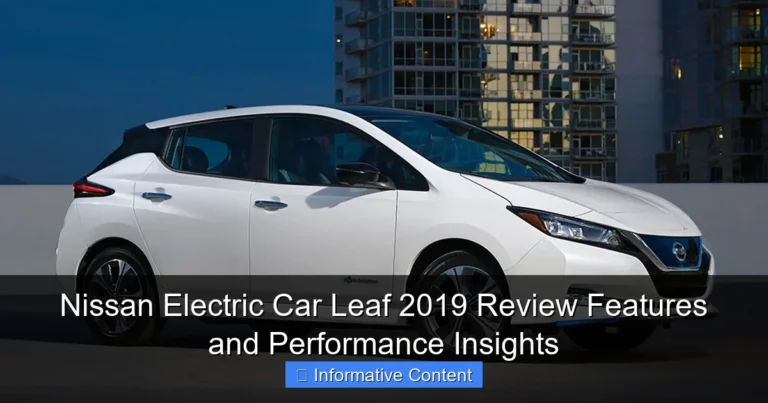
The 2023 model retains the familiar hatchback silhouette but introduces a more aggressive front fascia with a redesigned grille, sleeker LED headlights, and a revised bumper. The rear end also sees updates, including a full-width light bar and a more aerodynamic shape. These changes not only improve aesthetics but also contribute to a slightly better drag coefficient, enhancing efficiency.
Two Powertrains, One Goal: Range and Efficiency
One of the most important updates in the 2023 LEAF is the continued availability of two battery options:
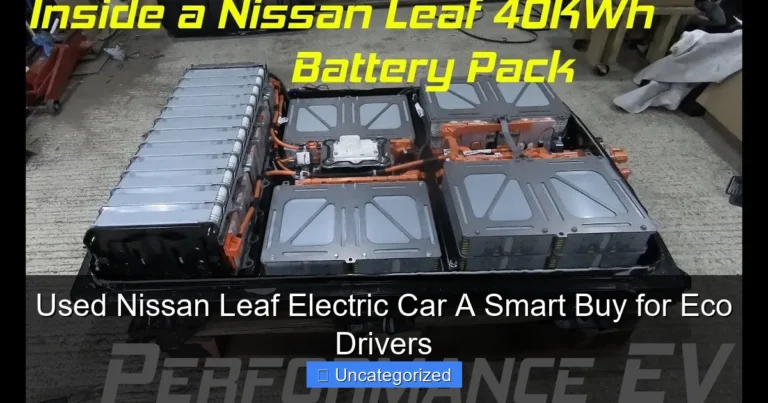
- LEAF S and SV (40 kWh battery): Offers an EPA-estimated range of 149 miles, ideal for city drivers and short commutes.
- LEAF SV Plus and SL Plus (62 kWh battery): Delivers a more robust 212 miles of range, making it suitable for longer trips and suburban lifestyles.
The 62 kWh version also features a more powerful 214-horsepower electric motor, up from 147 hp in the base model. This translates to quicker acceleration (0-60 mph in around 7.1 seconds) and a more engaging driving experience. Both versions support DC fast charging, with the Plus models capable of charging from 10% to 80% in just 40 minutes using a 100 kW charger.
Tech and Safety: Smarter Than Ever
Nissan has equipped the 2023 LEAF with a host of advanced features:
- NissanConnect EV: A cloud-based infotainment system with Apple CarPlay, Android Auto, and remote climate control via the Nissan app.
- e-Pedal: A signature Nissan feature that allows drivers to accelerate, decelerate, and stop using just the accelerator pedal—ideal for stop-and-go traffic.
- ProPILOT Assist: Standard on SV and SL trims, this semi-autonomous system combines adaptive cruise control and lane-keeping assist for a stress-free highway drive.
- Safety Shield 360: Includes automatic emergency braking, blind-spot monitoring, rear cross-traffic alert, and more—standard across all trims.
For urban drivers, the LEAF’s compact size and tight turning radius make it perfect for navigating city streets and parking in tight spots. With a starting price of $28,040 (before federal and state incentives), it remains one of the most affordable EVs in its class.
2. The 2023 Nissan ARIYA: Nissan’s All-Electric SUV Arrives
A New Era of Electric SUVs
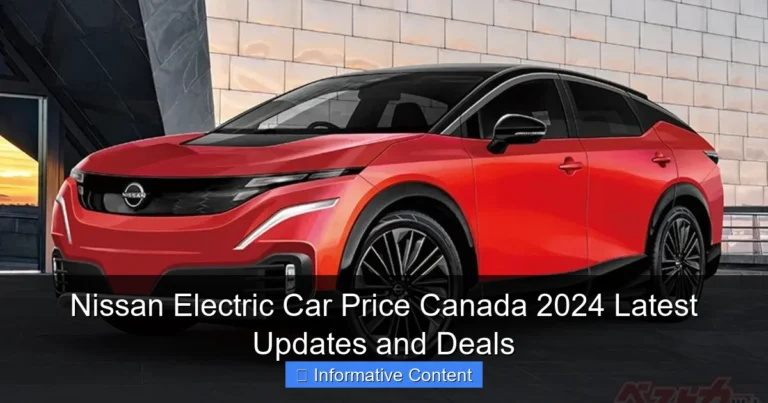
The 2023 Nissan ARIYA marks a bold new chapter for Nissan—its first all-electric SUV and a direct competitor to the Tesla Model Y, Ford Mustang Mach-E, and Hyundai Ioniq 5. Designed from the ground up as an EV, the ARIYA benefits from a dedicated electric platform (CMF-EV), allowing for a spacious, flat-floor interior, improved weight distribution, and enhanced driving dynamics.
The ARIYA’s design language, known as “Timeless Japanese Futurism,” blends minimalist elegance with futuristic touches. The front features a sealed grille with a glowing Nissan logo, sleek LED lighting, and a coupe-like roofline. The interior is equally impressive, with a dual-screen dashboard (12.3-inch digital gauge cluster and 12.3-inch infotainment), ambient lighting, and premium materials like synthetic leather and wood trim.
Multiple Configurations for Every Lifestyle
Nissan offers the ARIYA in four trims: Engage, Venture+, Evolve+, and Premiere. It’s available in both front-wheel drive (FWD) and all-wheel drive (AWD) configurations, with two battery sizes:
- 63 kWh battery (FWD): 216 miles range, 214 hp, ideal for city and suburban driving.
- 87 kWh battery (FWD and AWD): Up to 304 miles (FWD) or 265 miles (AWD), with AWD models delivering 389 hp and 442 lb-ft of torque.
The AWD system, called e-4ORCE, is a standout feature. It uses dual electric motors to deliver torque vectoring, improved traction on slippery roads, and a smoother, more balanced ride. Nissan claims e-4ORCE reduces understeer and enhances cornering stability—ideal for drivers in snowy or mountainous regions.
Charging, Tech, and Comfort
The ARIYA supports 130 kW DC fast charging, allowing it to go from 10% to 80% in about 40 minutes. With a 240V Level 2 charger, a full charge takes around 10-12 hours. Nissan also includes three years of complimentary charging on the Electrify America network.
- Advanced ProPILOT Assist 2.0: Available on higher trims, this system offers hands-free driving on compatible highways, with lane changes and automated lane centering.
- Zero Gravity Seats: Inspired by NASA research, these seats reduce fatigue on long drives by minimizing pressure points.
- Panoramic Sunroof and Acoustic Glass: Enhances cabin ambiance and reduces road noise.
- Vehicle-to-Load (V2L): The ARIYA can power external devices (e.g., laptops, camping gear) using a special adapter—great for road trips and emergencies.
With a starting price of $43,190, the ARIYA offers strong value for a premium electric SUV, especially with its long-range capabilities and cutting-edge tech.
3. Battery Technology and Charging Infrastructure
Improved Lithium-Ion and Future Solid-State Batteries
Nissan’s 2023 EVs use advanced lithium-ion battery packs with improved thermal management systems to enhance longevity and performance in extreme temperatures. The ARIYA, for example, uses a modular battery design that allows for easier repairs and upgrades. Both the LEAF and ARIYA feature battery warranties of 8 years or 100,000 miles, covering capacity loss below 9.5 bars (out of 12).
Looking ahead, Nissan is investing heavily in solid-state batteries (SSB), which promise to revolutionize EV performance. The company plans to launch its first SSB-powered vehicle by 2025, with potential benefits including:
- Up to 900 miles of range on a single charge
- Faster charging (under 15 minutes for 80%)
- Improved safety (no flammable liquid electrolytes)
- Lower production costs over time
This innovation could position Nissan as a leader in next-gen EV technology, especially if they can scale production efficiently.
Charging Solutions: Home, Public, and On-the-Go
Nissan understands that charging convenience is a major concern for EV buyers. To address this, the brand offers:
- Free Home Charger Installation: Through partnerships with Qmerit, Nissan helps buyers install a Level 2 charger (240V) at home at no extra cost.
- Public Charging Network Access: The ARIYA includes three years of free charging on Electrify America, while LEAF owners can use the Nissan Energy Perks program for discounts.
- Portable Charging Cable: All 2023 models come with a 120V Level 1 cable for emergency charging.
- Navigation-Based Charging: The infotainment system suggests nearby charging stations and calculates optimal routes based on remaining range.
Pro Tip: Use apps like PlugShare or ChargePoint to locate fast chargers on long trips. Always check connector types (CHADEMO for LEAF, CCS for ARIYA) to ensure compatibility.
4. Performance, Driving Experience, and Real-World Range
How the 2023 Nissan EVs Handle on the Road
The driving experience varies significantly between the LEAF and ARIYA, but both deliver the smooth, quiet ride expected of modern EVs.
- Nissan LEAF: The 40 kWh model is peppy in city traffic, while the 62 kWh version offers more confidence on highways. The suspension is tuned for comfort, making it ideal for daily commutes. The e-Pedal feature takes some getting used to but reduces brake wear and increases regenerative energy recovery.
- Nissan ARIYA: With its low center of gravity and e-4ORCE AWD, the ARIYA feels planted and responsive. The AWD model can sprint from 0-60 mph in 5.1 seconds, rivaling performance SUVs. The steering is precise, and the cabin remains whisper-quiet even at highway speeds.
Real-World Range: What to Expect
While EPA estimates are helpful, real-world range depends on driving habits, weather, and terrain. Here’s what owners report:
- LEAF (62 kWh): 180–200 miles in mixed driving; drops to 150–170 in cold weather.
- ARIYA (87 kWh FWD): 270–290 miles on highways; 250–270 in city/suburban use.
- ARIYA (87 kWh AWD): 240–260 miles; slightly less in snow due to AWD energy draw.
Tip: Use Eco mode and pre-condition the cabin while plugged in to maximize range. Avoid rapid acceleration and high speeds (above 70 mph) for better efficiency.
Regenerative Braking and One-Pedal Driving
Both models feature adjustable regenerative braking. The LEAF’s e-Pedal allows full stops without using the brake pedal, while the ARIYA offers multiple levels of regen via paddle shifters. This feature not only improves efficiency but also reduces brake pad wear by up to 50%.
5. Sustainability, Ownership Costs, and Incentives
Eco-Friendly Materials and Manufacturing
Nissan is committed to reducing its environmental footprint. The ARIYA’s interior uses recycled plastics, bio-based fabrics, and low-VOC materials to improve air quality. The LEAF’s battery modules are designed for easier recycling, and Nissan is working on a closed-loop recycling system to reclaim cobalt, nickel, and lithium.
The company has also pledged to achieve carbon neutrality by 2050, with all new vehicles being electrified by 2030 in key markets.
Total Cost of Ownership: EVs vs. Gas Cars
While EVs have a higher upfront cost, they offer significant long-term savings:
- Lower Fuel Costs: Electricity is cheaper than gas. On average, driving a LEAF costs $500–$700/year in electricity vs. $1,500+ for a gas car.
- Reduced Maintenance: No oil changes, spark plugs, or exhaust systems. Brakes last longer due to regen braking.
- Tax Incentives: Federal tax credits of up to $7,500 are available for qualifying EVs (check IRS guidelines). Many states offer additional rebates (e.g., $2,000 in California).
- Insurance: Slightly higher than gas cars, but discounts are available for safety features like ProPILOT.
Resale Value and Depreciation
Historically, EVs depreciated faster than gas cars, but this trend is reversing. The ARIYA, with its strong brand recognition and long range, is expected to hold value better than the older LEAF. According to industry analysts, the ARIYA could retain 55–60% of its value after three years, while the LEAF retains around 50%.
6. Comparison Table: 2023 Nissan Electric Cars at a Glance
| Model | Battery Size | Range (EPA) | Power | 0-60 mph | Fast Charging | Starting MSRP | Key Feature |
|---|---|---|---|---|---|---|---|
| Nissan LEAF S | 40 kWh | 149 miles | 147 hp | 7.4 sec | 50 kW (CHADEMO) | $28,040 | Affordable entry EV |
| Nissan LEAF SV Plus | 62 kWh | 212 miles | 214 hp | 7.1 sec | 100 kW (CHADEMO) | $36,040 | e-Pedal, ProPILOT Assist |
| Nissan ARIYA Engage (FWD) | 63 kWh | 216 miles | 214 hp | 7.2 sec | 130 kW (CCS) | $43,190 | Spacious cabin, V2L |
| Nissan ARIYA Venture+ (FWD) | 87 kWh | 304 miles | 238 hp | 6.8 sec | 130 kW (CCS) | $47,190 | Longest-range Nissan EV |
| Nissan ARIYA Evolve+ (AWD) | 87 kWh | 265 miles | 389 hp | 5.1 sec | 130 kW (CCS) | $51,190 | e-4ORCE AWD, ProPILOT 2.0 |
This table highlights the key differences between Nissan’s 2023 electric offerings. Whether you prioritize affordability (LEAF S), range (ARIYA Venture+), or performance (ARIYA AWD), there’s a model to fit your needs.
Conclusion: Why Nissan Electric Cars 2023 Are Worth Your Attention
The Nissan electric cars 2023 lineup represents a strategic evolution of the brand’s commitment to sustainable mobility. From the affordable, city-friendly LEAF to the luxurious, long-range ARIYA SUV, Nissan offers something for every type of EV buyer. With improvements in battery technology, charging infrastructure support, and advanced driver-assistance systems, these vehicles are no longer just eco-friendly alternatives—they’re compelling, high-tech, and enjoyable to drive.
What sets Nissan apart is its pioneering legacy in the EV space and its forward-thinking investments in solid-state batteries and vehicle-to-grid technology. The ARIYA, in particular, signals a new era for the brand, combining Japanese craftsmanship with cutting-edge innovation. Meanwhile, the LEAF continues to deliver value, proving that electrification doesn’t have to come at a premium.
For buyers considering the switch to electric, the 2023 Nissan EVs offer a balanced mix of range, comfort, safety, and affordability. With federal and state incentives, lower operating costs, and a growing network of charging stations, there’s never been a better time to go electric. Whether you’re a first-time EV owner or looking to upgrade, Nissan’s 2023 electric cars are worth a test drive. The future is electric—and Nissan is driving it forward.
Frequently Asked Questions
What are the top Nissan electric cars in 2023?
The top Nissan electric cars in 2023 include the Nissan Ariya (available in multiple trims like Engage, Evolve, and Platinum) and the refreshed Nissan Leaf. The Ariya stands out with its futuristic design and up to 304 miles of range, while the Leaf remains a budget-friendly option with proven reliability.
How does the Nissan Ariya’s range compare to other 2023 electric cars?
The Nissan Ariya offers a competitive range of up to 304 miles (on the FWD Engage trim), rivaling models like the Tesla Model Y and Hyundai Ioniq 5. However, range varies by configuration—AWD models typically deliver slightly less due to added weight and dual motors.
Are Nissan electric cars 2023 models eligible for tax credits?
Yes, both the 2023 Nissan Ariya and Leaf may qualify for the U.S. federal EV tax credit of up to $7,500, depending on battery sourcing and buyer eligibility. Check the IRS guidelines or consult a tax professional to confirm current incentives, as rules are subject to change.
What charging options do Nissan electric cars 2023 offer?
2023 Nissan EVs support Level 2 (240V) home charging, public DC fast charging (up to 130 kW for the Ariya), and include a CHAdeMO connector for the Leaf. The Ariya’s faster charging capability can add ~100 miles in 30 minutes at compatible stations.
Do Nissan electric cars come with advanced driver-assist features?
Yes, all 2023 Nissan electric cars include ProPILOT Assist 2.0, offering hands-free highway driving, adaptive cruise control, and lane-keeping aid. Higher trims add features like automated parking and 360-degree camera systems for enhanced safety.
How much do Nissan electric cars cost in 2023?
The 2023 Nissan Leaf starts at around $28,000 (before incentives), while the Ariya ranges from $43,000 to $60,000+ depending on trim and AWD. Both models aim to balance affordability with modern tech, making them strong contenders in the EV market.