Nissan Electric Cars The Future of Driving Starts Now
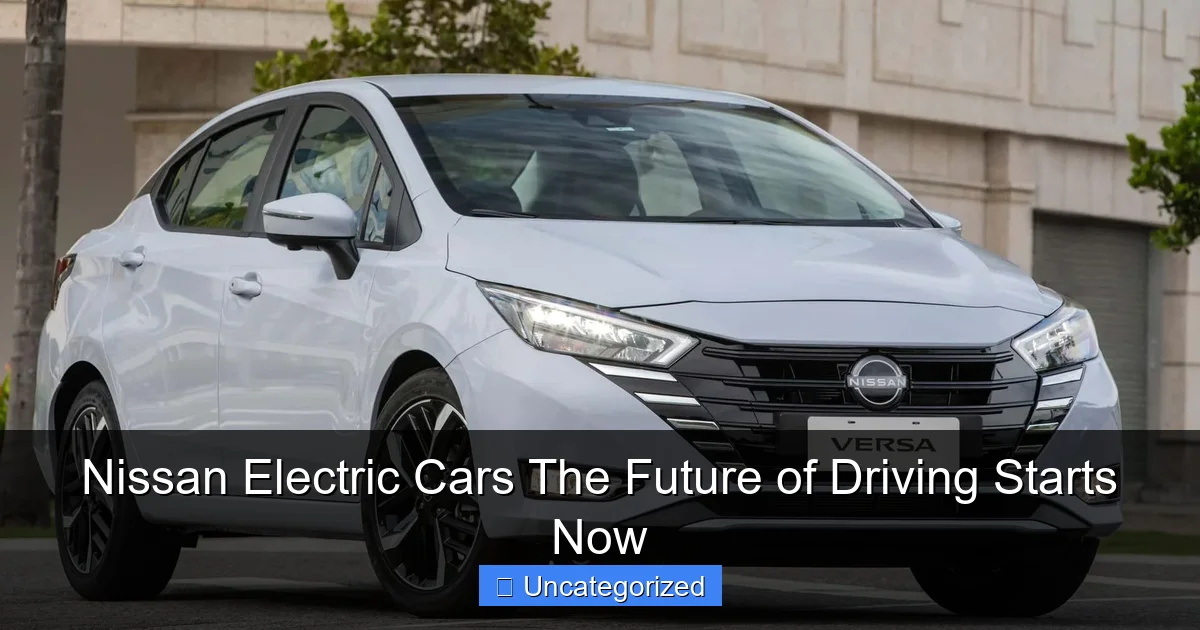
Featured image for nissan electric cars
Image source: cdn.motor1.com
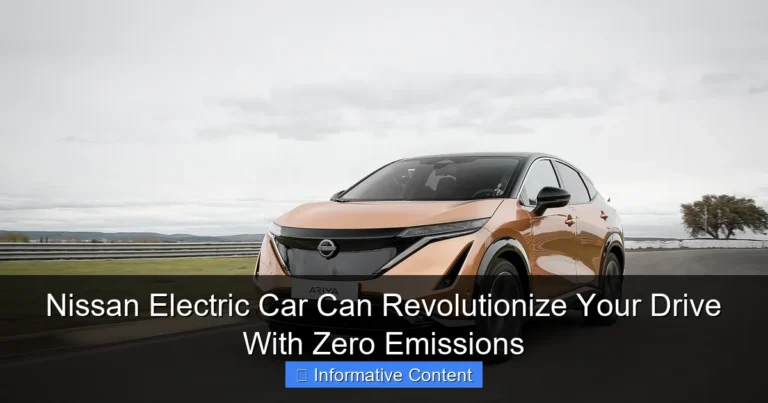
Nissan electric cars are redefining the future of driving with innovative technology, zero-emission performance, and accessible pricing that puts sustainability within reach. From the best-selling Nissan LEAF to the all-new Ariya SUV, Nissan blends cutting-edge design with intelligent features like e-Pedal and ProPILOT Assist, making every journey efficient, safe, and exhilarating.
Key Takeaways
- Nissan leads in affordable, long-range electric vehicles for daily commutes.
- Zero emissions driving reduces carbon footprint without sacrificing performance.
- ProPILOT Assist offers semi-autonomous driving for safer, stress-free trips.
- Fast charging gets you back on the road in under 30 minutes.
- Smart pricing makes EVs accessible with tax incentives and low upkeep.
- Vehicle-to-grid tech lets your car power homes during outages.
- Future-ready Nissan EVs integrate seamlessly with renewable energy systems.
📑 Table of Contents
- Nissan Electric Cars: The Future of Driving Starts Now
- The Evolution of Nissan Electric Cars: A Legacy of Innovation
- Key Technology Powering Nissan Electric Cars
- Nissan Electric Car Models: A Breakdown of the Lineup
- Ownership Benefits: Why Go Electric with Nissan?
- The Road Ahead: Nissan’s Vision for 2030 and Beyond
- Data Table: Nissan Electric Car Specifications (2023-2024)
- Conclusion: The Future Is Electric—And It’s Here
Nissan Electric Cars: The Future of Driving Starts Now
The automotive world is undergoing a seismic shift, and Nissan electric cars are at the forefront of this revolution. With the global push toward sustainability and reduced carbon emissions, electric vehicles (EVs) are no longer a futuristic dream—they are the present reality. Nissan, a brand synonymous with innovation and reliability, has been pioneering the EV movement for over a decade, setting benchmarks for performance, affordability, and accessibility. From the groundbreaking Nissan LEAF to the upcoming Ariya and beyond, Nissan is proving that electric mobility can be both practical and exhilarating.
But what sets Nissan electric cars apart in a rapidly growing market? It’s not just about swapping gasoline for electricity. It’s about reimagining the entire driving experience—offering quieter rides, lower maintenance, instant torque, and a seamless integration of smart technology. Whether you’re a city commuter, a weekend adventurer, or a family looking for a reliable, eco-friendly vehicle, Nissan’s electric lineup promises to meet your needs. In this comprehensive guide, we’ll dive into the history, technology, models, ownership benefits, and future of Nissan’s electric vehicles. The future of driving isn’t just coming—it’s already here.
The Evolution of Nissan Electric Cars: A Legacy of Innovation
From Concept to Reality: The Birth of the Nissan LEAF
Nissan didn’t just enter the electric car race—it helped define it. In 2010, the Nissan LEAF became the world’s first mass-produced, affordable electric vehicle, marking a turning point in automotive history. Unlike earlier EVs that were limited to niche markets or experimental prototypes, the LEAF was designed for everyday drivers. With a starting price under $30,000 (before incentives) and a 73-mile range in its first generation, it offered real-world usability.
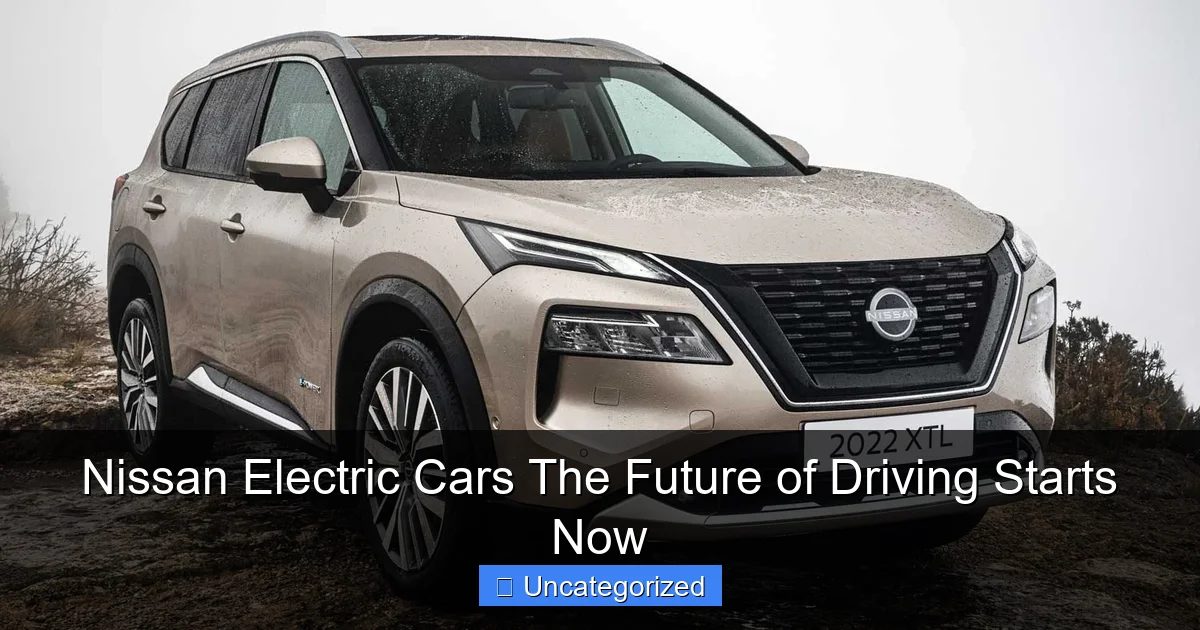
Visual guide about nissan electric cars
Image source: carnovo.com
The LEAF’s success wasn’t accidental. Nissan invested over a decade in battery R&D and collaborated with partners like NEC to develop its proprietary laminated lithium-ion battery pack. This innovation allowed for faster charging, better thermal management, and improved longevity. By 2013, the LEAF had already surpassed 100,000 global sales—making it the best-selling EV of all time at that point.
Continuous Improvement: How the LEAF Evolved
Nissan didn’t rest on its laurels. Over the years, the LEAF has undergone significant upgrades:
- 2013: Introduction of the LEAF SV and SL trims with improved battery chemistry (24 kWh), extending range to 84 miles.
- 2016: Launch of the LEAF 30 kWh, boosting range to 107 miles and introducing NissanConnect EV telematics.
- 2018: Release of the LEAF Plus (62 kWh battery), delivering 226 miles of range—nearly triple the original model.
- 2023: The current LEAF S and LEAF SV Plus offer up to 212 miles (S trim) and 215 miles (SV Plus), with enhanced infotainment and driver-assist features.
This evolution reflects Nissan’s commitment to staying competitive in an increasingly crowded EV market. The LEAF’s journey from a bold experiment to a trusted, high-performance EV is a testament to Nissan’s long-term vision.
Beyond the LEAF: Expanding the Electric Portfolio
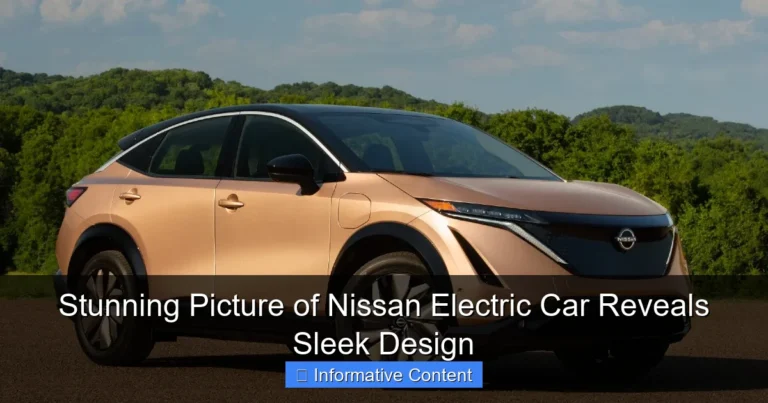
While the LEAF remains Nissan’s flagship EV, the brand has expanded its electric offerings to include the Nissan Ariya, a bold crossover SUV that combines luxury, performance, and advanced technology. The Ariya, launched in 2022, represents Nissan’s next-generation EV platform—CMF-EV—designed specifically for electric vehicles. With up to 304 miles of range (FWD long-range model), dual-motor e-4ORCE AWD, and a futuristic interior, the Ariya is a clear signal that Nissan is aiming for premium EV leadership.
Key Technology Powering Nissan Electric Cars
e-POWER: Nissan’s Unique Hybrid-Electric System
One of Nissan’s most innovative contributions to electrification is e-POWER, a technology that bridges the gap between traditional hybrids and full EVs. Unlike conventional hybrids, e-POWER vehicles are driven exclusively by electric motors—there’s no mechanical connection between the engine and the wheels. The gasoline engine acts solely as a generator, charging the battery while the car runs on electric power.
This system offers several advantages:
- Instant torque and smooth acceleration: Just like a full EV, e-POWER delivers responsive performance without lag.
- No range anxiety: With a gas tank, drivers can refuel quickly and continue driving without waiting for a charge.
- Lower emissions: Since the engine runs at optimal efficiency, emissions are significantly reduced compared to traditional ICE vehicles.
Currently available in models like the Nissan Kicks e-POWER and Serena e-POWER (in select international markets), this technology is poised to expand globally. It’s an ideal solution for drivers in areas with limited charging infrastructure or those who aren’t ready to fully commit to a battery-electric vehicle.
e-4ORCE: Nissan’s Intelligent All-Wheel Drive for EVs
The e-4ORCE system, introduced with the Ariya, is Nissan’s answer to high-performance electric all-wheel drive. Unlike mechanical AWD systems, e-4ORCE uses dual electric motors—one at the front and one at the rear—to deliver precise torque distribution in real time. This results in:
- Enhanced traction and stability: Especially in wet, snowy, or off-road conditions.
- Smoother cornering: By independently controlling front and rear torque, the system reduces understeer and improves handling.
- Regenerative braking optimization: e-4ORCE coordinates both motors to maximize energy recovery during deceleration.
For example, in the Ariya, e-4ORCE can shift from 100% front-wheel drive to a 50:50 split in milliseconds, adapting to road conditions seamlessly. This technology isn’t just about performance—it’s about safety and confidence in all driving scenarios.
ProPILOT Assist: Nissan’s Driver Assistance Suite
Safety and convenience are central to Nissan’s EV philosophy, and ProPILOT Assist is a key component. This semi-autonomous driving system combines adaptive cruise control, lane-keeping assist, and traffic jam assist to reduce driver fatigue on highways and in stop-and-go traffic.
Key features include:
- Single-lane highway driving: Maintains speed and keeps the car centered in its lane.
- Traffic jam assist: Handles acceleration, braking, and steering in congested traffic at speeds up to 37 mph.
- ProPILOT Park (available on Ariya): Automates parking maneuvers with the press of a button.
For city drivers, ProPILOT Assist reduces stress during daily commutes. For long-distance travelers, it adds a layer of comfort and safety. Nissan continues to refine this system, with plans to introduce ProPILOT 2.0—a hands-free, multi-lane driving experience—on future models.
Nissan Electric Car Models: A Breakdown of the Lineup
Nissan LEAF: The Original Electric Pioneer
The Nissan LEAF remains the cornerstone of Nissan’s electric lineup, offering two battery options:
- LEAF S (40 kWh): 149 miles of range, ideal for city driving and short commutes.
- LEAF SV Plus (62 kWh): 215 miles of range, suitable for longer trips and daily use.
Both models come with:
- 8-inch touchscreen with Apple CarPlay and Android Auto
- e-Pedal (one-pedal driving mode for acceleration and braking)
- Standard ProPILOT Assist (on SV and higher trims)
- DC fast charging (up to 80% in 40 minutes)
Tip: If you’re new to EVs, the LEAF S is an excellent entry point. Its lower price and proven reliability make it a low-risk, high-reward choice. For drivers with longer commutes, the SV Plus is worth the investment.
Nissan Ariya: The Future of Electric SUVs
The Nissan Ariya is Nissan’s first dedicated electric SUV, built on the CMF-EV platform. It’s available in multiple configurations:
- FWD (63 kWh): 251 miles range, 214 hp
- FWD (87 kWh): 304 miles range, 238 hp
- AWD (63 kWh): 250 miles range, 335 hp (e-4ORCE)
- AWD (87 kWh): 272 miles range, 389 hp (e-4ORCE)
Key highlights:
- Minimalist, futuristic interior: Features a 12.3-inch digital instrument cluster and a 12.3-inch infotainment screen.
- Zero Gravity seats: Designed for long-term comfort and reduced fatigue.
- Vehicle-to-everything (V2X) capability: Can power homes or devices during outages (with optional inverter).
Example: The Ariya’s V2X feature could power a refrigerator for 24 hours during a blackout—turning your car into a mobile power station.
Upcoming Models: What’s Next for Nissan?
Nissan has announced plans to launch 15 new EVs by 2030, including:
- Nissan Micra EV: A compact, affordable city car based on the CMF-BEV platform.
- Electric Pickup Truck: A rugged, work-ready EV aimed at the growing market for electric utility vehicles.
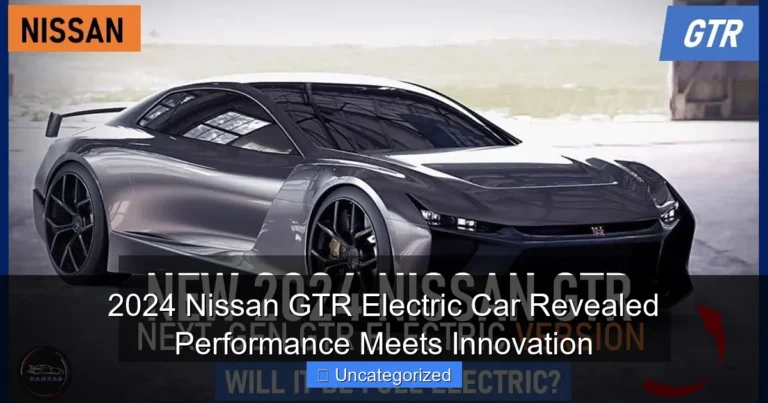
- Nissan Hyper Urban: A high-performance, sporty EV with advanced AI and connectivity features (concept revealed in 2023).
These upcoming models signal Nissan’s ambition to cover every segment—from city cars to SUVs to trucks—with electric power.
Ownership Benefits: Why Go Electric with Nissan?
Lower Total Cost of Ownership
While the upfront cost of an EV can be higher, Nissan electric cars offer significant long-term savings:
- Fuel savings: Electricity is cheaper than gasoline. On average, EV owners save $1,000+ per year on fuel.
- Reduced maintenance: No oil changes, spark plugs, or exhaust systems. Brakes last longer due to regenerative braking.
- Tax incentives: In the U.S., the LEAF and Ariya qualify for a $7,500 federal tax credit (subject to phase-out rules).
- State and local rebates: Many states offer additional incentives, such as California’s $2,000 Clean Vehicle Rebate.
Tip: Use the U.S. Department of Energy’s Incentive Database to find local rebates and tax credits.
Charging Made Easy: Home, Public, and Fast Charging
Nissan supports all major charging options:
- Level 1 (120V): Standard household outlet. Adds ~4 miles of range per hour. Best for overnight charging.
- Level 2 (240V): Home or public charging. Adds~25 miles of range per hour. Recommended for daily use.
- DC Fast Charging (480V): Available at Nissan dealerships and public stations. Charges LEAF/Ariya from 15% to 80% in 30-40 minutes.
Practical Example: A Nissan Ariya owner with a Level 2 home charger can wake up every morning with a full battery. For road trips, use the NissanConnect EV app to locate fast chargers along your route.
Sustainability and Environmental Impact
Driving a Nissan electric car reduces your carbon footprint significantly. According to the EPA, the average gasoline car emits 4.6 metric tons of CO₂ per year. The LEAF, charged with the U.S. grid average, emits only 2.3 tons—and even less if charged with renewable energy.
Nissan also prioritizes sustainability in manufacturing:
- Recycled materials in interior components
- Solar panels at production facilities (e.g., Smyrna, Tennessee plant)
- Second-life battery programs (repurposing old LEAF batteries for grid storage)
The Road Ahead: Nissan’s Vision for 2030 and Beyond
Nissan Ambition 2030: Electrifying the Future
Nissan’s Ambition 2030 plan is one of the most ambitious electrification strategies in the industry. Key goals include:
- 23 new electrified models (15 fully electric) by 2030
- 50% electrified sales mix in major markets (U.S., Europe, Japan, China)
- Development of solid-state batteries by 2028, promising 2x energy density and 50% faster charging
- Global rollout of e-POWER technology
This vision positions Nissan as a leader in affordable, high-performance EVs for the masses.
Solid-State Batteries: The Next Frontier
Nissan is investing heavily in solid-state batteries (SSB), which replace liquid electrolytes with solid materials. Benefits include:
- Up to 1,000 km (621 miles) of range
- 15-minute fast charging (vs. 30-40 minutes for current EVs)
- Improved safety (no risk of thermal runaway)
- Lower production costs over time
With SSBs, Nissan aims to eliminate range anxiety and charging time—two of the biggest barriers to EV adoption.
Building a Charging Ecosystem
Nissan isn’t just building cars—it’s building infrastructure. Through partnerships with ChargePoint, EVgo, and Electrify America, Nissan offers:
- Free charging credits for new LEAF and Ariya buyers
- Seamless integration with the NissanConnect app
- Plans for ultra-fast 350 kW chargers at dealerships
Data Table: Nissan Electric Car Specifications (2023-2024)
| Model | Battery (kWh) | Range (EPA) | Horsepower | 0-60 mph | DC Fast Charging | Starting MSRP |
|---|---|---|---|---|---|---|
| Nissan LEAF S | 40 | 149 miles | 147 hp | 7.4 sec | Yes (50 kW max) | $28,040 |
| Nissan LEAF SV Plus | 62 | 215 miles | 214 hp | 6.8 sec | Yes (100 kW max) | $36,040 |
| Nissan Ariya Venture+ (FWD) | 87 | 304 miles | 238 hp | 7.2 sec | Yes (130 kW max) | $43,190 |
| Nissan Ariya Evolve+ (e-4ORCE) | 87 | 272 miles | 389 hp | 5.1 sec | Yes (130 kW max) | $54,190 |
Note: Prices and specs may vary by region and trim. Federal tax credit of $7,500 may apply.
Conclusion: The Future Is Electric—And It’s Here
The era of Nissan electric cars is not a distant promise—it’s unfolding right now. From the pioneering LEAF to the luxurious Ariya, Nissan has proven that electric mobility can be accessible, reliable, and exhilarating. With cutting-edge technologies like e-POWER, e-4ORCE, and ProPILOT Assist, Nissan is redefining what it means to drive in the 21st century.
But it’s not just about technology. It’s about value. Lower fuel and maintenance costs, generous tax incentives, and a growing charging network make EV ownership more practical than ever. And with Nissan’s Ambition 2030 plan, the future looks even brighter—with longer ranges, faster charging, and more affordable models on the horizon.
Whether you’re a first-time EV buyer or a seasoned driver looking to upgrade, Nissan offers a compelling path to sustainable, high-performance driving. The future of driving isn’t just about going electric—it’s about driving smarter, cleaner, and with more confidence. And with Nissan electric cars, that future starts now.
Frequently Asked Questions
What are the top Nissan electric cars available today?
Nissan electric cars like the Ariya and Leaf lead the lineup, offering eco-friendly performance with ranges up to 304 miles (Ariya). Both models feature advanced tech, including ProPILOT Assist for semi-autonomous driving.
How long does it take to charge a Nissan electric car?
Charging times vary by model and power source: the Nissan Leaf charges fully in 8–12 hours with Level 2 (240V), while DC fast charging can deliver 80% in 40–60 minutes. The Ariya supports even faster charging speeds.
Are Nissan electric cars affordable compared to other EVs?
Nissan electric cars are competitively priced, with the Leaf starting under $30,000 (before incentives) and the Ariya offering premium features at mid-range prices. Federal and state EV tax credits can further reduce costs.
What is the range of Nissan electric cars on a single charge?
The Nissan Leaf delivers 149–212 miles (depending on battery size), while the Ariya reaches up to 304 miles. Real-world range varies based on driving conditions and climate.
Do Nissan electric cars support over-the-air updates?
Yes! Newer Nissan electric cars like the Ariya receive over-the-air (OTA) software updates, enhancing performance, safety features, and infotainment without needing a dealership visit.
How does Nissan ensure battery durability in their EVs?
Nissan uses advanced thermal management systems and offers an 8-year/100,000-mile battery warranty on all Nissan electric cars. Their batteries are designed to retain 90%+ capacity after 10 years of typical use.