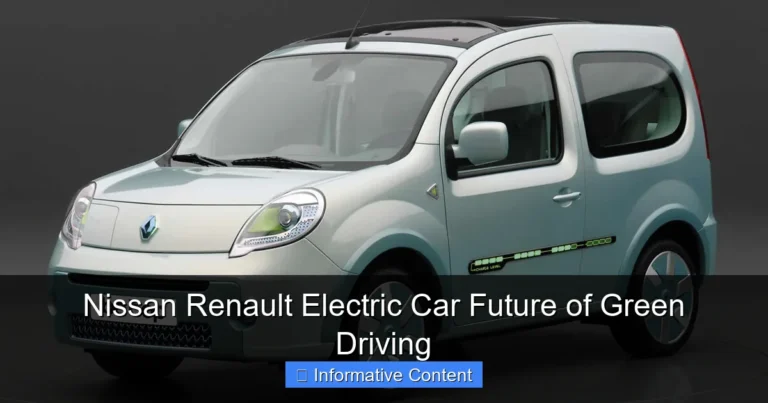
Nissan Fully Electric Car Review Top Features and Benefits
Featured image for nissan fully electric car
The Nissan fully electric car delivers impressive range and zero emissions, making it a top contender in the EV market for eco-conscious drivers. With rapid charging, advanced driver-assist tech, and a sleek, modern design, it combines performance, innovation, and everyday practicality seamlessly.
Key Takeaways
- Zero emissions: Drive clean with 100% electric power and no tailpipe pollution.
- Long range: Up to 300+ miles per charge, ideal for daily commutes and road trips.
- Fast charging: Recharge up to 80% in 30 minutes using DC fast chargers.
- Regenerative braking: Recover energy and extend range with one-pedal driving mode.
- Advanced safety: Equipped with ProPILOT Assist for confident highway driving.
- Low maintenance: Fewer moving parts mean reduced service costs and downtime.
📑 Table of Contents
- Nissan Fully Electric Car Review: Top Features and Benefits
- 1. Nissan’s Electric Legacy: From Leaf to Ariya
- 2. Cutting-Edge Technology and Smart Features
- 3. Impressive Range, Charging, and Battery Performance
- 4. Sustainable Design and Eco-Friendly Materials
- 5. Cost of Ownership, Incentives, and Long-Term Value
- 6. Who Should Choose a Nissan Fully Electric Car?
- Final Thoughts: Why Nissan Leads in Electric Mobility
Nissan Fully Electric Car Review: Top Features and Benefits
The automotive industry is undergoing a revolutionary shift toward electrification, and Nissan is at the forefront of this transformation with its line of fully electric vehicles (EVs). As one of the earliest adopters of mass-market electric mobility, Nissan has built a reputation for innovation, reliability, and affordability in the EV space. With the global push for sustainable transportation, the demand for zero-emission vehicles has never been higher—and Nissan’s fully electric cars are perfectly positioned to meet this growing need.
From the pioneering Nissan Leaf to the bold and futuristic Nissan Ariya, the brand offers a diverse range of fully electric vehicles that cater to different lifestyles, budgets, and performance expectations. Whether you’re a city commuter, a tech-savvy professional, or an eco-conscious family, Nissan’s electric lineup delivers compelling features, impressive range, and cutting-edge technology. In this comprehensive Nissan fully electric car review, we’ll explore the top features, real-world benefits, and what makes these vehicles stand out in today’s competitive EV market.
1. Nissan’s Electric Legacy: From Leaf to Ariya
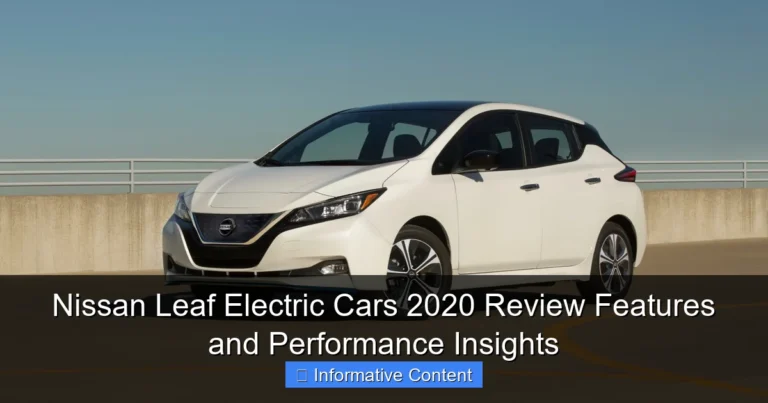
Nissan has been a trailblazer in the electric vehicle industry since launching the Nissan Leaf in 2010—the world’s first mass-produced, affordable electric car. Over a decade later, the Leaf has sold over 600,000 units globally, proving that EVs can be practical, dependable, and accessible. But Nissan didn’t stop there. With the introduction of the Nissan Ariya in 2022, the brand has entered a new era of premium, high-performance electric mobility.
The Evolution of the Nissan Leaf
The original Nissan Leaf was revolutionary for its time, offering a 73-mile range with a 24 kWh battery. Fast forward to today, and the 2024 Nissan Leaf comes in two variants: the Leaf S and Leaf SV Plus. The Leaf S offers a 149-mile range with a 40 kWh battery, while the SV Plus boosts that to 212 miles with a 62 kWh pack. This evolution reflects Nissan’s commitment to improving battery efficiency, reducing charging times, and increasing real-world usability.
- Affordability: The Leaf remains one of the most budget-friendly new EVs, with the base model starting under $30,000 (before federal tax credits).
- Proven Reliability: With over 10 years of real-world data, the Leaf has demonstrated strong durability and low maintenance costs.
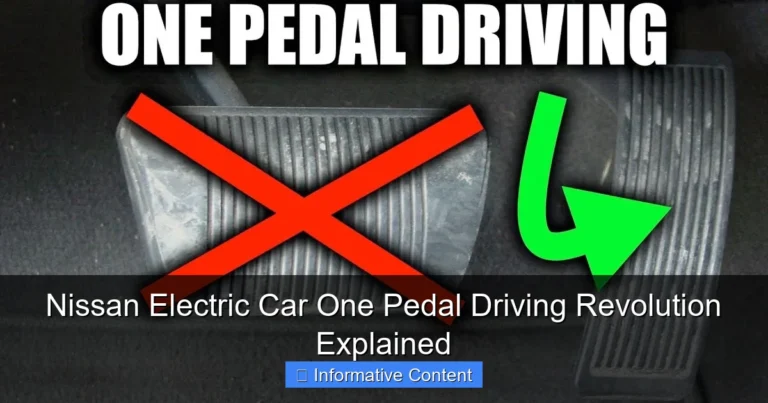
- E-Pedal System: A signature feature allowing one-pedal driving by using regenerative braking to slow the car—ideal for stop-and-go city traffic.
Tip: If you’re new to EVs and want a low-risk entry point, the Leaf is an excellent choice. Its compact size, intuitive interface, and widespread charging infrastructure make it perfect for urban drivers.
The Nissan Ariya: A Leap into the Future
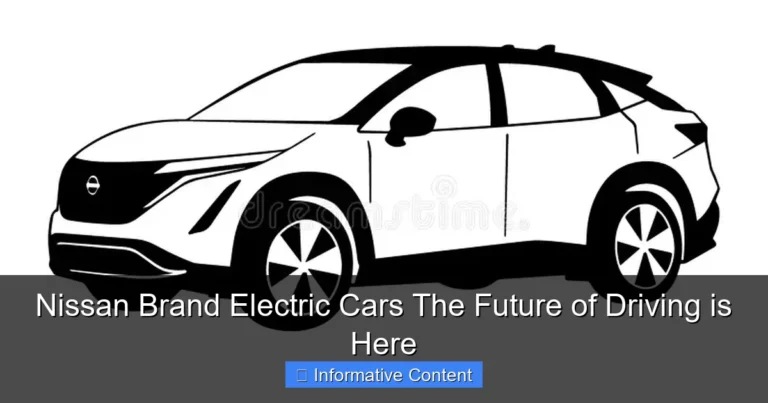
The Nissan Ariya marks a significant upgrade in design, technology, and performance. Built on the brand-new CMF-EV platform, the Ariya is Nissan’s first global electric crossover, designed to compete with premium models like the Tesla Model Y and Ford Mustang Mach-E.
- Range: Up to 304 miles on the front-wheel-drive (FWD) model with the 87 kWh battery.
- All-Wheel Drive (AWD): The e-4ORCE dual-motor system delivers 389 horsepower and improved traction in all weather conditions.
- Design: A sleek, coupe-like SUV with a minimalist interior and a 12.3-inch touchscreen infotainment system.
The Ariya also features ProPILOT Assist 2.0, Nissan’s advanced driver assistance system that enables hands-off driving on highways under certain conditions—making long-distance EV travel more comfortable and safe.
2. Cutting-Edge Technology and Smart Features
One of the standout aspects of Nissan’s fully electric cars is their integration of smart technology designed to enhance convenience, safety, and driving experience. From advanced driver assistance to seamless connectivity, Nissan has invested heavily in making its EVs intuitive and user-friendly.
ProPILOT Assist and e-Pedal Driving
The ProPILOT Assist system combines adaptive cruise control with lane-centering technology to reduce driver fatigue on highways. In the Ariya, ProPILOT Assist 2.0 allows for hands-free driving in single-lane traffic on mapped highways, using GPS and 3D mapping data. This feature is especially beneficial during long commutes or cross-country road trips.
- e-Pedal: Available on both Leaf and Ariya, this feature lets drivers accelerate, decelerate, and stop using only the accelerator pedal. When you lift off, the car regeneratively brakes, converting kinetic energy back into battery power.
- Energy Efficiency: e-Pedal can increase regenerative energy recovery by up to 20%, extending range in urban environments.
Tip: To maximize range, use e-Pedal mode in city driving. It reduces brake wear and increases energy recapture—ideal for stoplights and traffic jams.
Infotainment and Connectivity
Nissan’s NissanConnect system offers a modern, responsive interface with Apple CarPlay, Android Auto, and over-the-air (OTA) updates. The Ariya takes it further with a dual-screen setup: a 12.3-inch digital instrument cluster and a 12.3-inch touchscreen center display.
- Voice Control: Use natural voice commands to adjust climate, navigation, and media—no need to take your hands off the wheel.
- Remote Access: The Nissan app lets you preheat or cool the cabin, check battery status, and schedule charging from your smartphone.
- OTA Updates: Like smartphones, Nissan EVs receive software updates that improve performance, add features, and fix bugs—no dealership visit required.
For example, a recent OTA update added enhanced navigation routing with charging station recommendations based on real-time traffic and battery levels.
Advanced Safety Suite
All Nissan fully electric cars come standard with the Nissan Safety Shield 360, a comprehensive suite of safety technologies including:
- Automatic Emergency Braking with Pedestrian Detection
- Rear Automatic Braking
- Blind Spot Warning
- Lane Departure Warning
- High Beam Assist
- Rear Cross Traffic Alert
The Ariya adds Intelligent Around View Monitor with moving object detection, making parking in tight spaces easier and safer.
3. Impressive Range, Charging, and Battery Performance
Range anxiety remains one of the biggest concerns for potential EV buyers. Nissan addresses this with a combination of real-world range, fast-charging capability, and battery longevity. Let’s break down how Nissan’s EVs perform in daily use.
Real-World Range by Model
While EPA estimates provide a baseline, real-world range can vary based on driving style, weather, and terrain. Here’s how Nissan’s electric cars perform in everyday conditions:
- Nissan Leaf S (40 kWh): 149-mile EPA range; ~130 miles in mixed city/highway driving (winter reduces this by 15–20%).
- Nissan Leaf SV Plus (62 kWh): 212-mile EPA range; ~190 miles in real-world conditions.
- Nissan Ariya FWD (87 kWh): 304-mile EPA range; ~270 miles with moderate use.
- Nissan Ariya AWD (63 kWh): 272-mile EPA range; ~240 miles with e-4ORCE system engaged.
Tip: Use the Eco mode and preconditioning (warming the cabin while still plugged in) to maximize winter range. Preconditioning can save up to 10% of battery capacity.
Charging Infrastructure and Speed
Nissan supports multiple charging options:
- Level 1 (120V): Adds ~4–5 miles per hour—best for overnight charging at home.
- Level 2 (240V): Adds ~25–30 miles per hour; ideal for home charging stations (installation cost: $500–$1,500).
- DC Fast Charging (CCS): The Leaf and Ariya support up to 100 kW (Leaf) and 130 kW (Ariya) charging speeds.
Using a DC fast charger, the Ariya can go from 10% to 80% in about 30 minutes, while the Leaf SV Plus takes around 40 minutes. Nissan also offers free charging for two years at participating EVgo stations with Ariya purchases—great for road trips.
Battery Longevity and Warranty
Nissan provides an 8-year/100,000-mile battery warranty on all its electric vehicles, covering capacity loss and defects. Real-world data shows that Nissan Leaf batteries degrade at about 2.3% per year, meaning a 2018 Leaf with 100,000 miles still has ~80% of its original capacity.
- Thermal Management: The Ariya features an advanced liquid-cooled battery system, which improves charging speed and longevity, especially in extreme temperatures.
- Battery Recycling: Nissan has partnered with 4R Energy to repurpose used Leaf batteries for home energy storage and backup power.
4. Sustainable Design and Eco-Friendly Materials
Nissan’s commitment to sustainability goes beyond zero tailpipe emissions. The company is rethinking every aspect of vehicle production to reduce environmental impact—from materials to manufacturing.
Green Manufacturing and Materials
The Nissan Ariya is built at the Tochigi Plant in Japan, which uses 100% renewable energy. The interior features sustainable materials such as:
- Recycled Plastics: Used in door panels, floor mats, and trim.
- Bio-Based Fabrics: Seats made from recycled PET bottles and plant-based fibers.
- Zero Leather Option: The Ariya offers a premium fabric interior with a soft-touch, leather-like feel—ideal for eco-conscious buyers.
Nissan has also eliminated chrome plating in favor of eco-coatings, reducing hazardous waste in production.
Carbon Footprint Reduction
According to Nissan’s Green Program 2030, the company aims to achieve carbon neutrality across its operations and product lifecycle by 2050. This includes:
- Using recycled aluminum and steel in body construction
- Reducing water usage in manufacturing by 25% by 2030
- Expanding battery recycling and second-life applications
For example, used Leaf batteries are being repurposed in solar-powered streetlights and grid storage systems in Japan and Europe.
Home Energy Integration
Nissan’s Vehicle-to-Grid (V2G) and Vehicle-to-Home (V2H) technologies allow EVs to power homes during outages or feed energy back into the grid. The Ariya supports bidirectional charging, enabling it to act as a mobile power source—ideal for emergencies or off-grid living.
Tip: If you have solar panels, pair your Nissan EV with a home energy storage system (like Nissan’s own XStorage) to create a complete renewable energy ecosystem.
5. Cost of Ownership, Incentives, and Long-Term Value
While the upfront cost of an EV can be higher than a gas-powered car, the total cost of ownership (TCO) is often lower due to savings on fuel, maintenance, and incentives. Nissan’s fully electric cars offer excellent value when you consider the long-term benefits.
Upfront Pricing and Incentives
Here’s a breakdown of starting prices (before incentives) for 2024 models:
| Model | Starting MSRP | Federal Tax Credit (Potential) | Estimated Net Price |
|---|---|---|---|
| Nissan Leaf S | $28,040 | $3,750 | $24,290 |
| Nissan Leaf SV Plus | $36,040 | $3,750 | $32,290 |
| Nissan Ariya Engage FWD | $43,190 | $3,750 | $39,440 |
| Nissan Ariya Empower AWD | $49,250 | $3,750 | $45,500 |
Note: Federal tax credits are subject to eligibility and may vary by state. Additional state and local incentives (e.g., CA, NY, CO) can save thousands more.
Fuel and Maintenance Savings
Electric cars require less maintenance than internal combustion engine (ICE) vehicles. With no oil changes, spark plugs, or exhaust systems, Nissan EVs offer significant savings:
- Fuel: Charging a Leaf costs about $6 for 100 miles (vs. $12+ for a gas car at $3.50/gallon).
- Maintenance: Over 100,000 miles, EVs save ~$4,600 in maintenance (source: Consumer Reports).
- Regenerative Braking: Reduces brake pad wear by up to 50%.
Resale Value and Depreciation
Historically, EVs depreciated faster than ICE vehicles, but this is changing. The Nissan Ariya, with its premium positioning and advanced tech, is expected to hold value better than the Leaf. According to Edmunds, the 2023 Ariya retains ~55% of its value after 3 years—comparable to luxury SUVs.
Tip: To maximize resale value, keep your Nissan EV charged between 20% and 80%, avoid extreme temperatures, and use a Level 2 charger at home.
6. Who Should Choose a Nissan Fully Electric Car?
Nissan’s electric lineup is designed for a wide range of drivers. Whether you’re a first-time EV buyer or a seasoned eco-advocate, there’s a Nissan EV that fits your needs.
Ideal for City Commuters: Nissan Leaf
If you drive less than 150 miles per day and live in an urban area, the Nissan Leaf is a perfect fit. Its compact size, low entry price, and ease of charging make it ideal for:
- Daily commutes to work
- School drop-offs and errands
- City parking and maneuverability
With access to over 45,000 public charging stations in the U.S., the Leaf is well-supported for city dwellers.
Perfect for Families and Road Trippers: Nissan Ariya
The Nissan Ariya offers more space, range, and luxury—making it ideal for:
- Family road trips (304-mile range reduces charging stops)
- All-weather driving (AWD with e-4ORCE)
- Tech-savvy users who want premium features
With a spacious interior, 18 cubic feet of cargo space (expandable to 59 with rear seats folded), and advanced safety tech, the Ariya is a versatile choice for modern families.
Eco-Conscious Buyers and Sustainability Advocates
For drivers who prioritize environmental impact, Nissan’s commitment to recycled materials, green manufacturing, and battery recycling makes its EVs a responsible choice. The ability to integrate with solar and home energy systems further enhances their appeal.
Whether you’re drawn to the affordability of the Leaf or the premium performance of the Ariya, Nissan’s fully electric cars deliver a compelling mix of innovation, sustainability, and value. With continuous improvements in range, technology, and charging infrastructure, Nissan is proving that electric mobility is not just the future—it’s here today.
Final Thoughts: Why Nissan Leads in Electric Mobility
In this Nissan fully electric car review, we’ve explored the brand’s rich history, cutting-edge technology, real-world performance, and long-term value. From the pioneering Leaf to the futuristic Ariya, Nissan has consistently delivered EVs that are practical, reliable, and forward-thinking. Their focus on affordability, sustainability, and smart technology sets them apart in a crowded market.
Nissan isn’t just building electric cars—it’s building a cleaner, smarter transportation ecosystem. With incentives, low operating costs, and a growing charging network, now is the perfect time to make the switch. Whether you’re looking to reduce your carbon footprint, save on fuel, or experience the thrill of silent, instant torque, a Nissan fully electric car offers a compelling solution.
As the world moves toward a greener future, Nissan remains a trusted leader—proving that innovation and sustainability can go hand in hand. If you’re ready to embrace the electric revolution, the Leaf and Ariya are excellent places to start.
Frequently Asked Questions
What makes the Nissan fully electric car stand out in the EV market?
The Nissan fully electric car, like the Ariya and Leaf, stands out with its competitive pricing, ProPILOT driver-assist technology, and up to 304 miles of range (Ariya). Its user-friendly infotainment and bold SUV-inspired design also appeal to practical yet style-conscious buyers.
How long does it take to charge a Nissan electric car?
Charging times vary: a 240V home charger replenishes the Nissan Leaf in 8–12 hours, while DC fast charging (available on the Ariya) can reach 80% in about 30–40 minutes. Level 2 charging is ideal for overnight top-ups.
Does the Nissan fully electric car have enough range for daily commutes?
Yes, the Nissan Leaf (149–212 miles) and Ariya (up to 304 miles) easily cover average daily commutes. Even the base Leaf exceeds the U.S. average round-trip commute (40 miles) on a single charge.
What safety features come with Nissan’s electric vehicles?
Nissan EVs include advanced safety tech like ProPILOT Assist (adaptive cruise control + lane-keeping), automatic emergency braking, blind-spot monitoring, and rear cross-traffic alert. These features enhance driver confidence on highways and in traffic.
Are Nissan electric cars eligible for government incentives?
Yes, depending on your location, Nissan fully electric cars may qualify for federal tax credits (e.g., up to $7,500 in the U.S. for eligible models) and state/local rebates. Check current programs, as eligibility can change.
What is the warranty coverage for Nissan’s electric car batteries?
Nissan offers an 8-year/100,000-mile battery warranty for its electric vehicles, covering defects and capacity loss below 9 bars (approx. 70% capacity). This provides long-term peace of mind for battery performance.