Nissan Leaf Electric Used Car Top Picks and Buying Tips
Featured image for nissan leaf electric used car
The Nissan Leaf is one of the most affordable and reliable used electric cars on the market, offering strong value for eco-conscious buyers seeking a proven EV with low running costs. Prioritize models from 2018 or newer with the 40–62 kWh battery pack to ensure better range, modern tech, and remaining factory warranty coverage.
Key Takeaways
- Prioritize battery health: Check degradation reports to avoid costly replacements.
- Model year matters: Newer Leafs offer better range and tech upgrades.
- Verify service history: Ensure regular maintenance for long-term reliability.
- Test drive essentials: Assess acceleration, braking, and charging performance.
- Compare pricing: Use market data to negotiate a fair deal.
- Review incentives: Some regions offer used EV tax credits or rebates.
📑 Table of Contents
- Why the Nissan Leaf Electric Used Car Is a Game-Changer
- Understanding the Nissan Leaf Generations and Key Upgrades
- How to Evaluate Battery Health and Degradation
- Top Used Nissan Leaf Models to Buy (2024 Recommendations)
- Essential Buying Tips and Inspection Checklist
- Ownership Experience: Costs, Charging, and Maintenance
- Final Thoughts: Is a Used Nissan Leaf Right for You?
Why the Nissan Leaf Electric Used Car Is a Game-Changer
The Nissan Leaf has been a trailblazer in the world of electric vehicles (EVs) since its debut in 2010. As one of the first mass-market EVs, it has earned a reputation for reliability, affordability, and innovation. For buyers exploring the used car market, the Nissan Leaf electric used car stands out as a compelling option. Whether you’re an eco-conscious driver, a city commuter, or someone looking to reduce fuel costs, the Leaf offers a practical and accessible entry into the electric revolution. With over half a million units sold worldwide, the Leaf has proven its staying power, making it a smart choice for those seeking value and sustainability.
Buying a used Nissan Leaf isn’t just about saving money—it’s about investing in a vehicle that has matured through multiple generations, each improving on the last. From the early 2011–2017 models with modest range to the 2018+ versions boasting over 150 miles per charge, the Leaf has evolved into a well-rounded EV. However, navigating the used market requires knowledge: understanding battery degradation, recognizing model-specific upgrades, and knowing what to look for during inspection. This guide will help you identify the top Nissan Leaf electric used car picks, decode the technology, and arm you with essential buying tips to make a confident purchase.
Understanding the Nissan Leaf Generations and Key Upgrades
First Generation (2011–2017): The Pioneering Leaf
The original Nissan Leaf (2011–2017) laid the groundwork for affordable EVs. Early models (2011–2012) came with a 24 kWh battery pack, offering an EPA-rated range of 73 miles—sufficient for city driving but limited for long trips. A major upgrade arrived in 2013 with the 24 kWh battery’s refinement and improved cold-weather performance. The 2016–2017 models introduced the Leaf 30 kWh battery, boosting range to 107 miles, a significant leap for the era.
- Key Features: Regenerative braking, CHAdeMO fast charging (30–40 minutes for 80%), and basic infotainment (upgraded to touchscreen in 2013).
- Best For: Budget-conscious buyers or short-distance commuters. Example: A 2016 Leaf SV with 30 kWh battery is ideal for a 30-mile daily commute.
- Watch For: Battery degradation (10–20% loss after 5 years). Use the LeafSpy app to check battery health.
Second Generation (2018–Present): The Modern Leaf
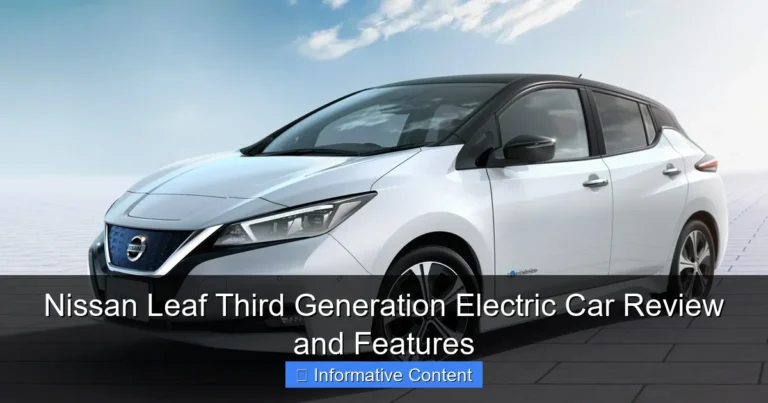
The 2018 redesign marked a turning point: a sleeker design, a 40 kWh battery (149-mile range), and Nissan’s e-Pedal system (one-pedal driving). The 2019 Leaf Plus introduced a 62 kWh battery (226-mile range), closing the gap with competitors. Tech upgrades included Apple CarPlay/Android Auto, ProPILOT Assist (adaptive cruise control), and a 8-inch touchscreen.
- Key Features: e-Pedal, ProPILOT Assist, improved aerodynamics, and faster charging (40 kWh: 40–50 minutes for 80%; 62 kWh: 60–70 minutes).
- Best For: Buyers needing longer range or advanced features. Example: A 2020 Leaf SL Plus (62 kWh) suits a 100-mile daily round trip.
- Watch For: Verify ProPILOT functionality during test drives. Some 2018–2019 models have software glitches.
Special Editions and Trims to Consider
Nissan released limited editions like the 2019 Leaf SL Plus with e-Pedal and Bose audio, ideal for tech enthusiasts. Trims (S, SV, SL) vary in features:
- S: Basic amenities (manual seats, no navigation).
- SV: Mid-tier (navigation, heated seats, optional ProPILOT).
- SL: Premium (leather, LED lights, Bose audio).
Tip: Prioritize SV or SL trims for better resale value and features. Example: A 2019 SV Plus (62 kWh) with ProPILOT offers a balanced mix of range and tech.
How to Evaluate Battery Health and Degradation
Why Battery Health Matters
The battery is the heart of any EV. For a Nissan Leaf electric used car, degradation directly impacts range and value. Nissan’s lithium-ion batteries lose ~2–3% capacity annually, but factors like climate, charging habits, and mileage accelerate this. A degraded battery may reduce range by 30–50%, turning a 100-mile car into a 60-mile one.
Tools and Methods to Check Battery Health
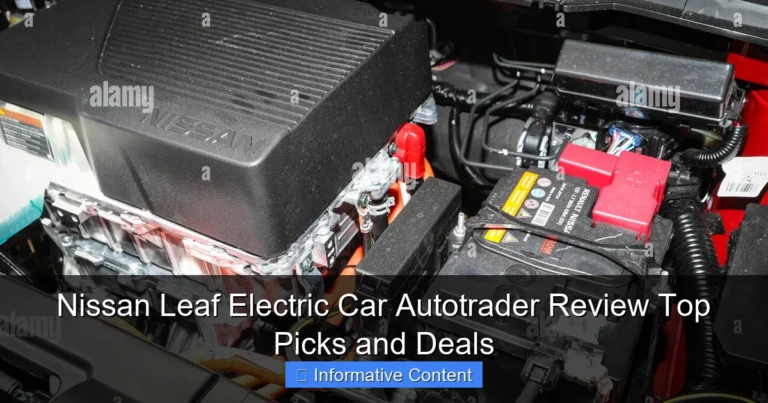
- LeafSpy App (Android): Connects via OBD2 port to show:
- SOH (State of Health): 80% or higher is good; below 70% raises red flags.
- Capacity (kWh): Compare to original specs (e.g., 40 kWh battery showing 36 kWh = 10% loss).
- Charging Cycles: High cycles (100+) may indicate heavy use.
- Nissan Dealership Diagnostic: Request a “Battery Health Report” (cost: $50–$100). Example: A 2017 Leaf with 75% SOH is acceptable; 65% may require negotiation.
- Visual Inspection: Check for:
- Swollen battery pack (rare but critical).
- Error messages on the dashboard.
Battery Warranty and Replacement Costs
Nissan offers an 8-year/100,000-mile battery warranty (2013+ models), covering defects and capacity loss below 70–75%. Out-of-warranty replacements cost $5,000–$8,000 (40 kWh) or $10,000+ (62 kWh). Tip: Buy a Leaf with remaining warranty or set aside funds for future repairs. Example: A 2019 Leaf Plus with 4 years left on warranty is a safer bet.
Top Used Nissan Leaf Models to Buy (2024 Recommendations)
Best Budget Pick: 2016–2017 Leaf SV (30 kWh)
With prices averaging $8,000–$12,000, this model offers 107-mile range and CHAdeMO charging. Ideal for city driving or as a second car. Why it’s great: Low entry cost, proven reliability, and ample parts availability. Watch for: Battery degradation (test with LeafSpy).
Best Value for Money: 2019 Leaf SV (40 kWh)
Priced at $13,000–$17,000, it delivers 149-mile range, e-Pedal, and Apple CarPlay. Why it’s great: Balances range, tech, and price. Watch for: ProPILOT calibration issues (test on highways).
Best Long-Range Option: 2020–2021 Leaf SL Plus (62 kWh)
At $18,000–$22,000, it boasts 226-mile range, ProPILOT Assist, and premium interior. Why it’s great: Suitable for suburban commuters. Watch for: Higher depreciation (negotiate aggressively).
Best for Tech Enthusiasts: 2022 Leaf SV Plus (62 kWh)
With a $22,000–$25,000 price tag, it includes a 9-inch touchscreen, wireless CarPlay, and enhanced safety features. Why it’s great: Cutting-edge tech at a used price. Watch for: Software updates (ensure latest firmware).
Data Table: Top Used Nissan Leaf Models (2024)
| Model Year | Battery (kWh) | Range (EPA) | Price Range (USD) | Best For |
|---|---|---|---|---|
| 2016–2017 SV | 30 | 107 miles | $8,000–$12,000 | Budget buyers, city commuters |
| 2019 SV | 40 | 149 miles | $13,000–$17,000 | Balanced range/tech |
| 2020–2021 SL Plus | 62 | 226 miles | $18,000–$22,000 | Suburban drivers |
| 2022 SV Plus | 62 | 215 miles | $22,000–$25,000 | Tech-savvy buyers |
Essential Buying Tips and Inspection Checklist
Where to Buy: Dealerships vs. Private Sellers
- Dealerships: Offer certified pre-owned (CPO) programs with warranties, inspections, and financing. Example: A Nissan CPO Leaf includes 12-month/12,000-mile warranty.
- Private Sellers: Often cheaper but require due diligence. Use Carfax/AutoCheck for accident history. Example: A private 2019 Leaf SV may be $1,000 cheaper than a dealership.
Tip: Always get a third-party inspection ($100–$200). Look for EV specialists.
Pre-Purchase Inspection Checklist
- Battery Health: Use LeafSpy or dealership report.
- Charging Port: Test Level 2 (240V) and Level 1 (120V) charging.
- Tires: Check tread depth (EVs wear tires faster due to weight).
- Regenerative Braking: Ensure smooth operation (listen for grinding).
- Software Updates: Confirm latest firmware (ask for update history).
- Service Records: Look for battery coolant changes (every 60,000 miles).
Negotiation and Pricing Strategies
- Leverage Battery Degradation: If SOH is below 75%, negotiate 10–20% off.
- Compare Listings: Use sites like CarGurus, Autotrader, and Facebook Marketplace.
- Ask About Incentives: Some states offer used EV rebates (e.g., California’s $1,000 Clean Fuel Reward).
Example: A 2018 Leaf with 80% SOH listed at $14,000? Counter with $11,500.
Ownership Experience: Costs, Charging, and Maintenance
Operating Costs: The EV Advantage
Owning a Nissan Leaf electric used car slashes costs:
- Fuel: $500/year (vs. $1,500 for gas cars).
- Maintenance: No oil changes, spark plugs, or exhaust repairs. Annual cost: $300–$500.
- Tax Credits: Federal $4,000 used EV credit (2023 Inflation Reduction Act) applies if the car is at least 2 years old and under $25,000.
Charging Infrastructure and Options
- Home Charging: Install a Level 2 charger ($500–$1,000 + installation). Example: A 240V charger adds 25 miles/hour.
- Public Charging: Use PlugShare or ChargeHub apps. CHAdeMO stations (for older Leafs) are declining; CCS adapters cost $500+.
- Range Planning: Use A Better Route Planner (ABRP) app for long trips.
Common Maintenance and Repairs
- Battery Cooling System: Replace coolant every 60,000 miles ($150–$300).
- Brake Pads: Last 50,000+ miles due to regenerative braking.
- Tires: Expect replacements every 30,000 miles (rotate every 7,500 miles).
- 12V Battery: Replace every 3–5 years ($150–$250).
Tip: Join Leaf forums (e.g., MyNissanLeaf.com) for DIY repair guides and parts sourcing.
Final Thoughts: Is a Used Nissan Leaf Right for You?
The Nissan Leaf electric used car is a smart investment for eco-friendly, cost-conscious buyers. From the budget-friendly 2016 SV to the tech-loaded 2022 SV Plus, there’s a Leaf for every need. Key takeaways:
- Prioritize battery health with LeafSpy or a dealership report.
- Choose the right generation: 2018+ for modern features, 2016–2017 for affordability.
- Leverage incentives like federal tax credits and state rebates.
- Inspect thoroughly and negotiate based on battery degradation.
Whether you’re cutting your carbon footprint or saving on fuel, the Leaf delivers value that’s hard to beat. With careful research and this guide’s tips, you’ll drive away in a reliable, efficient EV that’s ready for the road ahead. The future of driving is electric—and the Nissan Leaf proves it’s already here.
Frequently Asked Questions
What is the average price of a used Nissan Leaf electric car?
The average price of a used Nissan Leaf ranges from $12,000 to $25,000, depending on the model year, battery condition, and mileage. Older models (2011–2015) are more affordable, while newer ones (2018+) with larger batteries cost more.
How long does the battery last in a Nissan Leaf electric used car?
The Nissan Leaf’s battery typically lasts 8–10 years or 100,000 miles, but degradation varies by usage and climate. Always check the battery health report and warranty status when buying a used model.
Are there common issues to watch for when buying a Nissan Leaf electric used car?
Yes, watch for rapid battery degradation, HVAC system failures, and 12V battery issues—common in older Leafs. A pre-purchase inspection by a Nissan dealer can identify these problems early.
What is the driving range of a used Nissan Leaf?
Early models (2011–2017) offer 80–107 miles per charge, while 2018+ models with a 40 kWh battery reach 150 miles. The 2019+ Leaf Plus extends this to 226 miles, making it ideal for longer commutes.
Can I charge a Nissan Leaf electric used car at home?
Yes, the Leaf comes with a Level 1 charger for standard outlets, but a Level 2 (240V) home charger is recommended for faster charging (4–8 hours). Most owners install a home charging station for convenience.
Is buying a certified pre-owned (CPO) Nissan Leaf worth it?
Yes, a CPO Nissan Leaf often includes extended warranties, battery coverage, and a thorough inspection, reducing risks. It’s a smart choice for buyers prioritizing reliability and peace of mind.