Old Hyundai Electric Car Secrets Every Buyer Should Know

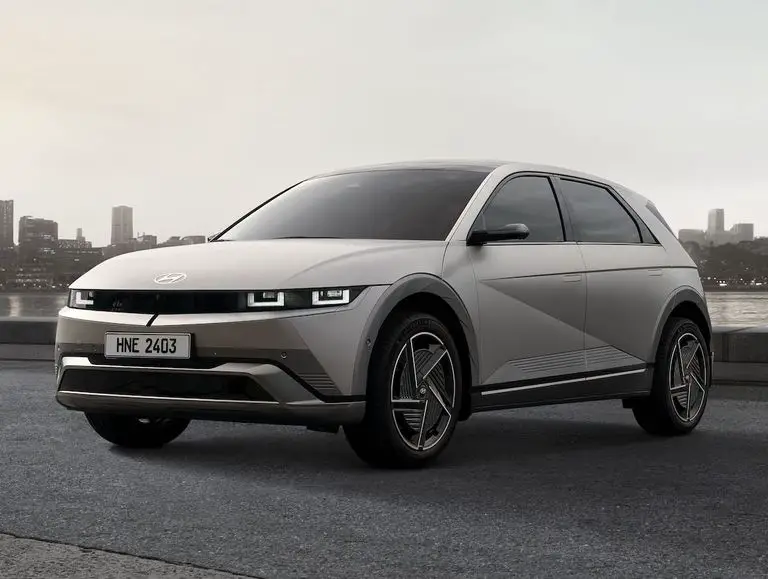
Featured image for old hyundai electric car
Old Hyundai electric cars offer surprising value and reliability, but hidden battery degradation and outdated tech can be costly if ignored. Key models like the Ioniq Electric and Kona Electric (pre-2020) deliver solid range for budget buyers, yet failing to check battery health and software updates may lead to expensive repairs and safety risks—making due diligence essential before purchasing.
Key Takeaways
- Check battery health: Always test the battery’s capacity before buying.
- Verify service history: Ensure regular maintenance to avoid costly repairs.
- Compare charging speeds: Older models may charge slower than newer ones.
- Inspect for software updates: Updated firmware improves performance and safety.
- Assess resale value: Some models depreciate faster due to limited demand.
- Test regenerative braking: Ensures efficient energy recovery and smoother driving.
📑 Table of Contents
- Why the Old Hyundai Electric Car Still Matters in Today’s Market
- Understanding Hyundai’s Electric Evolution: From BlueOn to Ioniq
- Battery Life and Degradation: The Silent Killer of Old EVs
- Real-World Performance and Usability: What to Expect
- Hidden Costs and Maintenance: Beyond the Sticker Price
- Where to Buy and What to Look For: A Buyer’s Checklist
- Conclusion: The Smart Buyer’s Guide to Old Hyundai Electric Cars
Why the Old Hyundai Electric Car Still Matters in Today’s Market
The electric vehicle (EV) revolution has accelerated in the past decade, with flashy new models from Tesla, Ford, and Hyundai itself dominating headlines. Yet, tucked away in used car lots and online marketplaces, a growing number of savvy buyers are turning their attention to old Hyundai electric car models—vehicles that, despite their age, offer compelling value, surprising reliability, and a unique entry point into the EV world. These early adopters aren’t just looking for a budget-friendly EV; they’re discovering that Hyundai’s foray into electrification laid the groundwork for the brand’s current success. From the quirky Ioniq Electric to the pioneering BlueOn, these vehicles are more than just relics—they’re testaments to Hyundai’s long-term commitment to sustainable mobility.
But buying an old Hyundai electric car isn’t as simple as picking up a used gasoline vehicle. Battery degradation, charging infrastructure compatibility, software limitations, and parts availability are just a few of the challenges that demand careful consideration. Whether you’re a first-time EV buyer, a tech enthusiast, or an eco-conscious driver, understanding the nuances of these early models can mean the difference between a smart investment and a costly mistake. This guide dives deep into the secrets every buyer should know—covering performance, battery life, real-world usability, hidden costs, and long-term ownership—so you can make an informed decision in a market that’s often overlooked.
Understanding Hyundai’s Electric Evolution: From BlueOn to Ioniq
The Pioneering BlueOn (2010–2012): Korea’s First Mass-Produced EV
Hyundai’s journey into the electric car market began in 2010 with the BlueOn, a limited-production hatchback based on the Getz (known as the i10 in some markets). With only 2,500 units ever built, the BlueOn was Hyundai’s first step into electrification—a bold move at a time when EVs were still considered science fiction by many. The BlueOn featured a 16.4 kWh lithium-ion polymer battery, offering a modest range of 140 km (87 miles) on the NEDC cycle. While it never saw a global rollout, the BlueOn was instrumental in helping Hyundai gather real-world data on battery performance, charging behavior, and consumer acceptance in urban environments.
For buyers today, the BlueOn is a rare collector’s item. However, its legacy lives on in Hyundai’s later models. The battery chemistry, thermal management system, and regenerative braking logic developed for the BlueOn were refined in subsequent EVs. If you’re considering a BlueOn, expect limited parts availability and a steep learning curve—especially since most units remain in South Korea. But for the EV historian or tech collector, it’s a fascinating piece of automotive history.
The Ioniq Electric (2016–2022): Hyundai’s First Dedicated EV Platform
The real breakthrough came in 2016 with the launch of the Ioniq Electric, Hyundai’s first vehicle built from the ground up with electrification in mind. The Ioniq was offered in three powertrains: Electric, Hybrid, and Plug-in Hybrid—all on the same platform. The early Ioniq Electric (2016–2019) came with a 28 kWh lithium-ion battery and a 120-hp motor, delivering a real-world range of 120–150 miles, depending on driving conditions. A 2019 refresh bumped the battery to 38.3 kWh, extending range to 170 miles (EPA).
What set the Ioniq Electric apart was its dedicated EV architecture. Unlike many early EVs that were converted from gasoline models, the Ioniq Electric had a flat floor, optimized weight distribution, and a lower center of gravity—resulting in better handling and cabin space. It also introduced features like one-pedal driving (via aggressive regenerative braking) and a heat pump for improved winter efficiency. For buyers, this means the Ioniq Electric is one of the most driver-friendly old Hyundai electric car options, especially for city commuting and short highway trips.
Key Takeaway: Platform Matters
- Converted vs. Dedicated EVs: The BlueOn was a converted gasoline car, while the Ioniq Electric was purpose-built. The latter offers better efficiency, safety, and longevity.
- Model Year Differences: The 2019+ Ioniq Electric with the larger battery is significantly more usable than earlier models. Always check the battery size before purchasing.
- Technology Leap: The Ioniq Electric introduced Hyundai’s first over-the-air (OTA) update capability for infotainment—though full vehicle updates didn’t arrive until the 2020s.
Battery Life and Degradation: The Silent Killer of Old EVs
How Hyundai EV Batteries Age: The Science Behind the Degradation
The most critical factor when evaluating an old Hyundai electric car is battery health. Unlike gasoline engines, which degrade slowly over decades, EV batteries lose capacity rapidly—especially if not properly maintained. Hyundai’s early EVs used lithium-ion (Li-ion) and lithium-ion polymer (LiPo) batteries, both of which are sensitive to temperature, charging habits, and age.
On average, a Hyundai EV battery degrades at a rate of 2–5% per year under normal conditions. However, this can accelerate to 8–10% annually in extreme climates or with poor charging practices. For example, a 2017 Ioniq Electric with a 28 kWh battery might have lost 15–25% of its original capacity by 2024, reducing its usable range to 90–110 miles. In colder regions, degradation can be even faster due to increased stress on the battery during winter charging.
Signs of Battery Degradation to Watch For
- Reduced Range: Compare the car’s advertised range (e.g., 120 miles for a 2016 Ioniq) with its current real-world performance. A loss of more than 30% indicates serious degradation.
- Longer Charging Times: If the car takes significantly longer to charge from 20% to 80% than it should (e.g., over 40 minutes on a Level 2 charger), the battery may be struggling.
- Battery Health Reports: Use OBD-II scanners like the LeafSpy (adapted for Hyundai) or Hyundai’s official app to check the battery’s State of Health (SOH). Look for SOH above 80%.
- Thermal Throttling: In hot weather, degraded batteries may reduce power output to prevent overheating—noticeable during acceleration.
Can You Extend Battery Life? Practical Tips
Yes—and it starts with smart charging. Here are evidence-based strategies to maximize battery longevity:
- Avoid Full Charges: Keep the battery between 20% and 80% for daily use. Only charge to 100% for long trips.
- Use Level 2 Charging: Frequent Level 3 (DC fast) charging generates heat, accelerating degradation. Level 2 (240V) is gentler on the battery.
- Park in the Shade: High ambient temperatures (above 35°C/95°F) can reduce battery capacity by up to 20%. Use garage or shade whenever possible.
- Precondition the Battery: In cold weather, use the app to warm the battery before driving. This improves efficiency and reduces strain.
Example: A 2018 Ioniq Electric owner in Arizona reported a 12% range drop after 5 years—significantly better than the 20% average for EVs in hot climates, thanks to consistent Level 2 charging and garage parking.
Real-World Performance and Usability: What to Expect
Range and Charging: The Daily Grind
Let’s be honest: the old Hyundai electric car wasn’t designed for cross-country road trips. The early Ioniq Electric, with its 120–150 mile range, is best suited for urban and suburban driving. But how does that translate to real life?
- Commuting: A 30-mile round-trip commute leaves 60–90 miles of buffer—enough for errands, school runs, or a night out.
- Charging Speed: The Ioniq Electric supports Level 2 charging (7.2 kW), which adds about 25 miles of range per hour. A full charge from 20% takes ~4 hours. Level 3 (50 kW) fast charging is available but limited—only 120 kW peak, and only on 2019+ models.
- Public Charging: Older Hyundai EVs use CCS Combo 2 connectors, which are widely available in North America and Europe. However, they’re not compatible with Tesla Superchargers (without an adapter).
Tip: Use apps like PlugShare or ChargePoint to locate compatible chargers. Avoid relying on fast charging for daily use—it’s best reserved for road trips or emergencies.
Winter Performance: The Cold, Hard Truth
Winter is the Achilles’ heel of early EVs. Without a heat pump (introduced in the 2019 Ioniq refresh), older models use resistive heating, which can reduce range by 30–40% in sub-zero temperatures.
- Preheating: Use the Hyundai app to preheat the cabin while the car is plugged in. This reduces battery drain and improves comfort.
- Lower Tire Pressure: Cold air reduces tire pressure, increasing rolling resistance. Check and adjust tire pressure monthly.
- Drive Smoothly: Aggressive acceleration and braking waste energy. Use eco-driving modes and regenerative braking to extend range.
Real-World Example: A 2017 Ioniq Electric in Toronto averaged 90 miles of winter range (vs. 140 in summer). With preheating and careful driving, the owner maintained usability for daily needs.
Infotainment and Tech: A Step Back in Time
The tech in old Hyundai EVs feels dated compared to 2024 models. The 2016–2018 Ioniq Electric has a 7-inch touchscreen with basic navigation, Apple CarPlay (wired), and Android Auto (wired). There’s no wireless charging, no digital key, and no advanced driver aids beyond lane-keeping assist and adaptive cruise control (on higher trims).
However, the system is reliable and user-friendly. For buyers who prioritize function over flash, it’s a non-issue. Plus, the physical buttons for climate control and drive modes are a welcome relief from touchscreen-only interfaces.
Hidden Costs and Maintenance: Beyond the Sticker Price
Parts and Service: The Hyundai Advantage
One of the biggest advantages of buying an old Hyundai electric car is Hyundai’s extensive service network. Unlike niche EV startups, Hyundai dealerships in most countries can service EVs—including battery diagnostics and replacements.
- Battery Replacement Cost: A new battery for a 2016 Ioniq Electric costs ~$10,000–$12,000 (OEM), but remanufactured or refurbished packs are available for $5,000–$7,000.
- Warranty Transfer: Hyundai’s 10-year/100,000-mile battery warranty (in the U.S.) is transferable to second owners. Always verify coverage with the VIN.
- Common Repairs
: Inverter failures, 12V battery issues, and HVAC system leaks are the most frequent problems. The 12V battery (yes, EVs have one!) often needs replacement every 3–5 years.
Insurance and Depreciation
Older EVs often have lower insurance rates than gasoline cars of the same age, thanks to lower repair costs (fewer moving parts). However, battery replacement risk can increase premiums in some regions.
Depreciation is steep in the first 5 years but stabilizes afterward. A 2017 Ioniq Electric might have lost 60% of its value by 2024—but at $8,000–$12,000, it’s a bargain compared to new EVs.
Energy Costs: The Real Savings
Even with rising electricity prices, EVs are cheaper to fuel than gasoline cars. At $0.15/kWh, a 2018 Ioniq Electric costs ~$4.20 to charge (28 kWh battery). That’s $0.035 per mile vs. $0.12 for a 30 mpg gasoline car. Over 10,000 miles/year, that’s a $850 annual savings.
Where to Buy and What to Look For: A Buyer’s Checklist
Best Sources for Old Hyundai EVs
- Certified Pre-Owned (CPO): Hyundai dealerships offer CPO EVs with extended warranties and battery inspections. Premium pricing, but peace of mind.
- Online Marketplaces: CarGurus, AutoTrader, and Facebook Marketplace have listings. Filter by “electric” and “Hyundai.”
- Auction Sites: COPART and Insurance Auto Auctions sell damaged EVs at steep discounts. Only for experienced buyers.
Inspection Checklist: 10 Must-Ask Questions
- What is the battery’s State of Health (SOH)? (Ask for a diagnostic report.)
- Has the 12V battery been replaced? (A weak 12V battery can mimic EV issues.)
- Are there any software update alerts? (Check for recalls or performance fixes.)
- What is the charging history? (Frequent fast charging = higher degradation risk.)
- Is the heat pump functional? (Only on 2019+ Ioniq Electrics.)
- Are all charging ports working? (Test Level 2 and DC fast charging.)
- Is the regenerative braking smooth? (Jerky regen can indicate motor or inverter issues.)
- Are there any error codes? (Use an OBD-II scanner to check.)
- What is the service history? (Look for regular coolant and brake fluid changes.)
- Is the battery warranty transferable? (Confirm with Hyundai’s VIN check tool.)
Data Table: 2016–2022 Hyundai Ioniq Electric Comparison
| Model Year | Battery Size (kWh) | Range (EPA) | Charging Speed (DC Fast) | Heat Pump? | 2024 Avg. Price (Used) |
|---|---|---|---|---|---|
| 2016–2018 | 28 | 124 mi | 50 kW | No | $8,000–$11,000 |
| 2019–2022 | 38.3 | 170 mi | 100 kW | Yes | $12,000–$16,000 |
Conclusion: The Smart Buyer’s Guide to Old Hyundai Electric Cars
The old Hyundai electric car isn’t just a relic of the past—it’s a smart, sustainable, and surprisingly capable option for today’s drivers. From the pioneering BlueOn to the refined 2019 Ioniq Electric, these vehicles offer a unique blend of affordability, reliability, and eco-friendliness. But success depends on understanding their limitations: battery degradation, winter range loss, and aging tech. By focusing on battery health, smart charging, and thorough inspections, you can unlock the full potential of these early EVs.
Remember: the best old Hyundai electric car is the one that matches your lifestyle. If you drive less than 50 miles a day, live in a moderate climate, and have access to home charging, a 2019+ Ioniq Electric could be the perfect fit. For collectors or tech enthusiasts, the BlueOn offers a rare glimpse into Hyundai’s electrification journey. Whatever your choice, you’re not just buying a car—you’re investing in a cleaner, quieter, and more efficient future. And in a world of overpriced EVs, that’s a secret worth knowing.
Frequently Asked Questions
What are the most common issues with an old Hyundai electric car?
Older Hyundai electric cars, like the Ioniq Electric or early Kona Electric models, often face battery degradation and charging port wear. Regular maintenance and checking battery health can help mitigate these issues.
How long does the battery last in a used Hyundai electric car?
The battery in an old Hyundai electric car typically lasts 8–10 years or 100,000 miles, but longevity depends on charging habits and climate. Hyundai’s battery warranty often covers 10 years/100,000 miles, offering peace of mind for buyers.
Can I upgrade the battery in an old Hyundai electric car?
Hyundai doesn’t offer official battery upgrades, but some third-party specialists may provide repack or replacement services. Always consult a certified technician to ensure compatibility and safety.
Are parts and servicing affordable for older Hyundai electric models?
Yes, parts and servicing for an old Hyundai electric car are generally affordable due to Hyundai’s widespread service network. However, battery-related repairs can be costly, so factor this into your budget.
What range should I expect from a used Hyundai electric car?
Early models like the 2017 Ioniq Electric offer around 124 miles per charge, while later versions (e.g., 2019 Kona Electric) reach 258 miles. Real-world range varies based on battery health and driving conditions.
Is it worth buying an old Hyundai electric car over a newer model?
An old Hyundai electric car can be a budget-friendly entry into EV ownership, but newer models offer longer range and updated tech. Weigh the cost savings against potential battery wear and missing features.