Price of Hyundai Kona Electric Car What You Need to Know
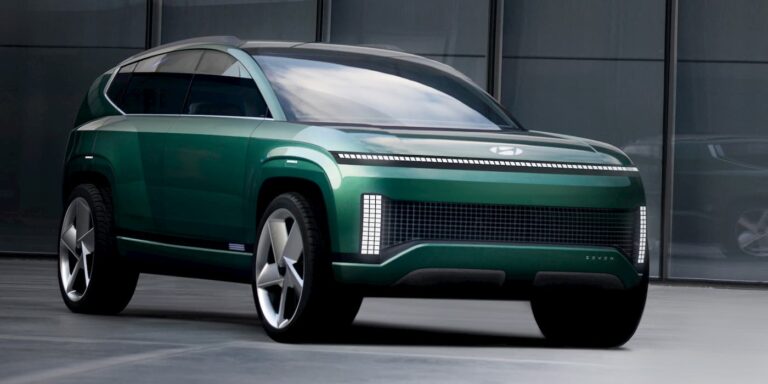
Featured image for price of hyundai kona electric car
Image source: electrek.co
The Hyundai Kona Electric offers an affordable entry into the EV market, with a starting price of around $34,000 (before incentives), making it one of the most budget-friendly long-range electric SUVs available. With up to 258 miles of range and federal tax credits potentially lowering the cost further, it delivers exceptional value for eco-conscious drivers seeking performance and practicality.
Key Takeaways
- Affordable pricing: Starts under $35,000, making it budget-friendly for EV buyers.
- Trim impacts cost: Higher trims add premium features but increase price significantly.
- Tax credits apply: Eligible for federal incentives, reducing net cost effectively.
- Low running costs: Saves thousands in fuel and maintenance over time.
- Resale value strong: Holds value better than many competitors in its class.
- Financing options available: Flexible plans make ownership more accessible monthly.
📑 Table of Contents
- The Future of Electric Mobility: Why the Hyundai Kona Electric Stands Out
- Understanding the Base Price and Trim Levels of the Hyundai Kona Electric
- Federal and State Incentives: How They Lower the Effective Price
- Total Cost of Ownership: Beyond the Sticker Price
- Comparing the Hyundai Kona Electric to Competitors
- Financing, Leasing, and Buying Tips
- Final Thoughts: Is the Hyundai Kona Electric Worth Its Price?
The Future of Electric Mobility: Why the Hyundai Kona Electric Stands Out
The electric vehicle (EV) revolution is no longer a distant dream—it’s here, reshaping how we think about transportation. Among the frontrunners in this transformation is the Hyundai Kona Electric, a compact SUV that combines practicality, performance, and eco-conscious innovation. Since its global debut, the Kona Electric has captured attention for its impressive range, sleek design, and competitive pricing. But what truly sets it apart is how it balances affordability with cutting-edge technology, making it one of the most compelling options in the growing EV market.
Whether you’re a first-time EV buyer or looking to upgrade your current electric ride, understanding the price of the Hyundai Kona Electric is essential. Unlike traditional gas-powered vehicles, EVs come with a unique pricing structure influenced by battery technology, government incentives, trim levels, and regional availability. In this comprehensive guide, we’ll break down everything you need to know about the Kona Electric’s cost—from its base price and available trims to tax credits, long-term savings, and how it stacks up against competitors. By the end, you’ll have a clear picture of whether this electric SUV fits your budget and lifestyle.
Understanding the Base Price and Trim Levels of the Hyundai Kona Electric
Current Pricing Structure (2024–2025 Model Years)
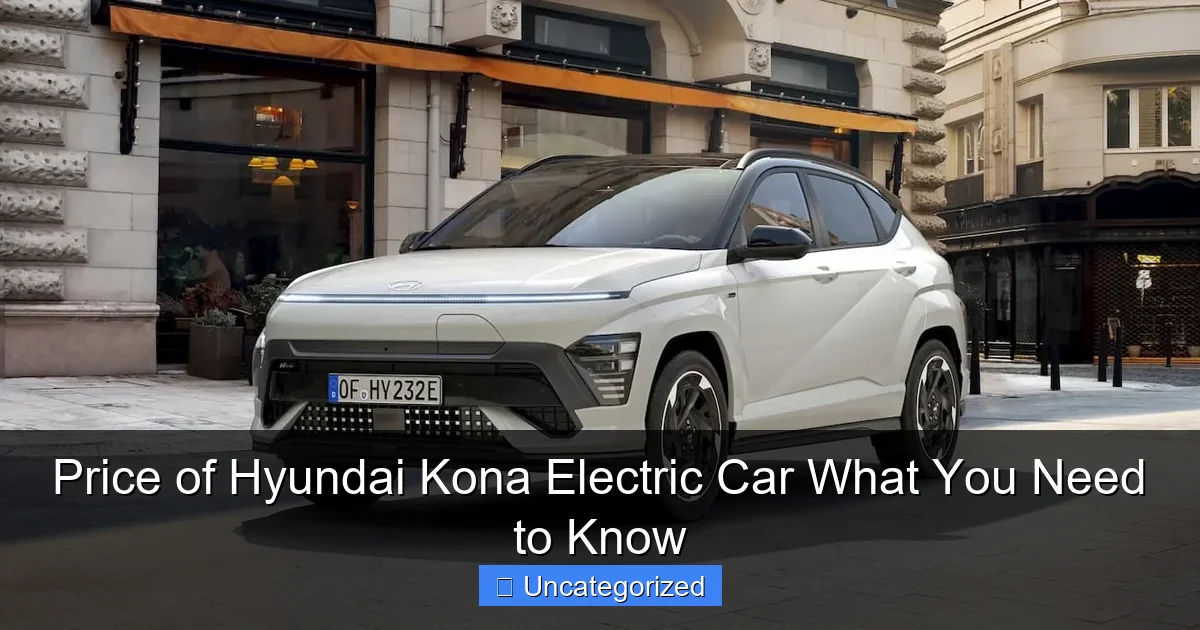
The price of the Hyundai Kona Electric varies significantly depending on the model year, trim level, battery capacity, and region. As of the 2024 and 2025 model years, Hyundai has streamlined its lineup into three primary trims: SE, SEL, and Limited. These trims offer different features, performance capabilities, and, of course, price points. Below is a breakdown of the starting MSRP (Manufacturer’s Suggested Retail Price) in the United States:

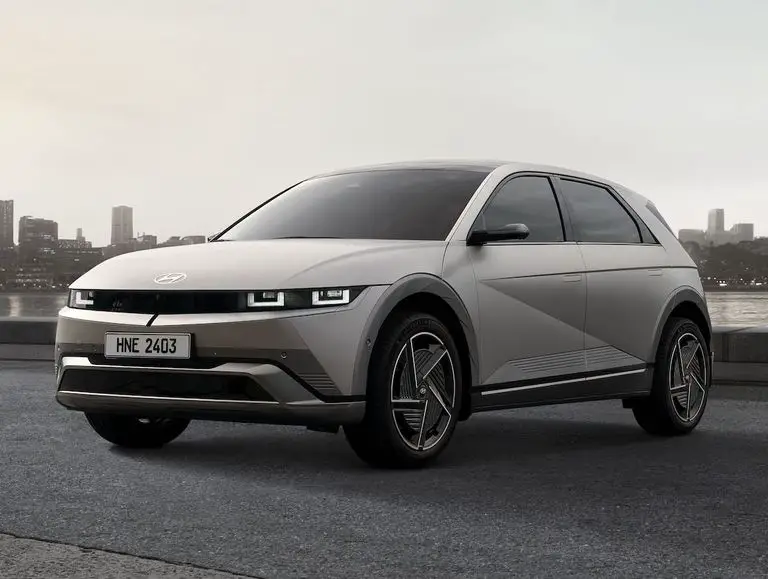
Visual guide about price of hyundai kona electric car
Image source: hyundai.com
- Kona Electric SE (Standard Range): $34,050
- Kona Electric SEL (Standard Range): $37,500
- Kona Electric Limited (Long Range): $41,500
Note: Prices are before federal, state, or local incentives and may vary slightly based on dealership location, dealer fees, and optional packages. The 2025 model introduces slight updates, including improved infotainment and enhanced driver-assist features, which may result in a modest price increase of $300–$500 across trims.
What You Get in Each Trim
Choosing the right trim is about more than just the sticker price—it’s about matching your needs with the features offered. Here’s a detailed look at what each trim includes:
- SE Trim: The entry-level option includes a 48.6 kWh battery (200-mile range), 17-inch alloy wheels, an 8-inch touchscreen with Apple CarPlay and Android Auto, cloth upholstery, and Hyundai SmartSense (advanced safety suite). Ideal for city commuters and budget-conscious buyers.
- SEL Trim: Adds a power driver’s seat, heated front seats, dual-zone climate control, a 10.25-inch digital instrument cluster, and a sunroof. Still uses the standard battery but offers a more premium feel for an extra $3,450.
- Limited Trim: The top-tier model features the 64.8 kWh long-range battery (261-mile EPA-estimated range), leather-trimmed seats, ventilated front seats, a 12.3-inch navigation display, a surround-view monitor, and a premium Bose audio system. This is the sweet spot for buyers who want luxury, range, and tech without stepping into luxury EV territory.
Tip: If you frequently take longer trips or live in a region with limited charging infrastructure, the Limited trim’s extra 61 miles of range can make a significant difference. However, if you primarily drive in urban areas, the SE or SEL may offer the best value.
Regional Price Variations
The price of the Hyundai Kona Electric can fluctuate by state due to local taxes, registration fees, and demand. For example:
- In California, where EV adoption is high, dealerships may offer competitive discounts or lease deals to meet state mandates.
- In states with lower EV penetration (e.g., Alabama, West Virginia), prices may be closer to MSRP, but federal tax credits still apply.
- Some states, like Colorado and New York, add additional state-level rebates on top of federal incentives, effectively reducing the purchase price by thousands.
Always check Hyundai’s official website or local dealerships for real-time pricing and availability in your area. Online configurators allow you to build your Kona Electric and see an estimated out-the-door price, including taxes and fees.
Federal and State Incentives: How They Lower the Effective Price
Federal Tax Credit (Up to $7,500)
One of the most significant factors in the price of the Hyundai Kona Electric is eligibility for the federal EV tax credit. Under the Inflation Reduction Act (IRA) of 2022, the Kona Electric qualifies for the full $7,500 tax credit—but only if you purchase the vehicle and meet certain criteria:
- The car must be assembled in North America (the Kona Electric is built in Ulsan, South Korea, but qualifies due to Hyundai’s U.S. manufacturing investments and battery sourcing rules).
- Your modified adjusted gross income (MAGI) must be under $150,000 (single), $225,000 (head of household), or $300,000 (married filing jointly).
- The vehicle must be purchased new (not leased or used).
- Starting in 2024, the tax credit can now be transferred at the point of sale, meaning dealers can apply the $7,500 as a direct discount at purchase, reducing your out-of-pocket cost immediately.
Example: If you buy a Kona Electric Limited for $41,500, the federal tax credit effectively brings the price down to $34,000—a savings of 18%. This makes the long-range model nearly as affordable as the base SE trim before incentives.
State and Local Rebates
In addition to federal incentives, many states and municipalities offer their own EV rebates and perks. These can further reduce the price of the Hyundai Kona Electric:
- California: Clean Vehicle Rebate Project (CVRP) offers up to $2,000 for new EV purchases (income-qualified).
- New York: Drive Clean Rebate provides up to $2,000.
- Colorado: $5,000 state tax credit (phased out over time based on income).
- Massachusetts: MOR-EV program offers $3,500 for new EVs.
- Oregon: $750 rebate for Level 2 home charger installation when purchasing an EV.
Tip: Visit the U.S. Department of Energy’s Alternative Fuels Data Center to find a comprehensive list of incentives by state. Some programs have limited funding, so apply early.
Utility Company Incentives
Many electric utility companies offer additional rebates for EV buyers. For example:
- Pacific Gas & Electric (PG&E) in California provides a $1,000 rebate for purchasing an EV and installing a home charger.
- Con Edison in New York offers a $500 credit on your electric bill for the first year.
- Some utilities even offer discounted off-peak charging rates, which can save you hundreds annually on charging costs.
Combining federal, state, and utility incentives, the effective price of the Hyundai Kona Electric can drop by $10,000–$15,000 in high-incentive states—making it one of the most affordable long-range EVs on the market.
Total Cost of Ownership: Beyond the Sticker Price
Fuel and Charging Costs
While the upfront price of the Hyundai Kona Electric is important, the long-term cost of ownership is where EVs truly shine. Let’s compare annual fuel costs:
- Kona Electric (261-mile range): At an average U.S. electricity rate of $0.15/kWh, charging the 64.8 kWh battery from 0% to 100% costs about $9.72. Driving 12,000 miles per year at 4 miles/kWh efficiency results in ~3,000 kWh of electricity, or $450/year.
- Gas-Powered Kona (30 MPG): At $3.50/gallon, the same 12,000 miles costs $1,400/year.
That’s a savings of $950 per year—over $4,750 in five years. If you install a home Level 2 charger (240V), you can charge overnight at off-peak rates (as low as $0.08/kWh), further reducing costs.
Maintenance and Repairs
EVs have fewer moving parts than internal combustion engine (ICE) vehicles, leading to lower maintenance costs:
- No oil changes, spark plugs, or exhaust systems to maintain.
- Regenerative braking reduces wear on brake pads—Hyundai estimates brake life can be 50% longer in the Kona Electric.
- Hyundai offers a 10-year/100,000-mile powertrain warranty (including the battery), one of the best in the industry.
According to AAA, EV owners save an average of $4,600 in maintenance over the first five years compared to gas cars.
Insurance and Depreciation
Insurance for the Kona Electric is slightly higher than for the gas model due to battery replacement costs, but not drastically so. On average, expect to pay 10–15% more for full coverage. However, some insurers (like State Farm and Geico) offer EV-specific discounts.
Depreciation is a key factor. The Kona Electric holds its value better than most EVs—around 50% after three years—thanks to strong demand and Hyundai’s reputation for reliability. In contrast, some luxury EVs depreciate to 30–40%.
Resale Value and Incentive Impact
Because the Kona Electric is relatively affordable, it’s less likely to suffer from steep depreciation caused by rapid tech obsolescence. Additionally, buyers who take advantage of incentives are essentially “subsidizing” their ownership, which improves the effective resale value.
Pro Tip: Keep all incentive documentation (tax credit forms, rebate confirmations) for future resale—it can be a selling point when you upgrade.
Comparing the Hyundai Kona Electric to Competitors
Price vs. Range: How It Stacks Up
The price of the Hyundai Kona Electric positions it as a mid-tier EV, competing directly with models like the Chevrolet Bolt EV, Toyota bZ4X, Kia Niro EV, and Volkswagen ID.4. Here’s how it compares:
| Model | Starting MSRP | EPA Range | Federal Tax Credit Eligible? | Key Advantage |
|---|---|---|---|---|
| Hyundai Kona Electric (Limited) | $41,500 | 261 miles | Yes ($7,500) | Best warranty, compact size |
| Chevrolet Bolt EV | $26,500 | 259 miles | Yes ($7,500) | Lowest price, high efficiency |
| Kia Niro EV | $39,650 | 253 miles | Yes ($7,500) | Similar platform, slightly more cargo space |
| Toyota bZ4X | $42,000 | 252 miles | Yes ($7,500) | AWD option, Toyota reliability |
| Volkswagen ID.4 (RWD) | $38,995 | 208 miles | Yes ($7,500) | Spacious interior, smooth ride |
While the Bolt EV has a lower starting price, it lacks the Kona’s premium interior and advanced safety features. The Kona Electric offers the best balance of range, price, warranty, and tech in its class.
Unique Selling Points of the Kona Electric
- Compact Size: Easier to park and maneuver in cities than larger SUVs like the ID.4 or bZ4X.
- Fast Charging: 10–80% in 47 minutes on a 100kW DC fast charger.
- Hyundai SmartSense: Standard on all trims, includes adaptive cruise, lane-keeping, and automatic emergency braking.
- Interior Quality: Higher-quality materials than the Bolt EV, closer to the ID.4.
Tip: If you’re choosing between the Kona Electric and the Kia Niro EV (which shares the same platform), consider Hyundai’s slightly better infotainment interface and more aggressive styling.
Financing, Leasing, and Buying Tips
Financing Options and APRs
Hyundai often runs special financing promotions for the Kona Electric. As of 2024, qualified buyers can get:
- 0.9% APR for 48 months on select trims.
- 2.9% APR for 72 months (longer terms available).
- Down payment assistance programs in high-incentive states.
For a $35,000 loan at 2.9% over 60 months, your monthly payment would be approximately $630—comparable to a gas-powered compact SUV but with lower operating costs.
Leasing: Lower Monthly Payments
Leasing the Kona Electric is another way to reduce monthly costs. Typical lease offers (2024):
- $299/month for 36 months, $3,999 due at signing (after incentives).
- 10,000–12,000 miles per year.
- Federal tax credit applied to lease payments (not the lessee).
Note: Leasing is ideal if you plan to upgrade every 3–4 years and want to avoid battery degradation concerns.
Smart Buying Tips
- Negotiate: Even with strong demand, dealers may offer discounts or free accessories.
- Check for Demo Models: Used demo or loaner Kona Electrics with low miles can save $2,000–$4,000.
- Time Your Purchase: End-of-year and end-of-quarter sales often include extra incentives.
- Use Online Tools: Websites like Edmunds, TrueCar, and CarGurus provide real-time pricing data and dealer quotes.
Final Thoughts: Is the Hyundai Kona Electric Worth Its Price?
The price of the Hyundai Kona Electric is more than just a number—it’s a gateway to sustainable, cost-effective, and enjoyable driving. With a starting MSRP of $34,050 and eligibility for up to $7,500 in federal tax credits (plus state and local incentives), the Kona Electric delivers exceptional value in the competitive EV market. Whether you opt for the base SE trim for city commuting or the long-range Limited for road trips, you’re getting a well-equipped, reliable, and stylish SUV backed by Hyundai’s industry-leading warranty.
When you factor in lower fuel and maintenance costs, the total cost of ownership becomes even more attractive. Over five years, the Kona Electric could save you $10,000–$15,000 compared to a comparable gas-powered SUV. Add in the environmental benefits, quiet ride, and instant torque, and it’s clear that Hyundai has crafted a winning formula.
Ultimately, the Kona Electric isn’t just about saving money—it’s about embracing the future of mobility. With its competitive pricing, strong incentives, and well-rounded feature set, it’s one of the smartest electric SUV investments you can make today. If you’re ready to go electric, the Hyundai Kona Electric deserves a top spot on your test drive list.
Frequently Asked Questions
What is the starting price of the Hyundai Kona Electric car?
The starting price of the Hyundai Kona Electric car is approximately $34,000 before incentives, though final pricing may vary based on trim level and optional features. Federal and state tax credits can significantly reduce the effective cost.
Does the price of the Hyundai Kona Electric include tax incentives?
The listed price of the Hyundai Kona Electric typically excludes tax incentives, which can lower the cost by up to $7,500 depending on your location and eligibility. Always check current federal and state EV incentive programs before purchasing.
How does the Hyundai Kona Electric price compare to other EVs in its class?
The Hyundai Kona Electric offers competitive pricing among compact electric SUVs, often undercutting rivals like the Chevrolet Bolt EUV and Nissan Leaf Plus while offering similar range and features. Its balance of affordability and performance makes it a strong value proposition.
Are there different trims that affect the Hyundai Kona Electric car price?
Yes, the price of the Hyundai Kona Electric varies by trim—SE, SEL, and Limited—with higher trims adding features like leather seats, advanced safety tech, and larger infotainment screens. Each upgrade increases the price by several thousand dollars.
Is financing or leasing available to offset the Hyundai Kona Electric price?
Hyundai offers both financing and leasing options for the Kona Electric, with promotional rates like 0% APR for qualified buyers or low monthly lease payments. These programs can make the upfront cost more manageable.
Does the Hyundai Kona Electric price include charging equipment?
The price of the Hyundai Kona Electric does not include a home charging station, but Hyundai often provides a complimentary 240-volt Level 2 charger or public charging credits with purchase. Portable 120-volt chargers are included as standard.