Rolls-Royce Spectre Electric: Essential Luxury
Yes, you can change a flat tire on your Rolls-Royce Spectre Electric. While your Spectre is equipped with run-flat tires, allowing you to drive for a limited distance at reduced speed after a puncture, it’s still possible to encounter a situation requiring a tire change. This guide provides a simple, step-by-step process for safely changing a flat tire on your Spectre, ensuring you can get back on the road with confidence.
Welcome to the exciting world of electric luxury with your Rolls-Royce Spectre! It’s a truly magnificent machine, offering unparalleled comfort and cutting-edge technology. While the Spectre is designed for seamless journeys, even the most advanced vehicles can experience a flat tire. Don’t let the thought of a flat tire worry you. Modern electric cars, including your Spectre, are equipped with sophisticated systems, and changing a tire is a manageable task, even if you’re new to car maintenance.
This guide is crafted specifically for first-time electric car owners like you, who may not have much experience under the hood. We’ll walk you through each step calmly and clearly, explaining why each action is important. Our goal is to empower you with the knowledge and confidence to handle a flat tire situation safely and efficiently, so you can continue enjoying the exceptional driving experience your Spectre provides.
Let’s dive in and make sure you’re prepared for anything the road might bring!
Understanding Your Rolls-Royce Spectre’s Tires
Your Rolls-Royce Spectre comes equipped with advanced run-flat tires. This is a fantastic feature designed to enhance your safety and convenience. But what exactly does that mean for a flat tire situation?
Run-flat tires are engineered with reinforced sidewalls. This reinforcement allows them to support the weight of the vehicle even when they have lost all air pressure. If you experience a puncture and your tire pressure warning light illuminates, you can typically continue driving for a certain distance (often around 50 miles) at a reduced speed (usually no more than 50 mph). This gives you time to find a safe place to stop or reach a service center without being stranded immediately.
However, it’s crucial to understand the limitations. Run-flat tires are not designed for permanent use when flat. Driving on them for too long or at excessive speeds can damage the tire beyond repair and potentially harm your vehicle’s suspension and other components. Therefore, while they offer a significant advantage, they don’t eliminate the need to eventually address the flat tire.
Why this is important for you: Knowing your Spectre has run-flat tires means you have a buffer. You don’t need to pull over immediately in a dangerous spot. You can calmly find a safer location to assess the situation and proceed with changing the tire or seeking professional assistance.
When to Change Your Spectre’s Tire
The primary indicator that you need to address a tire issue is your vehicle’s Tire Pressure Monitoring System (TPMS). This system is designed to alert you to significant drops in tire pressure. You’ll typically see a warning light on your dashboard – it often looks like a tire with an exclamation mark inside.
Here are some scenarios where you might need to change your Spectre’s tire:
- TPMS Warning Light: This is your primary cue. If the light comes on and stays on, it indicates a loss of pressure.
- Audible Clues: You might hear a flapping sound from a specific wheel, or the car might pull noticeably to one side.
- Visual Inspection: If you can safely pull over and visually inspect your tires, a visibly deflated or flat tire is a clear sign.
Important Note: If you see the TPMS warning light, consult your Spectre’s owner’s manual for specific instructions on how to proceed. It will detail the limitations of your run-flat tires and recommended actions.
While your Spectre is a sophisticated vehicle, the fundamental principles of changing a tire remain the same. The key is to approach it methodically and safely. In the next section, we’ll gather the necessary tools.
Essential Tools for Your Spectre Tire Change
Even though your Rolls-Royce Spectre is a luxury vehicle, it still requires some basic tools to handle a flat tire. Fortunately, these are typically provided with the car, often stored in a dedicated compartment. Always refer to your owner’s manual for the exact location and specific contents for your Spectre.
Here’s what you’ll likely need:
- Spare Tire or Tire Mobility Kit: Many modern luxury vehicles, especially EVs, may come with a tire mobility kit instead of a full-size spare. This kit usually includes a sealant and an air compressor. We’ll discuss this option further. If your Spectre has a spare, it will be a temporary or full-size spare.
- Jack: This is the device used to lift your vehicle off the ground. Your Spectre will have a specific jacking point to ensure safe lifting.
- Lug Wrench: This tool is used to loosen and tighten the lug nuts that hold the wheel onto the car.
- Wheel Chocks: These are wedges placed under the wheels to prevent the car from rolling while it’s being jacked up.
- Owner’s Manual: Your best friend in any car situation! It contains specific details about your Spectre, including jacking points and procedures.
- Gloves: To keep your hands clean.
- Flashlight: Essential if you’re dealing with a flat tire at night or in low-light conditions.
- Safety Vest or Reflective Triangles: To make yourself visible to other drivers if you’re on the roadside.
Tire Mobility Kit vs. Spare Tire

It’s essential to know which option your Spectre is equipped with. Many EVs opt for a tire mobility kit to save weight and space, which is crucial for maximizing electric range.
| Feature | Spare Tire | Tire Mobility Kit |
|---|---|---|
| Function | Replaces the flat tire entirely. | Seals minor punctures and reinflates the tire. |
| Use Case | For most types of punctures, including sidewall damage. | Best for tread punctures; often ineffective for large holes or sidewall damage. |
| Limitations | May be temporary (smaller size) and requires a full tire change. | Temporary fix; requires professional tire inspection and replacement soon after. Driving distance and speed are limited after use. |
| Storage | Takes up more space. | Compact and lightweight. |
If you have a tire mobility kit: The process will involve using the sealant and compressor to temporarily repair the tire. You will still need to drive to a tire professional immediately afterwards. Your owner’s manual will have specific instructions for its use.
For the purpose of this guide, we will focus on the traditional tire change process, assuming you have a spare tire. If you have a mobility kit, please refer to your owner’s manual for its specific operation.
Step-by-Step Guide: Changing Your Spectre’s Flat Tire
Safety is paramount. Before you even think about touching a tool, ensure you are in a secure location. Driving your Spectre onto a flat, stable surface away from traffic is the first and most critical step.
Step 1: Find a Safe Location
As soon as you notice a flat tire or the TPMS warning, reduce your speed immediately and look for a safe place to pull over. Ideally, this is a level, firm surface, well away from moving traffic. A parking lot or a wide, clear shoulder is perfect. Avoid soft ground or inclines, as these can make jacking the car unstable.
Why this is necessary: Jacking a car on an uneven or soft surface can cause the jack to slip, leading to serious injury or damage to your Spectre. Being away from traffic prevents other vehicles from colliding with you.
Step 2: Secure the Vehicle
Once safely stopped, engage your parking brake firmly. If your Spectre has an electronic parking brake, ensure it’s activated. Then, place wheel chocks on the wheel diagonally opposite the flat tire. For example, if your front-left tire is flat, place chocks behind the rear-right wheel.
Why this is necessary: The parking brake helps prevent the car from rolling. Wheel chocks provide an extra layer of security, acting as a physical block to stop the vehicle from moving, especially on any slight incline.
Step 3: Locate Your Spare Tire and Tools
Consult your Spectre’s owner’s manual to find the exact location of your spare tire, jack, and lug wrench. In many vehicles, these are stored in the trunk or under the floor of the cargo area. Carefully remove them.
Why this is necessary: Knowing where everything is before you start prevents fumbling around and wasting precious time, especially if you’re in a less-than-ideal situation.
Step 4: Loosen the Lug Nuts
Before lifting the car, use the lug wrench to loosen the lug nuts on the flat tire. Turn them counter-clockwise. You may need to apply significant force. If they are very tight, you can try using your foot to push down on the wrench handle (but be careful not to slip). Loosen them only about a half to a full turn – do not remove them completely yet.
Why this is necessary: Loosening the lug nuts while the tire is still on the ground prevents the wheel from spinning freely when you try to turn them. The weight of the car provides the resistance needed to break them free.
Step 5: Position the Jack and Lift the Vehicle
Locate the correct jacking point for your Spectre. Your owner’s manual will show you precisely where this is – it’s usually a reinforced area on the vehicle’s frame near the wheel you’re changing. Position the jack securely under this point. Slowly and steadily crank the jack to raise the vehicle until the flat tire is completely off the ground, with enough clearance to remove it and fit the spare.
Why this is necessary: Using the correct jacking point is crucial for the stability of the lift and to prevent damage to your Spectre’s undercarriage. Lifting the car high enough ensures the flat tire can be removed and the inflated spare can be mounted without obstruction.
Step 6: Remove the Lug Nuts and Flat Tire
Now that the tire is off the ground, fully unscrew the lug nuts by hand. Keep them together in a safe place (like a pocket or a hubcap) so you don’t lose them. Once all lug nuts are removed, carefully pull the flat tire straight towards you to remove it from the wheel studs. It might be heavy, so be prepared for its weight.
Why this is necessary: The lug nuts hold the wheel securely. Removing them allows the wheel to come off the studs. Pulling the tire straight off ensures it disengages smoothly from the studs.
Step 7: Mount the Spare Tire
Align the spare tire with the wheel studs and carefully push it onto the hub until it sits flush against it. This can sometimes be a bit tricky; you might need to jiggle it into place.
Why this is necessary: Proper alignment ensures the wheel is centered and the studs pass through the holes in the spare tire correctly, allowing it to be secured.
Step 8: Reinstall the Lug Nuts
Put the lug nuts back onto the studs and tighten them by hand as much as you can. Once they are snug, use the lug wrench to tighten them in a star pattern (or criss-cross pattern). This ensures the wheel is seated evenly against the hub.
Why this is necessary: Hand-tightening starts the process. Tightening in a star pattern (e.g., top, bottom, left, right, then in-between) is critical. It ensures even pressure is applied to the wheel, preventing it from becoming warped or mounted crookedly, which could cause vibrations or damage.
Step 9: Lower the Vehicle and Final Tightening
Slowly and carefully lower the vehicle by reversing the jacking mechanism until the spare tire is firmly on the ground. Remove the wheel chocks. Now, use the lug wrench to fully tighten the lug nuts in the same star pattern. Apply firm pressure to ensure they are secure.
Why this is necessary: Lowering the car allows the full weight of the vehicle to settle the wheel. Final tightening on the ground ensures the lug nuts are properly torqued and the wheel is securely attached. Trying to fully tighten while the car is in the air could lead to an insecure fit.
Step 10: Stow Your Equipment
Place the flat tire, jack, and lug wrench back into their designated storage locations. Do not forget your wheel chocks!
Why this is necessary: Keeping your car tidy and ensuring all equipment is stored properly prevents rattles and ensures you have everything ready for the next time you might need it.
Step 11: Check Tire Pressure and Drive Cautiously
If you have a tire pressure gauge, check the pressure in the spare tire. If it’s low, use the car’s air compressor (if you have one with your spare or kit) or find a gas station to inflate it to the recommended pressure, which is usually listed on a sticker on the driver’s side doorjamb or in your owner’s manual.
Important: If you are using a temporary spare (“donut”), remember it has speed and distance limitations. Drive cautiously and adhere to the recommended speed (usually 50 mph or less) and distance. Get your flat tire repaired or replaced as soon as possible.
Why this is necessary: Correct tire pressure is vital for safe driving and to prevent further damage. Temporary spares are not designed for normal driving speeds or long distances; they are a means to get you to a repair shop.
Important Considerations for Your Spectre
Your Rolls-Royce Spectre is a marvel of engineering, and while the tire-changing process is largely standard, there are a few EV-specific nuances and luxury considerations.
Run-Flat Tire Limitations
As mentioned, run-flat tires are a fantastic safety feature. However, they have limits. They are generally not repairable if the puncture is on the sidewall or if the hole is larger than about a quarter-inch. Even if the puncture is in the tread, repeated driving on a deflated run-flat tire can damage the tire’s internal structure, making it unsafe to repair. Always consult a professional tire technician.
Tire Pressure Monitoring System (TPMS) Reset
After changing a tire and ensuring the spare is properly inflated, your Spectre’s TPMS light may remain illuminated. Some vehicles require a manual reset procedure, which is usually detailed in the owner’s manual. If it doesn’t reset automatically after a short drive, you may need to visit a dealership or a qualified service center to have it recalibrated.
Wheel Bolts vs. Lug Nuts
While most cars use lug nuts, some high-performance or luxury vehicles, including potentially some Rolls-Royce models, might use wheel bolts. These are bolts that screw directly into the hub. The principle is the same, but the terminology differs. Ensure you are using the correct tool for whatever fastening system your Spectre employs.
Torque Wrench Recommendation
For optimal safety and to prevent damage, it is highly recommended to have the lug nuts (or bolts) on your spare tire torqued to the manufacturer’s specifications using a torque wrench. Your owner’s manual will specify the correct torque setting. Many tire shops can perform this service quickly and affordably after you’ve completed the roadside change.
Electrolyte Spills and Safety
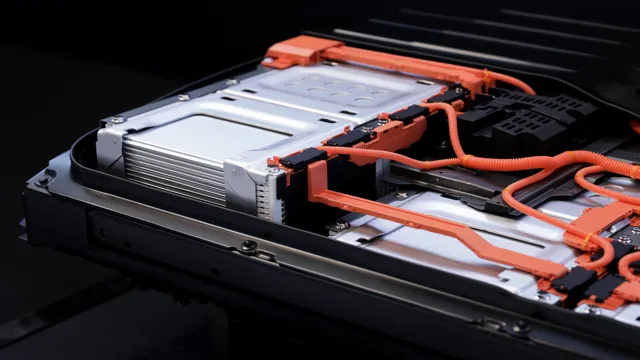
While highly unlikely during a tire change, it’s worth noting that EVs contain high-voltage battery systems. Always be aware of your surroundings and avoid any components that appear damaged or are not part of the standard tire-changing procedure. The tire-changing process itself does not involve interacting with the high-voltage system.
Professional Assistance
If at any point you feel uncomfortable, unsure, or the situation seems unsafe, do not hesitate to call for professional roadside assistance. Your Spectre’s luxury experience extends to its support services. Many premium car brands offer 24/7 roadside assistance for their owners.
Frequently Asked Questions (FAQ)
Do I really need to change my Spectre’s tire if it has run-flats?
Yes, you should. Run-flat tires allow you to drive a limited distance (usually around 50 miles) at a reduced speed (around 50 mph) after a puncture. This is to get you to a safe location or a service center. However, they are not a permanent solution and prolonged driving on a flat run-flat can damage the tire and your vehicle.
Can I use a tire mobility kit instead of changing the tire?
If your Spectre came with a tire mobility kit, you can use it to temporarily seal minor tread punctures and reinflate the tire. However, this is a temporary fix. You must drive to a professional tire shop immediately for inspection and likely permanent repair or replacement. Mobility kits are often ineffective for sidewall damage or large punctures.
What if the lug nuts are too tight to loosen?
Lug nuts can be very tight. Ensure you are using the lug wrench correctly and applying steady pressure. Sometimes, using your foot (carefully!) can help. If they are still immovable, do not force it excessively, as you could strip the nut or damage the wrench. It might be time to call roadside assistance. They have specialized tools and expertise for such situations.
How do I know if I’m using the correct jacking point on my Spectre?
This is critical for safety and preventing damage. Your Rolls-Royce Spectre owner’s manual will have detailed diagrams showing the exact jacking points. These are reinforced areas on the vehicle’s frame designed to safely support its weight. Using the wrong spot can bend the frame, damage suspension components, or cause the jack to slip.
What is the star pattern for tightening lug nuts?
The star pattern (also known as a criss-cross pattern) ensures the wheel is mounted evenly. After hand-tightening all lug nuts, you tighten them in sequence: tighten one nut, then tighten the nut directly opposite it. Then, move to the next adjacent nut and tighten the one opposite it, and so on. This distributes pressure evenly across the wheel hub, preventing warping and ensuring a secure fit.
How long can I drive on a spare tire?
If you are using a temporary spare (“donut”), you should drive cautiously and adhere strictly to the speed and distance limitations specified in your owner’s manual and on the spare tire itself. These are typically around 50 mph and for a maximum of 50-70 miles. They are designed only to get you to a service center. Full-size spares can be driven more like regular tires, but it’s still wise to get your original tire assessed and repaired or replaced promptly.
Should I get my flat tire repaired or replaced?
This depends on the nature of the damage. Small punctures in the tread area are often repairable by a professional. However, if the puncture is on the sidewall, or if the hole is large, the tire is usually considered irreparable and must be replaced. Driving on a damaged tire, even if repaired, can be dangerous. Always trust the judgment of a qualified tire technician. You can find more information on tire repairability from organizations like the Tire Industry Association.
Conclusion
Owning a Rolls-Royce Spectre Electric is an experience defined by luxury, comfort, and cutting-edge technology. While the prospect of a flat tire might seem daunting, especially with a sophisticated vehicle, understanding the process empowers you. Your Spectre’s run-flat tires offer a significant safety net, giving you time and flexibility when a puncture occurs.
By familiarizing yourself with the tools, the steps, and the safety precautions outlined in this guide, you can confidently manage a flat tire situation. Remember to always prioritize safety by finding a secure location, securing your vehicle, and using the correct procedures. And if you ever feel unsure, don’t hesitate to reach out for professional assistance. Your Spectre is designed for seamless journeys, and with this knowledge, you can ensure that even an unexpected tire issue doesn’t disrupt your experience for long.
Enjoy the unparalleled journey your Rolls-Royce Spectre provides, knowing you’re prepared for the road ahead!