Second Hand Hyundai Electric Cars A Smart Buy for Budget Savvy Drivers

Featured image for second hand hyundai electric cars
Image source: cdn1.droom.in
Second hand Hyundai electric cars offer exceptional value for budget-savvy drivers, combining reliability, low running costs, and advanced tech at a fraction of the price of new models. With strong battery longevity and Hyundai’s industry-leading warranty often still transferable, pre-owned EVs like the Kona Electric and Ioniq deliver premium features without the premium price tag.
Key Takeaways
- Save significantly: Pre-owned Hyundai EVs cost less upfront than new models.
- Check battery health: Always review battery reports before buying second hand.
- Verify warranty coverage: Confirm remaining factory or extended warranty terms.
- Prioritize certified models: Opt for Hyundai-certified EVs for added peace of mind.
- Compare charging options: Ensure compatibility with your home or public stations.
- Test driving range: Validate real-world range matches seller claims.
- Research incentives: Some regions offer rebates for used EV purchases.
📑 Table of Contents
- The Smart Shift: Why Second Hand Hyundai Electric Cars Are a Budget-Savvy Choice
- Why Hyundai Stands Out in the Used EV Market
- Top Second Hand Hyundai Electric Models to Consider
- What to Look for When Buying a Used Hyundai EV
- Cost Savings: How Much Can You Save?
- Tips for a Smooth Transition to Your Used Hyundai EV
- Conclusion: A Smart, Sustainable Investment
The Smart Shift: Why Second Hand Hyundai Electric Cars Are a Budget-Savvy Choice
In today’s rapidly evolving automotive landscape, electric vehicles (EVs) are no longer a futuristic concept—they’re a practical, eco-friendly reality. With rising fuel costs, growing environmental awareness, and government incentives pushing toward zero-emission transportation, more drivers are considering electric cars than ever before. However, the upfront cost of a brand-new EV can be a significant barrier. Enter the second hand Hyundai electric cars—a smart, cost-effective gateway into the world of electric mobility without breaking the bank.
Hyundai, a South Korean automaker known for innovation and reliability, has made impressive strides in the EV market. Models like the Kona Electric, Ioniq Electric, and the newer Ioniq 5 have earned accolades for performance, range, and design. But what makes these vehicles even more appealing is their strong resale value and durability, which translates into excellent value when purchased used. For budget-savvy drivers who want to go green without sacrificing quality, reliability, or features, a pre-owned Hyundai EV offers an ideal balance. This guide explores why second hand Hyundai electric cars are not just a compromise, but a strategic upgrade in personal transportation.
Why Hyundai Stands Out in the Used EV Market
When shopping for a used electric car, brand reputation, build quality, and long-term reliability are crucial. Hyundai has positioned itself as a leader in the EV segment, not just for its cutting-edge technology but also for its commitment to affordability and customer satisfaction. Here’s why Hyundai electric vehicles shine in the second-hand market.

Visual guide about second hand hyundai electric cars
Image source: img.sm360.ca
Proven Reliability and Build Quality
Hyundai has long been praised for its robust build quality and low maintenance costs. Unlike some EV manufacturers that are still proving their longevity, Hyundai has been producing reliable internal combustion and electric vehicles for decades. The company’s 10-year/100,000-mile powertrain warranty—one of the best in the industry—extends to the battery and electric motor in many of its EVs, giving used buyers peace of mind. Even after the original warranty expires, many certified pre-owned (CPO) Hyundai EVs come with extended coverage, reducing the risk of unexpected repair bills.
For example, the Hyundai Kona Electric (2019–2021 models) has consistently ranked high in reliability surveys from J.D. Power and Consumer Reports. With minimal reported issues related to the battery or drivetrain, it’s a standout choice for used buyers seeking a dependable daily driver.
Strong Resale Value and Depreciation Curve
One of the biggest concerns with buying a used EV is depreciation. While early EVs lost value rapidly due to battery degradation fears, modern Hyundai EVs—especially those with larger battery packs—hold their value better than most. According to data from iSeeCars, the Hyundai Ioniq 5 depreciates only 28% after three years, compared to the average EV depreciation of 35–40%. This slower depreciation means you’re getting more car for your money when buying used.
Additionally, Hyundai’s consistent updates to infotainment, safety tech, and charging capabilities keep older models feeling modern. For instance, the 2020 Ioniq Electric received over-the-air software updates, a rare feature in its class at the time, enhancing long-term usability.
Widespread Availability and Dealer Support
Hyundai’s extensive dealership network across the U.S., Canada, Europe, and Australia makes it easier to find a second hand Hyundai electric car, especially in urban and suburban areas. Unlike niche EV brands with limited service centers, Hyundai offers comprehensive support, including battery diagnostics, charging system repairs, and access to certified technicians.
Many dealerships now offer Hyundai Certified Pre-Owned (CPO) EV programs, which include rigorous inspections, battery health checks, and warranty extensions. These programs significantly reduce the perceived risk of buying used, making them ideal for first-time EV buyers.
Top Second Hand Hyundai Electric Models to Consider
Hyundai’s electric lineup has expanded rapidly, and several models stand out as excellent used buys. Whether you’re looking for a compact city car or a spacious family SUV, there’s a pre-owned Hyundai EV to match your needs and budget.
Hyundai Kona Electric (2019–2023)
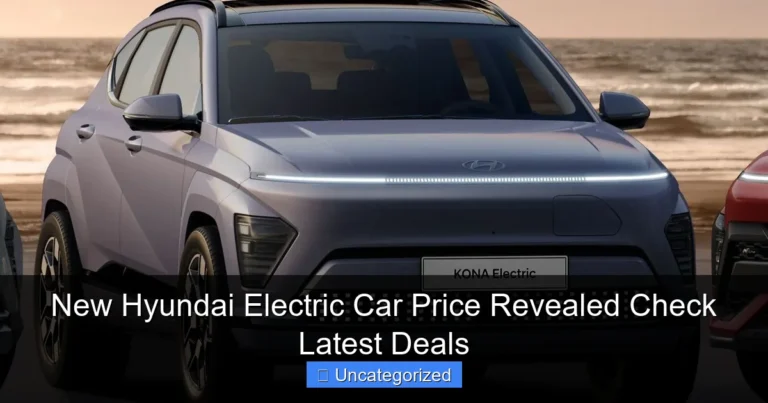
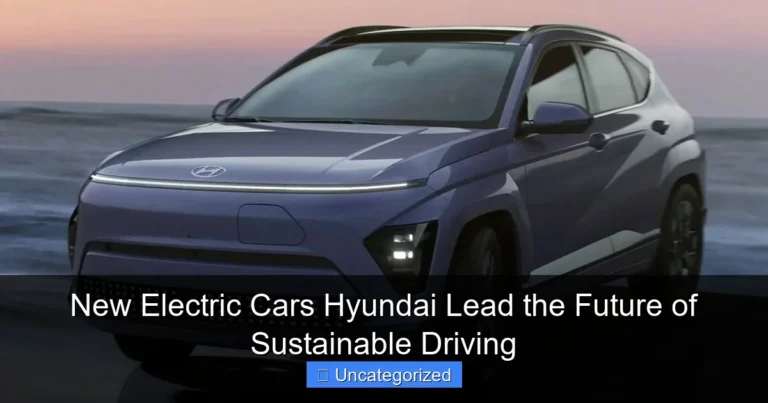
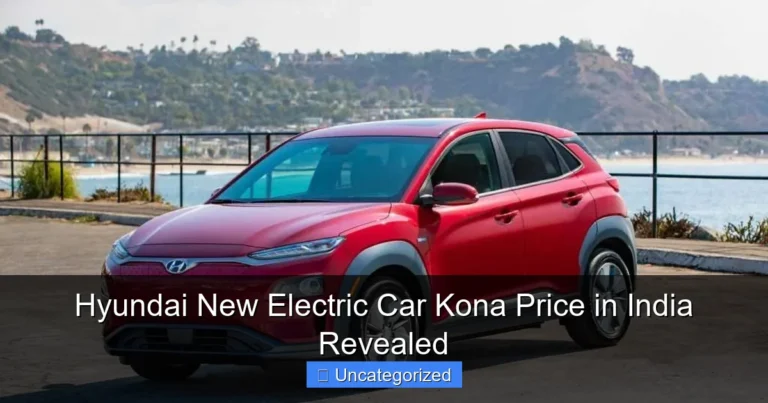
The Kona Electric is one of Hyundai’s most popular EVs, combining a compact SUV footprint with impressive range. Early models (2019–2021) offer up to 258 miles (EPA) on a single charge, while the 2022 refresh improved efficiency and interior tech.
- Pros: Excellent range for size, responsive handling, standard driver aids (lane-keeping, adaptive cruise)
- Cons: Limited rear seat space, smaller cargo area than some rivals
- Used Price Range: $18,000–$28,000 (depending on year, trim, and battery capacity)
Tip: Look for 2021+ models with the 64 kWh battery pack. These offer better range and faster DC charging (up to 100 kW) compared to the older 39.2 kWh version.
Hyundai Ioniq Electric (2017–2022)
The Ioniq Electric was Hyundai’s first dedicated EV, designed to compete with the Nissan Leaf and Chevrolet Bolt. While its range (124–170 miles) is modest by today’s standards, it’s perfect for city dwellers or short commuters.
- Pros: Affordable entry point, excellent efficiency (136 MPGe), quiet cabin
- Cons: Limited range, older infotainment system (pre-2022)
- Used Price Range: $12,000–$18,000
Ideal for: Urban drivers with access to home or workplace charging. The Ioniq Electric also qualifies for many state and local EV incentives, even when purchased used.
Hyundai Ioniq 5 (2022–2023)
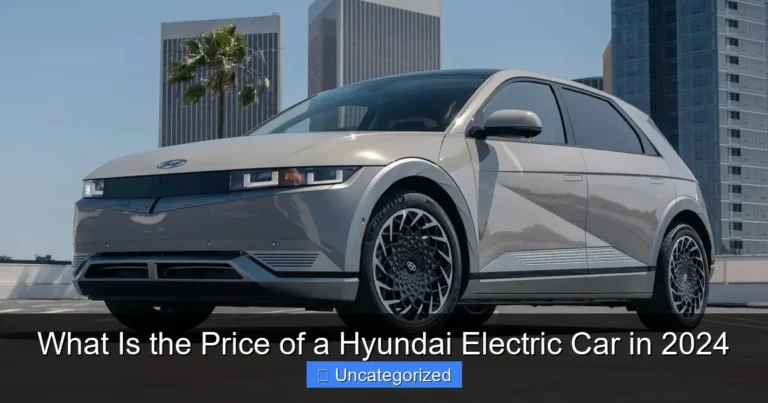
The Ioniq 5 is a game-changer in the EV world—a retro-futuristic crossover with ultra-fast charging, spacious interiors, and cutting-edge tech. Despite being relatively new, used models are already appearing on the market at attractive prices.
- Pros: 800V architecture (350 kW DC fast charging), 303-mile range (RWD), vehicle-to-load (V2L) capability
- Cons: Higher price point than older models, limited availability in some regions
- Used Price Range: $35,000–$48,000
Pro tip: The Ioniq 5’s “solar roof” option (available on higher trims) can add up to 2 miles of range per day—great for long-term efficiency. Look for CPO models with the 77.4 kWh battery for maximum range and performance.
Hyundai Ioniq 6 (2023–2024)
Launched as a sleek, aerodynamic sedan, the Ioniq 6 offers up to 361 miles of range (RWD Long Range) and a luxurious interior. Though newer, early adopters are trading in their models, creating opportunities for savvy buyers.
- Pros: Industry-leading efficiency (up to 140 MPGe), premium materials, advanced driver assistance (Highway Driving Assist 2)
- Cons: Limited cargo space (due to sloping roof), higher insurance costs
- Used Price Range: $40,000–$55,000
Note: The Ioniq 6’s 800V charging system allows a 10–80% charge in just 18 minutes—ideal for road trips. Prioritize models with the 77.4 kWh battery if range is a priority.
What to Look for When Buying a Used Hyundai EV
Buying a second hand Hyundai electric car requires a different checklist than a gas-powered vehicle. While mechanical issues are rare, the battery, charging system, and software are critical areas to evaluate. Here’s how to make a smart purchase.
Battery Health and State of Charge (SoC)
The battery is the heart of any EV. Unlike gasoline engines, which degrade gradually, EV batteries can lose capacity over time, especially if poorly maintained. Always request a battery health report from the dealer or seller. Hyundai dealerships can run diagnostics to check the battery’s State of Health (SoH), which indicates remaining capacity as a percentage of the original.
- Acceptable SoH: 85% or higher after 3–5 years
- Red Flag: SoH below 80%—could indicate frequent fast charging or extreme temperature exposure
Tip: Use third-party tools like LeafSpy (adapted for Hyundai EVs) or OBD2 scanners to independently verify battery data. Also, ask the seller for charging habits—frequent DC fast charging can accelerate degradation.
Charging History and Connector Type
Hyundai EVs use either CCS (North America) or Type 2 (Europe) connectors. Ensure the model you’re considering is compatible with your region’s charging infrastructure. Also, check the charging history:
- Did the owner primarily use Level 1 (120V) or Level 2 (240V) home charging?
- How often was DC fast charging used? (Overuse can reduce battery lifespan)
Models with battery pre-conditioning (available on Ioniq 5/6) are preferable, as they optimize battery temperature for faster charging, reducing strain.
Software Updates and Recall History
Modern Hyundai EVs receive regular over-the-air (OTA) updates, but not all models do. Verify that the vehicle’s software is up to date and check for any open recalls via the NHTSA website. Recalls may include battery management system (BMS) updates or charging port fixes.
For example, in 2022, Hyundai issued a software update for some Kona Electric models to improve charging speed and battery management—ensure the update was applied.
Warranty Transferability and CPO Benefits
Hyundai’s original battery and powertrain warranty is transferable to subsequent owners. Confirm the remaining warranty period:
- New: 10 years/100,000 miles
- CPO: Often includes 1 year/12,000 miles of additional coverage
CPO programs also include 24/7 roadside assistance, rental car reimbursement, and complimentary maintenance for a limited time—valuable perks for used buyers.
Cost Savings: How Much Can You Save?
One of the biggest advantages of buying a second hand Hyundai electric car is the significant cost savings compared to new. Let’s break down the numbers with real-world examples.
Price Comparison: New vs. Used Hyundai EVs
| Model | New MSRP | Used Price (3-Year-Old) | Estimated Savings | Battery Warranty Remaining |
|---|---|---|---|---|
| Hyundai Kona Electric SEL (2023) | $38,575 | $24,000 | $14,575 (38%) | 7 years |
| Hyundai Ioniq 5 SE Standard Range (2022) | $41,250 | $32,000 | $9,250 (22%) | 8 years |
| Hyundai Ioniq Electric SEL (2021) | $32,600 | $16,500 | $16,100 (49%) | 7 years |
| Hyundai Ioniq 6 SEL RWD (2023) | $45,500 | $41,000 | $4,500 (10%) | 10 years |
As the table shows, savings can range from 10% to nearly 50%, depending on the model and age. The Ioniq Electric offers the highest percentage savings, making it ideal for budget-focused buyers. Meanwhile, the Ioniq 5 and Kona Electric provide the best balance of range, features, and cost.
Lower Operating and Maintenance Costs
Beyond the purchase price, used Hyundai EVs save money in the long run:
- Fuel: Electricity costs ~$0.12/kWh vs. $3.50/gallon for gas. A Kona Electric driving 12,000 miles/year saves ~$1,200 annually.
- Maintenance: No oil changes, fewer moving parts. Hyundai EVs require only tire rotations, cabin air filters, and brake fluid checks.
- Tax Incentives: Some states (e.g., California, Colorado) offer rebates for used EV purchases, up to $2,000.
Example: A 2021 Ioniq Electric owner in California could save over $3,000 in the first year when combining purchase savings, fuel, and a $1,500 state rebate.
Insurance Considerations
Insurance for used EVs is generally lower than new models. However, rates vary by model and location. The Kona Electric and Ioniq Electric are often cheaper to insure than the Ioniq 5/6 due to lower repair costs and theft rates. Always get multiple quotes and ask about EV-specific discounts (e.g., for home charging).
Tips for a Smooth Transition to Your Used Hyundai EV
Buying a second hand Hyundai electric car is just the first step. To maximize your experience, follow these practical tips for ownership and integration into your daily life.
Set Up Home Charging
Home charging is the most convenient and cost-effective way to power your EV. Install a Level 2 (240V) charger (e.g., ChargePoint Home Flex, Enel X) for faster charging. Most Hyundai EVs can charge at 7.2–11 kW, adding 20–30 miles of range per hour.
- Installation Cost: $500–$1,200 (after utility rebates)
- Time to Full Charge: 6–9 hours (Level 2) vs. 40+ hours (Level 1)
Tip: Schedule charging during off-peak hours (e.g., 10 PM–6 AM) to save on electricity rates.
Learn the Charging Network
Hyundai EVs are compatible with most public charging networks, including Electrify America, ChargePoint, and EVgo. Download their apps to locate stations, check availability, and pay seamlessly. The Ioniq 5/6’s ultra-fast charging capability (350 kW) can add 60 miles in 5 minutes—ideal for road trips.
Pro tip: Use PlugShare to find reliable chargers and read user reviews.
Maximize Efficiency and Range
To get the most range from your used Hyundai EV:
- Use Eco mode for daily driving
- Pre-condition the cabin while plugged in (uses grid power, not battery)
- Maintain tire pressure and reduce cargo weight
- Use regenerative braking to recover energy
The Ioniq 5’s “One Pedal Driving” mode (i-Pedal) allows near-100% energy recovery, reducing brake wear and increasing efficiency.
Join EV Communities
Online forums (e.g., r/hyundai, MyHyundai) are great resources for troubleshooting, tips, and local meetups. Many owners share DIY charging station guides and software tricks.
Conclusion: A Smart, Sustainable Investment
Second hand Hyundai electric cars represent one of the smartest moves a budget-savvy driver can make. With a blend of proven reliability, strong resale value, and cutting-edge technology, these vehicles offer exceptional value in the used EV market. Whether you’re stepping into electric mobility for the first time or upgrading from an older model, Hyundai’s lineup—from the compact Ioniq Electric to the high-tech Ioniq 5—caters to every need and price point.
By focusing on battery health, warranty coverage, and charging infrastructure, you can avoid common pitfalls and enjoy years of low-cost, eco-friendly driving. The savings extend beyond the purchase price: lower fuel and maintenance costs, potential tax incentives, and reduced environmental impact make used Hyundai EVs a win-win.
As the EV revolution accelerates, now is the perfect time to make the switch—without paying a premium. A second hand Hyundai electric car isn’t just a smart buy; it’s a future-proof investment in sustainable, enjoyable transportation. Start your search today, and drive into a cleaner, more affordable tomorrow.
Frequently Asked Questions
Are second hand Hyundai electric cars reliable?
Yes, Hyundai electric cars are known for their reliability, especially models like the Kona Electric and Ioniq, which come with strong battery warranties (often 8-10 years). Pre-owned models typically retain durability if serviced regularly and charged responsibly.
What should I look for when buying a used Hyundai electric car?
Inspect the battery health report (look for 80%+ capacity), check service records, and verify the remaining factory or extended warranty. Test-drive to ensure smooth acceleration and verify charging speed compatibility with your home or local stations.
How much can I save by buying a second hand Hyundai electric car?
Second hand Hyundai EVs can cost 20-40% less than new models, with savings amplified by tax credits or incentives in some regions. For example, a 2-3 year old Kona Electric might save you $8,000–$12,000 versus buying new.
Do used Hyundai electric cars still have battery warranty coverage?
Hyundai’s original battery warranty (often 10 years/100,000 miles) is transferable to subsequent owners. Check the vehicle’s history to confirm the warranty’s remaining duration and terms before purchasing.
Where can I find the best deals on second hand Hyundai electric cars?
Explore certified pre-owned (CPO) programs at Hyundai dealerships, trusted EV marketplaces like CarGurus or AutoTrader, and local listings. CPO vehicles often include inspections and warranty extensions for added peace of mind.
What are the charging costs for a used Hyundai electric car?
Charging costs vary by location, but most second hand Hyundai EVs cost $5–$10 to fully charge at home (based on 30–40 kWh batteries). Public charging is pricier, so home charging maximizes savings for budget-savvy drivers.