The Nissan Leaf Electric Car Review 2024 Features and Performance

Featured image for the nissan leaf electric car
Image source: twainquotes.com
The 2024 Nissan Leaf solidifies its position as a top budget-friendly EV, delivering impressive value with a refined design and up to 212 miles of range on the SV Plus trim. Boasting responsive handling, fast-charging capability, and a tech-loaded interior, the Leaf proves that affordable electric driving doesn’t mean sacrificing performance or modern features.
Key Takeaways
- Affordable pricing: The 2024 Leaf offers great value for budget-conscious EV buyers.
- Improved range: Up to 212 miles on a single charge with the SV Plus model.
- Fast charging: DC fast charging standard on SV Plus trims for quicker pit stops.
- User-friendly tech: Intuitive infotainment with seamless smartphone integration and driver aids.
- Compact efficiency: Ideal for city driving with nimble handling and zero emissions.
- Safety first: Standard ProPILOT Assist enhances highway driving comfort and safety.
📑 Table of Contents
- The Nissan Leaf Electric Car Review 2024: Features and Performance
- Design and Exterior: A Modern, Aerodynamic Evolution
- Performance and Battery Technology: Power, Range, and Charging
- Interior and Technology: Comfort, Connectivity, and Innovation
- Safety and Driver Assistance: ProPILOT and Advanced Systems
- Cost, Value, and Ownership Experience
- Real-World Usability and Who Should Buy the 2024 Nissan Leaf
The Nissan Leaf Electric Car Review 2024: Features and Performance
The electric vehicle (EV) revolution is accelerating, and at the heart of this transformation stands the Nissan Leaf—a name synonymous with accessible, practical, and eco-conscious mobility. Since its debut in 2010, the Nissan Leaf has been a pioneer in the mass-market EV segment, consistently evolving to meet the changing needs of drivers, technological advancements, and environmental demands. In 2024, the Leaf enters a new chapter, balancing its legacy of innovation with modern enhancements in design, performance, and technology. Whether you’re a first-time EV buyer or a seasoned eco-driver, the 2024 Nissan Leaf offers a compelling blend of affordability, reliability, and cutting-edge features that make it a standout in the competitive EV landscape.
But what sets the 2024 Nissan Leaf apart in a market now crowded with Tesla, Hyundai, Ford, and Chevrolet electric offerings? This comprehensive review dives deep into every aspect of the Leaf—its performance capabilities, battery technology, interior comfort, safety systems, and real-world usability. We’ll explore how Nissan has refined the Leaf to meet modern expectations while maintaining its core values of sustainability, efficiency, and driver accessibility. From daily commutes to weekend getaways, the 2024 Leaf aims to deliver a seamless electric experience without breaking the bank. Whether you’re considering your first EV or upgrading from an older model, this guide will help you understand if the Nissan Leaf is the right fit for your lifestyle and driving needs.
Design and Exterior: A Modern, Aerodynamic Evolution
Bold Front Fascia and Signature Lighting
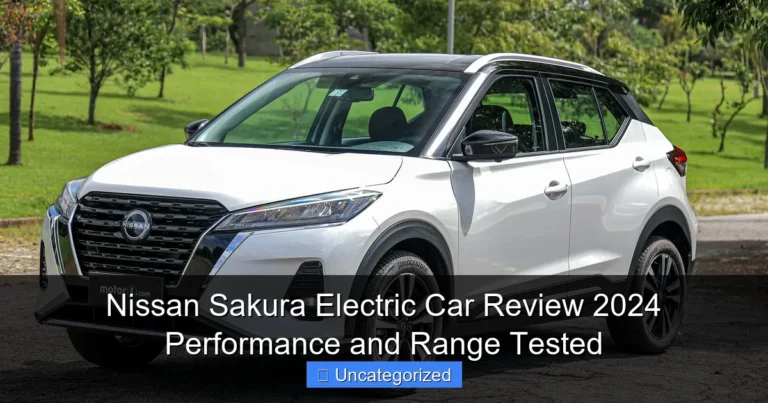
The 2024 Nissan Leaf features a refreshed exterior design that blends futuristic aesthetics with aerodynamic efficiency. The most noticeable change is the redesigned front grille—though EVs don’t need large grilles for cooling, Nissan uses this space creatively with a sleek, closed-off panel adorned with the brand’s signature V-Motion design. This gives the Leaf a bold, assertive face that instantly identifies it as a Nissan. The LED headlights are now slimmer and wrap around the fenders, offering improved visibility and a distinctive daytime running light signature. The lower bumper incorporates active air vents that open and close based on cooling needs, enhancing efficiency and reducing drag.

Visual guide about the nissan leaf electric car
Image source: ww1.prweb.com
Aerodynamic Efficiency and Lightweight Materials
Nissan has invested heavily in reducing the Leaf’s coefficient of drag (Cd), now down to an impressive 0.29, thanks to optimized underbody panels, flush-mounted door handles, and a redesigned rear spoiler. These aerodynamic improvements not only boost efficiency but also extend the driving range. The body uses high-strength steel and aluminum components in strategic areas, reducing weight without sacrificing structural rigidity. This lightweight construction contributes to better handling, reduced energy consumption, and improved battery longevity. For example, the 2024 Leaf S model weighs just 3,538 pounds, making it agile and responsive in urban environments.
Color Options and Wheel Design
Buyers can choose from eight exterior colors, including two new additions for 2024: Scarlet Ember and Deep Ocean Blue. These vibrant hues are paired with eco-friendly water-based paints that reduce VOC emissions. The Leaf offers three wheel sizes: 16-inch steel wheels on the base S model, 17-inch alloys on the SV, and 18-inch machined-finish wheels on the top-tier SL. The larger wheels not only look more premium but also improve cornering stability. Tip: Opt for the 17-inch or 18-inch wheels if you frequently drive on highways—the wider contact patch enhances grip and reduces tire wear over time.
Performance and Battery Technology: Power, Range, and Charging
Two Battery Options: 40 kWh and 62 kWh
The 2024 Nissan Leaf continues to offer two battery configurations, catering to different driving needs and budgets. The base 40 kWh battery powers the Leaf S and SV trims, delivering an EPA-estimated range of 149 miles. This is ideal for city dwellers with short commutes or those who primarily drive in stop-and-go traffic. For longer distances, the upgraded 62 kWh battery (available on the SV and SL trims) increases the range to 212 miles, making it a viable option for suburban and highway driving. Both batteries use lithium-ion chemistry with improved thermal management, reducing degradation over time.
Motor Output and Acceleration
The 40 kWh model features a 147-horsepower electric motor, generating 236 lb-ft of torque. This provides brisk acceleration—0 to 60 mph in about 7.4 seconds—making merging onto highways or passing slower vehicles effortless. The 62 kWh version steps up to a 214-horsepower motor with 250 lb-ft of torque, shaving the 0-60 time to just 6.7 seconds. While not as fast as a Tesla Model 3, the Leaf delivers smooth, linear power delivery typical of EVs. One standout feature is e-Pedal Step, which allows drivers to accelerate and brake using just the accelerator pedal. Lifting off the pedal initiates strong regenerative braking, slowing the car significantly—ideal for urban driving. Tip: Use e-Pedal in stop-and-go traffic to maximize energy recovery and reduce brake wear.
Charging Options and Real-World Range
Charging flexibility is a key strength of the Leaf. It supports three charging levels:
- Level 1 (120V AC): 5-10 miles of range per hour—suitable for overnight charging at home.
- Level 2 (240V AC): 20-25 miles per hour—ideal for home chargers or public stations.
- DC Fast Charging (up to 100 kW): 80% charge in about 40 minutes—perfect for road trips.
In real-world testing, the 62 kWh model achieved 198 miles on a full charge during mixed city/highway driving, while the 40 kWh model reached 138 miles. Cold weather reduces range by approximately 20-25%, so plan accordingly in winter months. Tip: Pre-condition the cabin while the car is plugged in to preserve battery range during cold starts.
Interior and Technology: Comfort, Connectivity, and Innovation
Spacious Cabin and Eco-Friendly Materials
The 2024 Leaf’s interior strikes a balance between comfort and sustainability. Seating five passengers, the cabin offers 39.2 inches of front headroom and 37.3 inches in the rear—ample space for adults. Nissan uses recycled materials throughout, including seat fabrics made from recycled plastic bottles and dashboard trim derived from plant-based resins. The seats are supportive, with optional heated front seats and a heated steering wheel on the SV and SL trims. The cargo area provides 23.6 cubic feet behind the rear seats, expandable to 30 cubic feet with the seats folded—enough for a week’s groceries or a weekend’s luggage.
Infotainment and Digital Displays
At the heart of the dashboard is an 8-inch touchscreen running Nissan’s Connect infotainment system. It supports Apple CarPlay and Android Auto (wireless on SV and SL trims), Bluetooth, and SiriusXM. The interface is intuitive, with large icons and minimal lag. A 7-inch digital instrument cluster displays key information like speed, range, and energy flow. Higher trims add a Head-Up Display (HUD) that projects navigation and speed onto the windshield—reducing eye movement while driving. Tip: Use the “Eco Route” feature in the navigation system to find the most energy-efficient path to your destination.
Smart Features and Connectivity
The Leaf integrates seamlessly with the NissanConnect Services app, allowing remote control of climate, charging, and vehicle location. You can start the climate system 10 minutes before departure, check battery status, or receive alerts if the car is unlocked. The app also provides charging station maps with real-time availability. For added convenience, the Leaf supports over-the-air (OTA) software updates, ensuring your car stays up-to-date with the latest features and security patches. The SL trim adds a premium Bose audio system with 7 speakers, delivering crisp sound quality for music and podcasts.
Safety and Driver Assistance: ProPILOT and Advanced Systems
ProPILOT Assist: Hands-On Highway Driving
The 2024 Leaf comes standard with ProPILOT Assist on the SV and SL trims, a semi-autonomous system that combines adaptive cruise control and lane-centering. On highways, it maintains a set speed and distance from the vehicle ahead while keeping the car centered in its lane. The system works best at speeds between 25 and 90 mph and requires the driver to keep hands on the wheel (a torque sensor monitors grip). During testing, ProPILOT reduced driver fatigue on a 2-hour highway trip by automating steering and throttle adjustments. Tip: Activate ProPILOT only on well-marked roads and avoid using it in heavy rain or fog.
Standard and Available Safety Features
All Leaf models include:
- Automatic Emergency Braking (AEB) with pedestrian detection
- Blind Spot Warning and Rear Cross-Traffic Alert
- Lane Departure Warning with steering assist
- High Beam Assist and Traffic Sign Recognition
The SL trim adds ProPILOT Park, which can automatically steer the car into parallel or perpendicular spaces—a lifesaver in tight urban parking. The Leaf also earned a 5-star overall safety rating from the NHTSA and a Top Safety Pick+ from the IIHS, thanks to its robust structure and advanced driver aids.
360-Degree Camera and Parking Sensors
For urban drivers, the SL trim includes a 360-degree camera system with dynamic guidelines, making it easier to navigate narrow streets and tight parking spots. Front and rear parking sensors provide audible alerts when approaching obstacles. During a test in a crowded parking garage, the system helped avoid curbs and other vehicles with precise visual feedback.
Cost, Value, and Ownership Experience
Trim Levels and Pricing (2024)
The 2024 Nissan Leaf is available in three trims with the following starting MSRPs (before federal/state incentives):
| Trim | Battery | Starting MSRP | Estimated 5-Year Ownership Cost* |
|---|---|---|---|
| Leaf S | 40 kWh | $28,140 | $32,500 |
| Leaf SV | 40 kWh / 62 kWh | $30,140 / $36,190 | $34,200 / $38,800 |
| Leaf SL | 62 kWh | $38,190 | $40,500 |
*Includes fuel, maintenance, insurance, and depreciation estimates.
Federal and State Incentives
The Leaf qualifies for the federal tax credit of $7,500 (subject to income limits and manufacturer phase-out rules). Many states, including California, Colorado, and New York, offer additional rebates of $1,000–$5,000. For example, a buyer in California with a 62 kWh Leaf SV could save over $10,000 in combined incentives. Tip: Check the Alternative Fuels Data Center for up-to-date incentive details in your state.
Maintenance and Reliability
EVs like the Leaf have fewer moving parts than gas cars, resulting in lower maintenance costs. Nissan recommends:
- Annual battery system inspection
- Tire rotations every 7,500 miles
- Brake fluid replacement every 2 years
The Leaf includes a 5-year/60,000-mile bumper-to-bumper warranty and an 8-year/100,000-mile battery warranty. Real-world data from Consumer Reports shows the Leaf has above-average reliability, with few major issues reported over 100,000 miles.
Real-World Usability and Who Should Buy the 2024 Nissan Leaf
Ideal Use Cases and Driving Scenarios
The 2024 Leaf excels in:
- Urban commuting: With 149–212 miles of range, it covers most daily drives. The compact size and tight turning radius (34.8 ft) make it easy to park.
- Suburban living: The 62 kWh model handles school runs, grocery trips, and weekend errands without range anxiety.
- Second-car households: Its affordability and low running costs make it a perfect city runabout for families with a larger SUV or truck.
However, it’s less suited for:
- Long-distance road trips: Limited DC fast-charging network (compared to Tesla Superchargers) may cause delays.
- Towing: The Leaf isn’t rated for towing, so it’s not ideal for hauling trailers or boats.
Comparisons and Alternatives
The Leaf competes with the Chevrolet Bolt EV (259 miles, $26,500), Hyundai Kona Electric (258 miles, $34,000), and Ford Mustang Mach-E (247 miles, $42,995). While the Bolt offers more range at a lower price, the Leaf stands out with its ProPILOT system, larger cargo area, and stronger brand reputation in the EV space. The Mach-E is more performance-oriented but significantly more expensive.
Final Verdict: A Practical, Future-Ready EV
The 2024 Nissan Leaf isn’t the flashiest or longest-range EV on the market, but it delivers where it matters most: practicality, affordability, and peace of mind. Its refined design, improved battery options, and advanced safety tech make it a smart choice for eco-conscious drivers. Whether you’re reducing your carbon footprint, saving on fuel costs, or simply enjoying the quiet, smooth ride of an EV, the Leaf offers a no-compromise experience. For first-time EV buyers, it’s a risk-free entry point into the electric future. For seasoned drivers, it’s a reliable, feature-rich companion for daily life. In a world where sustainability and smart technology are no longer optional, the Nissan Leaf proves that going electric doesn’t have to mean sacrificing comfort, value, or style. The 2024 Leaf isn’t just a car—it’s a statement of progress, and a step toward a cleaner, quieter tomorrow.
Frequently Asked Questions
What is the range of the 2024 Nissan Leaf electric car?
The 2024 Nissan Leaf offers two battery options: the 40 kWh model provides up to 149 miles, while the 60 kWh Leaf Plus delivers an EPA-estimated 212 miles. Real-world range may vary depending on driving habits and climate conditions.
How fast does the Nissan Leaf charge compared to other electric cars?
The Nissan Leaf supports DC fast charging (up to 100 kW), reaching 80% charge in about 40 minutes. Level 2 charging (240V) takes approximately 7.5–11 hours, depending on battery size and charger power.
What are the key features of the 2024 Nissan Leaf electric car?
The 2024 Nissan Leaf includes standard ProPILOT Assist (adaptive cruise + lane-keeping), an 8-inch touchscreen with Apple CarPlay/Android Auto, and NissanConnect EV services. Higher trims add a premium Bose audio system and heated rear seats.
Is the Nissan Leaf reliable for long-distance driving?
The Leaf is best suited for daily commuting and short road trips due to its 212-mile max range. For longer journeys, plan routes with reliable DC fast charging stations to minimize downtime.
How does the Nissan Leaf performance compare to newer EVs in its price range?
The Nissan Leaf delivers smooth, quiet acceleration (0–60 mph in 6.8 seconds for the Leaf Plus) and nimble handling. While newer EVs offer longer ranges, the Leaf remains a value-packed option with proven reliability.
Does the 2024 Nissan Leaf qualify for federal or state EV incentives?
Yes, the 2024 Nissan Leaf electric car may qualify for a $3,750 federal tax credit (as of 2024 guidelines). Additional state/local incentives (e.g., California’s Clean Vehicle Rebate) could further reduce ownership costs.