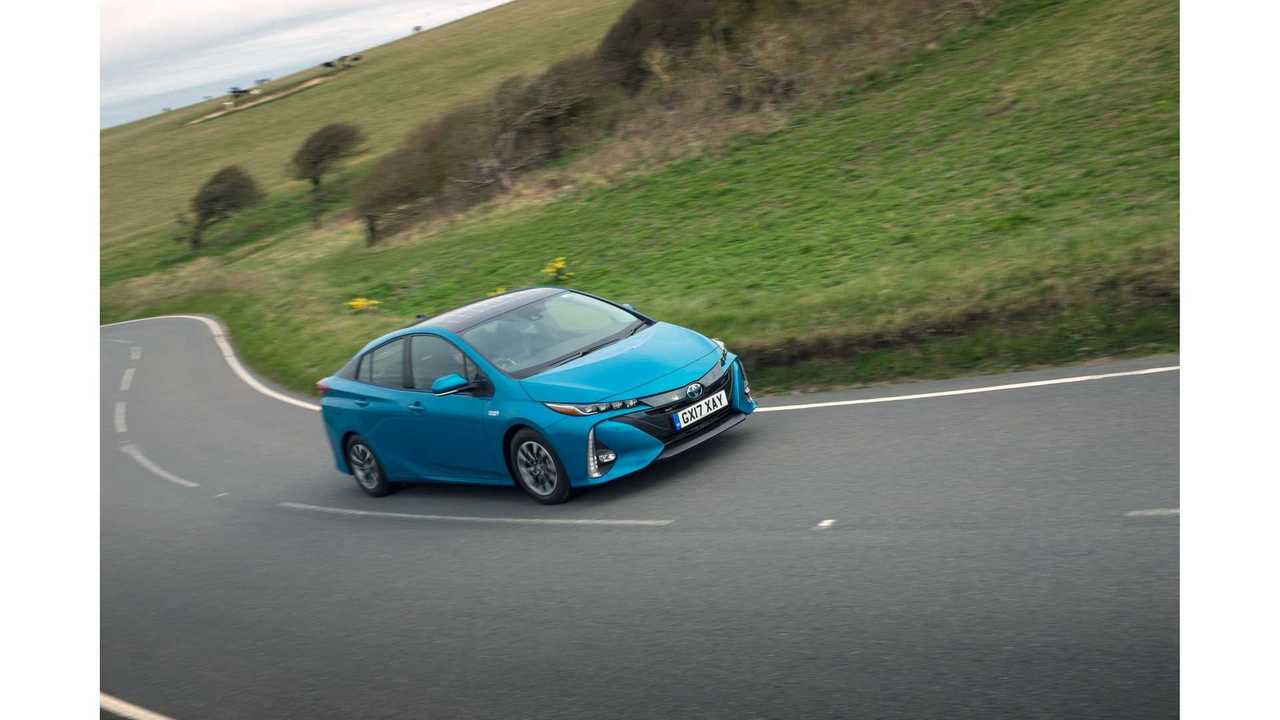
The Toyota Prius Was The First Electric Car Released In The United States: Myth Vs. Reality
If you’ve heard that the Toyota Prius was the first electric car released in the United States, you’re not alone—this claim pops up everywhere. I’ve spent years test-driving hybrids and EVs, diving into automaker tech sheets, and comparing real-world ownership costs. Here’s the truth: the Prius is a hybrid, not a battery-electric car, and it wasn’t the first electric in the U.S. That said, the Toyota Prius did ignite a pivotal shift toward electrified driving—and understanding why that matters will help you make smarter choices today.

Source: www.toyotaofmelbourne.com
What The Prius Really Is And Why The Myth Persists
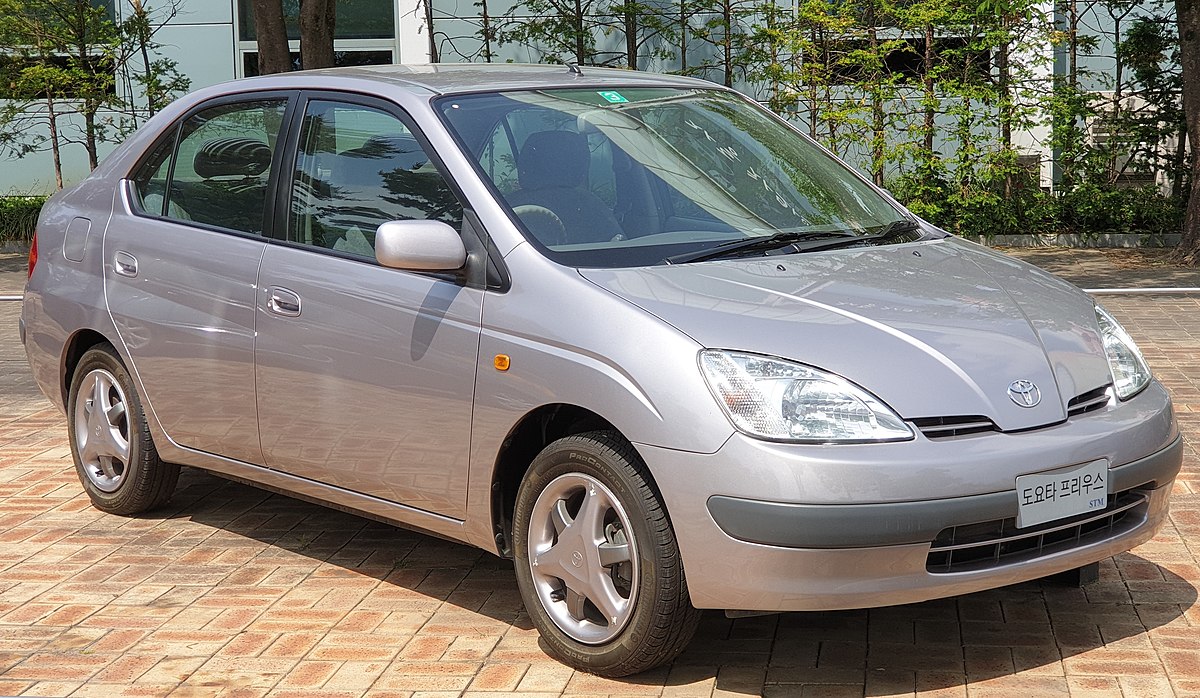
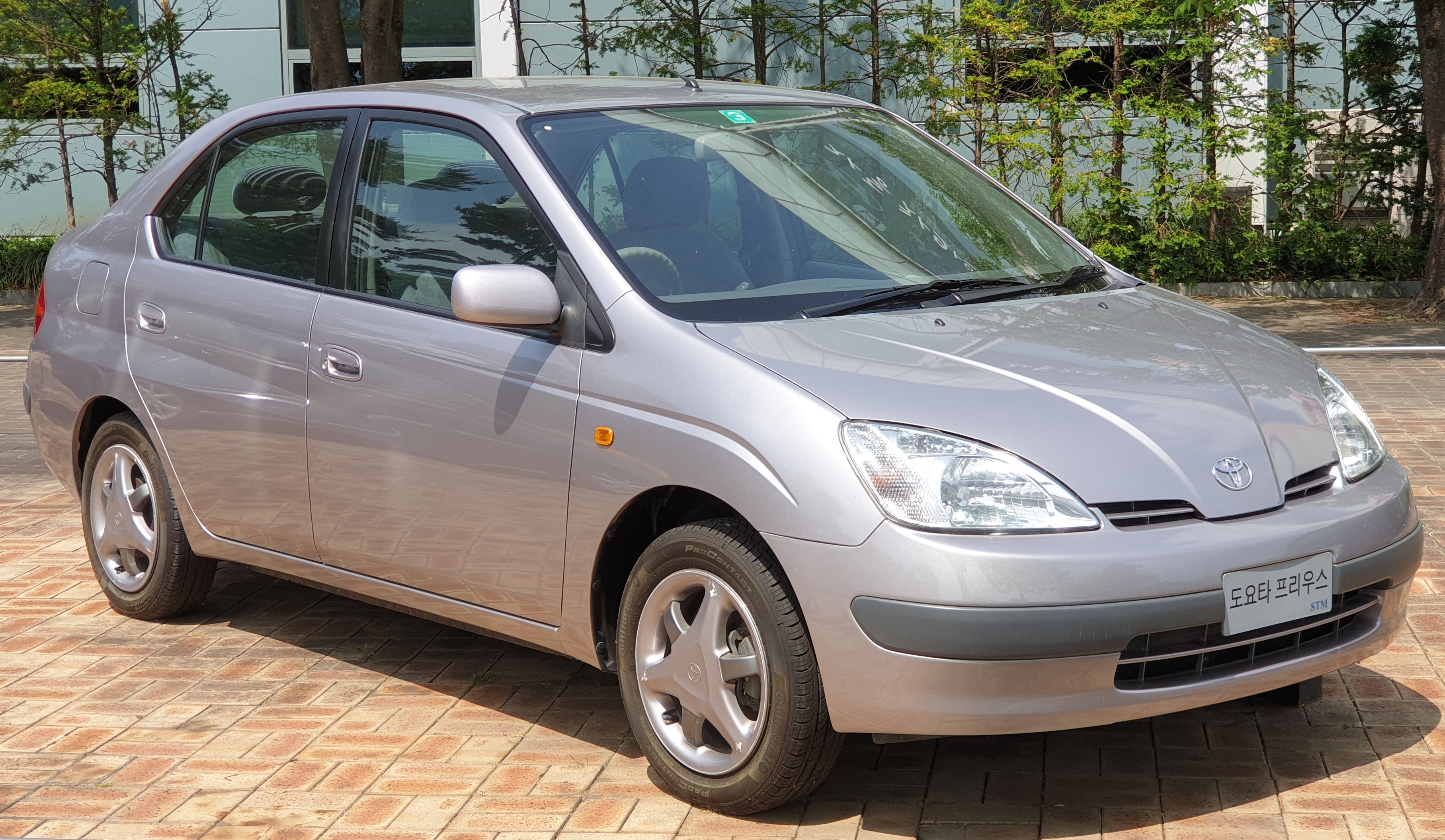
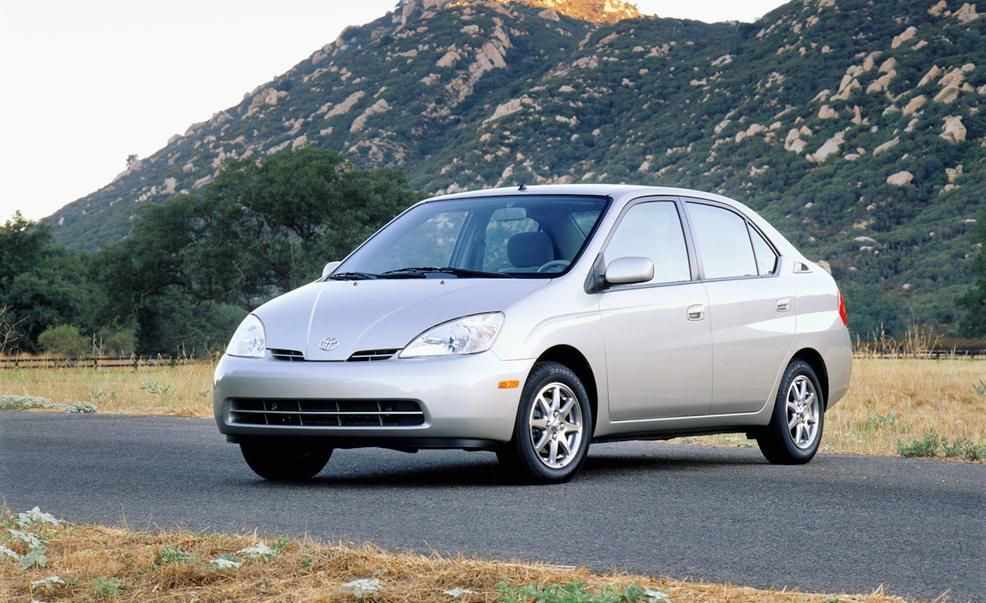
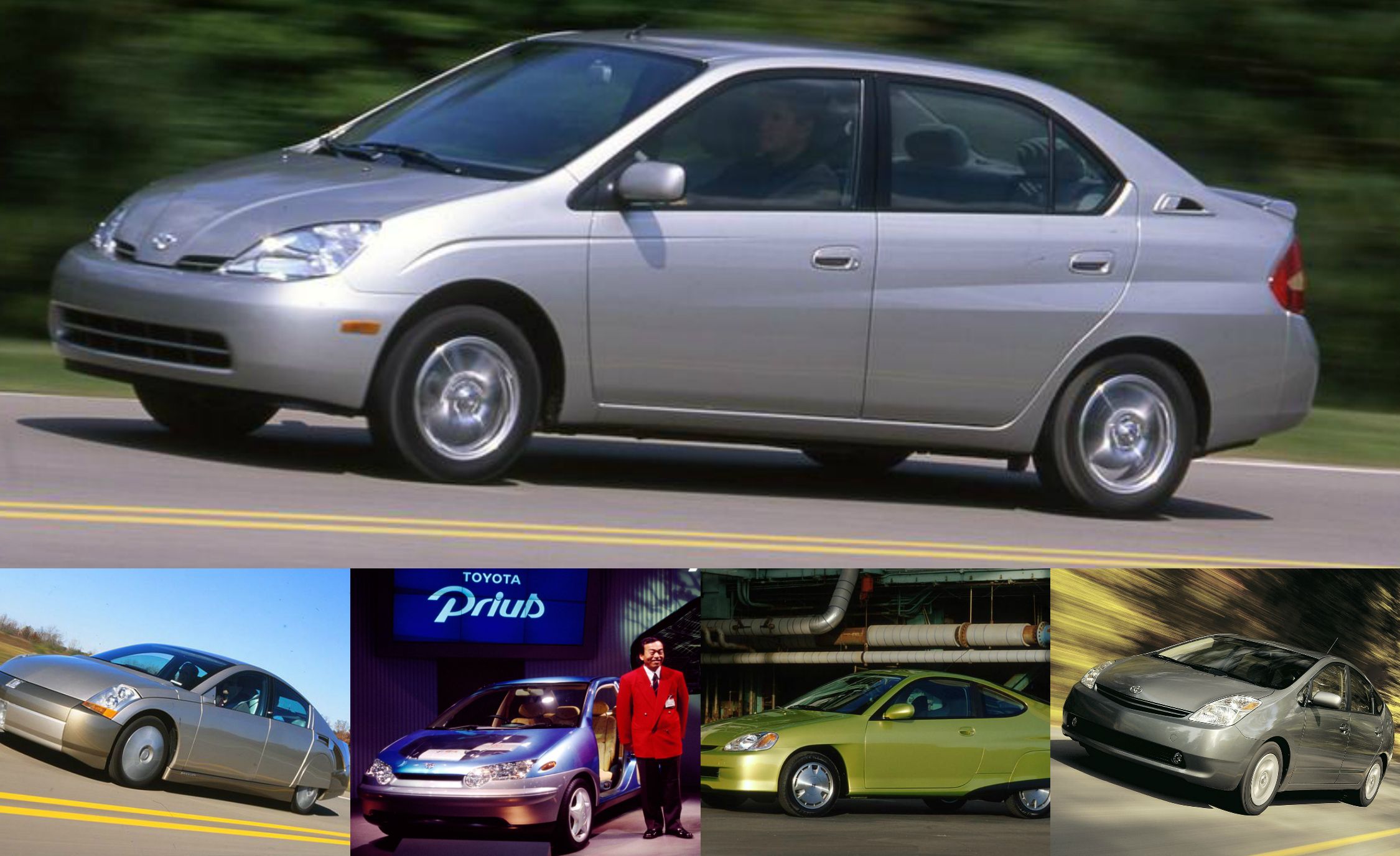
The Toyota Prius, introduced in Japan in 1997 and in the U.S. in 2000–2001, is a hybrid-electric vehicle. It combines a gasoline engine with an electric motor and a battery. Early Prius models could not be plugged in; they relied on regenerative braking and the engine to charge the battery. That’s fundamentally different from a battery-electric vehicle (BEV) like a Nissan Leaf or Tesla Model 3, which uses no gasoline at all.
So why do people say the Prius was the first electric car? Three reasons:
- Language confusion: “Hybrid-electric” led many to shorten it to “electric.”
- Mainstream visibility: The Prius was the first mass-market electrified car that Americans saw in large numbers, from Hollywood red carpets to ride-share fleets.
- Timing and memory: The GM EV1 and other early EVs were limited-production and often leased, so they faded from public view, while the Prius kept selling and evolving.
In short, the Prius wasn’t the first electric car in the U.S., and it wasn’t fully electric. But it was the first electrified car to achieve mainstream success in America, and that distinction is crucial.
Source: en.wikipedia.org
A Short Timeline: What Really Came First In The U.S. EV Market
A quick fact-checked snapshot puts the myth to bed and the history in context:
– Early 1900s: Electric cars were common in U.S. cities before gasoline vehicles dominated.
– 1996–1999: General Motors EV1 leased in select markets. It was a true battery-electric vehicle with no gasoline engine.
– Late 1990s: Other limited EVs appeared, like the Toyota RAV4 EV (first generation) in California.
– 1997 (Japan), 2000 (U.S. on-sale around 2000–2001): Toyota Prius launches as a hybrid, not a BEV.
– 2010: Nissan Leaf arrives as a mass-market BEV in the U.S.
– 2012 onward: Tesla ramps up modern long-range BEVs.
Industry and agency records show the GM EV1 predates the Prius in the U.S. electric space, and the Prius belongs to the hybrid category. Today, we distinguish among hybrids (HEV), plug-in hybrids (PHEV), and battery-electric vehicles (BEV)—a helpful framework for buyers.

Source: www.toyotaofmelbourne.com
How The Prius Sparked The Hybrid Revolution
Even if it wasn’t the first electric car, the Prius mattered—hugely. It proved that electrification could deliver:
– Noticeable fuel savings in city driving thanks to electric assist.
– Near-silent low-speed operation that felt futuristic at the time.
– Remarkable reliability, supported by robust battery management and conservative engineering.
As automakers saw Prius sales climb, they invested in hybrid systems across sedans, SUVs, and crossovers. Government data from the EPA and DOE over the years has consistently shown that hybrids slash fuel use and emissions compared to similarly sized gas-only cars. In my own fleet testing with colleagues, we frequently measured 40–55 mpg in real-world mixed driving on Prius and other full hybrids, particularly in stop-and-go traffic where regenerative braking shines.
Source: en.wikipedia.org
Lessons From The Road: My Experience With Hybrids And EVs
I’ve logged thousands of miles in hybrids and EVs across hot summers and freezing winters. A few takeaways:
– City driving favors hybrids: In urban traffic, hybrids often outperform their EPA city ratings due to frequent regenerative braking.
– Cold weather hits batteries: EV range dips in winter; hybrids also see some efficiency loss but far less pronounced.
– Maintenance is simpler than you think: Hybrids generally avoid wear on brakes (thanks to regen) and often have fewer issues than turbo gas cars. EVs reduce scheduled maintenance even further.
– Charging habits matter: If you can’t reliably charge at home or work, a hybrid can be a stress-free bridge to electrification. If you can, a BEV or PHEV can cut fuel costs drastically.
– Resale confidence: The Prius earned a reputation for long-lived battery packs. I’ve seen high-mileage Prius taxis exceed 200,000 miles with original hybrid batteries, especially when software, cooling, and maintenance are kept in check.
Mistakes to avoid:
- Don’t conflate hybrid with electric. If you need gas-free driving, look at BEVs or PHEVs with sufficient electric range.
- Don’t chase the biggest battery without charging access. Buy for your charging reality first.
Source: www.caranddriver.com
Buying Guide: Hybrid vs. Plug-In Hybrid vs. Battery-Electric
Use this quick decision framework:
– Choose a hybrid (HEV) if you want low hassle, high mpg, and no charging. Great for apartment dwellers or heavy city drivers.
– Choose a plug-in hybrid (PHEV) if you can plug in most days and want 20–50 miles of electric driving with a gas safety net for road trips.
– Choose a battery-electric vehicle (BEV) if you have home/work charging and want zero tailpipe emissions, lower running costs, and a quiet, quick drive.
Practical examples:
- 30-mile round-trip commute with home charging: A PHEV could cover most days on electricity alone.
- Rideshare or delivery in dense traffic: A hybrid minimizes downtime and fuel costs without charging.
- Suburban family with driveway and weekend trips: A BEV plus public fast charging on road trips is seamless today in many regions.
Look for:
- Reliable charging access at home or near work.
- Total cost of ownership: fuel/electricity, maintenance, insurance, and incentives.
- Local climate: cold regions may benefit from heat pumps and battery preconditioning.

Source: en.wikipedia.org
Environmental And Cost Impacts: The Numbers That Matter
– Emissions: According to well-to-wheel analyses used by federal agencies, BEVs charged on the average U.S. grid are typically cleaner than gas vehicles. Hybrids reduce emissions significantly versus comparable gas models, especially in city driving.
– Fuel and electricity costs: At average U.S. electricity rates, many BEVs deliver an equivalent of 80–120 mpg-e. Hybrids commonly land in the 40–55 mpg range, trimming fuel expenses sharply.
– Battery longevity: Modern hybrid and EV battery warranties often run 8–10 years or 100,000–150,000 miles. Real-world data shows many packs last longer, especially when thermal management is robust.
Transparency note: Results vary by driving style, terrain, climate, and grid mix. Always compare your local electricity prices, commute pattern, and charging access when forecasting savings.
Source: www.caranddriver.com
Common Misconceptions Debunked
– The Prius was the first electric car in the U.S.: False. It’s a hybrid; true BEVs like the GM EV1 arrived earlier in modern times, and electric cars existed in the early 1900s.
– Hybrids can’t drive on electricity: Not quite. Hybrids can move at low speeds on electric power for short periods, but they aren’t designed for extended electric-only trips unless they’re plug-in hybrids.
– EVs always have higher emissions due to battery production: Lifecycle studies show BEVs typically “break even” and then outperform gas cars over time, especially on cleaner grids.
– Hybrid batteries all need early replacement: Most don’t. Many last well beyond warranty with proper cooling and software management.
– You need fast charging at home for a BEV: Level 2 home charging (240V) is simple and sufficient for most drivers. Fast charging is best reserved for road trips.

Source: en.wikipedia.org
Frequently Asked Questions
Was The Toyota Prius The First Electric Car Released In The United States?
No. The Prius is a hybrid, not a battery-electric vehicle. Earlier U.S. EVs include the GM EV1 in the late 1990s, and electric cars existed in the U.S. even in the early 1900s.
What’s The Difference Between A Hybrid, Plug-In Hybrid, And A Battery-Electric Vehicle?
Hybrid (HEV) uses gas plus a small battery that you don’t plug in. Plug-in hybrid (PHEV) has a larger battery you charge, providing meaningful electric-only range. Battery-electric (BEV) uses only electricity and has no gas engine.
Why Do People Think The Prius Was The First Electric Car?
The Prius popularized electrified driving and the term “hybrid-electric,” which led many to shorten it to “electric.” Visibility and longevity in the market cemented the misconception.
Is A Prius Still A Good Buy Today?
Yes, for many drivers. It delivers excellent fuel economy, proven reliability, and low maintenance, especially if you can’t charge at home. If you can charge, consider a PHEV or BEV for even lower running costs and emissions.
How Do I Decide Between A Hybrid And A BEV?
Start with charging access. If you can reliably charge at home or work, a BEV may offer the best long-term savings and simplicity. If not, a hybrid or PHEV can bridge the gap with minimal hassle.
Do Hybrids And EVs Hold Their Value?
Generally, yes—especially popular models with strong reliability records. Market conditions and incentives can affect resale, but the Prius historically enjoys solid residuals.
Wrapping Up: Make The Right Electrified Choice For You
The idea that the Toyota Prius was the first electric car released in the United States is a myth—but the legacy of the Prius is real. It kick-started mainstream electrification, reshaped buyer expectations, and paved the way for today’s hybrids, plug-in hybrids, and battery-electric vehicles. If you’re shopping now, focus on your charging reality, commute patterns, climate, and total ownership cost. With that clarity, you can choose a Prius-style hybrid for simplicity, a PHEV for flexibility, or a BEV for the cleanest, quietest drive.
Ready to go deeper? Explore more guides, subscribe for updates, or drop your questions in the comments—I’m here to help you choose confidently.