Top Chinese Electric Car Brands to Watch in 2025

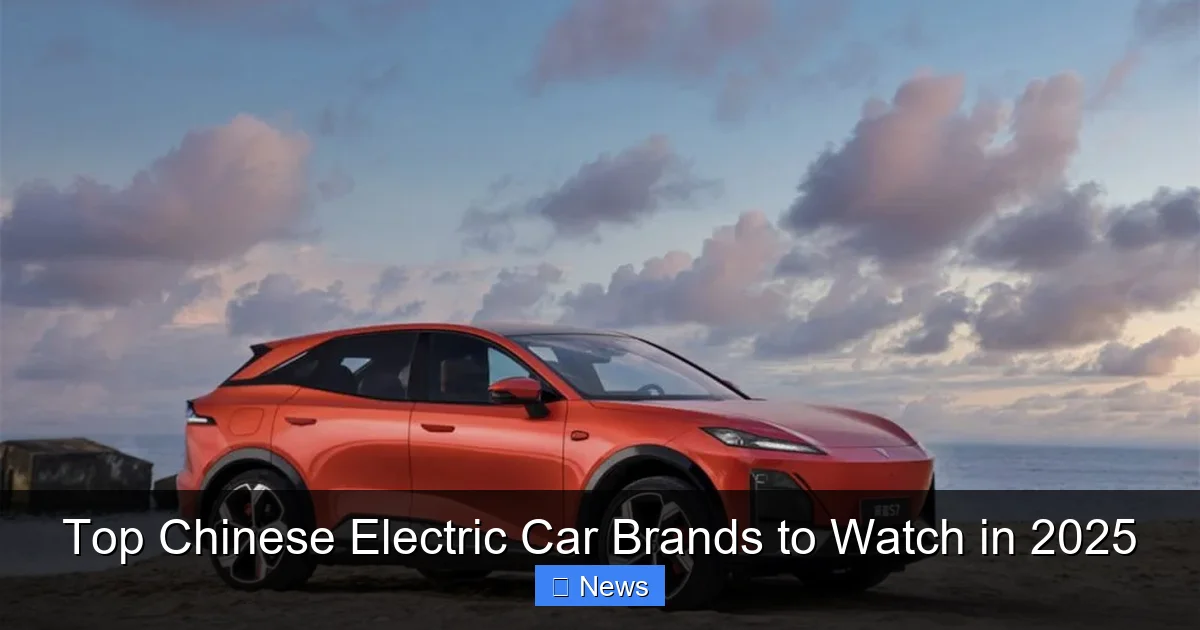
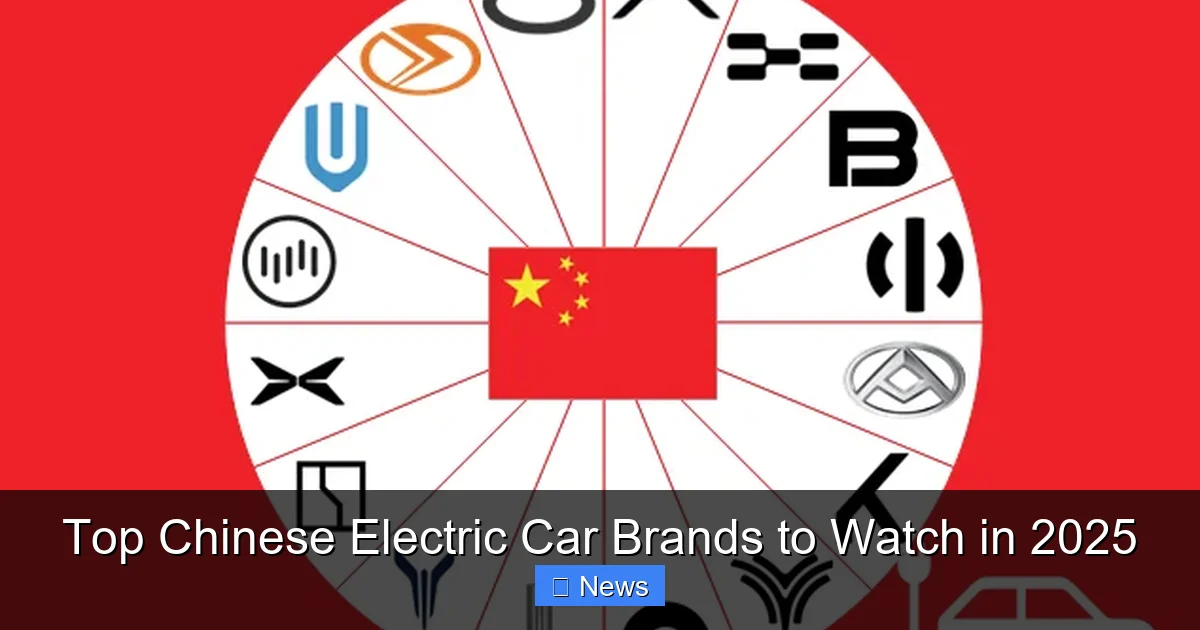
Featured image for this comprehensive guide about chinese electric car brands
Image source: car-logos.net
The global automotive industry is undergoing a monumental shift, and at the heart of this revolution lies China. Once primarily known for manufacturing goods for the rest of the world, China has swiftly transformed into a leading innovator and producer of electric vehicles (EVs). In just a few short years, Chinese electric car brands have gone from relative obscurity to serious contenders on the international stage, challenging established legacy automakers and pioneering new technologies and business models. As we approach 2025, the trajectory of these brands is set to accelerate even further, promising exciting developments for consumers and industry watchers alike.
Forget everything you thought you knew about the automotive landscape. China isn’t just a market; it’s an innovation hub that’s redefining what an electric car can be. With robust government support, massive domestic demand, and a relentless pursuit of technological advancement, China’s EV market dominance is undeniable. From battery breakthroughs to advanced autonomous driving features and ingenious cabin experiences, Chinese EV manufacturers are pushing boundaries, offering compelling alternatives to traditional gasoline cars and even challenging Western EV giants. This comprehensive guide will delve into the top Chinese electric car brands poised to make significant waves by 2025, exploring their unique strengths, innovations, and global ambitions.
Whether you’re an early adopter looking for your next EV, an industry professional tracking global trends, or simply curious about the future of transportation, understanding the players in this dynamic market is crucial. Get ready to discover the powerhouses, the disruptors, and the rising stars that are shaping the future of electric mobility. Let’s explore the cutting-edge innovations and strategic moves that place these Chinese electric car brands at the forefront of the global automotive revolution.
Quick Answers to Common Questions
What are some of the biggest Chinese electric car brands right now?
You’ll definitely want to keep an eye on industry giants like BYD, Nio, Xpeng, and Li Auto. These top Chinese electric car brands are making significant waves both domestically and internationally with their innovative offerings.
Are Chinese electric car brands producing quality vehicles?
Absolutely! Many Chinese electric car brands are now highly regarded for their advanced technology, impressive build quality, and strong safety ratings. They’re direct competitors with established global automakers.
Are Chinese electric cars affordable compared to other EVs?
Often, yes! One of the key strengths of Chinese electric car brands is their ability to offer competitive pricing across various segments. This makes high-tech EVs more accessible to a wider range of buyers.
Can I actually buy Chinese electric car brands outside of China?
Increasingly, yes! Many prominent Chinese electric car brands are rapidly expanding their presence into European, Southeast Asian, and other global markets. Keep an eye out for them in your region soon!
Why should I be paying attention to Chinese electric car brands in 2025?
Because they are at the forefront of EV innovation, often introducing cutting-edge battery technology, smart features, and diverse models at compelling price points. Tracking Chinese electric car brands is essential for understanding the future of the automotive industry.
📋 Table of Contents
- The Unstoppable Rise of China’s EV Powerhouse
- Established Giants: BYD, SAIC, Geely Driving Innovation
- The New Kids on the Block: NIO, Xpeng, Li Auto Pushing Boundaries
- Emerging Contenders and Niche Players: Zeekr, AITO, IM Motors, and More
- Key Trends and Innovations Shaping Chinese EVs
- Navigating the Future: What to Expect from Chinese Electric Car Brands in 2025
- Conclusion: The Undeniable Momentum of Chinese Electric Car Brands
The Unstoppable Rise of China’s EV Powerhouse
China’s ascent to the pinnacle of the electric vehicle industry is a story of strategic foresight, massive investment, and rapid technological adoption. The nation boasts the world’s largest automotive market, and its commitment to electrifying this market has been unwavering. Government policies, including substantial subsidies (though gradually phasing out), investment in charging infrastructure, and strict emissions regulations, have created a fertile ground for Chinese electric car brands to flourish.
Learn more about chinese electric car brands – Top Chinese Electric Car Brands to Watch in 2025
Image source: borderlesscar.com
Consider the sheer scale: China accounts for over 60% of global EV sales. In 2023, sales of new energy vehicles (NEVs), which include battery electric vehicles (BEVs) and plug-in hybrids (PHEVs), reached record highs, demonstrating an insatiable domestic appetite. This massive home market has allowed Chinese EV manufacturers to achieve economies of scale, refine their products, and aggressively innovate at a pace unmatched elsewhere. Moreover, China isn’t just producing cars; it’s leading in critical components like batteries, with companies like CATL and BYD dominating global supply chains. This integrated ecosystem provides a significant competitive advantage for Chinese electric car brands looking to expand globally.
| Brand | Recent News/Focus | Global/Domestic Strategy | Noteworthy Statistic (2023) |
|---|---|---|---|
| BYD | Surpassed Tesla in global EV sales (Q4 2023 BEVs), expanding rapidly in Europe, Asia, and Latin America. | Vertical integration (batteries to cars), aggressive international market entry across various segments. | ~3.02 Million NEVs (BEV+PHEV) Sold Globally. |
| Nio | Known for premium segment focus and unique battery swapping technology. Bolstering service network. | Expanding in European luxury EV market, fostering a strong user community and charging infrastructure. | ~160,038 Vehicles Delivered; Over 2,400 Battery Swap Stations. |
| Xpeng | Pioneering advanced driver-assistance systems (ADAS) and smart cockpit technology. | Directly challenging Tesla with tech-forward, competitively priced smart EVs, increasing European footprint. | ~141,601 Vehicles Delivered; Partnership with Volkswagen. |
| Li Auto | Dominant in the extended-range electric vehicle (EREV) SUV market, achieved profitability. | Focus on family-oriented smart SUVs, strong domestic sales, and expanding product line beyond EREVs. | ~376,030 Vehicles Delivered; Reported First Annual Profit. |
The success isn’t just about volume; it’s also about speed and agility. Chinese electric car brands are known for their rapid product development cycles, quickly incorporating the latest technology and user feedback. They understand that today’s consumers demand more than just transportation; they seek a connected, intelligent, and enjoyable mobility experience. This focus on software-defined vehicles, advanced infotainment systems, and autonomous driving features positions them as truly forward-thinking players in the automotive world.
Established Giants: BYD, SAIC, Geely Driving Innovation
While many associate the rise of Chinese EVs with startups, several well-established domestic auto giants have pivoted powerfully into the electric future. These companies leverage extensive manufacturing capabilities, vast dealer networks, and deep market understanding to dominate both the local and increasingly, the international stage. They are the backbone of China’s EV market dominance.
Learn more about chinese electric car brands – Top Chinese Electric Car Brands to Watch in 2025
Image source: caytoo.co.uk
BYD: The Global EV Leader
You can’t talk about Chinese electric car brands without putting BYD (Build Your Dreams) at the top. Once a relatively unknown battery manufacturer, BYD has transformed into a global automotive titan. In Q4 2023, BYD even surpassed Tesla in global BEV sales, a monumental achievement. What sets BYD apart is its vertical integration; it manufactures its own batteries (Blade Battery technology is renowned for safety and energy density), semiconductors, and electric powertrains. This control over the supply chain gives BYD unparalleled cost efficiency and quality control.
BYD’s product line is incredibly diverse, ranging from affordable compact cars like the Dolphin and Seagull to stylish sedans like the Seal and Han, and SUVs such as the Atto 3 (Yuan Plus in China). They also excel in commercial EVs, producing electric buses and trucks that operate worldwide. Their ‘DM-i’ super hybrid technology offers exceptional fuel efficiency and range for plug-in hybrids. BYD’s global expansion is aggressive, with significant inroads into Europe, Southeast Asia, and Latin America. Expect BYD to solidify its position as one of the most important Chinese electric car brands globally by 2025.
- Key Strengths: Vertical integration, advanced Blade Battery, diverse product portfolio, strong global expansion.
- Models to Watch: Seal, Dolphin, Atto 3, Han, Tang.
SAIC Motor: A Diverse Portfolio
As one of China’s largest state-owned automakers, SAIC Motor has a broad portfolio that includes joint ventures with Volkswagen and General Motors, alongside its own burgeoning electric brands. SAIC is a significant player among Chinese electric car brands, making strategic moves to electrify its various sub-brands and create new ones dedicated solely to EVs.
SAIC’s key EV brands include:
- MG: Known globally for its sporty heritage, MG has been successfully re-invented as an affordable and stylish EV brand, particularly popular in Europe and Australia. Models like the MG4 EV and MG ZS EV offer compelling value and range.
- Roewe / Rising Auto: These brands focus on more premium, technologically advanced EVs for the domestic market, featuring sophisticated infotainment and driver-assist systems.
- IM Motors (Intelligent Mobility): A premium joint venture with Alibaba and Zhangjiang Hi-Tech, IM Motors targets the high-end segment with advanced autonomous driving capabilities and cutting-edge digital cockpits.
SAIC’s strategy involves leveraging its massive scale and manufacturing prowess to produce a wide range of electric vehicles that cater to different market segments, making it a comprehensive powerhouse among Chinese electric car brands.
Geely Auto Group: Expanding Global Footprint
Geely is a privately owned automotive giant with an impressive global presence, owning brands like Volvo, Polestar, Lotus, and LEVC (London Electric Vehicle Company). This extensive network provides Geely with unparalleled access to international R&D, design, and manufacturing expertise. Within its own ecosystem, Geely has cultivated several prominent Chinese electric car brands.
Key Geely EV sub-brands:
- Zeekr: Positioned as a premium, tech-focused EV brand, Zeekr offers striking designs and advanced features. The Zeekr 001 and X are gaining traction for their performance and sophisticated user experience, directly competing with high-end European and American EVs.
- Lynk & Co: A youthful, connected brand that offers subscription-based mobility solutions alongside traditional sales, with a strong focus on plug-in hybrids and EVs.
- Geometry: Geely’s mass-market EV brand, aiming to provide affordable and practical electric vehicles for urban commuters.
Geely’s multi-brand strategy allows it to capture various segments of the market, from luxury performance to urban utility, making it a formidable force among Chinese electric car brands with a strong global outlook.
The New Kids on the Block: NIO, Xpeng, Li Auto Pushing Boundaries
Alongside the traditional giants, a wave of “new energy vehicle” (NEV) startups has emerged, often referred to as China’s answer to Tesla. These companies are agile, tech-focused, and often prioritize innovative user experiences and advanced software capabilities. They are redefining what Chinese electric car brands can offer.
NIO: Premium Experience & Battery Swapping
NIO has carved out a niche as a premium EV brand, known for its elegant designs, luxurious interiors, and unique user ecosystem. More than just a car company, NIO aims to provide a “lifestyle” experience, offering exclusive NIO Houses for owners, a comprehensive charging network, and its revolutionary Battery Swap technology.
NIO’s Power Swap Stations allow owners to exchange a depleted battery for a fully charged one in minutes, addressing range anxiety and offering upgrade flexibility. This service, along with its Battery-as-a-Service (BaaS) subscription model, sets NIO apart. With models like the ES6, ES8, ET5, and ET7, NIO offers a range of high-performance sedans and SUVs equipped with advanced driver-assistance systems and sophisticated AI. Their expansion into Europe is a key focus, establishing NIO as a globally recognized premium Chinese electric car brand.
- Key Innovations: Battery Swap technology, BaaS model, premium user experience, advanced ADAS.
- Models to Watch: ET5, ET7, ES6.
Xpeng: Smart Technology & Autonomous Driving
Xpeng positions itself as a technology-first EV manufacturer, with a strong emphasis on smart features, advanced driver-assistance systems (ADAS), and in-house developed software. Their XNGP (Xpeng Navigation Guided Pilot) system is one of the most advanced autonomous driving solutions in mass production in China.
Xpeng’s vehicles, such as the P7 sedan, G9 SUV, and the new G6 coupé SUV, are characterized by sleek designs, expansive digital cockpits, and a user-friendly interface powered by their proprietary operating system. Xpeng is investing heavily in R&D for next-generation ADAS, robotics, and flying cars, aiming to be at the forefront of future mobility. Their strong focus on software and intelligent features makes Xpeng a significant player among Chinese electric car brands for tech enthusiasts.
- Key Innovations: Advanced ADAS (XNGP), proprietary software, smart cockpits, in-house R&D.
- Models to Watch: G6, P7, G9.
Li Auto: Range Extenders & Family SUVs
Li Auto takes a slightly different approach among Chinese electric car brands, focusing primarily on Extended Range Electric Vehicles (EREVs). These vehicles feature a small gasoline generator that charges the battery, offering the benefits of electric driving with the peace of mind of a longer range without needing to find a charging station. This strategy has proven immensely popular with families, especially those in areas with less developed charging infrastructure.
Li Auto’s lineup consists exclusively of large, family-oriented SUVs like the Li ONE, Li L7, L8, and L9, all designed with spacious interiors, multiple screens, and comfort features in mind. Their vehicles boast impressive range figures (combining electric and gasoline) and a strong emphasis on intelligent cabin features. As charging infrastructure continues to develop, Li Auto is also gradually introducing pure BEVs, but their EREV success highlights a practical, market-driven innovation within the Chinese EV landscape.
- Key Innovations: Extended Range Electric Vehicles (EREVs), family-focused design, intelligent cabins.
- Models to Watch: Li L7, L8, L9.
Emerging Contenders and Niche Players: Zeekr, AITO, IM Motors, and More
Beyond the major players and high-profile startups, the Chinese electric car brands landscape is rich with innovative smaller brands and new ventures from existing groups. These emerging contenders are pushing specific niches, often leveraging unique technological partnerships or design philosophies.
Zeekr: Geely’s Premium EV Arm
While mentioned under Geely, Zeekr deserves its own spotlight. Launched as Geely’s answer to Tesla and NIO, Zeekr epitomizes luxury and performance. Its sleek designs, advanced chassis engineering, and focus on driver engagement have quickly garnered attention. The Zeekr 001, a shooting brake-style EV, offers blistering acceleration and a premium interior, while the Zeekr X is a compact luxury SUV. With plans for global expansion, Zeekr is rapidly establishing itself as a significant premium Chinese electric car brand.
- Highlight: Premium design, performance, and user experience.
AITO (Huawei Inside): Tech-Driven Mobility
AITO is a brand born from a unique partnership between Seres (a Chongqing-based automaker) and Huawei. Huawei provides the core intelligent technology, including its HarmonyOS smart cockpit, advanced driver-assistance systems, and electric drive solutions. This “Huawei Inside” approach has led to vehicles like the AITO M5 and M7, which are essentially smart devices on wheels, prioritizing seamless connectivity, intelligent voice control, and advanced sensor suites. AITO showcases how technology giants are actively shaping the future of Chinese electric car brands.
- Highlight: Deep integration with Huawei’s technology, cutting-edge smart features.
IM Motors: SAIC’s Intelligent Future
IM Motors, a collaboration between SAIC, Alibaba, and Zhangjiang Hi-Tech, is another example of a major automaker creating a dedicated premium EV brand. IM aims to deliver highly intelligent vehicles with advanced autonomous driving capabilities, often showcasing innovative features years ahead of traditional offerings. Their L7 sedan and LS7 SUV boast stunning designs and impressive tech specifications, positioning them as strong competitors in the high-end Chinese EV market.
- Highlight: Advanced autonomous driving, premium positioning, innovative tech.
Other notable mentions that are rapidly gaining traction include Denza (a BYD-Mercedes-Benz joint venture, now mostly BYD-controlled, focusing on high-end luxury EVs like the D9 MPV), Avatr (a Changan-Huawei-CATL collaboration), and newer entrants from established players like GAC’s Aion brand. The sheer breadth and depth of innovation among Chinese electric car brands are truly staggering.
Key Trends and Innovations Shaping Chinese EVs
The innovation isn’t just in the brands themselves but in the underlying technologies and strategies they employ. These trends are not only defining Chinese electric car brands but also influencing the global EV landscape.
Battery Technology Advancements
China is a world leader in battery technology. Beyond BYD’s Blade Battery, CATL’s innovations like Qilin batteries and sodium-ion batteries promise higher energy density, faster charging, and improved safety. Many Chinese electric car brands are also adopting “cell-to-pack” (CTP) or “cell-to-body” (CTB) technologies, which integrate battery cells directly into the vehicle’s structure, increasing efficiency, space, and safety. Solid-state batteries are on the horizon, with several Chinese companies investing heavily in their development, promising even greater leaps in performance and safety.
Software-Defined Vehicles and Autonomous Driving
Chinese EV manufacturers are at the forefront of the “software-defined vehicle” revolution. Cars are increasingly becoming platforms for digital services, over-the-air (OTA) updates, and personalized experiences. Companies like Xpeng, NIO, and Huawei (through partners like AITO) are leading in developing advanced ADAS and Level 2+ autonomous driving features, with eyes set firmly on Level 3 and beyond. The integration of high-performance computing chips and sophisticated sensor suites means that Chinese electric car brands offer some of the most intelligent vehicles on the market.
Global Expansion and Export Prowess
Initially focused on the domestic market, Chinese electric car brands are now making significant inroads globally. Europe, Southeast Asia, and Latin America are key growth markets. Brands like BYD and MG are establishing strong footholds, often competing on price, technology, and design. This global push isn’t just about selling cars; it’s about establishing brand recognition, building international supply chains, and influencing global automotive standards. Expect a substantial increase in the presence of Chinese electric car brands in showrooms worldwide by 2025.
Navigating the Future: What to Expect from Chinese Electric Car Brands in 2025
As we look towards 2025, the competitive landscape for Chinese electric car brands will only intensify. Several key factors will shape their journey, offering both opportunities and challenges.
Market Outlook: Key Players and Growth Potential
Here’s a snapshot of some major Chinese electric car brands and their current focus:
| Brand | Primary Focus | Key Differentiator | Global Outlook |
|---|---|---|---|
| BYD | Mass market to premium EVs, PHEVs | Vertical integration, Blade Battery, diverse models | Strong global expansion, key player in Europe/Asia |
| NIO | Premium BEVs, luxury experience | Battery Swap technology, BaaS, user community | Targeting high-end markets in Europe |
| Xpeng | Smart BEVs, advanced autonomous driving | In-house ADAS (XNGP), AI integration | Gradual European expansion, tech focus |
| Li Auto | Family-oriented EREVs (initially) | Extended Range, large SUV focus, intelligent cockpit | Primarily domestic, potential for specific export markets |
| Zeekr | Premium performance BEVs | Sleek design, performance, advanced platform | Expanding into Europe, aiming for global premium segment |
| MG (SAIC) | Affordable to mid-range BEVs | Value proposition, strong brand recognition (heritage) | Very strong in Europe, Australia, India, UK |
The Competitive Landscape Heats Up
While the growth has been phenomenal, the market is becoming increasingly crowded. Both domestic and international competition will push Chinese electric car brands to innovate even faster and differentiate more clearly. Price wars, especially in the mass-market segment, could squeeze margins, but they also accelerate adoption. Expect to see further consolidation or strategic partnerships as brands seek to gain an an edge. The ability to offer not just a car, but a complete ecosystem of services (charging, software updates, community) will be crucial.
Sustainability and Supply Chain Focus
As Chinese electric car brands expand globally, scrutiny over their sustainability practices and supply chain ethics will increase. Ensuring responsible sourcing of raw materials, green manufacturing processes, and comprehensive battery recycling programs will become paramount for maintaining a positive brand image and complying with international regulations. Brands that transparently address these issues will build greater trust and loyalty among global consumers.
Moreover, the focus on urban mobility solutions, compact EVs, and diverse charging options (like battery swapping) underscores a commitment to practical, sustainable transportation solutions that extend beyond just vehicle sales.
Conclusion: The Undeniable Momentum of Chinese Electric Car Brands
The journey of Chinese electric car brands from nascent players to global powerhouses is nothing short of remarkable. As we look towards 2025, it’s clear that their influence will only grow, driven by relentless innovation, strategic government support, a massive domestic market, and ambitious global expansion plans. Brands like BYD, NIO, Xpeng, Li Auto, and Zeekr are not merely producing electric vehicles; they are redefining what automotive excellence means in the electric age, pushing the boundaries of technology, design, and user experience.
For consumers, this means more choice, more advanced features, and increasingly competitive pricing in the EV market. For the industry, it signifies a shift in the global balance of power, with China firmly established as a dominant force in electric mobility. Keeping an eye on these dynamic Chinese electric car brands will be essential for anyone interested in the future of transportation. They are not just participating in the EV revolution; they are leading it, promising a truly electrified and intelligent automotive landscape for years to come. The era of Chinese EV leadership is here, and it’s electrifying.
Frequently Asked Questions
Which are the leading Chinese electric car brands to watch in 2025?
BYD, NIO, XPeng, Li Auto, and Zeekr are among the top Chinese electric car brands making significant waves. These companies are rapidly expanding their market share, driven by innovation in battery technology, smart features, and appealing designs.
Are Chinese electric car brands competitive in terms of quality and technology?
Absolutely. Modern Chinese electric car brands are highly competitive, investing heavily in advanced battery technology, autonomous driving systems, and sophisticated in-car experiences. Many models rival or exceed established global automakers in these areas, demonstrating a strong commitment to quality and innovation.
How are Chinese electric car brands addressing safety standards?
Chinese electric car brands adhere to stringent global safety standards and conduct extensive testing to ensure vehicle integrity. Many of their models achieve top ratings in international safety assessments, reflecting a strong commitment to occupant protection and advanced safety features.
Can I purchase Chinese electric car brands in markets outside of China?
Yes, several top Chinese electric car brands are actively expanding their global footprint. Brands like BYD, NIO, XPeng, and Zeekr are establishing dealerships and service networks in Europe, Southeast Asia, and other regions, making their vehicles increasingly accessible worldwide.
What sets Chinese electric car brands apart from other global manufacturers?
Many Chinese electric car brands differentiate themselves through rapid innovation, a strong focus on smart technology integration, and competitive pricing. They often offer cutting-edge features, extensive digital ecosystems, and appealing designs at various price points, pushing boundaries in the EV market.
Are Chinese electric car brands generally more affordable than their Western counterparts?
While there are premium offerings, many Chinese electric car brands provide excellent value for money across different segments. Their efficient manufacturing processes and robust domestic supply chains often allow them to offer highly competitive pricing without compromising on features or performance, making EVs more accessible.