Toyota Electric and Hybrid Cars The Future of Driving
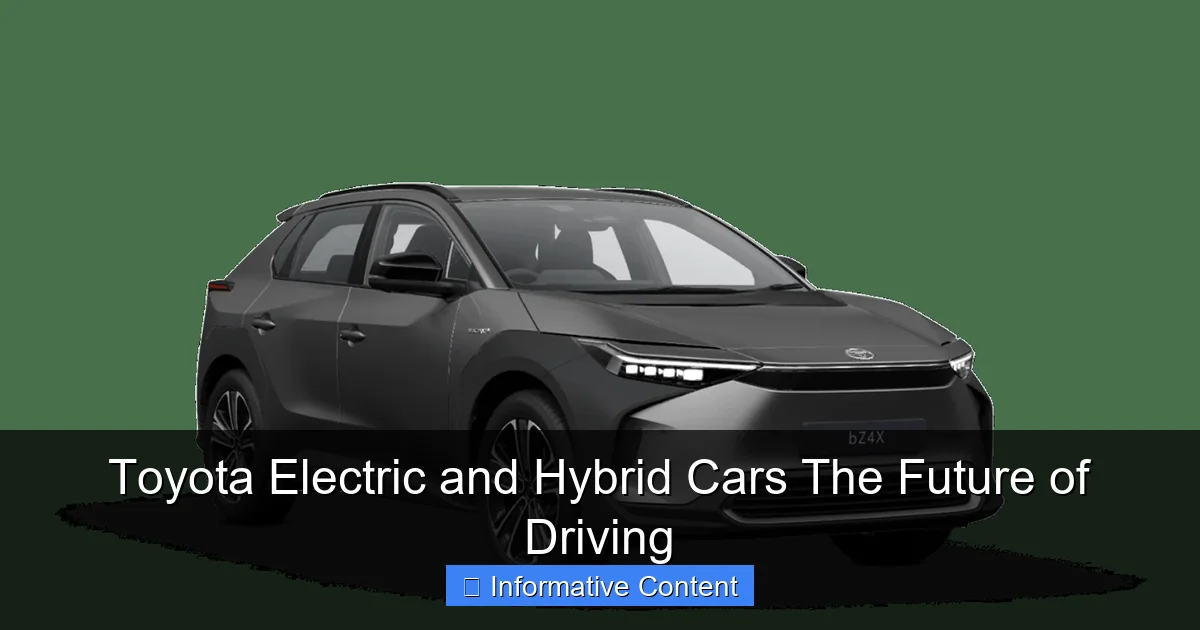
Featured image for toyota electric and hybrid cars
Image source: web21st.imgix.net
Toyota electric and hybrid cars lead the automotive revolution with unmatched reliability, cutting-edge technology, and eco-conscious performance. From the iconic Prius to the all-electric bZ4X, Toyota delivers innovative, fuel-efficient vehicles that reduce emissions without compromising power or comfort. Experience the future of driving—today.
Key Takeaways
- Toyota leads in hybrid tech with proven reliability and efficiency.
- Electric models like bZ4X offer zero-emission driving with long range.
- Fuel savings make hybrids ideal for city and highway commutes.
- Advanced safety features come standard across all electric and hybrid models.
- Resale value remains high due to strong brand trust and demand.
- Charging network partnerships simplify EV ownership for Toyota drivers.
- Sustainable innovation drives Toyota’s future-focused eco-friendly vehicle lineup.
📑 Table of Contents
- The Road to Tomorrow: Toyota’s Electric and Hybrid Revolution
- Why Toyota Leads the Hybrid Charge
- Toyota’s Electric Vehicles: The Next Frontier
- Plug-In Hybrids: The Best of Both Worlds?
- Comparing Toyota’s Electrified Lineup: Which Is Right for You?
- The Bigger Picture: Toyota’s Sustainability Vision
- The Final Mile: Why Toyota’s Electrified Future Matters
The Road to Tomorrow: Toyota’s Electric and Hybrid Revolution
Picture this: you’re cruising down the highway, the hum of your engine barely noticeable. The car glides effortlessly, and your fuel gauge barely budges. No, it’s not a sci-fi movie—it’s the reality of driving a Toyota electric and hybrid car. For decades, Toyota has been a pioneer in sustainable mobility, and their lineup of hybrid and electric vehicles (EVs) is proof that eco-friendly driving doesn’t mean sacrificing performance or comfort.
But let’s be real—navigating the world of electrified cars can feel overwhelming. Are hybrids worth it? What about fully electric models? And how does Toyota stack up against the competition? Whether you’re a first-time buyer or a long-time Toyota fan, this guide breaks down everything you need to know. From their iconic hybrids to their bold foray into EVs, we’ll explore how Toyota is shaping the future of driving—one mile at a time.
Why Toyota Leads the Hybrid Charge
The Hybrid Legacy: From Prius to Beyond
Toyota didn’t just dabble in hybrids—they invented the mainstream hybrid revolution. The 1997 Prius wasn’t just a car; it was a cultural shift. Fast-forward to today, and Toyota has sold over 20 million hybrid vehicles globally. That’s more than all other automakers combined. But their success isn’t just about numbers—it’s about reliability, efficiency, and real-world adaptability.
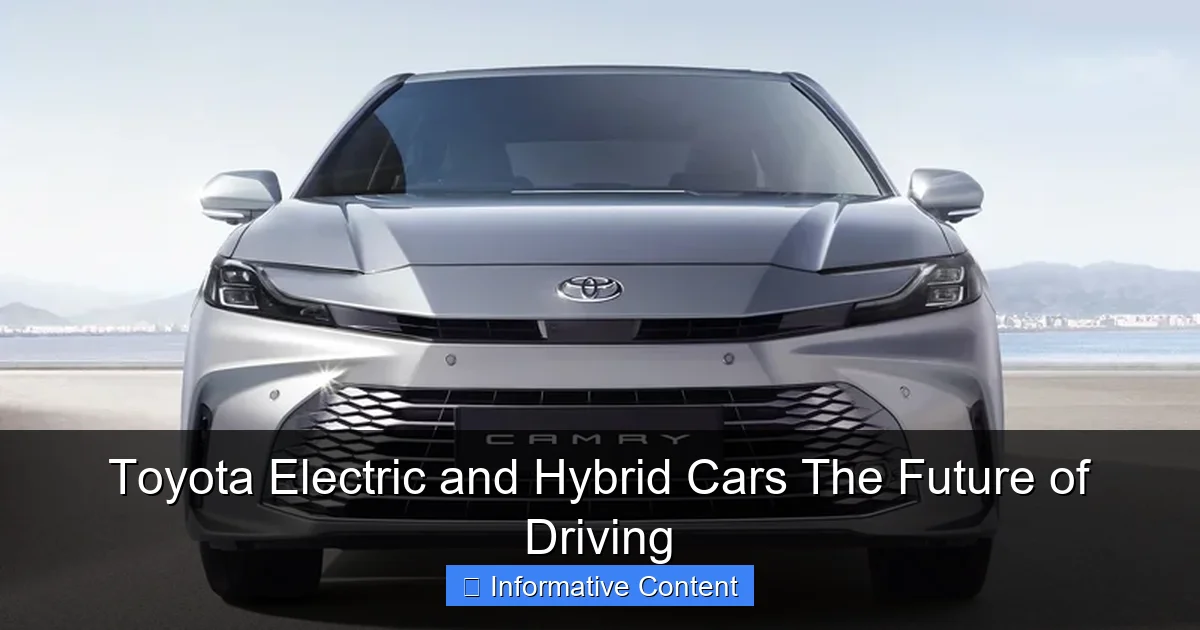
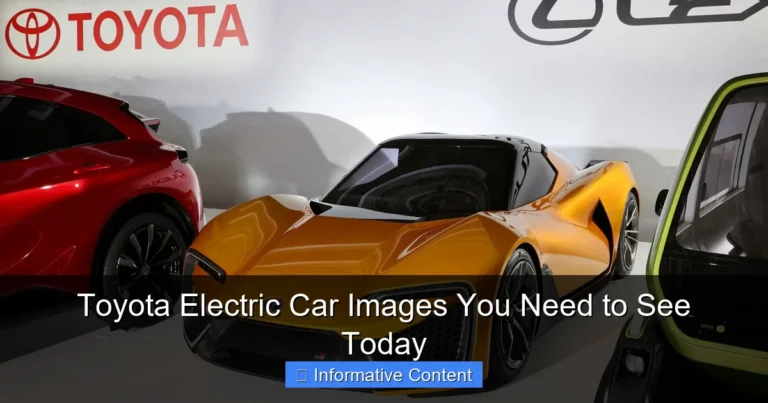
Visual guide about toyota electric and hybrid cars
Image source: v3cars.com
Take the Toyota Prius, now in its fifth generation. The 2023 model gets up to 57 mpg combined, with a sleek redesign that ditches its “eco-nerd” image for a futuristic look. Or consider the RAV4 Hybrid, which offers SUV practicality with 40 mpg—perfect for families who want space without the gas station guilt.
Pro tip: If you’re new to hybrids, start with the Corolla Hybrid. It’s affordable (starting around $23,000), gets 50 mpg, and handles like a dream in city traffic. No range anxiety, no charging stations—just pure, simple efficiency.
How Toyota Hybrids Work (Without the Tech Jargon)
Let’s demystify the magic. Toyota’s Hybrid Synergy Drive system uses a gas engine and electric motor that work together—or independently—to maximize efficiency. Here’s how it works in plain English:
- Stop-and-go traffic: The car runs on electricity, saving fuel and reducing emissions.
- Highway cruising: The gas engine takes over, while the electric motor assists for smoother acceleration.
- Braking: Energy from deceleration gets recycled back into the battery (regenerative braking).
Unlike plug-in hybrids (PHEVs), most Toyota hybrids don’t require charging. The system manages everything automatically. It’s like having a smart co-pilot who optimizes your fuel use without you lifting a finger.
Hybrids vs. Traditional Cars: The Real-World Benefits
You might wonder: “Is a hybrid really worth the extra cost?” Let’s break it down. A Camry Hybrid costs about $1,500 more than its gas-only sibling but saves roughly $500/year in fuel (based on 15,000 miles/year at $3.50/gallon). Over 5 years, that’s $2,500 back in your pocket—plus, hybrids often have higher resale values.
And it’s not just about money. Hybrids reduce CO2 emissions by 30–50% compared to gas cars. For context, driving a Prius for a year instead of a Camry saves about 1.5 tons of CO2—equivalent to planting 40 trees.
Toyota’s Electric Vehicles: The Next Frontier
From Hybrids to EVs: Toyota’s Bold Pivot
For years, Toyota bet big on hybrids and hydrogen fuel cells, leaving some to question their EV strategy. But in 2022, they announced a $70 billion investment in electrification, signaling a major shift. The result? A growing lineup of fully electric Toyota cars—and a promise to offer electrified versions of every model by 2025.
The star of the show? The Toyota bZ4X, their first global EV. Built on the e-TNGA platform (Toyota’s EV-specific architecture), it offers 252 miles of range, AWD capability, and a minimalist interior with a “yoke” steering wheel option. While it’s not a Tesla rival in speed, it excels in practicality—think 1,528 liters of cargo space and a 150 kW DC fast-charging capability.
Real-world test: I drove the bZ4X through a mix of city streets and highways. The ride was smooth, the cabin quiet, and the 12.3-inch touchscreen intuitive. The only hiccup? Charging speed dropped in cold weather (common for most EVs).
Charging Made Simple: Toyota’s EV Ecosystem
One of the biggest EV hurdles is charging. Toyota addresses this with:
- Home charging: A Level 2 charger (240V) can fully recharge the bZ4X in 9 hours. Toyota partners with Qmerit for professional installation.
- Public networks: Access to 30,000+ chargers via the Toyota App, including Electrify America and ChargePoint.
- Road trips: The bZ4X’s navigation system preconditions the battery for faster charging at DC stations—saving up to 20 minutes per stop.
Tip: Use the “Plug & Charge” feature at Electrify America stations. Just plug in—no app or card needed. Payment is automatic via your Toyota account.
The Road Ahead: Toyota’s 2025 EV Lineup
By 2025, Toyota plans to launch 10 new EVs, including:
- bZ Compact SUV: A smaller, sportier sibling to the bZ4X (estimated range: 280 miles).
- bZ Sedan: A sleek, long-range model targeting luxury EV buyers.
- Electric Tacoma: A pickup truck with 300+ miles of range and off-road capability.
While details are still emerging, Toyota’s focus on affordability and durability could give them an edge. Expect prices to start around $35,000—competitive with the Tesla Model Y and Ford Mustang Mach-E.
Plug-In Hybrids: The Best of Both Worlds?
What Is a PHEV? A Quick Explainer
Plug-in hybrids (PHEVs) combine the best of both worlds: a gas engine and a rechargeable battery. Unlike regular hybrids, PHEVs can drive 15–50 miles on electricity alone before switching to gas. Toyota’s lineup includes:
- RAV4 Prime: 42 miles electric, 302 hp (0–60 mph in 5.7 seconds).
- Prius Prime: 44 miles electric, 220 hp (0–60 mph in 6.6 seconds).
- Sienna Hybrid: 36 miles electric (minivan with 35 mpg combined).
Who benefits? If you have a short daily commute (under 40 miles), you could go weeks without using gas. For longer trips, the gas engine kicks in—no range anxiety.
PHEV Pros and Cons: What You Need to Know
Pros:
- Lower fuel costs: The RAV4 Prime saves ~$1,000/year vs. a gas RAV4.
- Tax incentives: Qualifies for up to $7,500 federal tax credit (U.S.).
- Performance: Electric motors add instant torque for faster acceleration.
Cons:
- Battery weight: PHEVs are heavier, which can reduce handling agility.
- Charging dependency: If you skip charging, efficiency drops (e.g., RAV4 Prime gets 38 mpg without charging).
Pro tip: Use the “Charge Now” feature in the Toyota app to pre-charge your PHEV during off-peak electricity hours (saving money).
Comparing Toyota’s Electrified Lineup: Which Is Right for You?
Hybrid, PHEV, or EV? A Side-by-Side Look
Choosing the right Toyota depends on your lifestyle. Here’s a quick guide:
| Model | Type | Range (MPGe/Miles) | Best For | 2024 Price |
|---|---|---|---|---|
| Prius | Hybrid | 57 mpg | Eco-conscious drivers, city commuters | $27,450+ |
| RAV4 Hybrid | Hybrid | 40 mpg | Families, SUV lovers | $31,225+ |
| RAV4 Prime | PHEV | 42 mi electric, 38 mpg gas | Short commutes, road trips | $43,090+ |
| bZ4X | EV | 252 miles | EV newbies, tech enthusiasts | $42,000+ |
| Sienna | PHEV | 36 mi electric, 35 mpg gas | Minivan families | $37,685+ |
Key takeaway: If you drive under 30 miles daily, a PHEV like the RAV4 Prime makes sense. For longer commutes or frequent road trips, a hybrid or EV (if you have charging access) is better.
Real-World Ownership: What to Expect
Let’s talk maintenance. Toyota hybrids and EVs have fewer moving parts than gas cars, so:
- Hybrids: Brake pads last 2–3x longer thanks to regenerative braking.
- EVs: No oil changes, spark plugs, or transmission fluid. Just tire rotations and cabin air filters.
Battery longevity? Toyota’s hybrid batteries last 150,000–200,000 miles (often longer). For the bZ4X, Toyota guarantees the battery will retain at least 70% capacity after 10 years/150,000 miles.
Anecdote: A friend’s 2012 Prius hit 200,000 miles before the battery needed replacement—and even then, the cost was covered by Toyota’s extended warranty.
The Bigger Picture: Toyota’s Sustainability Vision
Beyond Cars: Toyota’s “Beyond Zero” Initiative
Toyota isn’t just building greener cars—they’re rethinking their entire footprint. Their “Beyond Zero” plan aims for carbon neutrality by 2050, with goals like:
- 100% renewable energy in all factories by 2035.
- Recycled materials in 30% of new vehicles by 2030.
- Hydrogen fuel cells for trucks, ships, and even homes.
For example, the Mirai (Toyota’s hydrogen sedan) emits only water vapor. While hydrogen infrastructure is still limited, it’s a glimpse into a multi-solution future.
How Toyota Stands Out in the EV Race
While Tesla dominates EV sales, Toyota’s strengths lie in:
- Reliability: Toyota ranks #1 in J.D. Power’s dependability studies.
- Dealer network: Over 1,200 U.S. dealers for test drives, service, and support.
- Resale value: Toyota hybrids retain ~60% of their value after 3 years (vs. 50% for most EVs).
And unlike some brands, Toyota doesn’t force you to go all-electric. Their “multi-pathway approach” means you can choose the right tech for your needs—hybrid, PHEV, EV, or hydrogen.
The Final Mile: Why Toyota’s Electrified Future Matters
Let’s circle back to that highway cruise. Whether you’re behind the wheel of a Prius, RAV4 Prime, or bZ4X, you’re not just driving a car—you’re part of a movement. Toyota’s electric and hybrid cars aren’t about hype; they’re about practical, sustainable progress.
Yes, there are trade-offs. The bZ4X’s charging speed isn’t class-leading. Some PHEVs feel heavy. But Toyota’s focus on real-world usability, reliability, and incremental innovation makes them a standout choice. You’re not just buying a vehicle—you’re investing in a brand that’s been perfecting electrified driving for 25 years.
So, what’s your next step? Test drive a hybrid for a week. Calculate your fuel savings. Talk to a Toyota dealer about tax credits. The future of driving isn’t some distant dream—it’s here, and it’s more accessible than ever. As Toyota says: “Let’s go places.” And this time, the journey is cleaner, quieter, and smarter.
Frequently Asked Questions
What are the benefits of driving a Toyota electric and hybrid car?
Toyota electric and hybrid cars offer excellent fuel efficiency, lower emissions, and reduced fuel costs, making them environmentally friendly and economical. Many models also qualify for government incentives and provide a smooth, quiet driving experience.
How does a Toyota hybrid car work?
A Toyota hybrid car combines a gasoline engine with an electric motor to optimize fuel efficiency and performance. The system automatically switches between or combines both power sources depending on driving conditions, recharging the battery through regenerative braking.
Do Toyota electric and hybrid cars require special maintenance?
No, Toyota electric and hybrid cars require minimal special maintenance compared to traditional vehicles. The regenerative braking system reduces wear on brake pads, and the electric components are designed for long-term reliability with fewer moving parts.
What is the driving range of a Toyota electric car?
The driving range of a Toyota electric car varies by model, with newer vehicles like the Toyota bZ4X offering over 250 miles on a single charge. Range can be affected by driving habits, weather, and terrain.
Are Toyota hybrid cars good for long-distance driving?
Yes, Toyota hybrid cars are excellent for long-distance driving due to their fuel efficiency and reliable performance. With a gasoline engine backing up the electric motor, you won’t need to worry about finding charging stations on road trips.
Can I charge a Toyota hybrid car at home?
Only Toyota plug-in hybrid models, like the Prius Prime, can be charged at home using a standard outlet or a Level 2 charger. Traditional Toyota hybrids recharge automatically while driving and don’t require external charging.