Toyota Electric and Plug In Cars The Future of Driving

Featured image for toyota electric and plug in cars
Image source: i.ytimg.com
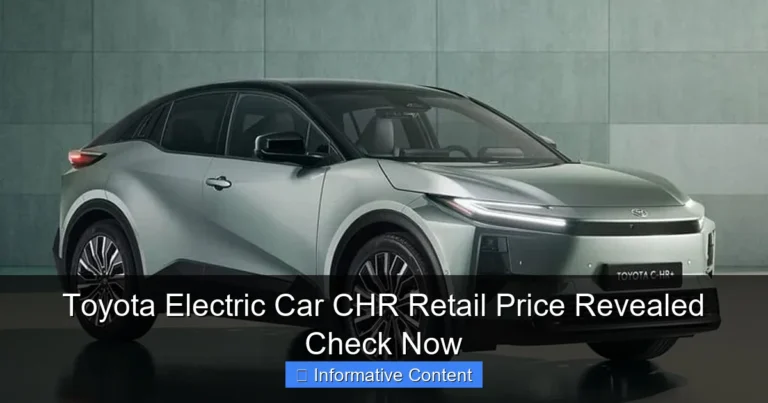
Toyota electric and plug-in cars are driving the future of sustainable mobility with cutting-edge technology, impressive efficiency, and a commitment to reducing emissions. From the popular RAV4 Prime plug-in hybrid to the all-electric bZ4X, Toyota is expanding its lineup to meet growing demand for eco-friendly vehicles without compromising performance or reliability. With advancements in battery range, charging speed, and smart connectivity, Toyota is positioning itself as a serious contender in the electric revolution.
Key Takeaways
- Toyota leads in hybrid tech, now expanding aggressively into full EVs and plug-in models.
- Plug-in hybrids offer flexibility with electric-only range and gas backup for long trips.
- BZ4X debut marks Toyota’s serious EV entry, featuring AWD and 250-mile range.
- Charging network partnerships ensure seamless access to fast chargers across the U.S.
- Lower ownership costs with tax incentives, reduced fuel and maintenance expenses.
- Sustainability focus includes recycled materials and carbon-neutral production goals by 2035.
📑 Table of Contents
- Toyota Electric and Plug In Cars The Future of Driving
- The Evolution of Toyota’s Electric Vision
- Toyota’s Current Electric and Plug-In Lineup
- Real-World Benefits of Driving a Toyota EV or Plug-In
- Charging Made Simple: What You Need to Know
- Toyota’s Commitment to Sustainability and Innovation
- Is a Toyota Electric or Plug-In Car Right for You?
- Final Thoughts: Driving Toward a Greener Tomorrow
Toyota Electric and Plug In Cars The Future of Driving
Imagine pulling up to a gas station—only to realize you don’t need it. No more fumbling with fuel nozzles, no more smelling like exhaust, and no more worrying about rising gas prices. That’s the quiet revolution happening on roads today, and Toyota is quietly but steadily leading the charge. For decades, Toyota has been synonymous with reliability, efficiency, and innovation. From the legendary Corolla to the rugged Tacoma, the brand has earned trust through consistency. Now, as the world shifts toward cleaner, smarter transportation, Toyota is redefining what it means to drive—without sacrificing the values that made it a household name.
The future of driving isn’t just about going electric—it’s about rethinking how we move, how we fuel, and how we live. Toyota understands this better than most. While some automakers rushed into full electrification, Toyota took a more balanced approach, investing heavily in hybrid technology while developing a full suite of electric and plug-in vehicles. This isn’t about abandoning tradition; it’s about evolving it. Whether you’re a daily commuter, a weekend adventurer, or a family hauling kids to soccer practice, Toyota’s electric and plug-in lineup offers something for everyone. And the best part? You don’t have to be an eco-warrior or a tech geek to appreciate the benefits. It’s simply smarter, cleaner, and often more affordable driving.
The Evolution of Toyota’s Electric Vision
Toyota didn’t just wake up one day and decide to go electric. The journey began over 25 years ago with the launch of the Prius in 1997—the world’s first mass-produced hybrid car. At a time when electric vehicles (EVs) were little more than prototypes, Toyota bet big on hybrid technology, combining a gasoline engine with an electric motor to reduce emissions and improve fuel economy. The Prius became a symbol of forward-thinking engineering, and it laid the foundation for everything that followed.

Visual guide about toyota electric and plug in cars
Image source: thumbs.dreamstime.com
From Hybrids to Full Electrification
While hybrids were a game-changer, Toyota knew the future would eventually demand zero-emission vehicles. In 2021, the company announced its bold “Beyond Zero” initiative, committing to carbon neutrality by 2050. As part of this vision, Toyota pledged to offer 30 battery electric vehicle (BEV) models globally by 2030, with annual sales of 3.5 million EVs. This wasn’t just a marketing slogan—it was a roadmap backed by real investment. The company committed $70 billion toward electrification, including $13 billion specifically for battery development and production.
Why Toyota Took a Different Path
Unlike some competitors who went all-in on full EVs from the start, Toyota adopted a “multi-pathway” strategy. This means they’re not putting all their eggs in one basket. Instead, they’re developing hybrids, plug-in hybrids (PHEVs), battery electric vehicles (BEVs), and even hydrogen fuel cell vehicles (like the Mirai). Why? Because Toyota believes different regions and drivers have different needs. In areas with limited charging infrastructure, hybrids and PHEVs offer a practical transition. In urban centers with robust charging networks, full EVs make more sense. This balanced approach ensures Toyota can meet drivers where they are—literally and figuratively.
Toyota’s Current Electric and Plug-In Lineup
As of 2024, Toyota offers a growing range of electric and plug-in vehicles designed to fit various lifestyles and budgets. Whether you’re looking for a compact city car, a family SUV, or a rugged off-roader, there’s likely a Toyota EV or PHEV that fits the bill. Let’s take a closer look at the key models currently available or coming soon.
Toyota bZ4X: The Brand’s First Dedicated EV
The bZ4X is Toyota’s first fully electric SUV built on a dedicated EV platform. “bZ” stands for “Beyond Zero,” reflecting Toyota’s commitment to a carbon-neutral future. This compact SUV offers an estimated range of up to 252 miles on a single charge (EPA-estimated), making it ideal for daily commutes and weekend trips. It comes with standard all-wheel drive (AWD) in many trims, thanks to dual electric motors, and features a spacious, minimalist interior with a 12.3-inch touchscreen and available solar roof panel to help extend range.
One standout feature is the steer-by-wire system (available in some markets), which eliminates the mechanical link between the steering wheel and wheels, allowing for smoother, more responsive handling. The bZ4X also supports fast charging, reaching 80% battery in about 30 minutes with a Level 3 charger. While it’s not the fastest EV on the market, it excels in comfort, reliability, and practicality—hallmarks of the Toyota brand.
Toyota Prius Prime: The Plug-In Hybrid Champion
If you’re not ready to go fully electric but want to reduce your carbon footprint, the Prius Prime is a fantastic middle ground. As a plug-in hybrid, it combines a gasoline engine with a larger battery than the standard Prius, allowing you to drive on electric power alone for up to 44 miles (EPA-estimated). That’s enough to cover most daily commutes without using a drop of gas.
The latest Prius Prime features a sleek, aerodynamic design, improved interior materials, and a more powerful hybrid system. It’s also surprisingly fun to drive, with responsive acceleration and a low center of gravity. Plus, it qualifies for federal and state EV incentives in many areas, making it an even smarter financial choice. For families or commuters who want flexibility without range anxiety, the Prius Prime is hard to beat.
Upcoming Models: What’s on the Horizon
Toyota has several exciting EVs in development. The Toyota Electric and Plug In Cars lineup will soon include a compact electric sedan, a three-row electric SUV, and even an electric pickup truck. The company has also teased a next-generation EV platform that will offer longer ranges, faster charging, and lower production costs. By 2026, Toyota plans to launch a new generation of EVs with advanced solid-state batteries, which promise even greater energy density and safety.
Additionally, Toyota is expanding its plug-in hybrid offerings. The RAV4 Prime, for example, combines a powerful hybrid system with 42 miles of electric range and 302 combined horsepower—making it one of the most capable PHEVs on the market. Future models may include plug-in versions of the Highlander and even the Tacoma, bringing electric efficiency to Toyota’s most popular trucks and SUVs.
Real-World Benefits of Driving a Toyota EV or Plug-In
Switching to a Toyota electric or plug-in car isn’t just about being eco-friendly—it’s about making smarter choices that benefit your wallet, your lifestyle, and the planet. Let’s break down the real-world advantages you can expect.
Lower Fuel and Maintenance Costs
One of the biggest perks of driving electric is the savings on fuel. Electricity is significantly cheaper than gasoline, especially if you charge at home during off-peak hours. For example, driving 1,000 miles in a Toyota bZ4X might cost around $40 in electricity, compared to $150 or more in a gas-powered SUV. Over a year, that adds up to hundreds—or even thousands—of dollars in savings.
Maintenance is another area where EVs shine. With no oil changes, fewer moving parts, and regenerative braking that reduces wear on brake pads, Toyota EVs require less upkeep. According to Consumer Reports, EV owners spend about 50% less on maintenance over the life of the vehicle compared to gas cars. That means fewer trips to the mechanic and more money in your pocket.
Environmental Impact: Driving Toward a Cleaner Future
Even when accounting for electricity generation, Toyota electric and plug-in cars produce far fewer greenhouse gas emissions than traditional vehicles. The Union of Concerned Scientists estimates that the average EV in the U.S. emits as much carbon as a gas car getting 93 miles per gallon. In regions with clean energy grids (like California or the Pacific Northwest), that number is even higher.
Plug-in hybrids also make a meaningful difference. The Prius Prime, for instance, can reduce emissions by up to 70% compared to a conventional car, depending on how much you drive on electricity. Over time, as the grid gets cleaner, the environmental benefits of driving electric will only grow.
Convenience and Comfort
Let’s be honest—charging at home is a game-changer. No more stopping at gas stations in the rain or waiting in line during rush hour. With a Level 2 home charger, you can wake up every morning with a “full tank.” Many Toyota EVs also support smartphone apps that let you monitor charging, pre-condition the cabin, and even locate public charging stations.
Inside, Toyota’s electric vehicles are designed for comfort and ease. Quiet cabins, smooth acceleration, and advanced driver-assistance features (like Toyota Safety Sense 3.0) make every drive more relaxing. Whether you’re navigating city traffic or cruising down the highway, you’ll appreciate the refined experience.
Charging Made Simple: What You Need to Know
One of the biggest concerns for new EV owners is charging—how it works, where to do it, and how long it takes. The good news? Toyota makes it easier than ever to keep your vehicle powered up.
Home Charging: The Most Convenient Option
For most drivers, home charging is the way to go. A Level 2 charger (240-volt) can fully charge a Toyota bZ4X in about 6–8 hours, depending on the battery size. Installation typically costs between $500 and $1,500, but many utility companies and government programs offer rebates to offset the expense. Some states even provide free or discounted charging for EV owners.
Tip: Charge during off-peak hours (usually overnight) to save money and reduce strain on the grid. Many Toyota EVs allow you to schedule charging through the app, so your car is ready when you are.
Public Charging: Growing and Getting Better
When you’re on the road, public charging stations are becoming more common. Toyota vehicles are compatible with most major networks, including Electrify America, ChargePoint, and EVgo. The bZ4X supports DC fast charging, which can add up to 100 miles of range in just 15–20 minutes.
To find chargers, use apps like PlugShare, A Better Routeplanner, or Toyota’s own Connected Services. These tools show real-time availability, pricing, and compatibility. Many new charging stations also offer contactless payment, so you don’t need a membership or app to start charging.
Charging Tips for New Owners
- Don’t wait until the battery is empty. Most experts recommend keeping your charge between 20% and 80% for daily use to prolong battery life.
- Use scheduled charging. This helps avoid peak electricity rates and ensures your car is ready when you need it.
- Plan long trips in advance. Use route planning tools to map out charging stops and avoid range anxiety.
- Keep a portable charger in your trunk. A Level 1 charger (120-volt) can be a lifesaver in emergencies, even if it’s slow.
Toyota’s Commitment to Sustainability and Innovation
Toyota’s approach to electric mobility goes beyond just building cars—it’s about creating a sustainable ecosystem. The company is investing in every part of the EV lifecycle, from battery production to recycling.
Battery Technology and Recycling
Toyota is developing next-generation solid-state batteries that promise higher energy density, faster charging, and longer lifespans. These batteries could be available in production vehicles by 2027–2028. Unlike traditional lithium-ion batteries, solid-state batteries use a solid electrolyte, which reduces the risk of fire and allows for more compact designs.
But Toyota isn’t waiting for the future. The company already has a robust battery recycling program. Used batteries from hybrids and EVs are collected, tested, and either refurbished for secondary use (like energy storage) or broken down to recover valuable materials like lithium, cobalt, and nickel. This closed-loop system reduces waste and conserves resources.
Renewable Energy and Carbon Neutrality
Toyota is also working to make its manufacturing process greener. The company’s plants in the U.S. and Japan are increasingly powered by solar and wind energy. In 2023, Toyota’s Georgetown, Kentucky plant became one of the first auto factories in North America to run entirely on renewable energy.
The “Beyond Zero” vision includes not just zero-emission vehicles, but zero-emission operations. By 2035, Toyota aims to make all its global manufacturing plants carbon neutral. This includes reducing energy use, switching to clean power, and offsetting remaining emissions through reforestation and other projects.
Community and Education Initiatives
Toyota believes that the shift to electric mobility requires more than just technology—it needs public support and education. The company partners with schools, governments, and nonprofits to promote EV adoption. Programs like the Toyota Green Initiative and the Electrified Garage project help communities understand the benefits of electric driving and provide resources for infrastructure development.
Toyota also offers online tools and guides to help consumers compare vehicles, calculate savings, and find charging stations. Their goal is to make the transition to electric as seamless and stress-free as possible.
Is a Toyota Electric or Plug-In Car Right for You?
Deciding whether to go electric is a personal choice, but Toyota makes it easier with a range of options to fit different needs. Here’s a quick guide to help you decide.
Choose a Full EV (Like the bZ4X) If:
- You have reliable home or workplace charging.
- Your daily driving is under 200 miles.
- You want the lowest possible operating costs and emissions.
- You’re ready to embrace the EV lifestyle.
Choose a Plug-In Hybrid (Like the Prius Prime or RAV4 Prime) If:
- You want electric driving for short trips but need gas for longer journeys.
- Charging infrastructure in your area is limited.
- You’re not ready to go fully electric but want to reduce fuel use.
- You want the flexibility of both gas and electric power.
Consider a Hybrid (Like the standard Prius or Corolla Hybrid) If:
- You’re not ready to plug in but want better fuel economy.
- You live in an area with poor charging access.
- You want a proven, reliable vehicle with lower emissions.
Ultimately, Toyota’s multi-pathway approach means there’s no wrong choice—only the right one for your lifestyle.
Final Thoughts: Driving Toward a Greener Tomorrow
The future of driving is electric, and Toyota is helping to shape it with practical, reliable, and innovative vehicles. From the groundbreaking Prius to the sleek bZ4X and the versatile RAV4 Prime, Toyota’s electric and plug-in cars offer a smarter way to move—without asking you to sacrifice comfort, performance, or peace of mind.
Yes, there are still challenges—charging infrastructure, battery costs, and range anxiety—but Toyota is addressing them head-on with smart technology, sustainable practices, and a commitment to real-world solutions. Whether you’re taking your first step into electric driving or upgrading to your next vehicle, Toyota’s lineup makes it easier than ever to go green.
So, what’s next? The road ahead is electric, and it’s looking brighter every day. With Toyota leading the way, the future of driving isn’t just cleaner—it’s more enjoyable, more affordable, and more accessible for everyone. The question isn’t whether electric cars are the future. The question is: are you ready to be part of it?
| Model | Type | Electric Range (EPA) | Total Range | Charging Time (0-80%) | Starting Price (USD) |
|---|---|---|---|---|---|
| Toyota bZ4X | Full EV | 252 miles | 252 miles | ~30 min (DC Fast) | $42,000 |
| Prius Prime | Plug-In Hybrid | 44 miles | 640 miles | ~2 hours (Level 2) | $33,000 |
| RAV4 Prime | Plug-In Hybrid | 42 miles | 680 miles | ~2.5 hours (Level 2) | $44,000 |
| Mirai | Hydrogen Fuel Cell | 402 miles | 402 miles | ~5 min (Hydrogen) | $50,000 |
As the automotive world evolves, one thing remains constant: Toyota’s dedication to building vehicles that work for real people in the real world. The future of driving is here—and it’s electric, plug-in, and ready to take you wherever you want to go.
Frequently Asked Questions
What Toyota electric and plug-in cars are available in 2024?
Toyota offers several electric and plug-in hybrid models, including the bZ4X (fully electric), Prius Prime (plug-in hybrid), and RAV4 Prime (plug-in hybrid). These vehicles combine Toyota’s reliability with advanced EV technology for eco-conscious drivers.
How long does it take to charge a Toyota electric car?
Charging time for the Toyota electric and plug-in cars varies by model and charger type. The bZ4X can charge from 10% to 80% in about 30 minutes using a DC fast charger, while Level 2 charging takes around 10-12 hours for a full charge.
What is the driving range of Toyota’s electric vehicles?
The fully electric Toyota bZ4X offers an EPA-estimated range of up to 252 miles, while plug-in hybrids like the RAV4 Prime deliver up to 42 miles of electric-only range before switching to hybrid mode. Range may vary based on driving conditions.
Are Toyota plug-in hybrids eligible for tax credits?
Yes, certain Toyota plug-in cars like the RAV4 Prime and Prius Prime may qualify for federal tax credits up to $7,500, depending on battery size and current regulations. Check local incentives for additional savings in your area.
Can I charge my Toyota electric car at home?
Absolutely. All Toyota electric and plug-in models come with a standard Level 1 charger for 120V outlets, but a Level 2 (240V) home charger is recommended for faster charging. Professional installation is widely available.
How do Toyota’s electric vehicles compare to other brands?
Toyota’s electric and plug-in cars stand out for their proven hybrid technology, durability, and resale value. While newer than some rivals, models like the bZ4X offer competitive range and Toyota’s signature safety features like Toyota Safety Sense 3.0.