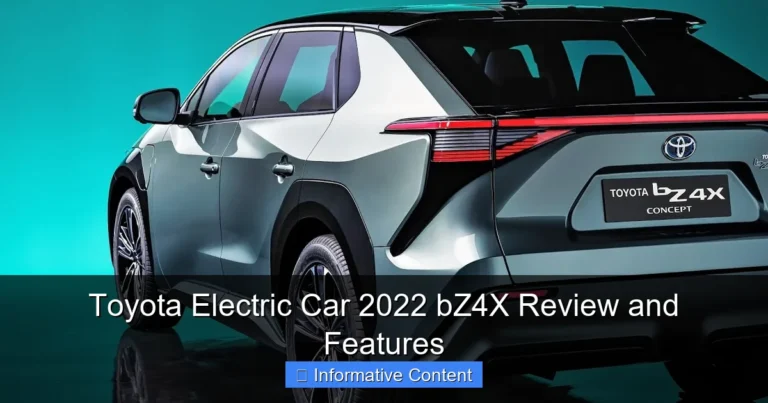
Toyota Electric Car Problem What You Need to Know Before Buying
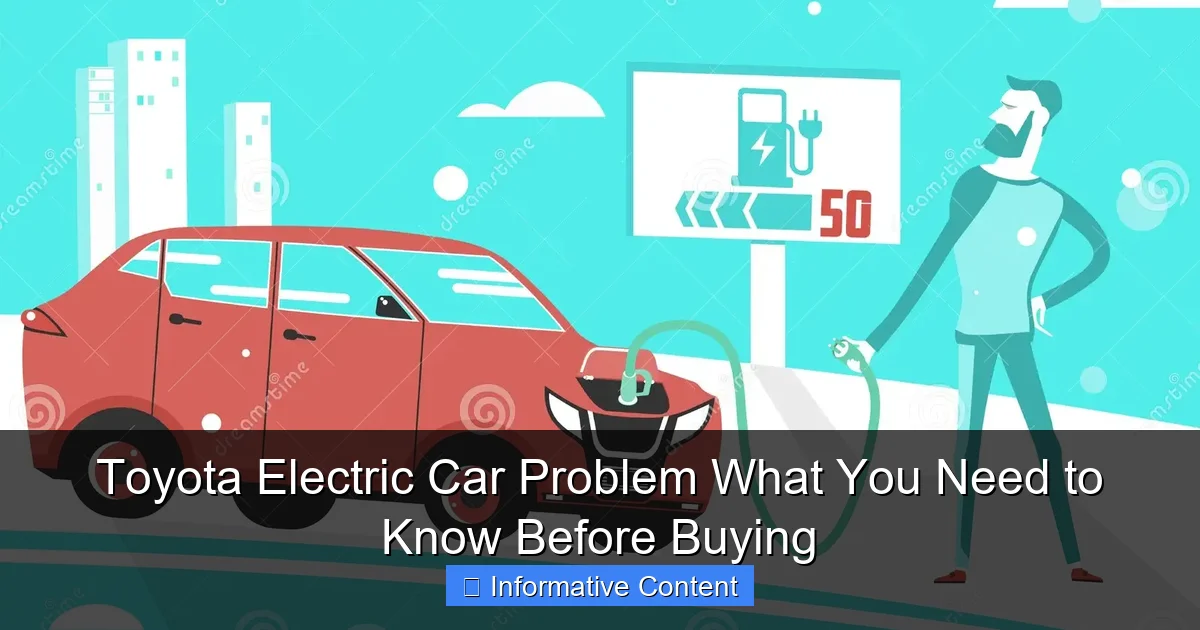
Featured image for toyota electric car problem
Image source: thumbs.dreamstime.com
Toyota’s electric car lineup has faced scrutiny over slower-than-expected EV development and limited range compared to rivals, raising concerns for eco-conscious buyers. While the company is investing heavily in battery technology and plans to launch more competitive models by 2026, current offerings like the bZ4X have encountered reliability issues and charging limitations. Prospective buyers should weigh Toyota’s legacy of reliability against its current EV shortcomings before making a decision.
Key Takeaways
- Research battery limitations: Toyota’s early EVs had shorter range and older battery tech.
- Check charging infrastructure: Ensure compatibility with fast-charging networks in your area.
- Verify software updates: Some models face infotainment glitches without regular updates.
- Assess long-term reliability: Toyota’s hybrids excel, but EV track record is still emerging.
- Compare warranty coverage: EV components may have different terms than gas models.
- Test drive thoroughly: Evaluate acceleration, noise, and comfort unique to Toyota EVs.
📑 Table of Contents
- The Toyota Electric Car Problem: What You Need to Know Before Buying
- Why Toyota’s Electric Car Strategy Has Been Slow to Evolve
- Common Toyota Electric Car Problems Reported by Owners
- How Toyota Is Addressing These Issues
- How Toyota EVs Compare to the Competition
- Tips for Buying a Toyota Electric Car in 2024
- Final Thoughts: Should You Buy a Toyota Electric Car?
The Toyota Electric Car Problem: What You Need to Know Before Buying
So, you’re thinking about going electric—congratulations! You’re not just making a smart financial move (hello, lower fuel and maintenance costs), but you’re also doing your part for the planet. As more people shift toward sustainable transportation, automakers like Toyota are stepping up their game. But here’s the thing: while Toyota has been a global leader in hybrid technology for decades—thanks to the legendary Prius—its journey into fully electric vehicles (EVs) has been… let’s say, a bit bumpy.
You’ve probably heard the buzz. Toyota is finally launching more all-electric models, like the bZ4X and the upcoming electric versions of popular SUVs. But behind the shiny ads and eco-friendly promises, there’s a growing conversation about the Toyota electric car problem. From software glitches to charging inconsistencies and even safety recalls, early adopters have run into some real headaches. And if you’re considering a Toyota EV, you deserve to know what you’re getting into—before you sign on the dotted line.
This isn’t about bashing Toyota. Far from it. The brand has earned our trust over decades with reliable, long-lasting vehicles. But when it comes to electric cars, the game has changed. EVs are more like smartphones on wheels—complex software, high-voltage systems, and rapidly evolving tech. And right now, Toyota is still finding its footing in this new world. In this post, we’ll break down the most common issues reported by owners and experts, what Toyota is doing about them, and how you can make a smart, informed decision—whether you go with Toyota or look elsewhere.
Why Toyota’s Electric Car Strategy Has Been Slow to Evolve
Toyota didn’t just wake up one day and decide to go electric. For years, the company has been a champion of hybrid technology, and for good reason. The Prius, launched in 1997, became a global icon of fuel efficiency and environmental responsibility. But while other automakers like Tesla, Hyundai, and Ford were racing ahead with fully electric models, Toyota remained cautious—some might say too cautious.
Visual guide about toyota electric car problem
Image source: cdn5.vectorstock.com
A Heavy Focus on Hybrids and Hydrogen
Instead of jumping headfirst into battery-electric vehicles (BEVs), Toyota doubled down on hybrids and invested heavily in hydrogen fuel cell technology. The Mirai, Toyota’s hydrogen-powered sedan, was a bold bet on a cleaner future—but it never gained mainstream traction. Why? Because hydrogen infrastructure is virtually nonexistent outside of a few cities, and the technology remains expensive and complex.
Meanwhile, the EV market exploded. Tesla’s success proved that people wanted long-range, high-performance electric cars. Competitors followed suit, offering EVs with over 300 miles of range, fast charging, and cutting-edge tech. Toyota, by contrast, seemed stuck in the past. Critics accused the company of being slow to adapt, and even internally, there were reports of resistance to fully electric platforms.
The bZ4X Launch: A Rocky Start
When Toyota finally launched its first global all-electric SUV, the bZ4X, in 2022, expectations were high. Finally, Toyota was entering the EV race. But the rollout was marred by a major recall just months after launch. The issue? A software glitch that could cause the wheels to loosen while driving. Yes, you read that right—loose wheels. The problem was so serious that Toyota halted sales and issued a global recall affecting thousands of vehicles.
This wasn’t just a minor software bug. It was a safety-critical flaw that raised serious questions about Toyota’s readiness for the EV era. Owners were left stranded, dealerships scrambled to fix the issue, and the brand’s reputation took a hit. It was a wake-up call: even a company known for reliability can stumble when entering uncharted territory.
What This Means for Buyers
If you’re considering a Toyota EV, it’s important to understand that the company is still in a transitional phase. While Toyota has the engineering expertise and manufacturing scale to build great cars, its EV lineup is still in its infancy. That means early models may come with growing pains—software bugs, limited range, or charging quirks that more established EV brands have already worked out.
That doesn’t mean Toyota EVs are bad. But it does mean you should go in with your eyes wide open. Do your research, read owner reviews, and consider whether you’re comfortable being an early adopter in Toyota’s electric journey.
Common Toyota Electric Car Problems Reported by Owners
Now, let’s get into the nitty-gritty. What are the actual issues people are experiencing with Toyota’s electric cars? We’ve scoured owner forums, consumer reports, and expert reviews to bring you the most common problems. Keep in mind that not every Toyota EV owner faces these issues—but they’re frequent enough to warrant attention.
Software Glitches and Infotainment Issues
One of the most frequent complaints about the Toyota bZ4X is its infotainment system. Owners report slow response times, frozen screens, and apps that crash unexpectedly. Some have even said the system reboots randomly while driving—definitely not ideal when you’re trying to navigate or adjust climate settings.
For example, Sarah from Portland, Oregon, bought a bZ4X in early 2023. “I loved the design and the idea of driving a Toyota EV,” she said. “But within a month, the screen started freezing every time I used Apple CarPlay. I had to restart the car just to get it working again.” She eventually took it to the dealer, who performed a software update—but the problem returned a few weeks later.
These kinds of issues aren’t unique to Toyota, but they’re especially frustrating in a brand known for reliability. EVs rely heavily on software, and when that software fails, it can affect everything from charging to safety features.
Charging Inconsistencies and Range Anxiety
Another common concern is charging performance. While the bZ4X is rated for up to 252 miles of range (depending on trim and conditions), real-world results often fall short. Cold weather, highway driving, and frequent fast charging can all reduce range significantly.
More troubling are reports of inconsistent charging speeds. Some owners say their bZ4X charges quickly at certain stations but slows to a crawl at others—even when using the same network. This inconsistency makes long trips more stressful, especially if you’re relying on public charging infrastructure.
Take Mike from Denver, who took his bZ4X on a weekend trip to the mountains. “I planned my route around fast chargers,” he said. “But at one station, the car only charged at 25 kW instead of the expected 100 kW. It took twice as long as I thought.” He ended up cutting his trip short due to range concerns.
Build Quality and Interior Materials
While Toyota has always been praised for build quality, some bZ4X owners have reported issues with fit and finish. Gaps between panels, uneven trim, and squeaky interiors have been mentioned in online forums. These aren’t safety issues, but they do affect the overall ownership experience—especially in a vehicle that starts at over $40,000.
Additionally, the interior materials, while modern, don’t quite match the premium feel of competitors like the Hyundai Ioniq 5 or the Tesla Model Y. The dashboard and door panels use a lot of hard plastic, which can feel cheap compared to softer-touch materials in rival EVs.
Safety Recalls and Reliability Concerns
Beyond the wheel recall, Toyota has issued other safety-related notices for its EVs. In 2023, the company recalled certain bZ4X models due to a potential issue with the electric motor inverter, which could lead to a loss of power while driving. While no injuries were reported, the recall affected over 2,000 vehicles in the U.S. alone.
These recalls highlight a broader issue: as Toyota transitions to EVs, it’s learning new lessons about high-voltage systems, software integration, and supply chain complexity. And while recalls are common in the auto industry, they can erode consumer confidence—especially when they involve critical safety components.
How Toyota Is Addressing These Issues
So, is Toyota doing anything about these problems? The short answer: yes—but progress has been slow. The company is aware of the challenges and is taking steps to improve, but it’s playing catch-up in a fast-moving market.
Software Updates and Over-the-Air Improvements
Toyota has started rolling out over-the-air (OTA) software updates for the bZ4X, which is a big step forward. These updates can fix bugs, improve charging performance, and enhance the infotainment system without requiring a trip to the dealership. However, the rollout has been inconsistent, and not all owners receive updates at the same time.
For example, some bZ4X owners in California reported receiving a major software update in late 2023 that improved charging speeds and fixed the CarPlay freezing issue. But owners in other states said they hadn’t received the update months later. This inconsistency can be frustrating, especially when you’re dealing with a problem that affects daily use.
Expanded Charging Partnerships
Toyota is also working to improve the charging experience. The company has partnered with Electrify America and other networks to offer free charging for bZ4X owners during the first three years of ownership. This helps offset range anxiety and makes long trips more feasible.
Additionally, Toyota is investing in its own charging infrastructure. The company plans to install thousands of chargers at dealerships across the U.S., making it easier for owners to top up while servicing their vehicles. While this won’t replace public charging, it’s a step in the right direction.
New Models and Platform Improvements
Toyota is not putting all its eggs in the bZ4X basket. The company has announced a full lineup of electric vehicles under its “bZ” (Beyond Zero) brand, including compact SUVs, sedans, and even a pickup truck. These future models will be built on a new, dedicated electric platform designed specifically for EVs—unlike the bZ4X, which was adapted from a hybrid platform.
The new platform promises better range, faster charging, and improved software integration. For example, the upcoming bZ3 sedan (developed with BYD) is expected to offer over 350 miles of range and support ultra-fast charging. If Toyota can deliver on these promises, it could finally compete with the best in the EV market.
Customer Support and Warranty Enhancements
Toyota has also improved its customer support for EV owners. The company now offers dedicated EV service training for technicians and has expanded its warranty coverage. The bZ4X comes with an 8-year/100,000-mile battery warranty, which is standard for the industry but provides peace of mind.
However, some owners still report long wait times for repairs and limited availability of parts. This is especially true for software-related issues, which may require specialized tools and training. As Toyota’s EV lineup grows, the company will need to scale its support network accordingly.
How Toyota EVs Compare to the Competition
So how does Toyota stack up against other electric car brands? Let’s take a look at how the bZ4X compares to some of its closest rivals in key areas.
| Feature | Toyota bZ4X | Hyundai Ioniq 5 | Tesla Model Y | Ford Mustang Mach-E | Volkswagen ID.4 |
|---|---|---|---|---|---|
| Starting Price | $42,000 | $41,450 | $47,740 | $42,995 | $38,995 |
| EPA Range (est.) | 252 miles | 303 miles | 330 miles | 250 miles | 275 miles |
| Max Charging Speed | 150 kW | 235 kW | 250 kW | 150 kW | 170 kW |
| 0-60 mph | 6.5 seconds | 5.2 seconds | 4.8 seconds | 6.1 seconds | 7.5 seconds |
| Infotainment System | 12.3-inch touchscreen | 12.3-inch touchscreen | 15-inch touchscreen | 15.5-inch touchscreen | 12-inch touchscreen |
| Software Updates | Limited OTA | Regular OTA | Frequent OTA | Regular OTA | Limited OTA |
| Reliability (Owner Reports) | Mixed | High | High | Good | Good |
As you can see, the bZ4X is competitive in terms of price and features, but it lags behind in key areas like charging speed, range, and software support. The Hyundai Ioniq 5, for example, charges significantly faster and offers more advanced tech. Tesla still leads in software and charging infrastructure, while Ford and VW offer solid alternatives with good reliability.
That said, Toyota’s strength has always been long-term reliability and resale value. If the company can iron out the early bugs, its EVs could become strong contenders—especially for buyers who prioritize durability over cutting-edge tech.
Tips for Buying a Toyota Electric Car in 2024
If you’re still interested in a Toyota EV, here are some practical tips to help you make a smart decision.
1. Wait for the Next-Gen Models
If you can wait, consider holding off until Toyota releases its next generation of EVs on the new dedicated platform. These models are expected to have better range, faster charging, and improved software. The bZ3 and future SUVs could be worth the wait.
2. Test Drive and Check for Updates
Before buying, take a thorough test drive. Pay attention to the infotainment system, charging port, and overall build quality. Ask the dealer if the vehicle has received the latest software updates. If not, request that they install them before delivery.
3. Research Local Charging Options
Make sure you have access to reliable charging. Check nearby public chargers using apps like PlugShare or ChargePoint. If you plan to install a home charger, get quotes from certified electricians and factor that into your budget.
4. Read Owner Reviews
Don’t rely solely on marketing materials. Read real owner reviews on sites like Edmunds, Kelley Blue Book, and Reddit. Look for patterns—if multiple owners report the same issue, it’s worth taking seriously.
5. Consider a Certified Pre-Owned EV
If you want a Toyota EV but are wary of early issues, consider a certified pre-owned (CPO) model. These vehicles have been inspected and come with extended warranties, giving you more peace of mind.
6. Compare Total Cost of Ownership
Use online calculators to compare the total cost of ownership between a Toyota EV and a competitor. Factor in fuel savings, maintenance, insurance, and potential tax incentives. Sometimes a slightly higher upfront cost can pay off in the long run.
Final Thoughts: Should You Buy a Toyota Electric Car?
So, is the Toyota electric car problem a dealbreaker? Not necessarily—but it’s something you need to weigh carefully. Toyota is making progress, and its reputation for reliability could eventually translate to the EV world. But right now, the company is still learning the ropes.
If you’re an early aduster who values innovation and cutting-edge tech, you might be better off with a Tesla, Hyundai, or Ford. But if you’re looking for a practical, long-term vehicle from a brand you trust, and you’re willing to accept some growing pains, a Toyota EV could still be a solid choice—especially once the next generation arrives.
The key is to go in informed. Do your homework, ask the right questions, and don’t let marketing hype cloud your judgment. The electric future is exciting, but it’s still evolving. And when it comes to your next car, you deserve one that works—every single day.
Frequently Asked Questions
What are the most common Toyota electric car problems?
Some owners report issues with battery degradation over time, slower-than-expected charging speeds, and occasional software glitches in infotainment systems. While Toyota’s reliability remains strong, these electric car problems are worth noting compared to competitors.
Is Toyota’s electric car range affected by cold weather?
Yes, like most EVs, Toyota electric cars experience reduced range in extreme cold due to battery efficiency loss and increased cabin heating demands. Preconditioning while plugged in helps minimize this impact.
Why does my Toyota EV charge slower than advertised?
This Toyota electric car problem often stems from using Level 1 (120V) chargers or older public stations. For optimal speeds, use a Level 2 (240V) home charger or DC fast-charging networks where available.
Are Toyota electric cars less reliable than their hybrids?
Early models show slightly more reported issues than Toyota’s proven hybrid lineup, primarily related to new EV-specific components. However, Toyota’s warranty coverage and repair infrastructure are improving rapidly.
How does Toyota’s EV battery warranty compare to other brands?
Toyota offers an 8-year/100,000-mile battery warranty (longer in some states), which is competitive but shorter than Hyundai/Kia’s 10-year coverage. Battery replacement costs remain high if out of warranty.
Can software updates fix Toyota electric car problems?
Yes, Toyota regularly releases OTA (over-the-air) updates to address charging, range estimation, and feature enhancements. Owners should ensure their vehicle is connected to receive these improvements automatically.