Toyota Electric Car Product Design Strategies Revealed

Featured image for toyota electric car product design strategies
Image source: cdn.imgbin.com
Toyota is revolutionizing its electric vehicle lineup with a bold “user-centric innovation” strategy, prioritizing seamless integration of advanced technology, sustainable materials, and intuitive design. By focusing on modular platforms and AI-driven personalization, Toyota aims to deliver EVs that adapt to drivers’ lifestyles while reducing environmental impact. This approach positions the brand as a serious contender in the competitive EV market.
Key Takeaways
- Prioritize aerodynamics: Toyota’s designs minimize drag to maximize range and efficiency.
- Modular platforms: Shared architectures cut costs and speed up EV development.
- User-centric interiors: Focus on intuitive tech and spacious layouts for driver comfort.
- Battery innovation: Invest in solid-state tech for longer life and faster charging.
- Sustainable materials: Use recycled components to align with eco-conscious branding.
- Global adaptability: Design EVs for diverse markets, climates, and infrastructure needs.
📑 Table of Contents
- Toyota Electric Car Product Design Strategies Revealed
- Embracing a Phased Electrification Strategy
- Prioritizing Real-World Usability and Reliability
- Investing in Next-Generation Battery Technology
- Focusing on Global Market Adaptation
- Integrating Sustainability Across the Product Lifecycle
- Data Table: Toyota Electric Vehicle Lineup (2023–2024)
- Conclusion: A Thoughtful Path to an Electric Future
Toyota Electric Car Product Design Strategies Revealed
Imagine this: You’re driving down a quiet suburban street, the sun setting behind the trees, and your car glides silently past homes without a hint of engine noise. No exhaust fumes, no gear shifts—just smooth, effortless motion. That’s the future Toyota is quietly building, one electric vehicle (EV) at a time. While other automakers have raced ahead with flashy EV launches, Toyota has taken a different path—one rooted in careful planning, deep engineering, and a commitment to real-world usability. And now, more than ever, the world is starting to notice.
Toyota’s approach to electric car product design isn’t about being the first or the flashiest. It’s about being the most thoughtful. For decades, Toyota has been synonymous with reliability, efficiency, and practical innovation—think of the Prius, the Camry, or the RAV4. Now, as the automotive world shifts toward electrification, Toyota is applying those same core values to its EV lineup. But how exactly is Toyota designing its electric cars? What strategies are guiding their decisions? From battery technology to user experience, from sustainability to global market adaptation, Toyota’s electric vehicle design philosophy is a masterclass in balancing innovation with practicality. In this post, we’ll pull back the curtain and explore the key strategies shaping Toyota’s electric future.
Embracing a Phased Electrification Strategy
Unlike some competitors who’ve gone all-in on full battery electric vehicles (BEVs), Toyota has adopted a more measured, phased approach to electrification. This isn’t hesitation—it’s strategy. Toyota believes that the transition to zero-emission mobility must be inclusive, accessible, and sustainable across diverse global markets. That means not putting all its eggs in one basket.
Visual guide about toyota electric car product design strategies
Image source: mir-s3-cdn-cf.behance.net
Hybrid as a Bridge Technology
Toyota has long championed hybrid technology, and for good reason. The Prius, launched in 1997, proved that hybrids could be practical, reliable, and popular. Today, Toyota offers hybrid versions of nearly every major model, from the compact Corolla to the rugged Highlander. These hybrids serve as a bridge, allowing drivers to experience electric propulsion without the range anxiety or charging infrastructure concerns that can come with full EVs.
For example, the Toyota RAV4 Hybrid delivers up to 40 miles per gallon in the city—better than many non-hybrid SUVs—while still offering all-wheel drive and plenty of cargo space. It’s a real-world solution for families, commuters, and outdoor enthusiasts who want efficiency without compromise. By refining hybrid technology over decades, Toyota has built a foundation of trust and engineering excellence that now supports its broader electrification goals.
Expanding into Plug-in Hybrids and BEVs
While hybrids remain a core part of Toyota’s strategy, the company is steadily expanding into plug-in hybrids (PHEVs) and full battery electric vehicles (BEVs). The Toyota RAV4 Prime, for instance, is a plug-in hybrid that can travel up to 42 miles on electric power alone—enough for most daily commutes—before switching to hybrid mode. It’s a smart compromise: you get the benefits of electric driving when you can charge, and the flexibility of gasoline when you can’t.
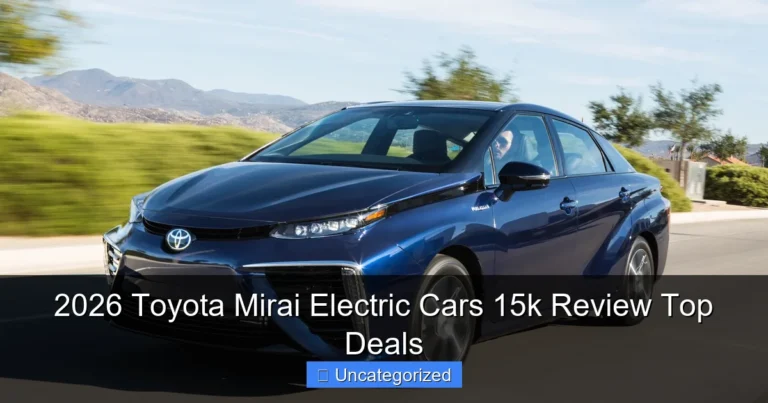
Then there’s the bZ4X, Toyota’s first global BEV. Launched in 2022, the bZ4X represents Toyota’s entry into the competitive full-electric SUV market. It’s not the fastest or longest-range EV on the market, but it’s designed with Toyota’s signature reliability and practicality. With a range of around 250 miles and standard all-wheel drive, it’s aimed at everyday drivers who want a dependable, no-fuss electric SUV.
Why the Phased Approach Makes Sense
Toyota’s phased strategy isn’t just about technology—it’s about people. In many parts of the world, charging infrastructure is still developing. In colder climates, battery performance can be a concern. And for many consumers, the upfront cost of a full EV is still a barrier. By offering hybrids and PHEVs alongside BEVs, Toyota ensures that more people can participate in the electrification journey, regardless of their location, budget, or lifestyle.
This approach also allows Toyota to gather real-world data and customer feedback across different powertrains, which informs future design decisions. It’s a patient, customer-first strategy—one that prioritizes long-term sustainability over short-term headlines.
Prioritizing Real-World Usability and Reliability
When it comes to electric car design, flashy specs and bold claims often grab attention. But Toyota knows that what really matters is how a car performs in everyday life. That’s why usability and reliability are at the heart of its EV design philosophy.
Designing for the Daily Driver
Toyota’s electric vehicles are built for real people with real lives. Take the bZ4X, for example. It may not have the 500-mile range of some luxury EVs, but it’s designed to meet the needs of the average driver. Most people drive less than 40 miles a day, so a 250-mile range is more than sufficient. Toyota focuses on making that range reliable and consistent, even in cold weather or under heavy load.
The interior of the bZ4X reflects this practical mindset. The cabin is spacious, with plenty of headroom and legroom for passengers. The infotainment system is intuitive, with physical buttons alongside the touchscreen—because sometimes, you just want to adjust the volume without tapping through menus. And the cargo area is deep and accessible, perfect for groceries, luggage, or camping gear.
Engineering for Longevity
Toyota has a reputation for building cars that last. The company’s “Kaizen” philosophy—continuous improvement—means every component is tested, refined, and optimized for durability. This mindset extends to its electric vehicles. Toyota designs its batteries and electric motors to withstand years of use, with minimal degradation over time.
For instance, Toyota’s battery management system carefully monitors temperature, charge levels, and usage patterns to extend battery life. The company also offers an 8-year/100,000-mile warranty on the bZ4X’s battery, giving customers peace of mind. This focus on longevity isn’t just good for consumers—it’s also better for the environment, reducing the need for frequent battery replacements.
User-Centric Features
Small details can make a big difference in daily usability. Toyota pays attention to these details. The bZ4X, for example, features a standard heat pump, which helps maintain cabin warmth in cold weather without draining the battery. It also includes a power outlet in the cargo area, so you can charge devices or power small appliances on the go.
Another example is the available solar roof option on some bZ4X models. While it won’t fully charge the car, it can help power auxiliary systems like climate control, reducing the load on the main battery. It’s a thoughtful touch that reflects Toyota’s commitment to efficiency and sustainability.
Investing in Next-Generation Battery Technology
Battery technology is the backbone of any electric vehicle, and Toyota is investing heavily in next-generation solutions. While many automakers rely on lithium-ion batteries, Toyota is exploring a range of advanced chemistries and manufacturing techniques to improve performance, safety, and sustainability.
Solid-State Batteries: The Future of EV Power
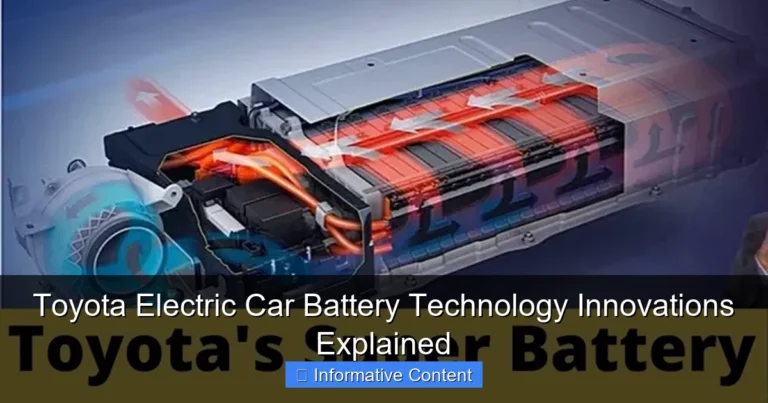
One of Toyota’s most ambitious goals is the development of solid-state batteries. Unlike traditional lithium-ion batteries, which use liquid electrolytes, solid-state batteries use a solid material to conduct ions. This offers several advantages: higher energy density, faster charging, improved safety, and longer lifespan.
Toyota has been working on solid-state technology for over a decade and plans to introduce it in hybrid vehicles by the mid-2020s, with full BEVs to follow. The company claims its solid-state batteries could enable a range of over 500 miles and charge times as short as 10 minutes. While challenges remain—such as manufacturing scalability and cost—Toyota’s progress in this area could be a game-changer for the entire industry.
Sustainable Battery Sourcing and Recycling
Toyota is also focused on the environmental impact of battery production. The company is working to source raw materials like lithium, cobalt, and nickel responsibly, minimizing harm to ecosystems and communities. It’s also investing in battery recycling programs to recover valuable materials and reduce waste.
For example, Toyota has partnered with Redwood Materials to recycle end-of-life hybrid and electric vehicle batteries. The goal is to create a closed-loop system where old batteries are broken down, materials are extracted, and new batteries are made—reducing the need for mining and lowering the carbon footprint of EVs.
Battery Swapping and Modular Design
Another innovative idea Toyota is exploring is battery swapping. Instead of waiting to recharge, drivers could pull into a station and swap their depleted battery for a fully charged one in minutes. This could be especially useful for fleet vehicles or in areas with limited charging infrastructure.
Toyota is also designing its EVs with modular battery systems, making it easier to repair or upgrade individual components. This not only extends the vehicle’s lifespan but also reduces long-term ownership costs.
Focusing on Global Market Adaptation
Toyota doesn’t design its electric cars for just one region—it designs them for the world. That means adapting to different climates, driving conditions, regulations, and consumer preferences across markets.
Regional Customization
The bZ4X, for example, is sold in North America, Europe, China, and Japan—but it’s not the same car in every market. In colder regions like Canada or Scandinavia, Toyota offers enhanced cold-weather packages with heated seats, steering wheels, and improved battery insulation. In hotter climates, the focus shifts to cooling efficiency and UV protection.
In China, where EV adoption is skyrocketing, Toyota partners with local manufacturers like BYD to develop vehicles tailored to Chinese consumers. The Toyota bZ3, a compact sedan developed with BYD, features a blade battery and a minimalist interior design that appeals to tech-savvy buyers.
Compliance with Local Regulations
Different countries have different emissions standards, safety requirements, and incentives for electric vehicles. Toyota designs its EVs to meet or exceed these standards, ensuring compliance and eligibility for government rebates. For instance, the bZ4X qualifies for the U.S. federal tax credit, making it more affordable for American buyers.
Toyota also works closely with local governments and utilities to support charging infrastructure development. In Japan, the company has partnered with charging networks to expand access in rural areas. In the U.S., it’s part of the IONNA network, a new fast-charging alliance aimed at improving the EV experience.
Cultural Sensitivity in Design
Design isn’t just about function—it’s also about culture. Toyota pays attention to how people use their cars in different parts of the world. In Europe, where parking spaces are tight, the bZ4X is designed to be compact yet spacious inside. In the U.S., where road trips are common, the focus is on comfort, range, and cargo capacity.
Even the user interface reflects regional preferences. In markets where touchscreens dominate, Toyota offers large, responsive displays. In others, where physical controls are preferred, it balances digital and analog elements.
Integrating Sustainability Across the Product Lifecycle
Toyota’s commitment to sustainability goes beyond zero-emission driving. The company is rethinking every stage of the vehicle lifecycle—from design and manufacturing to end-of-life recycling.
Eco-Friendly Materials and Manufacturing
Toyota uses recycled and bio-based materials in its EVs whenever possible. The bZ4X, for example, features seat fabrics made from recycled PET bottles and dashboard components derived from plant-based resins. The company also aims to reduce water and energy use in its factories, with some plants already running on 100% renewable energy.
Carbon-Neutral Production Goals
Toyota has set a goal to achieve carbon-neutral manufacturing by 2035. This includes reducing emissions from production processes, sourcing renewable energy, and offsetting remaining emissions through reforestation and other initiatives. The company’s Tsutsumi plant in Japan, where the bZ4X is built, is a model of sustainable manufacturing.
End-of-Life Vehicle Recycling
When a Toyota EV reaches the end of its life, the company has systems in place to recover and reuse materials. Batteries are recycled, metals are reclaimed, and plastics are repurposed. Toyota’s goal is to create a circular economy where nothing goes to waste.
Data Table: Toyota Electric Vehicle Lineup (2023–2024)
| Model | Powertrain | Electric Range (EPA) | Key Features | Target Market |
|---|---|---|---|---|
| Toyota bZ4X | BEV (Battery Electric) | 252 miles | All-wheel drive, solar roof option, heat pump | Global (North America, Europe, Japan, China) |
| Toyota RAV4 Prime | PHEV (Plug-in Hybrid) | 42 miles (electric only) | 302 hp combined, fast charging, off-road capability | North America, select global markets |
| Toyota bZ3 | BEV | 372 miles (CLTC) | BYD blade battery, minimalist interior | China |
| Toyota Prius Prime | PHEV | 44 miles (electric only) | Sleek design, 57 mpg combined | Global |
Conclusion: A Thoughtful Path to an Electric Future
Toyota’s electric car product design strategies reveal a company that’s not chasing trends—it’s shaping them. By prioritizing real-world usability, investing in next-generation technology, and adapting to global needs, Toyota is building electric vehicles that are practical, reliable, and sustainable. Its phased approach to electrification ensures that the transition to zero-emission mobility is inclusive and accessible, not just for the wealthy or tech-savvy, but for everyday drivers around the world.
Yes, Toyota may not have the flashiest EVs on the market—yet. But what it lacks in hype, it makes up for in substance. From hybrid bridges to solid-state batteries, from user-centric design to circular manufacturing, Toyota is laying the groundwork for a future where electric driving is seamless, sustainable, and stress-free. And as charging infrastructure improves and battery technology advances, Toyota’s thoughtful, long-term strategy may well prove to be the smartest move of all.
So the next time you see a Toyota EV gliding silently down the street, remember: it’s not just a car. It’s the result of decades of engineering wisdom, a commitment to people and planet, and a vision of mobility that’s built to last.
Frequently Asked Questions
What are Toyota’s key strategies in electric car product design?
Toyota focuses on reliability, sustainability, and user-centric innovation in its electric car product design strategies. The company emphasizes long-term durability and integrates hybrid-electric technology as a bridge to full electrification.
How does Toyota incorporate sustainability into its electric vehicle design?
Toyota uses recycled and eco-friendly materials in its electric car interiors and aims to reduce carbon emissions throughout the vehicle lifecycle. Their design philosophy prioritizes energy efficiency and minimal environmental impact.
What role does battery technology play in Toyota’s electric car design?
Battery technology is central to Toyota’s electric car product design strategies, with a focus on safety, longevity, and fast charging. The company is investing in solid-state batteries to enhance performance and range in future models.
How does Toyota ensure safety in its electric vehicle designs?
Toyota integrates advanced driver-assistance systems (ADAS) and reinforced battery enclosures to enhance safety in its electric cars. Rigorous testing and collision-resistant designs are key components of their safety-first approach.
Are Toyota’s electric car designs focused on affordability?
Yes, Toyota aims to make electric vehicles accessible by leveraging scalable platforms and existing manufacturing efficiencies. Their product design strategies balance innovation with cost-effectiveness to reach a broader market.
How does Toyota differentiate its electric car designs from competitors?
Toyota differentiates through a blend of proven reliability, hybrid-electric expertise, and thoughtful interior ergonomics. Their design approach emphasizes practicality and long-term value over flashy aesthetics.