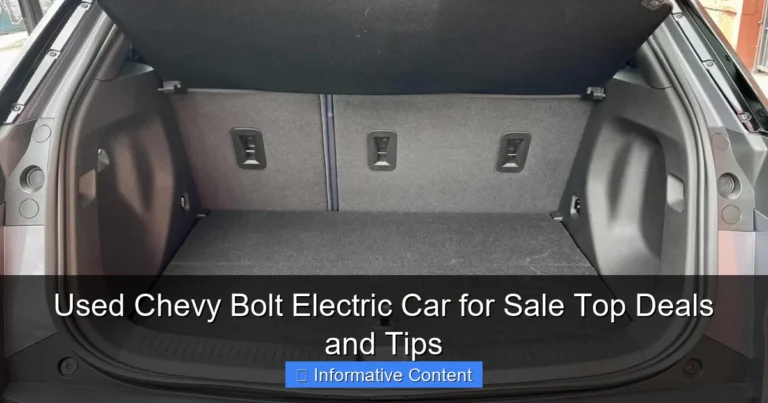
Used Chevy Volt Electric Car for Sale Top Picks and Deals
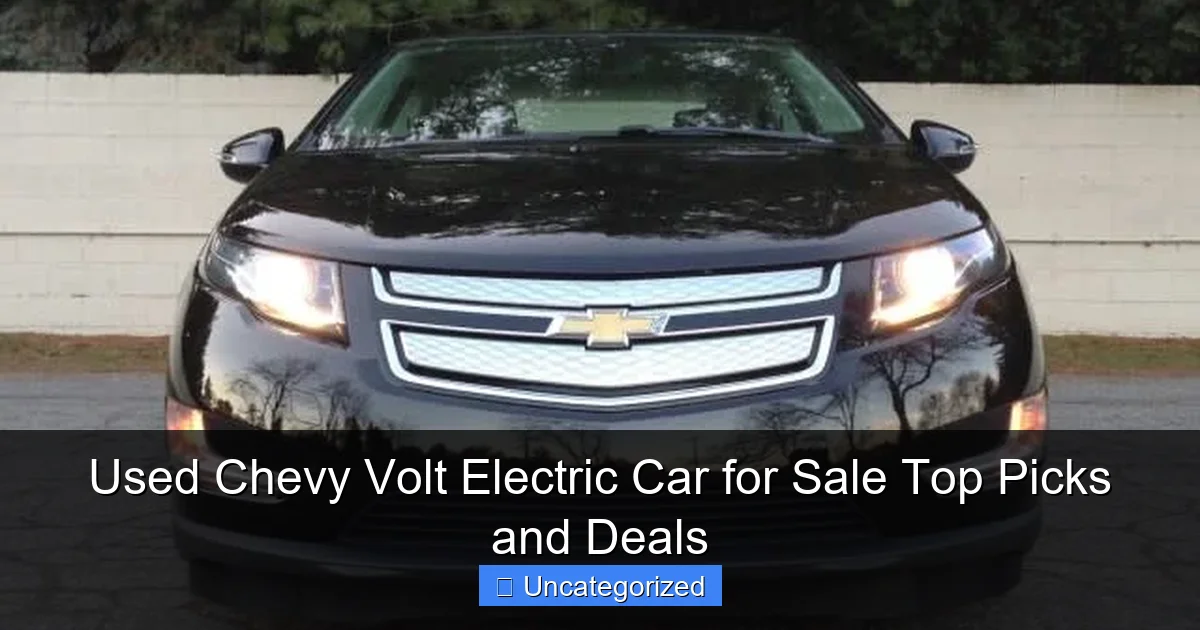
Featured image for used chevy volt electric car for sale
Image source: s.yimg.com
Find the best deals on a used Chevy Volt electric car for sale with our expertly curated top picks, offering exceptional value, low mileage, and reliable performance. Each model highlighted delivers impressive electric range, advanced tech, and cost savings compared to buying new—perfect for eco-conscious drivers seeking affordability without compromise.
Key Takeaways
- Check battery health: Always verify the Volt’s battery condition before buying.
- Compare pricing: Use tools like KBB to ensure fair market value.
- Prioritize certified pre-owned: CPO Volts offer warranties and peace of mind.
- Review service history: Maintenance records reveal potential red flags early.
- Test drive thoroughly: Assess acceleration, braking, and EV mode performance.
- Evaluate charging setup: Confirm home charging compatibility and included equipment.
📑 Table of Contents
- Why the Used Chevy Volt Is a Smart Choice for Eco-Conscious Drivers
- Understanding the Chevy Volt: Generations, Features, and Evolution
- Top Picks: Best Model Years and Trims to Consider
- How to Find the Best Deals and Avoid Common Pitfalls
- Charging, Maintenance, and Real-World Ownership Tips
- Comparing the Chevy Volt to Other Used Electric and Hybrid Cars
- Final Thoughts: Is a Used Chevy Volt Right for You?
Why the Used Chevy Volt Is a Smart Choice for Eco-Conscious Drivers
The used Chevy Volt electric car for sale represents one of the most compelling options in the pre-owned hybrid and electric vehicle market. Since its introduction in 2011, the Chevrolet Volt has stood out as a pioneer in the plug-in hybrid electric vehicle (PHEV) segment, offering drivers the best of both worlds: electric-only driving for daily commutes and a gasoline engine for extended range. With rising fuel prices, environmental concerns, and increasing demand for fuel-efficient vehicles, the used Chevy Volt has emerged as a cost-effective, reliable, and technologically advanced solution for modern drivers.
Unlike all-electric vehicles (EVs) that require charging infrastructure for every long trip, the Volt’s dual-powertrain system eliminates range anxiety. It runs primarily on electricity for the first 40–53 miles (depending on model year), then seamlessly switches to its 1.4L or 1.5L gasoline generator to extend total range to over 400 miles. This flexibility makes the Volt ideal for city dwellers, suburban commuters, and even road-trippers. As battery technology improves and used Volt prices become more accessible, now is an excellent time to consider a used Chevy Volt electric car for sale as a smart, sustainable investment.
Understanding the Chevy Volt: Generations, Features, and Evolution
First Generation (2011–2015): The Pioneer of Plug-In Hybrids
The original Chevy Volt debuted as a 2011 model and immediately disrupted the automotive landscape. With a 16 kWh lithium-ion battery and a 1.4L inline-four gasoline generator, it offered an all-electric range of approximately 35–38 miles, depending on driving conditions and climate. The Volt’s electric motor delivered 149 horsepower and 273 lb-ft of torque, providing brisk acceleration and a smooth, quiet ride. Key features included regenerative braking, a touchscreen infotainment system, and smartphone integration via OnStar and early versions of MyLink.
Visual guide about used chevy volt electric car for sale
Image source: images.hgmsites.net
Drivers appreciated the Volt’s ability to complete most daily commutes without using a single drop of gasoline. For example, a driver with a 30-mile round-trip commute could go a full week on electricity alone, assuming nightly charging. However, early models had limited rear legroom and a small trunk due to the battery pack placement. Despite this, the first-gen Volt earned numerous accolades, including the Motor Trend Car of the Year in 2011 and Green Car of the Year in 2012.
Second Generation (2016–2019): Enhanced Range, Efficiency, and Tech
The 2016 redesign marked a major leap forward. Chevrolet introduced a larger 18.4 kWh battery, increasing the all-electric range to 53 miles—a 40% improvement over the first generation. The gasoline generator was upgraded to a more efficient 1.5L engine, boosting total range to 420 miles. The new Volt also featured improved aerodynamics, a more spacious cabin, and a refined interior with higher-quality materials.
Technology saw significant upgrades, including a larger 8-inch touchscreen, Apple CarPlay and Android Auto compatibility, a Wi-Fi hotspot, and advanced driver assistance systems (ADAS) like lane departure warning and forward collision alert. The second-gen Volt also introduced a “Hold Mode,” allowing drivers to conserve battery charge for city driving, and a “Mountain Mode” to maintain performance at high altitudes.
One practical example: a family in Denver could use the Volt for school drop-offs and errands on electric power, then switch to Hold Mode before a mountain road trip to preserve battery for lower-speed, stop-and-go conditions at higher elevations. This versatility made the second-gen Volt a favorite among environmentally conscious families and tech-savvy commuters alike.
2020 Model (Final Year): Refinements and Farewell
Though production ended in 2019, the 2020 model year saw a final update with minor refinements, including improved battery thermal management and updated software for smoother transitions between electric and hybrid modes. While no new Volts were produced after February 2019, the 2020 model remains available on the used market, often at competitive prices due to its “last of its kind” status.
Buyers looking for a used Chevy Volt electric car for sale from this era benefit from the most mature version of the platform—refined over a decade of real-world use and customer feedback. With proven reliability and cutting-edge features, the 2016–2020 Volts are particularly sought after in the pre-owned market.
Top Picks: Best Model Years and Trims to Consider
Best Value: 2016–2017 Volt LT
For budget-conscious buyers seeking the best balance of price, features, and reliability, the 2016–2017 Volt LT trim is a standout choice. Priced typically between $12,000 and $16,000 in the current used market (as of 2024), this model offers the full suite of second-gen improvements: 53 miles of electric range, Apple CarPlay, and a modern infotainment system. The LT trim includes key features like automatic climate control, keyless entry, and a rearview camera, making it a well-rounded daily driver.
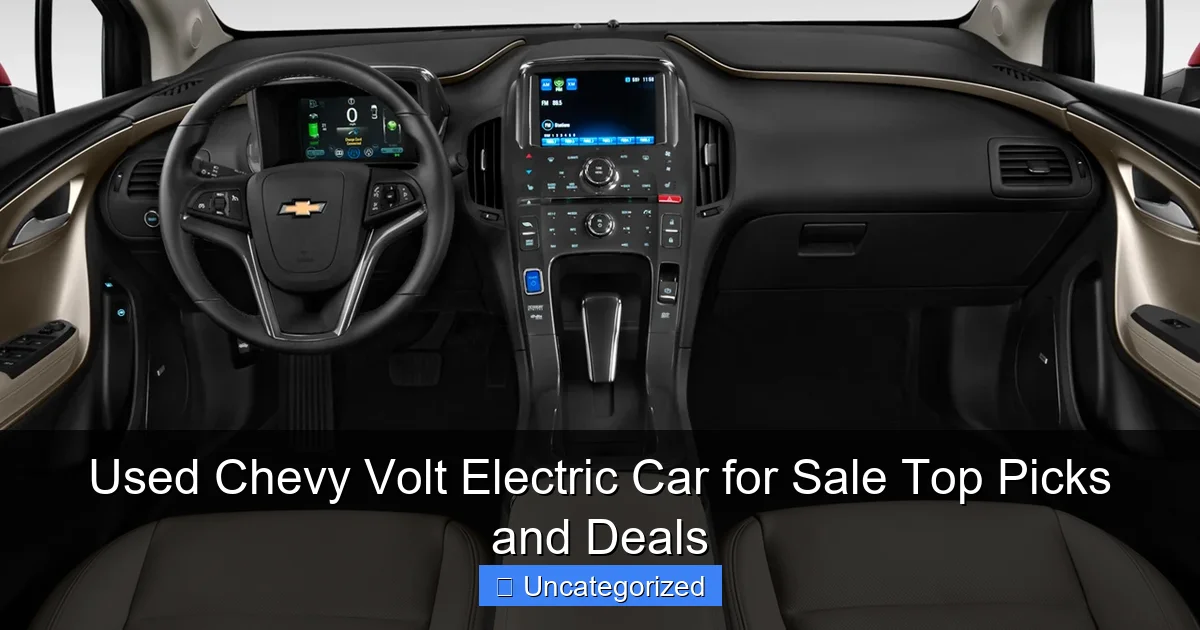
Visual guide about used chevy volt electric car for sale
Image source: images.hgmsites.net
Real-world data from Consumer Reports and Edmunds shows that 2016–2017 Volts have low depreciation and high owner satisfaction, with many owners reporting over 100,000 miles with minimal maintenance issues. One owner in Austin, Texas, shared that their 2016 Volt LT achieved 132 mpg equivalent (MPGe) over three years of mixed driving, saving over $2,500 in fuel costs compared to a conventional sedan.
Premium Choice: 2018–2019 Volt Premier
For those willing to spend more for luxury and advanced features, the Volt Premier trim (available from 2017 onward) is the top-tier option. Priced between $16,000 and $20,000, the Premier adds leather-appointed seats, heated front seats and steering wheel, a Bose premium audio system, and a power-adjustable driver’s seat. It also includes advanced safety tech like forward collision alert, lane keep assist, and automatic emergency braking (on 2018+ models).
The Premier trim is ideal for drivers in colder climates, where the heated seats and steering wheel provide significant comfort during winter months. Additionally, the upgraded audio system and interior materials make long drives more enjoyable. A 2019 Volt Premier with under 50,000 miles can often be found with a clean title, low maintenance history, and a comprehensive vehicle history report from services like Carfax or AutoCheck.
Hidden Gem: 2013–2014 Volt (With Battery Warranty Remaining)
While newer models offer better range and tech, early 2013–2014 Volts can be excellent value if they still have battery warranty coverage. Chevrolet offers an 8-year/100,000-mile battery warranty on all Volts (10 years/150,000 miles in some states like California), meaning many 2013–2014 models are still under warranty until 2023–2025. This provides peace of mind, as battery replacement costs can exceed $10,000 out of pocket.
When shopping, always verify the remaining warranty by checking the vehicle’s VIN with a Chevrolet dealer. A 2014 Volt with 80,000 miles and 2 years of battery coverage left could save thousands in potential repair costs. Tip: Look for models with a documented charging history—frequent charging at home or Level 2 stations is a good sign the battery was properly maintained.
How to Find the Best Deals and Avoid Common Pitfalls
Where to Look: Trusted Sources for Used Chevy Volts
Finding a reliable used Chevy Volt electric car for sale starts with knowing where to look. Here are the top sources:
- Certified Pre-Owned (CPO) Dealerships: Chevrolet-certified Volts come with a 12-month/12,000-mile bumper-to-bumper warranty, a 6-year/100,000-mile powertrain warranty, and a 172-point inspection. While CPO vehicles cost 10–15% more than private sales, they offer unmatched peace of mind.
- Online Marketplaces: Platforms like CarGurus, Autotrader, and Cars.com allow filtering by price, mileage, trim, and features. Use the “price analysis” tool to see if a listing is a good deal based on market data.
- Private Sellers: Facebook Marketplace, Craigslist, and Reddit’s r/ChevyVolt can yield great deals, but require due diligence. Always meet in a public place and bring a mechanic.
- Electric Vehicle Forums and Clubs: Enthusiast communities often list well-maintained Volts with detailed service records. Members may also offer advice on pricing and common issues.
Red Flags and What to Avoid
Not every used Volt is a good buy. Watch for these warning signs:
- High Mileage on Battery: While Volts are durable, batteries degrade over time. A 2016 Volt with 120,000 miles may have reduced electric range (e.g., 35–40 miles instead of 53). Use the car’s energy screen to check battery health.
- Frequent Gasoline Use: A Volt driven mostly in hybrid mode (gasoline) may have higher engine wear. Look for models with a charging history showing regular electric use.
- Accident Damage: Check for frame damage, especially around the battery pack. Use a VIN history report to uncover accidents, floods, or title issues.
- Aftermarket Modifications: Avoid Volts with non-factory battery upgrades or software hacks, as these can void warranties and cause reliability issues.
Pro Tip: Always request a charging history from the seller. Many Volts display this data in the infotainment system, showing how often the car was plugged in and charged to full.
Negotiation Strategies and Price Benchmarks
Used Volt prices vary widely based on condition, location, and demand. Use these benchmarks to guide negotiations:
- 2016–2017 LT: $12,000–$16,000
- 2018–2019 Premier: $16,000–$20,000
- 2013–2014 (with warranty): $8,000–$11,000
Negotiate based on:
- Mileage: Deduct $500–$1,000 for every 10,000 miles over 60,000.
- Condition: Request a $500–$1,500 discount for minor scratches, worn seats, or outdated tech.
- Warranty Status: Use remaining battery coverage as a selling point—or a reason to pay a premium.
Example: A 2017 Volt LT with 75,000 miles, no accidents, and full service records is listed for $15,500. After a pre-purchase inspection (cost: $150), you negotiate down to $14,200, citing average market prices and a small dent on the fender.
Charging, Maintenance, and Real-World Ownership Tips
Charging Options and Daily Use
One of the biggest advantages of the Volt is its charging flexibility. It comes with a Level 1 charging cord (120V), which adds about 4 miles of range per hour. For faster charging, a Level 2 (240V) home charger is recommended, adding 25 miles of range per hour. Most Level 2 chargers cost $500–$800 installed, but utility companies often offer rebates.
For example, a homeowner in Portland, Oregon, installed a ChargePoint Home Flex for $700 and received a $500 rebate from the local utility, reducing the net cost to $200. With nightly charging, their 2018 Volt Premier achieves 95% electric driving, using gasoline only for weekend trips.
Public charging is optional—many Volt owners charge only at home. However, apps like PlugShare can help locate Level 2 and DC fast chargers for longer trips. Note: The Volt does not support DC fast charging, but Level 2 stations are widely available.
Maintenance: What to Expect and How to Save
The Volt’s hybrid system reduces wear on the gasoline engine, leading to lower maintenance costs. Key points:
- Oil Changes: Required every 7,500–10,000 miles (vs. 3,000–5,000 for conventional cars).
- Brakes: Regenerative braking reduces pad wear—pads can last 70,000+ miles.
- Battery Health: No special maintenance needed. Avoid extreme temperatures when possible.
- Fluids: Coolant and transmission fluid should be replaced every 150,000 miles.
Annual maintenance costs average $400–$600, compared to $600–$900 for similar-sized sedans. Many Volt owners report spending less than $100/year on maintenance during the first 50,000 miles.
Real-World Driving Tips for Maximum Efficiency
Maximize your Volt’s electric range and fuel economy with these tips:
- Precondition While Plugged In: Use the app or key fob to heat or cool the cabin while charging. This uses grid power, not battery.
- Use Eco Mode: Reduces throttle response and climate control output for better efficiency.
- Plan Routes: Use Google Maps or PlugShare to avoid traffic and hills, which drain the battery faster.
- Charge to 80%: For daily use, charging to 80% (instead of 100%) reduces battery stress and extends lifespan.
Comparing the Chevy Volt to Other Used Electric and Hybrid Cars
How does the used Chevy Volt electric car for sale stack up against competitors? Below is a comparison of key models in the same price range:
| Model | Electric Range | Total Range | MPGe | Starting Price (Used) | Key Advantage |
|---|---|---|---|---|---|
| 2017 Chevy Volt LT | 53 miles | 420 miles | 106 MPGe | $14,000 | Best balance of range, tech, and value |
| 2016 Toyota Prius Prime | 25 miles | 600 miles | 133 MPGe | $15,500 | Higher MPGe, more cargo space |
| 2018 Ford Fusion Energi | 26 miles | 610 miles | 97 MPGe | $13,800 | Larger cabin, luxury feel |
| 2015 Nissan Leaf (30 kWh) | 107 miles | 107 miles | 112 MPGe | $9,500 | All-electric, no gas engine |
| 2019 Hyundai Ioniq Plug-In | 29 miles | 630 miles | 119 MPGe | $16,000 | Best fuel efficiency, 10-year warranty |
The Volt stands out for its long electric range and seamless hybrid transition, making it ideal for drivers who want electric driving without range anxiety. While the Prius Prime and Ioniq offer better fuel economy, the Volt’s 53-mile electric range covers more daily commutes on electricity alone. The Leaf offers more electric range but requires access to charging for long trips—a dealbreaker for many.
Final Thoughts: Is a Used Chevy Volt Right for You?
The used Chevy Volt electric car for sale is more than just a fuel-efficient vehicle—it’s a gateway to sustainable, cost-effective driving. With proven reliability, impressive electric range, and a host of modern features, the Volt offers exceptional value in the pre-owned market. Whether you’re a first-time EV driver, a commuter seeking to cut fuel costs, or a family needing a versatile hybrid, the Volt delivers.
By focusing on well-maintained 2016–2019 models, conducting thorough inspections, and leveraging warranty coverage, buyers can find a Volt that meets their needs and budget. Remember: the key to a successful purchase is research, patience, and due diligence. With the right approach, a used Chevy Volt can provide years of reliable, eco-friendly driving—and a significant reduction in your carbon footprint.
As electric vehicle adoption grows, the Volt remains a testament to Chevrolet’s innovation in the hybrid space. While it may no longer be in production, its legacy lives on in the thousands of satisfied owners who continue to enjoy its blend of efficiency, comfort, and technology. If you’re ready to make the switch to a smarter, greener vehicle, the used Chevy Volt is a top pick worth serious consideration.
Frequently Asked Questions
What should I look for when buying a used Chevy Volt electric car for sale?
When shopping for a used Chevy Volt, prioritize models with a clean vehicle history, low mileage, and a well-documented service record. Check the battery health and ensure the car has undergone regular maintenance, especially for the hybrid powertrain system.
How does the Chevy Volt’s electric range hold up in used models?
Most used Chevy Volts retain 70-80% of their original battery capacity after 5-7 years, offering 30-40 miles of electric-only range (for 2016-2019 models). Real-world range depends on driving habits, climate, and battery care.
Are used Chevy Volt electric cars for sale still reliable after 5+ years?
Yes, the Chevy Volt is known for its reliability, with many owners reporting minimal issues beyond regular wear-and-tear. The Volt’s dual electric/gas system reduces strain on the battery, making it a durable long-term option.
Can I find a certified pre-owned Chevy Volt electric car for sale?
Yes, many dealerships offer certified pre-owned (CPO) Chevy Volts, which include extended warranties, thorough inspections, and battery guarantees. CPO vehicles often cost more but provide added peace of mind.
What’s the average price of a used Chevy Volt electric car for sale?
Prices vary by year, condition, and location, but expect to pay $12,000–$20,000 for a 2016–2019 model. Older models (2011–2015) may cost less but could have reduced battery performance.
Is the Chevy Volt a good choice for a first-time electric car buyer?
Absolutely! The Volt’s hybrid system eliminates range anxiety, making it a practical introduction to electric driving. Its regenerative braking and fuel-efficient engine also ease the transition from gas-powered cars.