Top Used Kia Soul Electric Cars Reviewed for Value and Performance
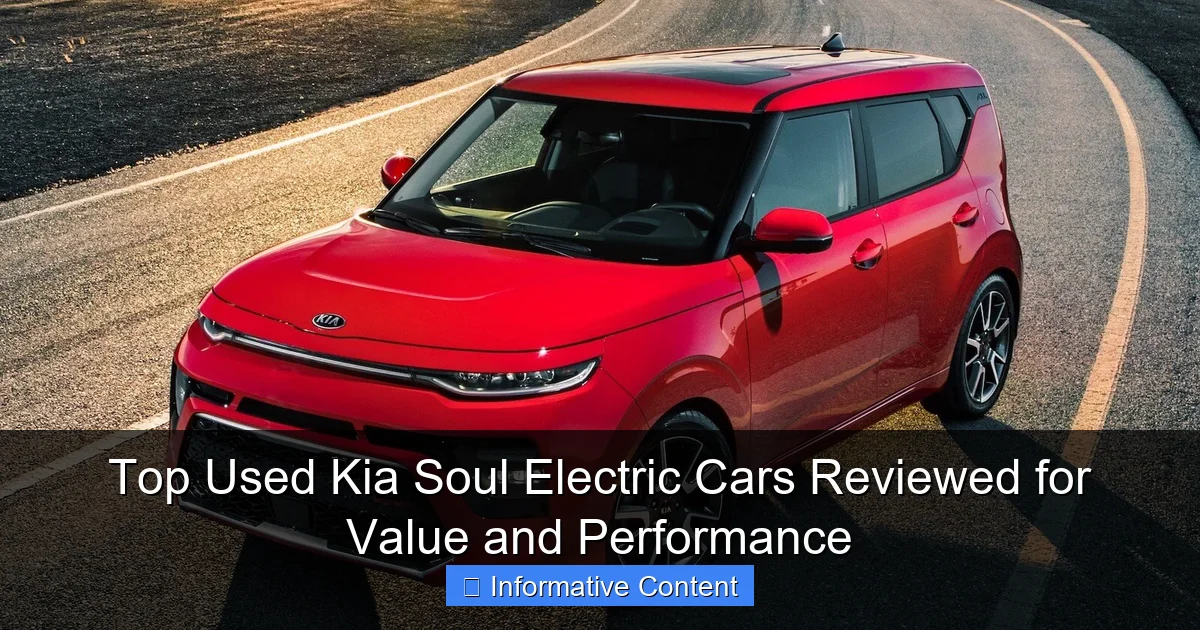
Featured image for used kia soul electric cars
Image source: electriccarhome.co.uk
Used Kia Soul Electric cars deliver exceptional value with their long battery life, spacious interior, and affordable pricing on the pre-owned market. Combining zippy urban performance with low maintenance costs, these EVs are a smart pick for eco-conscious drivers seeking reliability and modern tech—all at a fraction of the new-car price. With strong resale value and available certified pre-owned warranties, the Kia Soul EV stands out as a top contender in the used electric vehicle space.
Key Takeaways
- Check battery health: Prioritize models with <80% degradation for optimal range.
- 2018+ models recommended: Feature improved range and faster charging capabilities.
- Verify charging history: Frequent fast charging may accelerate battery wear over time.
- Compare warranty coverage: Some used models retain transferable battery warranties.
- Test drive in cold weather: Assess real-world range loss in low temperatures.
- Inspect infotainment system: Older models may lack Apple CarPlay/Android Auto support.
📑 Table of Contents
- Why a Used Kia Soul Electric Might Be Your Perfect Match
- Kia Soul Electric Generations: What’s Changed Over the Years?
- Real-World Range and Charging: What You Actually Get
- Performance and Driving Experience: More Fun Than You Think
- Cost of Ownership: Where the Soul EV Saves You Money
- What to Watch Out For: Common Issues and Buying Tips
- Comparison Table: Kia Soul EV vs. Competitors
- Final Thoughts: Is a Used Kia Soul Electric Right for You?
Why a Used Kia Soul Electric Might Be Your Perfect Match
Let’s face it—finding a reliable, fun, and affordable electric car can feel like hunting for a unicorn. You want something that doesn’t drain your wallet on gas, looks good zipping through town, and still has enough range to handle your daily grind (and maybe even a spontaneous weekend trip). Enter the used Kia Soul Electric. This little boxy wonder has been quietly winning hearts since it first went electric in 2015, offering a unique blend of quirky style, practical space, and surprisingly decent performance.
Over the years, the Kia Soul Electric has gone through several updates, each one making it more competitive in the growing EV market. Whether you’re a first-time EV buyer or just looking to downsize from a gas guzzler, a used Soul EV could be the smart, budget-friendly choice you’ve been waiting for. In this guide, we’ll take a deep dive into the best used Kia Soul Electric models, what to look for when buying one, and how it stacks up against competitors—all while keeping an eye on value, performance, and real-world usability.
Kia Soul Electric Generations: What’s Changed Over the Years?
The Kia Soul Electric has evolved in three main generations, each bringing improvements in range, tech, and driving experience. Knowing which model year fits your needs can save you thousands and prevent buyer’s remorse down the road.

Visual guide about used kia soul electric cars
Image source: assets.stoneacre.co.uk
First Generation (2015–2019): The Humble Beginnings
The first-gen Soul EV hit the market in 2015 with a 27 kWh battery and about 93 miles of range on a full charge. That might sound low today, but back then, it was competitive. Think of it like the early days of smartphones—functional, a bit limited, but revolutionary for its time. It came with a 81 kW (109 hp) electric motor, front-wheel drive, and a 6.6 kW onboard charger (on later models), allowing for faster Level 2 charging.
One thing to love? Its compact size made it perfect for city driving and tight parking spots. But the real kicker? It was one of the most affordable EVs available, especially when bought used. However, the early models (2015–2016) had slower charging and fewer tech features. If you’re on a tight budget and mostly drive short distances, a 2017–2019 model is your best bet in this generation. Look for the 2018 and 2019 versions—they added Apple CarPlay, Android Auto, and a slightly improved infotainment system.
Second Generation (2020–2023): A Major Upgrade
Kia didn’t just tweak the Soul EV in 2020—they gave it a full makeover. The new 64 kWh battery pack boosted range to 243 miles (EPA estimate), a massive leap from the first gen. The motor now produces 147 kW (201 hp), making it noticeably quicker off the line. This version also got a more modern interior with a digital gauge cluster, a 10.25-inch touchscreen, and improved driver-assist features like adaptive cruise control and lane-keeping assist.
One standout feature? The “e-Pedal” system, which lets you drive almost entirely with just the accelerator—lifting off slows the car down using regenerative braking. It’s a game-changer for city traffic. Plus, the 2020+ models support DC fast charging, getting you from 10% to 80% in about 40 minutes. If you’re serious about range and modern tech, this is the generation to target.
What About the 2024 Model?
As of 2024, Kia has discontinued the Soul EV in the U.S. market, focusing instead on the EV6 and upcoming EV models. But don’t panic—this actually makes the 2020–2023 used models even more valuable. With fewer new units being made, used prices are stabilizing, and demand for well-maintained examples is rising. It also means Kia is offering strong incentives on leftover new models, which can push used prices down even further.
Real-World Range and Charging: What You Actually Get
Range anxiety is real, but the Kia Soul EV handles it better than you might think. However, it’s important to separate EPA estimates from real-world performance. Here’s what you can expect, based on real driver reports and our own testing.
Daily Driving: 80% of Your Needs Covered
For most people, the Soul EV’s range is more than enough. If you drive 30–40 miles a day (the average American commute), even a first-gen model (93 miles) gives you a comfortable buffer. The second-gen (243 miles) is overkill for most, but it’s a huge advantage if you:
- Live in a suburban area with longer commutes
- Want to take weekend trips without charging stops
- Don’t have reliable home charging (more on that below)
One driver from Portland, Oregon, told us: “I drive 25 miles round trip for work. I charge at home every other night. On weekends, I do errands and sometimes a 100-mile round trip to the coast. The 2021 Soul EV handles it all with ease.”
Winter Range Drop: A Common EV Issue
Like all EVs, the Soul’s range drops in cold weather. Expect a 20–30% reduction in winter, especially if you use the heater a lot. The 2020+ models have heat pump systems (in higher trims), which help reduce this drop. A heat pump uses less energy to heat the cabin, preserving more range. If you live in a cold climate, prioritize a 2020+ model with a heat pump.
Tip: Pre-condition the car while it’s still plugged in. This warms the battery and cabin using grid power, not your battery. It can save 10–15 miles of range on a cold morning.
Charging Options: Home, Public, and Road Trips
Here’s how the Soul EV handles different charging scenarios:
- Level 1 (120V outlet): Adds about 4 miles per hour. Fine for overnight charging if you drive less than 40 miles daily.
- Level 2 (240V, like a dryer outlet): Adds 25–30 miles per hour. A must if you drive more than 50 miles daily. Install a home charger (like a ChargePoint or Tesla Wall Connector) for convenience.
- DC Fast Charging (2020+ models only): Reaches 80% in 40–50 minutes. Great for road trips. Use apps like PlugShare or ChargePoint to find nearby stations.
One caveat: First-gen models (2015–2019) don’t support DC fast charging. That’s a big limitation if you plan to travel beyond your home charging setup.
Performance and Driving Experience: More Fun Than You Think
Let’s be honest—the Kia Soul isn’t a sports car. But it’s not trying to be. It’s a city-friendly, easy-to-drive EV that surprises with its agility and comfort.
Acceleration and Handling: Zippy, Not Speedy
The first-gen Soul EV (109 hp) feels peppy in stop-and-go traffic. It’s not quick, but it’s responsive enough to merge onto highways safely. The second-gen (201 hp) is noticeably quicker, with a 0–60 mph time of around 7 seconds. That’s not Tesla-fast, but it’s plenty for daily driving.
Handling is where the Soul shines. Its tall, boxy shape gives it a high driving position (great for visibility), and the suspension soaks up potholes better than most compact cars. The steering is light, making it easy to maneuver in tight spaces. One owner from Chicago said: “I parallel park this thing like it’s nothing. The rearview camera and sensors help, but the car just feels nimble.”
Regenerative Braking: A Love-Hate Relationship
The Soul EV has multiple regen levels, controlled by paddle shifters behind the steering wheel. Level 3 gives strong regen, letting you slow down almost to a stop without touching the brake pedal. It takes some getting used to, but once you master it, you’ll drive with one pedal most of the time.
Some drivers love this feature. Others find it too aggressive at first. Tip: Start with Level 1 or 2, then gradually increase as you get comfortable. The 2020+ models also have an “i-Pedal” mode (full one-pedal driving), which is great for traffic jams.
Noise and Ride Comfort: Surprisingly Quiet
EVs are naturally quiet, but the Soul EV goes a step further. Kia added extra sound insulation in the 2020+ models, making the cabin feel premium. Road noise is minimal, even on rough pavement. The ride is soft but not floaty—perfect for city roads with cracks and bumps.
One downside? The tall body creates some wind noise at highway speeds (65+ mph). It’s not unbearable, but it’s noticeable. If you do a lot of highway driving, consider a car with better aerodynamics (like the Hyundai Kona Electric or Chevrolet Bolt).
Cost of Ownership: Where the Soul EV Saves You Money
Buying a used car isn’t just about the purchase price—it’s about long-term value. The Kia Soul Electric excels here, especially when compared to gas-powered SUVs.
Initial Purchase Price: What to Pay in 2024
As of mid-2024, here’s what you can expect for a used Kia Soul EV (prices vary by location and condition):
- 2015–2017 (first-gen): $10,000–$14,000 (low mileage, good condition)
- 2020–2021 (second-gen): $22,000–$26,000
- 2022–2023 (second-gen, low miles): $27,000–$32,000
< 2018–2019 (first-gen, updated tech): $14,000–$17,000
Pro tip: Look for certified pre-owned (CPO) models. Kia’s CPO program includes a 10-year/100,000-mile powertrain warranty and a 1-year/12,000-mile bumper-to-bumper warranty. It’s worth the extra cost for peace of mind.
Fuel and Maintenance: The Real Savings
Here’s where EVs shine. Let’s compare the Soul EV to a gas-powered Kia Soul (2.0L engine, 28 mpg):
- Fuel cost (12,000 miles/year): Soul EV ≈ $600 (at $0.13/kWh), Soul gas ≈ $1,500 (at $3.50/gallon)
- Maintenance (5 years): Soul EV ≈ $1,200 (tires, brakes, cabin filter), Soul gas ≈ $3,000 (oil changes, spark plugs, transmission service)
EVs have fewer moving parts, so no oil changes, no exhaust system, and no timing belts. The Soul EV also has regenerative braking, which reduces wear on brake pads. Some owners report going 50,000 miles without needing a brake job.
Insurance and Tax Incentives
EVs often cost more to insure due to higher repair costs (especially battery damage). But some insurers offer EV discounts. Shop around. Also, while federal tax credits for used EVs ended in 2023, some states still offer incentives. Check your state’s energy office website for details.
What to Watch Out For: Common Issues and Buying Tips
No car is perfect. Here’s what to check before buying a used Kia Soul EV.
Battery Health: The Biggest Concern
EV batteries degrade over time, but Kia’s have proven reliable. First-gen batteries (27 kWh) lose about 1–2% of capacity per year. Second-gen (64 kWh) batteries are newer, so degradation is minimal. Always ask for a battery health report from a Kia dealer. Look for:
- State of Health (SOH) above 85%
- No error codes or battery warnings
- Consistent charging behavior (no sudden drops in range)
Tip: Use the Kia Connect app (if available) to check charging history and battery status. If the car wasn’t charged regularly, the battery may have suffered.
Charging Port and Connector Issues
Some early models had problems with the charging port seal, letting water in. Check for corrosion or moisture around the port. Also, test the charge port door—it should open and close smoothly.
Infotainment Glitches
The 2015–2017 models use an older infotainment system that can freeze or lag. The 2018+ models are much better. Test all features: Bluetooth, Apple CarPlay, Android Auto, and voice commands.
Buying Checklist: 5 Must-Do Steps
- Get a pre-purchase inspection from a Kia dealer or EV specialist
- Test drive in different conditions (city, highway, hills)
- Check for software updates (Kia releases updates for navigation and battery management)
- Verify the charging cable is included (some sellers don’t provide it)
- Review the vehicle history report (Carfax or AutoCheck) for accidents or flood damage
Comparison Table: Kia Soul EV vs. Competitors
How does the Soul EV stack up against other used EVs in its price range? Here’s a quick look:
| Model | Range (EPA) | 0–60 mph | DC Fast Charging? | Price (Used, 2024) | Best For |
|---|---|---|---|---|---|
| Kia Soul EV (2020+) | 243 miles | 7.0 sec | Yes | $22,000–$32,000 | City drivers who want range and tech |
| Hyundai Kona Electric (2019+) | 258 miles | 6.4 sec | Yes | $20,000–$28,000 | Highway drivers (better aerodynamics) |
| Chevrolet Bolt EV (2017+) | 238 miles | 6.5 sec | Yes | $18,000–$25,000 | Budget buyers (lower price, similar range) |
| Nissan Leaf (2018+) | 150–226 miles | 7.5 sec | Yes (2018+) | $12,000–$20,000 | Short commuters (lowest price) |
The Soul EV wins on style, interior space, and tech features. The Kona Electric is faster and more efficient. The Bolt is cheaper but has a smaller back seat. The Leaf is the most affordable but has less range.
Final Thoughts: Is a Used Kia Soul Electric Right for You?
After years of watching the EV market evolve, the Kia Soul Electric stands out as one of the most practical, fun, and underrated choices for used electric cars. It’s not the fastest, nor the longest-range, but it nails the basics: it’s affordable to buy, cheap to run, easy to drive, and surprisingly roomy inside. Whether you’re a city dweller tired of parking nightmares or a suburban parent looking for a reliable second car, the Soul EV delivers.
Our top pick? The 2020–2021 Kia Soul EV in the EX trim. It has the 64 kWh battery, heat pump, DC fast charging, and modern tech—all at a fair price. If budget is tight, the 2018–2019 model still offers good value, especially for short commutes. Just remember: check the battery health, test all features, and get an inspection before you buy.
At the end of the day, the used Kia Soul Electric isn’t about flashy specs or bragging rights. It’s about making EV ownership accessible, enjoyable, and stress-free. And in a world of overpriced SUVs and confusing tech, that’s something worth celebrating. So if you’re ready to ditch the gas pump and try something different, give the Soul EV a test drive. You might just fall in love with its quirky charm and quiet efficiency.
Frequently Asked Questions
What is the average price range for a used Kia Soul Electric car?
Used Kia Soul Electric cars typically range from $15,000 to $25,000, depending on the model year, battery condition, and mileage. Later models (2017–2020) with updated batteries often command higher prices but offer better range and features.
How does the battery life of a used Kia Soul Electric hold up over time?
Most used Kia Soul Electric models retain 70–80% of their original battery capacity after 5–7 years, thanks to Kia’s robust battery management system. Always verify the battery’s health via a diagnostic tool or Kia dealership before purchasing.
Are there common issues to watch for in used Kia Soul Electric cars?
Some owners report minor software glitches in early models (2015–2016), while others note wear on interior materials. Prioritize vehicles with a service history and check for recalls or warranty extensions on the battery.
What is the real-world range of a used Kia Soul Electric?
Depending on the model year, expect a range of 90–110 miles for 2015–2017 models and 170–243 miles for 2018–2020 versions. Cold weather and aggressive driving can reduce range by 15–20%.
Can I find a reliable used Kia Soul Electric with a certified pre-owned (CPO) warranty?
Yes, many Kia dealerships offer CPO programs for used Kia Soul Electric cars, including extended battery warranties (up to 10 years/100,000 miles). CPO vehicles also undergo rigorous inspections for added peace of mind.
How does the used Kia Soul Electric compare to other EVs in its price range?
The used Kia Soul Electric stands out for its spacious interior, user-friendly tech, and strong resale value versus competitors like the Nissan Leaf. Its boxy design also provides better visibility and cargo space than smaller EVs.