What Electric Cars Does Ford Have Explore the Lineup
Featured image for what electric cars does ford have
Image source: thedailyautomotive.com
Ford offers a growing lineup of innovative electric vehicles, led by the all-electric F-150 Lightning pickup and the sporty Mustang Mach-E SUV. These models combine powerful performance, advanced tech, and impressive range, showcasing Ford’s commitment to an electrified future. With the E-Transit van also available, Ford covers trucks, SUVs, and commercial vehicles in its EV portfolio.
Key Takeaways
- Ford offers 5 electric models: From trucks to SUVs, there’s an EV for every need.
- Mustang Mach-E delivers performance: Sporty SUV with up to 314 miles of range.
- F-150 Lightning is a game-changer: Electric pickup with 580 hp and 10,000-lb towing.
- E-Transit van electrifies fleets: Zero-emission workhorse with 126-mile range per charge.
- Ford guarantees battery durability: 8-year/100,000-mile warranty on all EV batteries.
📑 Table of Contents
- What Electric Cars Does Ford Have? Explore the Lineup
- Ford’s All-Electric SUV: The Mustang Mach-E
- The Heavy-Hitter: Ford F-150 Lightning
- Affordable and Efficient: The Ford E-Transit
- Future Models and Upcoming Releases
- Charging, Incentives, and Real-World Ownership
- Comparing Ford’s EVs: Which One Is Right for You?
What Electric Cars Does Ford Have? Explore the Lineup
Remember when electric cars were just a futuristic idea, something you’d only see in sci-fi movies or on the drawing boards of tech startups? Fast forward to today, and Ford—yes, that Ford, the century-old automaker known for the F-150 and Mustang—is charging full speed into the electric future. It’s not just dipping a toe in; it’s diving in with a splash. If you’ve been wondering, “What electric cars does Ford have?” you’re not alone. More people are asking this as gas prices rise, environmental awareness grows, and charging infrastructure expands. The answer? Ford has built a surprisingly diverse and capable lineup of electric vehicles (EVs), and they’re not just for tree-huggers or tech geeks anymore. They’re for real people with real needs—families, commuters, adventurers, and even performance enthusiasts.
What makes Ford’s electric journey interesting is that they’re not abandoning their roots. Instead, they’re electrifying their most iconic models. Think of it like giving your favorite old truck or muscle car a high-tech heart transplant. Whether you’re hauling kids to soccer practice, towing a boat to the lake, or just want to zip through city streets with zero emissions, Ford has an EV that fits. And the best part? They’re designed with real-world practicality in mind. No over-the-top gimmicks, just solid engineering, smart tech, and the kind of reliability you’d expect from a brand that’s been building cars for over 100 years. So, let’s take a deep dive into what electric cars Ford has and see how each one might fit into your life.
Ford’s All-Electric SUV: The Mustang Mach-E
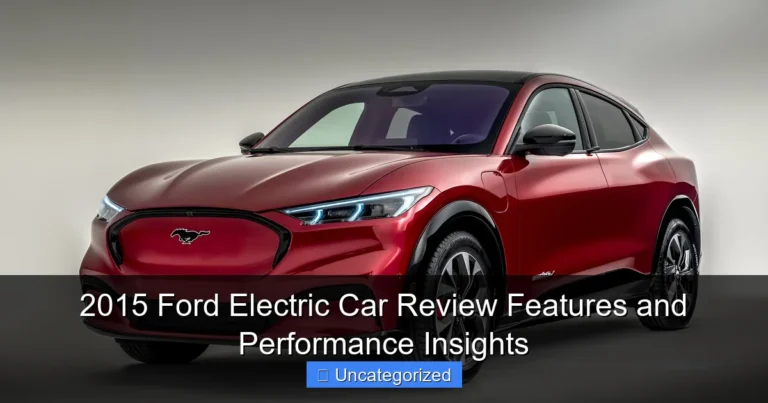
If you’re picturing a silent, soulless EV when you hear “electric Mustang,” think again. The Ford Mustang Mach-E is proof that performance and sustainability can coexist—and thrive. This isn’t just a Mustang with a battery; it’s a reimagined electric SUV that carries the Mustang spirit into the future. It’s sleek, sporty, and surprisingly spacious, making it perfect for city driving and weekend getaways alike.
Visual guide about what electric cars does ford have
Image source: blogger.googleusercontent.com
Design and Performance
The Mach-E comes in several trims, including the base Select, the mid-range Premium, and the high-performance GT. The GT version is where things get exciting: it rockets from 0 to 60 mph in around 3.5 seconds—faster than many gas-powered sports cars. Even the base model offers peppy acceleration thanks to its dual-motor all-wheel drive (AWD) or rear-wheel drive (RWD) options. The design? It’s unmistakably Mustang, with the iconic tri-bar taillights, aggressive front fascia, and a coupe-like roofline. But it’s also practical: with a hatchback, it offers more cargo space than a traditional sedan.
Range and Charging
Range anxiety? Not here. The Mach-E offers between 247 and 312 miles of range, depending on the configuration. The extended-range RWD model hits the sweet spot for most drivers. Charging is straightforward: you can get about 61 miles of range in just 10 minutes with a DC fast charger. At home, a Level 2 charger (240V) will fully charge the battery overnight. Tip: Use Ford’s FordPass Charging Network app to find nearby chargers and plan routes with charging stops built in. It’s a lifesaver on road trips.
Tech and Interior
Inside, the Mach-E feels modern and minimalist. The centerpiece is a 15.5-inch touchscreen with Ford’s SYNC 4A system, which supports wireless Apple CarPlay, Android Auto, and over-the-air updates. The interior materials are high-quality, and the front seats are supportive for long drives. One standout feature? The “frunk” (front trunk)—since there’s no engine, the space under the hood becomes a handy 4.8-cubic-foot storage area, perfect for groceries or charging cables.
The Heavy-Hitter: Ford F-150 Lightning
Let’s talk about the elephant in the room—or should we say, the F-150 Lightning. This isn’t just Ford’s first electric pickup; it’s a game-changer. For decades, the F-150 has been America’s best-selling vehicle. Now, Ford has electrified it, and the results are impressive. The Lightning isn’t just a truck that happens to be electric; it’s a full-fledged powerhouse with features that make it more than just a vehicle—it’s a mobile power station.
Power and Towing
The base Lightning (Standard Range) offers 452 horsepower, while the Extended Range version bumps that to 580 horsepower. Both come with AWD and can tow up to 10,000 pounds—enough for a boat, a camper, or a trailer full of gear. What’s wild is that it can do this while delivering instant torque and a near-silent ride. The Lightning also features a Pro Power Onboard system: with up to 9.6 kW of power, you can run tools, lights, or even a mini-fridge from the truck itself. Imagine powering your campsite or running a job site without a generator. That’s the kind of real-world utility Ford is aiming for.
Range and Practicality
The Standard Range model gets about 230 miles per charge, while the Extended Range reaches up to 320 miles. For most drivers, that’s more than enough for daily use and weekend adventures. The truck bed is the same size as the gas-powered F-150, so all your existing accessories (toolboxes, tonneau covers, etc.) will fit. And like the Mach-E, the Lightning has a massive 14.1-cubic-foot frunk—great for storing muddy boots, work tools, or even a small cooler.
Tech and Safety
The Lightning comes with Ford’s latest tech, including a 12-inch or 15.5-inch touchscreen (depending on trim), SYNC 4A, and a suite of driver-assist features like BlueCruise (Ford’s hands-free highway driving system). It also has a “Phone as a Key” feature, so you can lock, unlock, and start the truck with just your smartphone. Pro tip: If you’re using the Lightning as a mobile power source, keep an eye on the battery level. While it can power devices for hours, you don’t want to drain it completely and leave yourself stranded.
Affordable and Efficient: The Ford E-Transit
Not everyone needs a flashy SUV or a rugged pickup. For small business owners, delivery drivers, or anyone who uses a van for work, Ford has the E-Transit. This is Ford’s answer to the growing demand for commercial EVs, and it’s a smart, practical choice for anyone who relies on a van to get the job done.
Configurations and Use Cases
The E-Transit comes in three roof heights, three body lengths, and two wheelbases, so you can customize it to fit your needs. Whether you’re delivering packages, running a mobile workshop, or transporting people, there’s an E-Transit for you. It’s built on the same platform as the gas-powered Transit, so it’s familiar and easy to drive. But the electric powertrain brings big advantages: lower operating costs, quieter operation, and zero tailpipe emissions.
Range and Charging
The E-Transit offers up to 126 miles of range—not as high as passenger EVs, but more than enough for most delivery routes. Most drivers will be charging overnight at their depot or home, so the 115-mile range of the low-roof model is usually sufficient. Charging is simple: a Level 2 charger will get it from 15% to 100% in about 8 hours. Ford also offers a mobile charging station that can be installed at your business, making it easy to keep your fleet charged and ready.
Cost Savings and Incentives
One of the biggest selling points of the E-Transit is cost. With fewer moving parts, it requires less maintenance than a gas-powered van. Plus, you can save on fuel—electricity is cheaper than diesel or gasoline. And don’t forget: there are federal and state incentives for commercial EVs. In the U.S., the Commercial Clean Vehicle Credit can save you up to $7,500 per vehicle. That’s a big chunk of change, especially if you’re buying multiple vans.
Future Models and Upcoming Releases
Ford isn’t stopping with the Mach-E, Lightning, and E-Transit. They’re investing $50 billion in EVs through 2026, and the pipeline is full of exciting new models. If you’re wondering what electric cars Ford has planned for the future, here’s a sneak peek at what’s coming.
Ford Explorer EV (Expected 2025)
Ford is working on an all-electric version of the popular Explorer SUV. While details are still under wraps, we expect it to offer three rows of seating, competitive range (likely over 300 miles), and a price point that makes it accessible to families. It’s being built on Ford’s new GE2 platform, which promises improved efficiency and more interior space. Think of it as a roomier, more family-friendly version of the Mach-E.
Ford Puma EV (Global Model, U.S. Possible)
Ford already sells an electric Puma in Europe—a compact crossover with 235 miles of range and a starting price under $30,000. There’s strong speculation it could come to the U.S. as an affordable entry-level EV. If it does, it would be a great option for city dwellers, college students, or anyone looking for a small, efficient EV without breaking the bank.
Next-Gen Lightning and Mach-E Updates
Ford is also working on second-generation versions of the Lightning and Mach-E. These will likely feature improved range, faster charging, and new tech like bidirectional charging (where your car can power your home during outages). The Lightning might even get a “Platinum” trim with luxury features, while the Mach-E could see a “GT Performance” variant with track-ready handling.
Charging, Incentives, and Real-World Ownership
Buying an EV is more than just picking a car—it’s about understanding the whole ecosystem. Let’s talk about what it’s actually like to live with a Ford EV, from charging to incentives to daily use.
Charging at Home and on the Road
Most EV owners charge at home, and Ford makes it easy. You can install a Level 2 charger (240V) in your garage or driveway. Ford offers a Ford Connected Charge Station for around $700, and installation typically costs $500–$1,000 depending on your electrical setup. On the road, Ford’s BlueOval Charge Network gives you access to over 84,000 chargers across North America. Many are free for Ford EV owners during the first two years of ownership—a nice perk.
Federal and State Incentives
The U.S. federal tax credit for EVs is up to $7,500, but not all Ford models qualify. As of 2024, the F-150 Lightning and E-Transit are eligible, while the Mach-E is not (due to battery sourcing rules). However, state incentives can still apply. For example, California offers a $2,000 rebate for EVs, and Colorado has a $5,000 tax credit. Tip: Check your state’s energy or transportation department website to see what’s available in your area.
Maintenance and Longevity
EVs are simpler than gas cars, so maintenance is easier and cheaper. No oil changes, spark plugs, or exhaust systems to worry about. Just rotate tires, replace cabin air filters, and check the battery and brakes occasionally. Ford offers an 8-year/100,000-mile warranty on the battery and electric drive components, giving you peace of mind. Real-world reports suggest Ford EVs hold up well over time, with many owners hitting 100,000 miles without major issues.
Comparing Ford’s EVs: Which One Is Right for You?
So, which Ford EV should you choose? It depends on your lifestyle, budget, and needs. To help you decide, here’s a quick comparison of the current lineup.
| Model | Type | Starting Price | Range (Miles) | Key Features |
|---|---|---|---|---|
| Mustang Mach-E | SUV | $43,895 | 247–312 | Sporty design, GT performance, frunk, SYNC 4A |
| F-150 Lightning | Pickup | $54,995 | 230–320 | 10,000-lb towing, Pro Power Onboard, BlueCruise |
| E-Transit | Van | $49,995 | 108–126 | Commercial use, customizable, low operating costs |
For urban drivers and tech lovers, the Mach-E is a great choice. It’s stylish, fun to drive, and packed with features. If you need a workhorse or tow vehicle, the Lightning is unbeatable. And for business owners or delivery drivers, the E-Transit offers unmatched practicality. The key is to think about how you’ll use the car every day. Do you need space for a family? A truck bed for gear? Or a van for deliveries? Once you answer that, the choice becomes much clearer.
One last tip: take a test drive. Nothing beats experiencing an EV firsthand. Feel the instant acceleration, notice the quiet ride, and see how the tech works in real time. Ford dealerships often have EVs on the lot, and many offer extended test drives—some even let you borrow a car for a weekend. It’s the best way to see if a Ford EV fits your life.
So, what electric cars does Ford have? A lot more than you might think. From the sporty Mach-E to the rugged Lightning and the work-ready E-Transit, Ford has built a lineup that’s diverse, capable, and built for real people. They’re not perfect—some models have limited availability, and charging infrastructure still has room to grow—but they’re a solid step forward in the EV revolution. And with more models on the way, Ford is proving that the future of driving is electric, practical, and surprisingly fun.
Frequently Asked Questions
What electric cars does Ford currently offer?
Ford’s current electric vehicle lineup includes the Mustang Mach-E, an SUV-inspired crossover, the F-150 Lightning electric pickup truck, and the E-Transit commercial van. These models cover diverse needs, from family-friendly SUVs to work-ready cargo vans.
Is the Ford F-150 Lightning a fully electric truck?
Yes, the F-150 Lightning is Ford’s first all-electric pickup truck, offering up to 320 miles of range and advanced features like Pro Power Onboard for job sites. It retains the durability of the traditional F-150 while adding instant electric torque.
Does Ford have an electric SUV besides the Mustang Mach-E?
As of now, the Mustang Mach-E is Ford’s only fully electric SUV, though it comes in multiple trims, including sporty GT versions. Future models like the upcoming “Explorer EV” may expand the SUV lineup.
What electric cars does Ford have for commercial use?
The E-Transit is Ford’s electric solution for commercial fleets, offering 126 miles of range and reduced maintenance costs. It’s designed for cargo and passenger configurations, ideal for businesses transitioning to zero-emission vehicles.
Are there any affordable electric cars in Ford’s lineup?
The Mustang Mach-E offers a base Select trim starting under $45,000, making it one of Ford’s most accessible EVs. The E-Transit also provides cost-effective electrification for small businesses.
What electric cars does Ford plan to release in the future?
Ford has confirmed an Explorer EV and a smaller, more affordable electric SUV (code-named “Project T3”). These models aim to expand Ford’s EV reach globally by 2025.