What Electric Cars Does Ford Make Explore the Lineup
Featured image for what electric cars does ford make
Image source: publicdomainpictures.net
Ford offers a growing lineup of electric vehicles, led by the best-selling Mustang Mach-E, the innovative F-150 Lightning pickup, and the practical E-Transit van. These models combine performance, advanced tech, and sustainability, catering to diverse needs—from daily commutes to heavy-duty work. With bold designs and competitive ranges, Ford’s EVs prove the automaker is serious about an electric future.
Key Takeaways
- Ford offers 3 electric models: Mustang Mach-E, F-150 Lightning, and E-Transit van.
- Mustang Mach-E: SUV with up to 314 miles range, performance-focused variants available.
- F-150 Lightning: Electric pickup with 240–320 miles range and 10,000 lbs towing capacity.
- E-Transit: All-electric cargo van for businesses, 126-mile range, fast-charging capable.
- Expanding lineup: Ford plans more EVs by 2025, including next-gen pickups and SUVs.
📑 Table of Contents
- Ford’s Electric Revolution: More Than Just a Fancy Mustang
- Ford’s Electric Vision: From Idea to Reality
- The Mustang Mach-E: A Muscle Car Reimagined
- F-150 Lightning: The Electric Workhorse
- E-Transit: Electric for Business and Fleets
- Future Models and Upcoming Additions
- Choosing the Right Ford EV for You
Ford’s Electric Revolution: More Than Just a Fancy Mustang
Remember the days when electric cars were these futuristic, whisper-quiet machines that only tech enthusiasts or environmentalists cared about? Well, times have changed – and fast. Ford, the American automaker with a century-long legacy of building tough trucks and iconic muscle cars, has fully embraced the electric future. And they’re not dipping their toes in – they’re diving in headfirst.
What electric cars does Ford make? That’s the question on a lot of minds, especially as more people look to reduce their carbon footprint, save on gas, and enjoy the smooth, silent thrill of electric power. Ford’s lineup isn’t just about replacing gas engines with batteries. It’s about rethinking what a car can be. From rugged SUVs to high-performance icons, Ford’s electric vehicles (EVs) aim to blend practicality, power, and innovation. Whether you’re a city commuter, a weekend adventurer, or someone who just wants to cut fuel costs, Ford has something that might surprise you. And no, it’s not just the Mustang Mach-E.
Ford’s Electric Vision: From Idea to Reality
Ford didn’t just wake up one day and decide to go electric. Their journey started with a vision: to electrify the vehicles Americans already love while pushing the boundaries of what EVs can do. In 2019, Ford announced a massive $11.5 billion investment in electrification, signaling their commitment to a cleaner, smarter future. Since then, they’ve launched several EVs, expanded charging infrastructure, and even built new factories dedicated to battery and EV production.
Visual guide about what electric cars does ford make
Image source: ak.picdn.net
Why Ford Went All-In on Electric
Let’s face it – the world is shifting. Gas prices fluctuate, emissions regulations tighten, and climate awareness grows. Ford saw this shift coming. But they didn’t just react – they adapted with purpose. The company realized that to stay relevant, they needed to offer electric versions of their most popular models. After all, if people love the F-150, why not give them an electric one? If they adore the Mustang, why not make it silent and fast?
Ford’s strategy is simple: familiarity meets innovation. They’re not asking customers to trade in their beloved trucks and SUVs for something completely foreign. Instead, they’re offering electric versions that feel familiar but deliver the benefits of zero emissions, lower maintenance, and instant torque.
Ford’s EV Platform: Built for Flexibility
One of the smartest moves Ford made was developing the Global Electrification Platform, a modular EV architecture that can underpin everything from compact crossovers to full-size trucks. This platform allows Ford to scale production efficiently and keep costs down. It also means they can share components – like battery packs and motors – across different models, improving reliability and reducing complexity.
Think of it like building blocks. The same foundation can support a sporty SUV or a workhorse pickup, but each vehicle gets tailored suspension, battery size, and performance tuning. This flexibility is a big reason why Ford can offer such a diverse lineup so quickly.
Charging Ahead: Ford’s BlueOval Charge Network
Let’s be real – range anxiety is still a thing. Ford knows this. That’s why they didn’t just make EVs – they built a charging ecosystem. The BlueOval Charge Network gives Ford EV owners access to over 84,000 public charging stations across North America, including Level 2 and DC fast chargers. You can find them at shopping centers, hotels, and even workplaces.
Plus, Ford includes a Ford Mobile Charger with every EV, letting you plug into a standard 120-volt outlet (slow, but handy in a pinch) or a 240-volt outlet (like a dryer plug) for faster charging. For even quicker home charging, Ford partners with Qmerit to install Level 2 home chargers – often with rebates or incentives.
The Mustang Mach-E: A Muscle Car Reimagined
When Ford announced the Mustang Mach-E, purists gasped. A Mustang that doesn’t have a V8? A Mustang that’s an SUV? But once people drove it, opinions shifted. The Mach-E isn’t just a Mustang with a battery – it’s a bold new take on what a performance car can be.
Design: Mustang DNA, Modern Twist
The Mach-E looks like a Mustang from the front – long hood, aggressive grille (well, grille-like panel), and signature tri-bar taillights. But step back, and you’ll see a sleek, coupe-like SUV with a sloping roofline and hidden door handles. It’s sporty, yes, but also practical. The rear hatch opens to reveal a generous cargo area – perfect for groceries, camping gear, or even a weekend getaway.
Inside, it’s all modern luxury. A 15.5-inch vertical touchscreen dominates the dashboard, running Ford’s SYNC 4A system. It’s responsive, intuitive, and supports wireless Apple CarPlay and Android Auto. The digital gauge cluster is customizable, and the seats are supportive, even on long drives.
Performance: Fast, Smooth, and Surprisingly Fun
Here’s where the Mach-E shines. The base model with rear-wheel drive and a 70 kWh battery (Standard Range) delivers 266 horsepower and 317 lb-ft of torque – enough for 0-60 mph in around 6 seconds. That’s quick for a family SUV.
But the real fun starts with the Mach-E GT. With 480 horsepower and 634 lb-ft of torque (in GT Performance Edition), it hits 60 mph in just 3.5 seconds. That’s Tesla Model Y Performance territory – and it feels every bit as exhilarating. The dual-motor AWD system provides excellent traction, and the suspension keeps the body flat in corners.
One thing I love? The “Unbridled” driving mode. It adds artificial engine sounds (yes, really) and sharpens throttle response. It’s not for everyone, but it’s a fun nod to Mustang fans who miss the roar of a V8.
Range and Charging: Real-World Numbers
Range varies by trim and battery size. The Standard Range model gets about 247 miles (EPA), while the Extended Range (91 kWh battery) pushes to 314 miles. The GT models are a bit lower – around 270 miles – due to higher power demands.
On a DC fast charger, you can add up to 59 miles in 10 minutes (with a 150 kW charger). At home, a Level 2 charger (240V) can fully charge the Extended Range battery in about 8-10 hours – perfect for overnight.
Tip: Use FordPass app to pre-condition the battery before charging. It helps the battery accept a faster charge, especially in cold weather.
F-150 Lightning: The Electric Workhorse
If the Mach-E is Ford’s electric sports car, the F-150 Lightning is its electric workhorse – and it’s a game-changer. The F-150 has been America’s best-selling truck for over 40 years. Now, it’s gone electric – and it’s more capable than ever.
Built for Work, Ready for Play
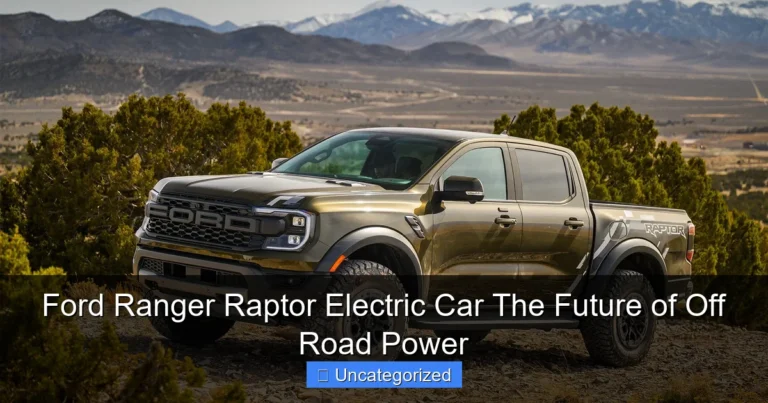
The Lightning looks like a regular F-150 – same boxy profile, same rugged stance – but with a few key differences. Up front, there’s a full-width LED light bar, a closed-off grille, and a front trunk (“frunk”) where the engine used to be. That frunk is massive – 14.1 cubic feet, with a drain plug, 110V outlets, and even a power inverter. Need to charge tools or run a mini-fridge at a job site? The Lightning’s got you covered.
Under the hood (well, where the hood was), there’s a dual-motor setup with standard AWD. The base model delivers 452 horsepower and 775 lb-ft of torque. The Extended Range model bumps that to 580 horsepower – and it’s the one to get if you want maximum range and towing.
Towing, Payload, and Power
Ford didn’t sacrifice utility for electrification. The Lightning can tow up to 10,000 pounds (with the Extended Range battery), and it has a payload capacity of 2,235 pounds. That’s on par with gas-powered F-150s.
But here’s the cool part: Pro Power Onboard. The Lightning has up to 9.6 kW of exportable power – enough to run an entire house during an outage (with the right setup). Imagine powering your lights, fridge, and even your coffee maker during a storm. It’s like having a portable generator built into your truck.
And yes, it’s fast. 0-60 mph in about 4.5 seconds (Extended Range). That’s quicker than many sports cars. But it’s not just about speed – it’s about capability. The Lightning handles rough terrain, heavy loads, and long hauls with ease.
Range and Charging: Built for the Long Haul
The Standard Range battery (131 kWh usable) offers 240 miles of range. The Extended Range (176 kWh) pushes to 320 miles – impressive for a full-size truck. Real-world range depends on load, speed, and weather, but most drivers report 250-280 miles with mixed driving.
Charging? The Lightning can add up to 54 miles in 10 minutes with a 150 kW DC fast charger. At home, a Level 2 charger can fully charge the Extended Range battery in about 10-12 hours.
Tip: Use the FordPass app to schedule charging during off-peak hours (cheaper electricity rates). You can also set a charge limit to preserve battery life over time.
E-Transit: Electric for Business and Fleets
Not all EVs are for personal use. Ford’s E-Transit is a full-size electric van designed for delivery services, tradespeople, and businesses. It’s part of Ford’s plan to electrify commercial vehicles – and it’s already making waves.
Built for Business: Practical and Efficient
The E-Transit looks like a regular Transit van – same boxy shape, same cargo space – but with a few key upgrades. It has a 68 kWh battery, rear-wheel drive, and a single electric motor producing 266 horsepower and 317 lb-ft of torque. That’s enough to carry heavy loads without breaking a sweat.
Cargo capacity is unchanged: up to 487.3 cubic feet (depending on roof height and wheelbase). The van comes in three lengths, three roof heights, and multiple configurations – cargo van, cutaway, and chassis cab. There’s even a passenger version.
Range and Charging: Designed for the Workday
The E-Transit gets about 126 miles of range (EPA), which might sound low – but for delivery routes, it’s often enough. Most delivery vans run 60-80 miles per day, so the E-Transit can easily cover that and return to base for charging.
It supports DC fast charging (up to 115 kW), adding up to 45 miles in 10 minutes. At a Level 2 charger (240V), it takes about 8 hours for a full charge – perfect for overnight.
Tip: Ford offers Ford Pro, a suite of software and services for fleet managers. It includes telematics, charging management, and maintenance tracking – all to help businesses go electric with confidence.
Cost of Ownership: Lower Than You Think
Electric vans save money in the long run. No oil changes, fewer moving parts, and lower fuel costs. Ford estimates E-Transit owners can save up to $7,000 in fuel and maintenance over 100,000 miles compared to gas models.
Plus, many states offer incentives for commercial EV purchases – sometimes covering up to 50% of the cost. Check local programs before buying.
Future Models and Upcoming Additions
Ford isn’t stopping with the Mach-E, Lightning, and E-Transit. They have more EVs in the pipeline – and they’re coming fast.
The Next-Gen EVs: What’s Coming
Ford has teased several upcoming models, including:
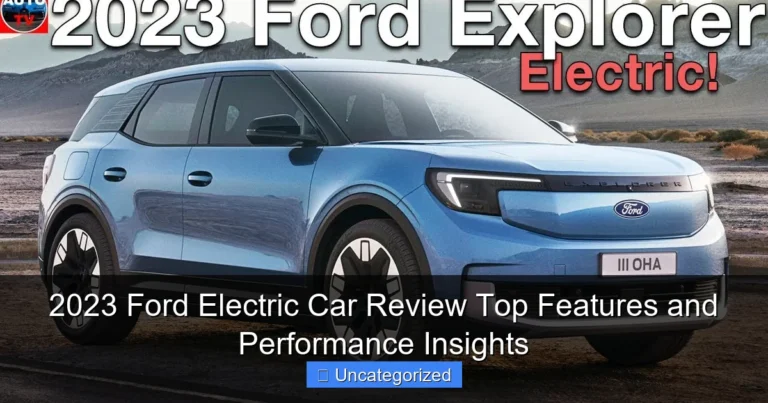
- Electric Explorer – A smaller, more affordable SUV based on the European Explorer. Expected in 2025, it will target families and urban drivers.
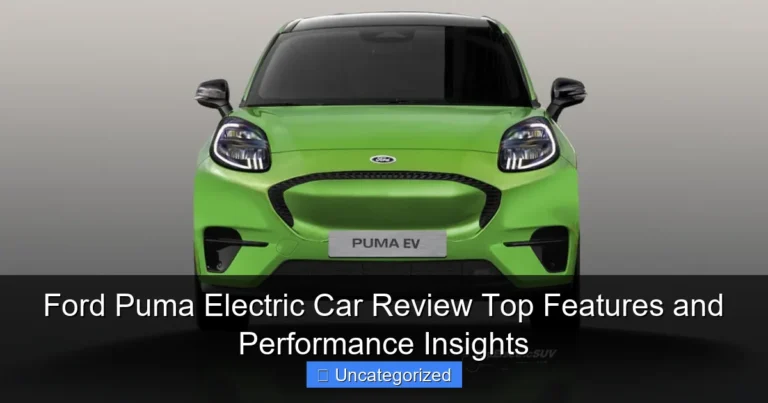
- Electric Puma – A compact crossover, also from Europe. It could be a budget-friendly entry point for new EV buyers.
- Next-Gen F-Series EV – Ford is already planning a successor to the Lightning, with even more range, power, and tech. Think solid-state batteries and advanced driver assistance.
Ford is also investing in BlueOval City, a massive EV and battery plant in Tennessee. It will produce next-gen EVs and batteries, creating 6,000 jobs and boosting domestic production.
Solid-State Batteries and Beyond
One of the biggest challenges with EVs is battery tech. Ford is partnering with companies like SK On and Solid Power to develop solid-state batteries – which promise higher energy density, faster charging, and longer lifespan. These could debut in Ford EVs by 2026-2027, potentially pushing ranges beyond 500 miles.
They’re also working on vehicle-to-grid (V2G) tech, letting EVs feed power back into the grid during peak demand. Imagine your Lightning helping stabilize the power grid – and earning you money in the process.
Choosing the Right Ford EV for You
So, what electric cars does Ford make – and which one is right for you? It depends on your needs.
For the Performance Enthusiast
Go with the Mustang Mach-E GT. It’s fast, fun, and stylish. Great for daily driving and weekend thrills. If you want a sporty SUV that turns heads, this is it.
For the Family or Adventurer
The F-150 Lightning (Extended Range) is a no-brainer. It’s spacious, capable, and packed with tech. Whether you’re towing a boat, powering a campsite, or just commuting, it handles it all.
For the Business Owner
The E-Transit is perfect for deliveries, trades, or mobile services. It’s efficient, reliable, and saves money over time. Plus, the Ford Pro ecosystem makes fleet management easy.
For the City Driver or Budget Shopper
Keep an eye on the upcoming Electric Puma and Electric Explorer. They’ll likely offer lower prices and smaller footprints – ideal for urban living.
Data Table: Ford’s Current EV Lineup (2024)
| Model | Starting Price | Range (EPA) | 0-60 mph | Key Feature |
|---|---|---|---|---|
| Mustang Mach-E (Standard Range) | $42,995 | 247 miles | ~6.0 sec | 15.5″ touchscreen, SYNC 4A |
| Mustang Mach-E GT | $59,995 | 270 miles | 3.5 sec | 480 hp, Performance Edition |
| F-150 Lightning (Standard Range) | $49,995 | 240 miles | ~4.5 sec | 9.6 kW Pro Power Onboard |
| F-150 Lightning (Extended Range) | $69,995 | 320 miles | ~4.0 sec | 580 hp, 10,000 lb towing |
| E-Transit (Cargo Van) | $51,000 | 126 miles | ~6.5 sec | 487 cu ft cargo, Ford Pro |
Note: Prices before incentives. Range and performance may vary with conditions.
Ford’s electric lineup isn’t just about cars – it’s about a new way of moving. They’re proving that EVs can be tough, practical, and fun – not just eco-friendly. Whether you’re a gearhead, a family, or a business owner, there’s a Ford EV that fits your life. And with more models coming, the future looks bright (and silent). So, what electric cars does Ford make? The answer is: the ones you’ll actually want to drive.
Frequently Asked Questions
What electric cars does Ford currently offer?
Ford currently offers three main electric vehicles: the Mustang Mach-E (SUV), the F-150 Lightning (pickup truck), and the E-Transit (cargo van). These models showcase Ford’s commitment to electrifying its most popular vehicle segments.
Is the Ford Mustang Mach-E a full electric car?
Yes, the Mustang Mach-E is a fully electric SUV with a range of up to 314 miles on a single charge, depending on the configuration. It combines iconic Mustang styling with modern EV performance and tech features.
What electric cars does Ford make for commercial use?
Ford’s E-Transit is the brand’s electric solution for commercial fleets, offering a 126-mile range and 68 MPGe efficiency. It’s designed for businesses seeking a reliable, zero-emission cargo van with smart connectivity.
Does Ford have an electric pickup truck?
Yes, the F-150 Lightning is Ford’s all-electric pickup, delivering up to 320 miles of range and 580 horsepower. It retains the rugged capability of the F-150 while adding EV-specific features like Pro Power Onboard.
What electric SUVs does Ford make?
Ford’s only electric SUV is the Mustang Mach-E, available in standard, extended-range, and high-performance GT trims. It offers seating for five, advanced driver aids, and fast-charging capability.
Are there any affordable electric cars in Ford’s lineup?
The Mustang Mach-E and E-Transit start at competitive price points, with federal tax credits potentially reducing costs further. While not budget-focused, Ford plans to expand its affordable EV offerings in the coming years.