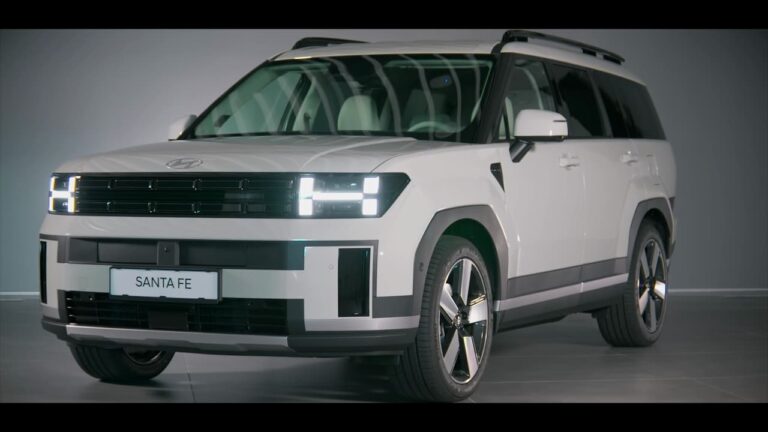
What Electric Cars Does Hyundai Make

Featured image for what electric cars does hyundai make
Image source: i.ytimg.com
Hyundai offers a diverse lineup of electric vehicles (EVs), including the popular IONIQ 5, IONIQ 6, and Kona Electric, combining cutting-edge technology with bold design. These models feature impressive ranges, ultra-fast charging, and advanced safety tech, catering to eco-conscious drivers seeking performance and practicality. With competitive pricing and a growing EV portfolio, Hyundai is a key player in the electric mobility revolution.
Key Takeaways
- Hyundai offers 5 EVs: Kona Electric, Ioniq 5, Ioniq 6, Ioniq 7, and NEXO.
- Range varies widely: From 180 miles (NEXO) to 361 miles (Ioniq 6).
- Charging speeds excel: Ioniq 5/6 support 350 kW DC fast charging.
- Affordable options available: Kona Electric starts under $35,000.
- SUVs dominate lineup: Ioniq 5 and 7 cater to growing SUV demand.
- Cutting-edge tech included: All EVs feature Hyundai’s latest infotainment and safety.
📑 Table of Contents
- Introduction to Hyundai’s Electric Vehicle Lineup
- 1. Hyundai Kona Electric: The Compact Urban Commuter
- 2. Hyundai Ioniq 5: The Retro-Futuristic Crossover
- 3. Hyundai Ioniq 6: The Sleek Electric Sedan
- 4. Hyundai Ioniq 7 (Upcoming): The 3-Row Electric SUV
- 5. Genesis Electric Models: Premium EVs from Hyundai’s Luxury Arm
- Comparative Data Table: Hyundai & Genesis Electric Models
- Conclusion: Hyundai’s Electric Future is Here
Introduction to Hyundai’s Electric Vehicle Lineup
Hyundai has emerged as a global leader in the electric vehicle (EV) revolution, combining cutting-edge technology, sleek design, and practical affordability. As governments worldwide push for stricter emissions regulations and consumers seek sustainable transportation, Hyundai has responded with a diverse lineup of electric cars that cater to a wide range of needs. From compact city commuters to luxurious long-range SUVs, the South Korean automaker is redefining what it means to drive electric. With a commitment to electrification by 2045, Hyundai is not just keeping up with the times—it’s setting the pace.
But what electric cars does Hyundai make? The answer is more expansive than you might expect. Hyundai’s EV portfolio includes models under its core Hyundai brand and its premium Genesis sub-brand, offering everything from affordable entry-level options to high-performance luxury vehicles. Whether you’re looking for a practical daily driver, a family-friendly SUV, or a futuristic design statement, Hyundai has an electric car to match. In this guide, we’ll explore the full range of Hyundai’s electric vehicles, their key features, performance metrics, and real-world usability, helping you make an informed decision for your next EV purchase.
1. Hyundai Kona Electric: The Compact Urban Commuter
The Hyundai Kona Electric is the brand’s entry-level EV and a standout in the subcompact SUV segment. First launched in 2018, the Kona Electric has undergone significant updates, including a 2023 redesign that improved aerodynamics, interior space, and range. It’s ideal for city dwellers, eco-conscious families, or anyone seeking an affordable electric SUV with solid performance.
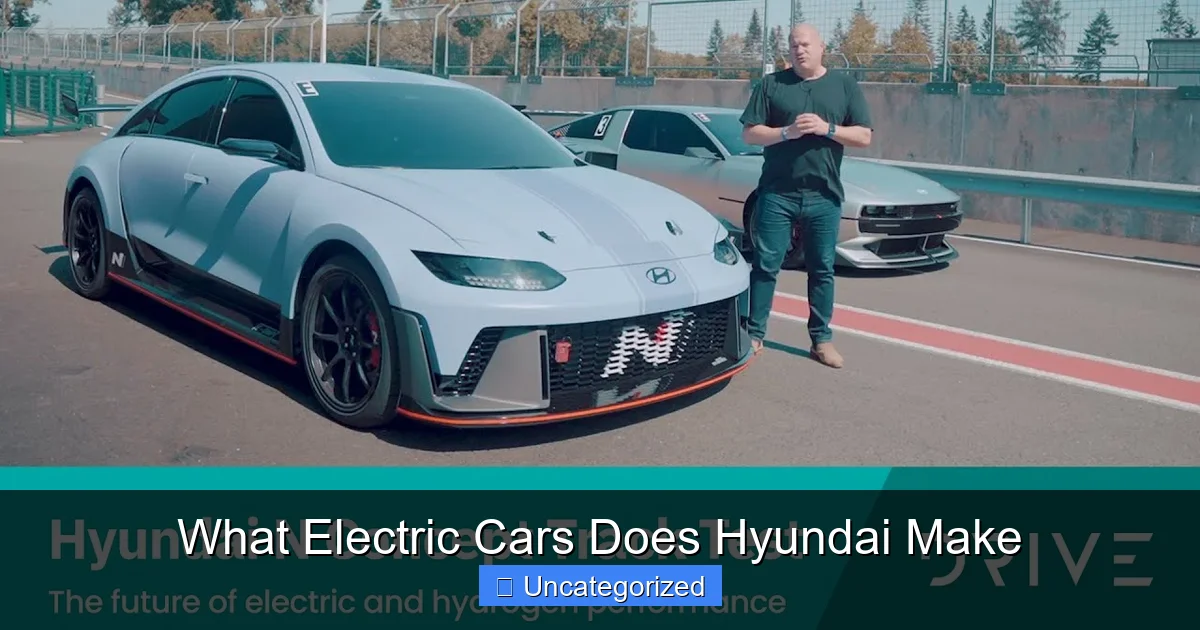
Visual guide about what electric cars does hyundai make
Image source: i.ytimg.com
Design and Interior Features
The Kona Electric features a futuristic design with a closed-off grille, aerodynamic LED lighting, and a spacious interior that belies its compact size. The 2023 model introduced a longer wheelbase, increasing rear legroom and cargo space. Key interior highlights include:
- 12.3-inch digital instrument cluster and a 12.3-inch touchscreen infotainment system with wireless Apple CarPlay and Android Auto.
- Heated and ventilated front seats (available in higher trims).
- Recycled materials used in seat upholstery and dashboard components.
- Available ambient lighting with 64 color options.
Performance and Range
The Kona Electric comes in two battery configurations:
- Standard Range: 48.6 kWh battery, 133 horsepower, up to 200 miles of EPA-estimated range.
- Long Range: 64.8 kWh battery, 201 horsepower, up to 261 miles of range.
Both versions use a single permanent-magnet motor driving the front wheels. The long-range model can accelerate from 0 to 60 mph in about 6.4 seconds, making it surprisingly zippy for a small SUV. Regenerative braking with paddle shifters allows one-pedal driving, enhancing efficiency and driving comfort.
Charging and Practical Tips
- Level 2 charging (240V): Adds ~25 miles of range per hour. A full charge takes about 9.5 hours with the long-range model.
- DC Fast Charging (10%-80%): Takes approximately 47 minutes using a 100kW charger.
- Tip: Use Hyundai’s Blue Link app to pre-condition the battery before charging, which improves charging speed in cold weather.
The Kona Electric also qualifies for federal tax credits in the U.S. (up to $7,500, depending on battery sourcing), making it one of the most affordable EVs in its class.
2. Hyundai Ioniq 5: The Retro-Futuristic Crossover
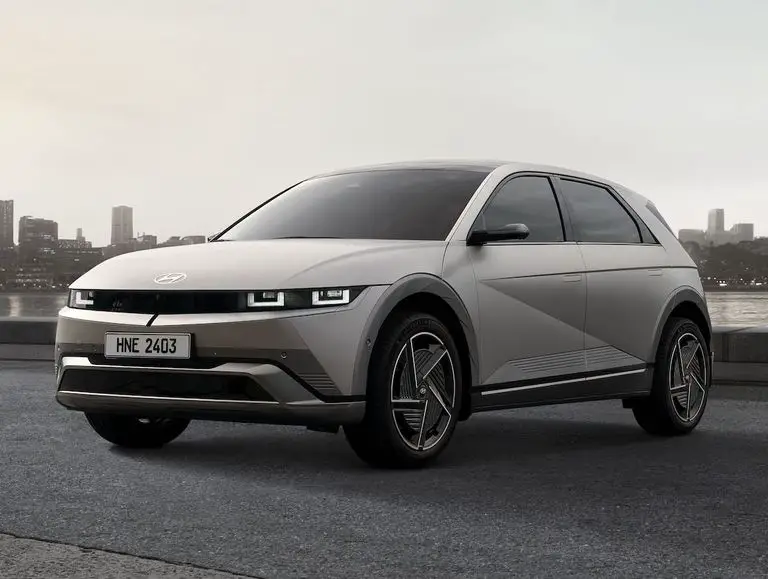
The Hyundai Ioniq 5 is a game-changer in the EV market, combining 1980s-inspired design with next-generation technology. Built on Hyundai’s dedicated Electric-Global Modular Platform (E-GMP), the Ioniq 5 delivers exceptional performance, ultra-fast charging, and a flexible interior. It’s a favorite among tech enthusiasts and design lovers alike.
Design and Modular Interior
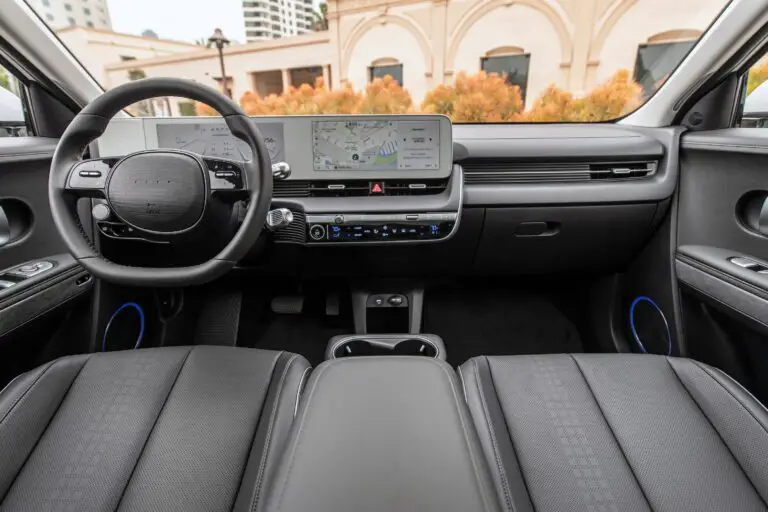
The Ioniq 5’s “parametric pixel” design language is instantly recognizable, with sharp creases, pixel-style LED lighting, and a cab-forward silhouette. Inside, the cabin is a masterclass in minimalist luxury:
- Sliding center console that moves forward or backward by 5.5 inches, creating a “living space” feel.
- Flat floor and reclining front seats with leg extenders.
- Dual 12.3-inch screens (digital cluster and infotainment) with over-the-air (OTA) updates.
- Available solar roof option that adds ~1,000 miles of range per year.
Performance and Battery Options
The Ioniq 5 is available in multiple configurations:
- Rear-Wheel Drive (RWD): 58 kWh or 77.4 kWh battery, 168 or 225 horsepower, up to 220 miles (58 kWh) or 303 miles (77.4 kWh).
- All-Wheel Drive (AWD): Dual motors, 320 horsepower (standard) or 320 hp (Performance trim), 0-60 mph in 5.0 seconds. Range: up to 256 miles (77.4 kWh).
The E-GMP platform enables 800V ultra-fast charging, allowing the Ioniq 5 to charge from 10% to 80% in just 18 minutes using a 350kW DC fast charger. This is one of the fastest charging speeds in the industry.
Unique Features and Real-World Use
- Vehicle-to-Load (V2L): The Ioniq 5 can power external devices (e.g., laptops, camping gear) via a 120V outlet, making it perfect for road trips or outdoor adventures.
- Smart Cruise Control with Machine Learning: Adapts to your driving style over time.
- Tip: Use the “I-Pedal” mode for one-pedal driving, which maximizes regenerative braking and reduces brake wear.
With its blend of style, tech, and practicality, the Ioniq 5 is a top contender in the midsize EV crossover segment.
3. Hyundai Ioniq 6: The Sleek Electric Sedan
The Hyundai Ioniq 6 is the brand’s answer to the Tesla Model 3 and Polestar 2. Launched in 2022, this sleek, aerodynamic sedan combines luxury, efficiency, and performance. With a drag coefficient of just 0.21, the Ioniq 6 is one of the most aerodynamic production cars ever made.
Aerodynamic Design and Interior Luxury
The Ioniq 6’s teardrop shape and active air flaps reduce drag and improve range. Interior highlights include:
- Curved dual 12.3-inch displays with ambient lighting that syncs with music.
- Recycled fishing nets used in floor mats and seat fabrics.
- Available Nappa leather and ventilated seats.
- Rear seats with reclining function and leg extenders.
Performance and Range
The Ioniq 6 offers three configurations:
- RWD (Standard): 53 kWh battery, 149 horsepower, up to 240 miles range.
- RWD (Long Range): 77.4 kWh battery, 225 horsepower, up to 361 miles range (best in class).
- AWD (Performance): Dual motors, 320 horsepower, 0-60 mph in 5.0 seconds, up to 316 miles range.
Like the Ioniq 5, the Ioniq 6 supports 800V charging, enabling a 10%-80% charge in 18 minutes. It also features V2L capability and OTA updates.
Tech and Safety Features
- Highway Driving Assist 2 (HDA2): Combines adaptive cruise control and lane-centering for semi-autonomous highway driving.
- Remote Smart Parking Assist: Lets you park or exit the car using your smartphone.
- Tip: Enable “Eco+” mode to maximize range by limiting HVAC usage and adjusting throttle response.
The Ioniq 6 is ideal for drivers who want a luxurious, efficient sedan with cutting-edge tech and head-turning design.
4. Hyundai Ioniq 7 (Upcoming): The 3-Row Electric SUV
Set to launch in 2024, the Hyundai Ioniq 7 is the brand’s first three-row electric SUV, based on the E-GMP platform. Designed for large families and road-trippers, it promises to combine spaciousness with Hyundai’s signature EV innovation.
Expected Features and Design
Based on the 2021 SEVEN Concept, the Ioniq 7 will feature:
- Retractable steering wheel and swiveling second-row seats for “lounge mode.”
- Panoramic sunroof and ambient lighting with mood-based settings.
- Advanced air filtration system with UV-C sanitization.
- Up to seven seats with reclining and sliding functionality.
Performance and Range (Estimated)
- Dual-motor AWD system with ~300 horsepower.
- 77.4 kWh or larger battery, targeting 300+ miles of range.
- 800V charging with 10%-80% in 20 minutes.
- V2L and V2G (vehicle-to-grid) capability.
Target Market and Practical Considerations
- Ideal for family road trips with ample cargo space (up to 86 cu ft with seats folded).
- Expected to include a rear-seat entertainment system with HDMI input and streaming apps.
- Tip: Pre-order through Hyundai’s website to access exclusive launch incentives and color options.
The Ioniq 7 will compete with the Tesla Model X and Rivian R1S, offering a compelling blend of space, tech, and efficiency.
5. Genesis Electric Models: Premium EVs from Hyundai’s Luxury Arm
Hyundai’s luxury sub-brand, Genesis, is also going all-electric. With a focus on refinement, craftsmanship, and performance, Genesis EVs are designed to compete with the likes of BMW and Mercedes-Benz. All Genesis models are now available as EVs or will transition to full electrification by 2025.
Genesis GV60: The Luxury Crossover
The Genesis GV60 shares the E-GMP platform with the Ioniq 5 but adds premium touches:
- Rotating crystal sphere gear selector and 17-speaker Bang & Olufsen audio.
- Available “Boost” mode (0-60 mph in 4.0 seconds).
- Range: Up to 248 miles (AWD Performance trim).
Genesis Electrified G80: The Luxury Sedan
The Electrified G80 is a full-size luxury sedan with:
- 365 horsepower, 0-60 mph in 4.9 seconds.
- Range: 282 miles.
- Features: Active Noise Control, Nappa leather, and rear-seat massage.
Genesis Electrified GV70: The Performance SUV
The Electrified GV70 combines SUV practicality with sporty performance:
- Dual motors, 483 horsepower (with Boost mode).
- Range: 236 miles.
- Features: Terrain Mode, adaptive suspension, and rear-wheel steering.
Genesis EVs include a 10-year/100,000-mile warranty and free charging credits at Electrify America stations.
Comparative Data Table: Hyundai & Genesis Electric Models
| Model | Starting Price (USD) | Battery Size (kWh) | Range (EPA) | 0-60 mph (sec) | Charging (10%-80%) |
|---|---|---|---|---|---|
| Kona Electric (Long Range) | $38,550 | 64.8 | 261 miles | 6.4 | 47 min (100kW) |
| Ioniq 5 (RWD Long Range) | $45,500 | 77.4 | 303 miles | 7.4 | 18 min (350kW) |
| Ioniq 6 (RWD Long Range) | $47,700 | 77.4 | 361 miles | 6.2 | 18 min (350kW) |
| Genesis GV60 (Performance) | $60,410 | 77.4 | 248 miles | 4.0 | 18 min (350kW) |
| Electrified G80 | $80,920 | 87.2 | 282 miles | 4.9 | 22 min (350kW) |
| Electrified GV70 | $67,820 | 77.4 | 236 miles | 4.2 | 18 min (350kW) |
Conclusion: Hyundai’s Electric Future is Here
Hyundai’s electric vehicle lineup is one of the most diverse and innovative in the industry. From the affordable and practical Kona Electric to the ultra-luxurious Genesis Electrified G80, there’s a Hyundai EV for every driver and lifestyle. The brand’s focus on dedicated EV platforms (like E-GMP), ultra-fast charging, and sustainable materials sets it apart from competitors relying on retrofitted gas vehicles.
Whether you prioritize range, performance, space, or luxury, Hyundai delivers. The upcoming Ioniq 7 and continued expansion of the Genesis EV lineup suggest that Hyundai isn’t slowing down. As charging infrastructure improves and battery technology advances, Hyundai’s electric cars will only become more compelling. If you’re considering an EV, now is the perfect time to explore what Hyundai has to offer—because the future of driving is electric, and Hyundai is leading the charge.
Frequently Asked Questions
What electric cars does Hyundai currently offer?
Hyundai currently offers several popular electric vehicles, including the Kona Electric, Ioniq 5, Ioniq 6, and the Ioniq 7 (upcoming). These models cater to diverse needs, from compact SUVs to sleek sedans and spacious family vehicles.
Is the Hyundai Ioniq 5 a fully electric car?
Yes, the Hyundai Ioniq 5 is a fully electric SUV built on Hyundai’s dedicated E-GMP platform. It delivers impressive range, ultra-fast charging, and a futuristic design, making it one of Hyundai’s flagship EVs.
What electric cars does Hyundai make for long-range driving?
The Hyundai Ioniq 6 leads in long-range capability, offering up to 361 miles (EPA-estimated) on a single charge. The Ioniq 5 and Kona Electric also provide competitive ranges of up to 303 and 258 miles, respectively.
Does Hyundai have an electric SUV in its lineup?
Yes, Hyundai offers multiple electric SUVs, including the Kona Electric (compact) and the Ioniq 5 (midsize). An even larger Ioniq 7 SUV is expected to join the lineup soon, expanding their SUV-focused EV options.
Are Hyundai electric cars eligible for tax credits?
Many Hyundai electric cars, such as the Ioniq 5 and Ioniq 6, may qualify for federal or state EV tax credits, depending on current regulations. Check local incentives and eligibility criteria to confirm savings opportunities.
What electric cars does Hyundai plan to release in the future?
Hyundai plans to expand its EV lineup with models like the Ioniq 7, a three-row electric SUV, and other vehicles under its “Ioniq” sub-brand. The company aims for 11 new EVs by 2030 as part of its electrification strategy.