What Electric Cars Does Nissan Make in 2024

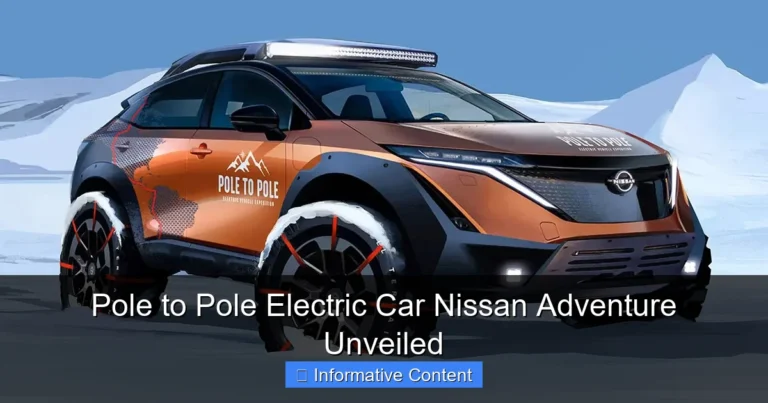
Featured image for what electric cars does nissan make
Image source: shunauto.com
Nissan offers two standout electric vehicles in 2024: the versatile Ariya SUV and the pioneering Leaf hatchback. The Ariya impresses with up to 304 miles of range, advanced tech, and all-wheel-drive options, while the Leaf remains a budget-friendly choice with proven reliability and up to 212 miles on the Leaf Plus. Together, they solidify Nissan’s commitment to accessible, innovative electric mobility.
Key Takeaways
- Nissan offers the Leaf and Ariya as its primary electric vehicles in 2024.
- Leaf is ideal for city driving with a proven, affordable EV platform.
- Ariya delivers longer range and luxury for those seeking advanced EV performance.
- Both models support fast charging, reducing downtime on long trips.
- Nissan focuses on e-POWER hybrids as a bridge to full electrification.
- No new EV launches in 2024, but existing models receive tech updates.
📑 Table of Contents
- What Electric Cars Does Nissan Make in 2024
- The Evolution of Nissan’s Electric Vehicle Strategy
- Current Nissan Electric Car Models in 2024
- Performance, Range, and Charging: What to Expect
- Technology, Safety, and Interior Features
- Ownership Experience: Costs, Incentives, and Maintenance
- Final Thoughts: Is a Nissan EV Right for You?
What Electric Cars Does Nissan Make in 2024
If you’ve been keeping an eye on the electric vehicle (EV) market lately, you’ve probably noticed a quiet but steady shift happening—one that’s not dominated by flashy startups or Silicon Valley hype, but by a legacy automaker with decades of experience: Nissan. Yes, the same company that brought us the Altima and the Z sports car is now making serious waves in the EV world. And if you’re wondering, “What electric cars does Nissan make?”—you’re not alone. It’s a question more and more drivers are asking as gas prices fluctuate and environmental concerns grow.
I remember the first time I saw a Nissan LEAF gliding silently through my neighborhood. It wasn’t loud or aggressive like some EVs, but it had a certain calm confidence. That moment stuck with me. Fast forward to 2024, and Nissan’s electric lineup has evolved far beyond that original LEAF. They’ve refined their technology, expanded their offerings, and are now positioning themselves as a serious contender in the affordable EV space. Whether you’re a first-time EV buyer or looking to upgrade from an older model, Nissan has something worth considering.
In this guide, we’ll take a deep dive into what electric cars Nissan makes in 2024. We’ll explore their current models, break down key features, compare performance and pricing, and even share some real-world tips from owners. No fluff, no sales pitch—just honest, practical info to help you decide if a Nissan EV fits your lifestyle.
The Evolution of Nissan’s Electric Vehicle Strategy
Nissan didn’t just wake up one day and decide to go electric. Their journey into EVs began over a decade ago with the launch of the Nissan LEAF in 2010—one of the world’s first mass-market electric cars. At the time, it was revolutionary. It proved that EVs could be practical, affordable, and accessible to everyday drivers. But like any pioneer, the early LEAF had its limitations: limited range, slow charging, and outdated tech by today’s standards.

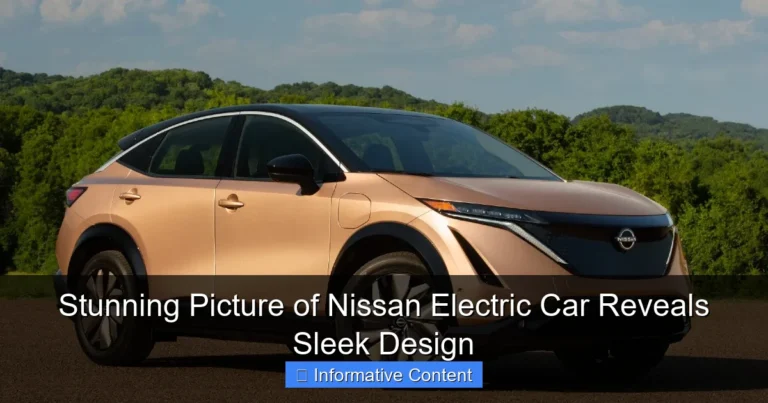
Visual guide about what electric cars does nissan make
Image source: automaistv.com.br
Over the years, Nissan listened to feedback, invested in battery technology, and gradually improved their offerings. By 2024, they’ve moved from being an early adopter to a refined player in the EV space. Their strategy now focuses on three key pillars: affordability, reliability, and real-world usability. They’re not trying to compete with Tesla’s supercharger network or Lucid’s luxury interiors. Instead, Nissan is targeting the everyday driver who wants a dependable, efficient, and budget-friendly electric car.
From LEAF to the Future: A Timeline of Innovation
Let’s take a quick look at how Nissan’s EV lineup has evolved:
- 2010: Launch of the Nissan LEAF—first mass-market EV with over 500,000 units sold globally.
- 2016: Introduction of the LEAF Plus with a 62 kWh battery, boosting range to over 226 miles.
- 2019: e-Pedal technology becomes standard, allowing one-pedal driving for smoother stops and starts.
- 2022: Nissan announces the Ariya, their first all-electric crossover SUV.
- 2023–2024: LEAF receives a major refresh with updated styling, improved infotainment, and better safety features. Ariya launches in multiple trims with up to 304 miles of range.
What’s clear is that Nissan isn’t resting on its laurels. They’re continuously improving their vehicles based on real-world use. For example, early LEAF owners complained about battery degradation in hot climates. In response, Nissan introduced better thermal management systems in newer models. That kind of responsiveness builds trust—and it’s one reason why many drivers still swear by their LEAFs after years of use.
Why Nissan Stands Out in the EV Market
So, what makes Nissan different from other automakers going electric? For starters, they have a proven track record. Over 600,000 LEAFs have been sold worldwide, making it one of the best-selling EVs of all time. That kind of volume means they’ve worked out a lot of the kinks that newer EV makers are still figuring out.
Another advantage? Nissan’s focus on practicality. Their EVs are designed for real life—commuting, school runs, weekend trips—not just for tech enthusiasts or luxury seekers. The interiors are user-friendly, the controls are intuitive, and the ride is smooth and quiet. Plus, Nissan offers strong warranties, including an 8-year/100,000-mile battery warranty, which gives buyers peace of mind.
And let’s not forget affordability. While Tesla and Ford are pushing into the $50,000+ range for their base models, Nissan keeps its EVs accessible. The 2024 LEAF starts under $30,000, and the Ariya begins around $45,000—competitive prices for what you get.
Current Nissan Electric Car Models in 2024
As of 2024, Nissan offers two primary electric vehicles: the Nissan LEAF and the Nissan Ariya. Each serves a different type of driver, but both share Nissan’s commitment to efficiency, safety, and everyday usability. Let’s break them down.
The Nissan LEAF: The Pioneer, Refined
The Nissan LEAF remains the heart of Nissan’s EV lineup. It’s not the flashiest car on the road, but it’s one of the most reliable and affordable EVs available. The 2024 model comes in two main versions: the LEAF SV and the LEAF SL.
The LEAF SV features a 40 kWh battery with an EPA-estimated range of 149 miles. It’s perfect for city driving, short commutes, or as a second car. The LEAF SL, on the other hand, comes with a 62 kWh battery and offers up to 215 miles of range—enough for most daily needs and even some longer trips with planning.
Both versions come standard with Nissan’s e-Pedal, which lets you accelerate and brake using just the accelerator pedal. It takes a little getting used to, but many drivers love it for stop-and-go traffic. Other standard features include automatic emergency braking, blind-spot warning, and an 8-inch touchscreen with Apple CarPlay and Android Auto.
One thing to note: the LEAF doesn’t support ultra-fast charging like some newer EVs. It maxes out at 50 kW on DC fast chargers, which means a 20–80% charge takes about 45 minutes. That’s fine for occasional use, but if you plan to road-trip frequently, you might want to consider the Ariya instead.
The Nissan Ariya: A Bold Step Forward
If the LEAF is the dependable workhorse, the Ariya is Nissan’s sleek, modern answer to the growing demand for electric SUVs. Launched in late 2022 and widely available in 2024, the Ariya blends style, space, and technology in a way that feels fresh and forward-thinking.
The Ariya comes in several trims: Engage, Venture+, Evolve+, and Platinum+. Battery options include a 63 kWh (front-wheel drive) and an 87 kWh (available in both FWD and all-wheel drive). Range varies from 216 miles on the base model to an impressive 304 miles on the top-tier AWD version.
Inside, the Ariya feels premium. Dual 12.3-inch displays dominate the dashboard—one for the instrument cluster and one for infotainment. The cabin is quiet, thanks to acoustic glass and active noise cancellation. There’s plenty of legroom and cargo space, making it a great choice for families or road-trippers.
The Ariya also supports faster charging—up to 130 kW on compatible DC fast chargers. That means you can add about 100 miles of range in just 20 minutes. It’s not Tesla-level speed, but it’s more than enough for most drivers.
One standout feature? The available ProPILOT Assist 2.0, which offers hands-free driving on highways under certain conditions. It’s not full autonomy, but it’s a big step toward safer, less stressful driving.
Comparing the LEAF and Ariya: Which Is Right for You?
So, how do you choose between the LEAF and the Ariya? It really comes down to your needs.
If you’re looking for an affordable, no-frills EV for daily commuting and city driving, the LEAF is hard to beat. It’s simple, reliable, and easy to maintain. Plus, it’s eligible for federal and state EV incentives, which can bring the price down even further.
But if you want more space, longer range, and a more modern design, the Ariya is the better choice. It’s ideal for families, frequent travelers, or anyone who wants a more premium feel without paying luxury prices.
Here’s a quick comparison:
| Feature | Nissan LEAF (2024) | Nissan Ariya (2024) |
|---|---|---|
| Starting Price | $28,040 | $43,190 |
| Battery Options | 40 kWh, 62 kWh | 63 kWh, 87 kWh |
| Max Range | 215 miles | 304 miles |
| Charging Speed (DC Fast) | Up to 50 kW | Up to 130 kW |
| Seating | 5 passengers | 5 passengers |
| Cargo Space | 23.6 cu ft | 22.3–59.7 cu ft (with seats folded) |
| Key Tech | e-Pedal, 8-inch display | Dual 12.3-inch displays, ProPILOT Assist 2.0 |
As you can see, the Ariya offers more in almost every category—but at a higher price. The LEAF wins on affordability and simplicity.
Performance, Range, and Charging: What to Expect
When it comes to electric cars, performance isn’t just about speed—it’s about how the car feels to drive, how far it can go, and how easy it is to keep charged. Let’s look at how Nissan’s EVs stack up in these areas.
Acceleration and Driving Experience
Don’t expect neck-snapping acceleration from Nissan’s EVs—they’re not built for drag races. But they’re plenty quick for everyday driving. The LEAF’s electric motor delivers 147 horsepower (160 hp in the LEAF Plus), which is enough for smooth merges and confident highway driving. The Ariya offers more power, with up to 304 horsepower in the AWD version, giving it a sportier feel.
What really stands out is the driving experience. Both cars are quiet, smooth, and responsive. The e-Pedal feature in the LEAF makes city driving feel effortless—just lift off the accelerator to slow down, and the car regenerates energy at the same time. It’s a small thing, but it adds up over time.
The Ariya takes it a step further with its dual-motor AWD system, which provides better traction and stability in rain or snow. It also has multiple drive modes—Eco, Normal, and Sport—so you can tailor the driving feel to your mood.
Real-World Range and Efficiency
Range anxiety is real, but Nissan’s EVs are designed to minimize it. The LEAF’s 215-mile range (on the Plus model) is more than enough for most daily commutes. In fact, the average American drives less than 40 miles per day, so even the base LEAF can handle that with ease.
The Ariya’s 304-mile range (on the 87 kWh AWD model) puts it in the same league as the Tesla Model Y and Ford Mustang Mach-E. That means you can drive from Los Angeles to San Diego and back without stopping to charge—assuming you start with a full battery.
But remember: real-world range depends on factors like weather, driving style, and use of climate control. In cold weather, EV range can drop by 20–30%. Nissan addresses this with heat pump technology in the Ariya, which helps maintain efficiency in colder climates.
Charging Options and Infrastructure
Charging is where Nissan’s EVs show their age—especially the LEAF. While it supports Level 2 AC charging (240V), which can fully charge the battery in 7–12 hours, its DC fast charging is limited to 50 kW. That’s slower than many competitors.
The Ariya improves on this with support for up to 130 kW DC fast charging. On a compatible charger, you can go from 10% to 80% in about 30 minutes. That’s a big improvement and makes long trips much more feasible.
Nissan also offers access to the EVgo and Electrify America charging networks, so you’re not limited to Nissan-specific stations. And with the NissanConnect app, you can locate chargers, check availability, and even start a session remotely.
One tip from owners: plan your charging stops in advance, especially on road trips. Use apps like PlugShare or A Better Routeplanner to find reliable fast chargers along your route. And whenever possible, charge at home overnight—it’s cheaper, faster, and more convenient.
Technology, Safety, and Interior Features
Nissan may not be the flashiest brand in tech, but their EVs are packed with features that make driving safer, easier, and more enjoyable. Let’s see what’s under the hood—figuratively speaking.
Infotainment and Connectivity
The 2024 LEAF comes with an 8-inch touchscreen that supports Apple CarPlay and Android Auto. It’s not the most advanced system, but it’s intuitive and responsive. The Ariya, on the other hand, features dual 12.3-inch displays that look straight out of a luxury car. The interface is clean, fast, and customizable.
Both vehicles come with NissanConnect, which includes remote start, climate control, and charging status via smartphone app. You can even pre-condition the cabin while the car is still plugged in—so it’s warm in winter and cool in summer when you get in.
Safety Features and Ratings
Safety is a top priority for Nissan, and their EVs reflect that. Both the LEAF and Ariya come standard with Nissan Safety Shield 360, which includes:
- Automatic Emergency Braking with Pedestrian Detection
- Blind Spot Warning
- Rear Cross Traffic Alert
- Lane Departure Warning
- High Beam Assist
- Rear Automatic Braking
The Ariya adds ProPILOT Assist 2.0 on higher trims, which allows for hands-free driving on highways when conditions permit. It uses cameras, radar, and GPS to keep the car centered and maintain a safe distance from other vehicles.
Both models have earned high safety ratings. The 2024 LEAF received a 5-star overall rating from the NHTSA, and the Ariya was named a Top Safety Pick+ by the IIHS—the highest honor.
Interior Comfort and Practicality
Nissan focuses on comfort and usability. The LEAF’s interior is simple but well-built, with supportive seats and plenty of headroom. The Ariya feels more upscale, with soft-touch materials, ambient lighting, and a minimalist design.
Storage is generous in both models. The LEAF has a deep trunk and fold-down rear seats, while the Ariya offers a flat floor and up to 59.7 cubic feet of cargo space with the seats down. There’s also a front trunk (frunk) in the Ariya, though it’s not huge—just enough for a small bag or charging cables.
One thing owners love? The quiet cabin. With no engine noise, you can actually hear the road—and enjoy your music or podcasts without cranking the volume.
Ownership Experience: Costs, Incentives, and Maintenance
Buying an EV isn’t just about the sticker price—it’s about the total cost of ownership. Let’s break down what it really costs to own a Nissan electric car in 2024.
Pricing and Available Incentives
The 2024 Nissan LEAF starts at $28,040 for the SV model. The LEAF SL starts at $36,040. The Ariya begins at $43,190 for the Engage trim and goes up to $58,990 for the Platinum+ AWD.
But here’s the good news: both models qualify for the federal EV tax credit of up to $7,500, depending on battery sourcing and your tax liability. Many states also offer additional rebates—California, for example, offers up to $2,000 through the Clean Vehicle Rebate Project.
Some utility companies even offer discounts on home chargers or reduced electricity rates for EV owners. Be sure to check local programs—they can add up to thousands in savings.
Maintenance and Reliability
One of the biggest advantages of EVs is lower maintenance. No oil changes, no spark plugs, no exhaust system repairs. Nissan’s EVs are no exception.
Routine maintenance includes tire rotations, brake inspections (though regenerative braking reduces wear), and cabin air filter replacements. Nissan recommends service every 12 months or 12,000 miles, whichever comes first.
And thanks to the 8-year/100,000-mile battery warranty, you’re covered if capacity drops below 70–75%. That’s longer than most competitors offer.
Resale Value and Long-Term Outlook
Historically, EVs have depreciated faster than gas cars, but that’s changing as demand grows. The LEAF has held its value reasonably well, especially in markets with strong EV adoption. The Ariya, being newer, doesn’t have a long resale history yet—but early signs are positive.
Nissan is also investing in battery recycling and second-life programs, which could help sustain value over time. And with plans to launch more EVs in the coming years, including a potential electric Z sports car, Nissan is clearly committed to the electric future.
Final Thoughts: Is a Nissan EV Right for You?
So, what electric cars does Nissan make in 2024? Two excellent ones: the Nissan LEAF and the Nissan Ariya. Both are practical, reliable, and designed for real-world use. The LEAF is perfect if you want an affordable, no-nonsense EV for daily driving. The Ariya is ideal if you need more space, range, and modern tech.
Nissan may not have the brand buzz of Tesla or the luxury appeal of BMW, but they offer something just as valuable: dependability. They’ve been doing this longer than most, and it shows in the details—the intuitive controls, the strong safety ratings, the thoughtful design.
If you’re considering an EV, don’t overlook Nissan. Take a test drive. Talk to owners. Compare the numbers. You might be surprised by how much you like it.
And remember: going electric isn’t just about saving money or reducing emissions—it’s about driving something that feels right. For many, that’s a quiet, smooth, and surprisingly fun Nissan.
Frequently Asked Questions
What electric cars does Nissan make in 2024?
In 2024, Nissan offers two main electric vehicles: the Nissan Leaf and the newer Nissan Ariya. Both models represent Nissan’s commitment to affordable and advanced electric mobility.
Is the Nissan Leaf still available as an electric car?
Yes, the Nissan Leaf remains one of the most popular and affordable electric cars on the market. It comes in multiple trims, including the standard Leaf and the longer-range Leaf e+.
What is the Nissan Ariya and how does it compare to other EVs?
The Nissan Ariya is a modern electric SUV with up to 300 miles of range and available all-wheel drive. It offers more space and technology than the Leaf, positioning it as a strong competitor in the electric SUV segment.
Does Nissan make any electric trucks or vans?
As of 2024, Nissan does not offer electric trucks or vans for the consumer market. However, the company has hinted at future electric commercial vehicles in development.
Are Nissan electric cars eligible for government incentives?
Yes, both the Nissan Leaf and Ariya may qualify for federal and state EV incentives, depending on battery sourcing and buyer eligibility. These incentives can significantly reduce the purchase price.
Where can I buy a Nissan electric car near me?
Nissan electric vehicles are available at authorized Nissan dealerships across the U.S. and in select global markets. You can use Nissan’s online dealer locator to find the nearest location.