What Is Hyundai Electric Car A Complete Guide to Its Features and Benefits

Featured image for what is hyundai electric car
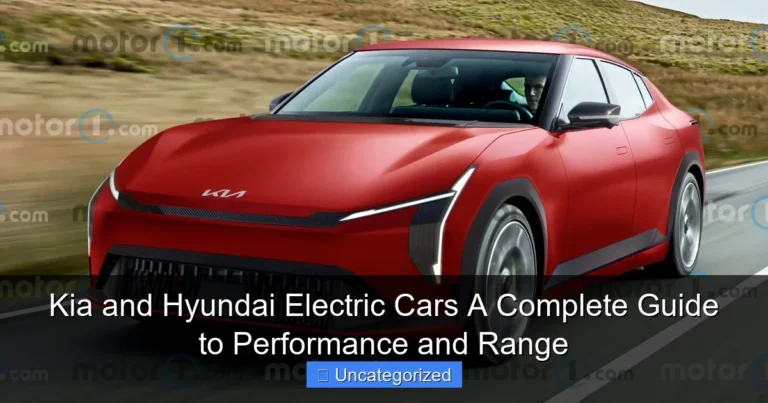
Hyundai electric cars are innovative, eco-friendly vehicles that combine cutting-edge technology with impressive performance and long-range capabilities. From the Ioniq 5 to the Kona Electric, Hyundai offers a diverse lineup designed to meet modern driving needs while reducing emissions and fuel costs. With advanced safety features, fast-charging options, and bold styling, Hyundai is redefining what an electric vehicle can be.
Key Takeaways
- Hyundai electric cars offer zero-emission driving with advanced battery technology.
- Fast charging capability reduces downtime, enabling 80% charge in under 20 minutes.
- Smart regenerative braking improves efficiency by recovering energy during deceleration.
- Long-range models like Ioniq 5 deliver 300+ miles on a single charge.
- Comprehensive warranty covers batteries for 10 years/100,000 miles, ensuring peace of mind.
- Cutting-edge tech includes AI voice control and over-the-air software updates.
- Affordable pricing with federal tax credits makes Hyundai EVs a smart investment.
📑 Table of Contents
- What Is Hyundai Electric Car? A Complete Guide to Its Features and Benefits
- 1. Hyundai’s Electric Vehicle Lineup: Models and Key Features
- 2. Cutting-Edge Technology and Innovation
- 3. Performance, Range, and Charging Infrastructure
- 4. Cost, Incentives, and Long-Term Savings
- 5. Sustainability and Hyundai’s Green Commitment
- 6. Why Choose a Hyundai Electric Car? The Bottom Line
What Is Hyundai Electric Car? A Complete Guide to Its Features and Benefits
As the world shifts toward sustainable transportation, Hyundai electric cars have emerged as a leading force in the electric vehicle (EV) revolution. With cutting-edge technology, bold designs, and a commitment to zero-emission mobility, Hyundai has positioned itself as a key player in the global EV market. From the sleek Ioniq 5 to the spacious Kona Electric, Hyundai’s electric lineup caters to diverse needs—whether you’re a city commuter, a family driver, or an adventure seeker. But what exactly sets Hyundai electric cars apart? This guide dives deep into their features, benefits, and why they’re a smart choice for modern drivers.
Hyundai’s journey into electrification began years ago, but it has accelerated rapidly with the introduction of the Ioniq sub-brand and the E-GMP (Electric-Global Modular Platform) architecture. These innovations have allowed Hyundai to deliver EVs with impressive range, fast charging, and futuristic features—all at competitive prices. Whether you’re considering your first EV or upgrading from a traditional gas-powered car, understanding what Hyundai electric cars offer is essential. Let’s explore the technology, performance, and real-world advantages that make these vehicles stand out.
1. Hyundai’s Electric Vehicle Lineup: Models and Key Features
Hyundai’s electric car portfolio is designed to meet a wide range of needs, from compact city cars to high-performance SUVs. Below are the key models currently available, along with their standout features.
Hyundai Ioniq 5: The Flagship EV
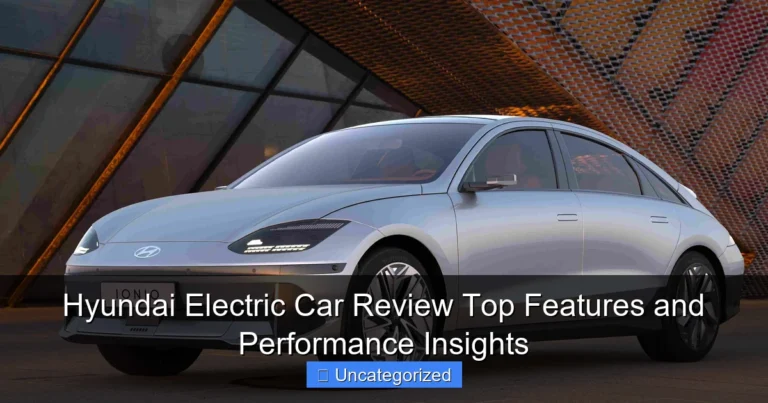
The Ioniq 5 is Hyundai’s flagship electric car, built on the E-GMP platform. It’s a retro-futuristic hatchback with a 800V ultra-fast charging system, allowing it to charge from 10% to 80% in just 18 minutes. The Ioniq 5 offers:
- Range: Up to 303 miles (EPA-estimated) on a single charge (RWD, 77.4 kWh battery).
- Power: Dual-motor AWD versions produce 320 hp and 446 lb-ft of torque.
- Interior: A “living space” concept with sliding center console, reclining front seats, and Vehicle-to-Load (V2L) functionality.
- Tech: Augmented Reality HUD, Highway Driving Assist 2 (HDA2), and over-the-air (OTA) updates.
Tip: If you’re planning a road trip, the Ioniq 5’s ultra-fast charging makes it ideal for long-distance travel. Pair it with Electrify America or Hyundai’s free 3-year charging plan for maximum convenience.
Hyundai Kona Electric: Compact and Capable
The Kona Electric is a subcompact SUV with a 258-mile range (2023 model) and a starting price of $34,000. It’s perfect for urban drivers who want a balance of range, affordability, and utility. Key features include:
- Efficiency: 120 MPGe combined (EPA).
- Charging: 10-80% in 47 minutes with a 100kW DC fast charger.
- Space: 19.2 cu. ft. of cargo room (expandable to 45.8 cu. ft.).
- Tech: Hyundai’s SmartSense safety suite (adaptive cruise, lane-keeping, etc.).
Example: A Kona Electric owner in Seattle reported saving $1,200 annually on fuel and maintenance compared to their previous gas-powered SUV.
Hyundai Ioniq 6: The Aerodynamic Sedan
The Ioniq 6 is a sleek, low-slung sedan with a drag coefficient of 0.21, making it one of the most aerodynamic EVs on the market. It offers:
- Range: Up to 361 miles (RWD, 77.4 kWh battery).
- Performance: 320 hp in the AWD version, 0-60 mph in 5.0 seconds.
- Interior: Dual 12.3-inch screens, ambient lighting, and a “driver-centric” cockpit.
Hyundai Ioniq 7 (Upcoming): The Family SUV
Expected in 2024, the Ioniq 7 will be Hyundai’s first three-row electric SUV. It’s based on the E-GMP platform and will offer:
- Range: Estimated 300+ miles.
- Charging: 10-80% in under 20 minutes.
- Tech: Advanced HDA3 and a “digital cockpit” for rear passengers.
2. Cutting-Edge Technology and Innovation
Hyundai electric cars aren’t just about zero emissions—they’re packed with smart technology that enhances safety, convenience, and driving experience.
E-GMP Platform: The Backbone of Hyundai’s EVs
The Electric-Global Modular Platform (E-GMP) is Hyundai’s dedicated EV architecture. It provides:
- 800V Ultra-Fast Charging: Enables 10-80% charge in 18 minutes (vs. 30+ minutes for most 400V systems).
- Flat Floor Design: Maximizes interior space and improves handling.
- Modular Battery: Offers 58 kWh or 77.4 kWh options for different range needs.
Tip: The E-GMP platform is shared with Kia and Genesis EVs, meaning Hyundai benefits from economies of scale and faster innovation.
Vehicle-to-Load (V2L) Functionality
Hyundai’s V2L feature turns your EV into a mobile power station. You can plug in appliances, tools, or even another EV using a standard outlet. For example:
- Power a campsite grill during a weekend trip.
- Run a laptop or TV during a power outage.
- Charge a friend’s EV in an emergency (up to 3.6 kW).
Example: During a California wildfire, an Ioniq 5 owner used V2L to power a neighbor’s CPAP machine for 12 hours.
Advanced Driver-Assistance Systems (ADAS)
Hyundai’s SmartSense suite includes:
- Highway Driving Assist 2 (HDA2): Combines adaptive cruise control and lane centering for hands-free driving on highways.
- Remote Smart Parking Assist: Park your car via smartphone app.
- Forward Collision-Avoidance Assist (FCA): Detects pedestrians and cyclists.
3. Performance, Range, and Charging Infrastructure
One of the biggest concerns for EV buyers is range anxiety and charging convenience. Hyundai addresses these with real-world solutions.
Real-World Range: What to Expect
Hyundai’s EVs deliver competitive range, but real-world performance varies based on driving habits and conditions. Here’s a breakdown:
- Ioniq 5: 256-303 miles (EPA) / 230-270 miles (real-world).
- Ioniq 6: 305-361 miles (EPA) / 270-320 miles (real-world).
- Kona Electric: 258 miles (EPA) / 220-240 miles (real-world).
Tip: Use Hyundai’s EV Range Calculator (available on their website) to estimate range based on your daily commute, terrain, and temperature.
Charging Speed and Options
Hyundai’s 800V system is a game-changer for fast charging. Key stats:
- DC Fast Charging: 10-80% in 18 minutes (Ioniq 5/6).
- Home Charging: 240V Level 2 charger adds 25 miles of range per hour.
- Free Charging: Hyundai includes 250 kWh of free charging at Electrify America stations (3 years).
Hyundai’s Charging Network Partnerships
Hyundai has partnered with:
- Electrify America: 3,500+ chargers across the U.S.
- ChargePoint: 25,000+ Level 2 chargers.
- EVgo: 850+ fast chargers.
Example: A Hyundai Ioniq 5 driver traveling from Chicago to Detroit used 4 Electrify America chargers, completing the 280-mile trip in 5 hours (including 20-minute charging stops).
4. Cost, Incentives, and Long-Term Savings
Hyundai electric cars offer compelling financial benefits, from upfront savings to long-term cost reductions.
Upfront Cost and Incentives
While EVs have higher sticker prices, incentives can significantly reduce the cost. For example:
- Federal Tax Credit: Up to $7,500 (Ioniq 5 and Ioniq 6 qualify as of 2023).
- State Rebates: California offers $2,000 (Clean Vehicle Rebate Project).
- Dealer Incentives: Hyundai often provides $1,000-$2,000 in additional discounts.
Tip: Check EnergySage’s EV Tax Credit Tool to see which incentives apply to you.
Long-Term Savings
Owning a Hyundai EV saves money over time due to:
- Lower Fuel Costs: $500-$1,000/year vs. gas cars (based on 15,000 miles/year).
- Reduced Maintenance: No oil changes, fewer brake replacements (regenerative braking).
- Resale Value: Hyundai EVs retain 50-60% of value after 3 years (vs. 40-50% for gas cars).
Total Cost of Ownership (TCO) Comparison
| Vehicle | Upfront Cost | 5-Year Fuel Cost | 5-Year Maintenance | Total 5-Year TCO |
|---|---|---|---|---|
| Hyundai Ioniq 5 | $42,000 | $1,500 | $800 | $44,300 |
| Gas-Powered SUV (e.g., Hyundai Santa Fe) | $38,000 | $7,500 | $2,000 | $47,500 |
Note: TCO assumes $3.50/gallon gas, $0.14/kWh electricity, and 15,000 miles/year.
5. Sustainability and Hyundai’s Green Commitment
Hyundai isn’t just building electric cars—it’s leading a sustainability revolution.
Zero-Emission Goals
Hyundai aims to:
- Become carbon-neutral by 2045.
- Launch 17 new EVs by 2030 (including 11 Hyundai-branded).
- Use 100% renewable energy in all factories by 2035.
Recycled and Eco-Friendly Materials
Hyundai’s EVs use:
- Recycled Plastics: 30% in interior components (Ioniq 5).
- Bio-Based Materials: Soybean oil-based paints, bamboo fiber headliners.
- Eco-Friendly Leather: Made from recycled PET bottles.
End-of-Life Battery Recycling
Hyundai has partnered with Li-Cycle to recycle 95% of EV battery materials. Used batteries are also repurposed for:
- Energy storage systems (ESS).
- Grid stabilization projects.
6. Why Choose a Hyundai Electric Car? The Bottom Line
Hyundai electric cars combine innovation, affordability, and sustainability in a way few competitors can match. Whether you prioritize:
- Range and Speed: Ioniq 6 (361 miles, 0-60 mph in 5.0 sec).
- Affordability: Kona Electric ($34,000 after incentives).
- Tech and Luxury: Ioniq 5 (V2L, AR HUD, 800V charging).
…Hyundai has an EV for you. Add in the 5-year/60,000-mile warranty, 10-year/100,000-mile battery warranty, and a growing charging network, and the choice becomes clear.
As the EV market evolves, Hyundai is poised to remain a leader—thanks to its bold investments in technology, sustainability, and customer experience. If you’re ready to make the switch to electric, a Hyundai EV isn’t just a smart choice—it’s a future-proof one.
Frequently Asked Questions
What is a Hyundai electric car?
A Hyundai electric car is a zero-emission vehicle powered entirely by an electric motor and battery, designed to offer eco-friendly, efficient, and tech-forward transportation. Models like the Hyundai IONIQ 5 and Kona Electric showcase the brand’s innovation in the EV market.
How does Hyundai electric car performance compare to gas vehicles?
Hyundai electric cars deliver instant torque for quick acceleration, smoother rides, and lower maintenance costs than gas-powered cars. They also offer competitive range and charging speeds, making them practical for daily commutes and long trips.
What features come standard in a Hyundai electric car?
Hyundai electric cars include advanced tech like regenerative braking, smartphone integration, and driver-assist features (e.g., Highway Driving Assist). Many models also feature ultra-fast charging, spacious interiors, and solar roof options.
How long does it take to charge a Hyundai electric car?
Charging time varies: Level 2 (240V) chargers take 6–10 hours, while DC fast charging can reach 80% in 18–40 minutes, depending on the model. Hyundai’s 800V architecture (e.g., IONIQ 5) enables some of the fastest charging in the industry.
What is the range of a Hyundai electric car?
Hyundai electric cars offer ranges from 258 miles (Kona Electric) to over 300 miles (IONIQ 6) on a single charge. Real-world range depends on driving habits, terrain, and weather conditions.
Are Hyundai electric cars eligible for government incentives?
Yes, many Hyundai electric car models qualify for federal, state, or local EV tax credits and rebates, depending on your region. Hyundai also offers additional incentives, like charging credits, to sweeten the deal.