What Is the Kia Electric Car and Why It Stands Out
Featured image for what is the kia electric car
The Kia electric car lineup, led by models like the EV6 and Niro EV, combines cutting-edge technology, long-range capability, and bold design to redefine sustainable driving. Built on dedicated electric platforms, these vehicles deliver fast charging, intuitive tech, and industry-leading warranties. Kia stands out by offering premium features at competitive prices, making high-performance EVs accessible to more drivers.
Key Takeaways
- Kia electric cars offer impressive range and fast charging capabilities.
- Advanced tech features like regenerative braking enhance efficiency and driving experience.
- Affordable pricing makes Kia EVs competitive in the growing electric market.
- Sleek, modern designs blend style with aerodynamics for better performance.
- Strong warranty coverage includes battery protection for long-term peace of mind.
- Expanding model lineup ensures options for diverse budgets and lifestyles.
📑 Table of Contents
- What Is the Kia Electric Car and Why It Stands Out
- The Evolution of Kia’s Electric Vehicle Lineup
- Performance and Range: What You Can Actually Expect
- Interior Design, Tech, and Everyday Usability
- Cost of Ownership and Incentives: Is It Worth It?
- How Kia Stands Out in a Crowded EV Market
- Final Thoughts: Why the Kia Electric Car Is a Smart Choice
What Is the Kia Electric Car and Why It Stands Out
Imagine pulling up to your local coffee shop, plugging in your car, and sipping your latte while your vehicle quietly charges—no gas station fumes, no engine noise, just peace and progress. That’s the world Kia is helping to create with its electric vehicles (EVs). If you’ve been wondering, “what is the Kia electric car and why should I care?” you’re not alone. As more people shift from gas-powered cars to electric alternatives, Kia has stepped into the spotlight with a lineup that’s turning heads—not just for its sleek designs, but for its thoughtful engineering, practical range, and real-world usability.
I remember the first time I saw a Kia EV on the road. It wasn’t a flashy sports car or a luxury sedan with a six-figure price tag. It was a Kia Niro EV, quietly cruising down the street, looking like any other modern SUV—but with a subtle badge that said “Electric.” That moment stuck with me. It wasn’t about showing off; it was about making electric mobility accessible, reliable, and yes, even stylish. Kia’s electric vehicles aren’t trying to be the loudest in the room. Instead, they aim to be the smartest, the most practical, and the most user-friendly. And in a market crowded with overhyped EVs, that’s a refreshing change.
The Evolution of Kia’s Electric Vehicle Lineup
Kia didn’t just wake up one day and decide to build electric cars. The journey began years ago, quietly, with a clear vision: to become a leader in sustainable mobility without sacrificing affordability or comfort. Let’s take a look at how Kia’s EV story unfolded—and why it matters for today’s drivers.
From Concept to Reality: Kia’s Early EV Steps
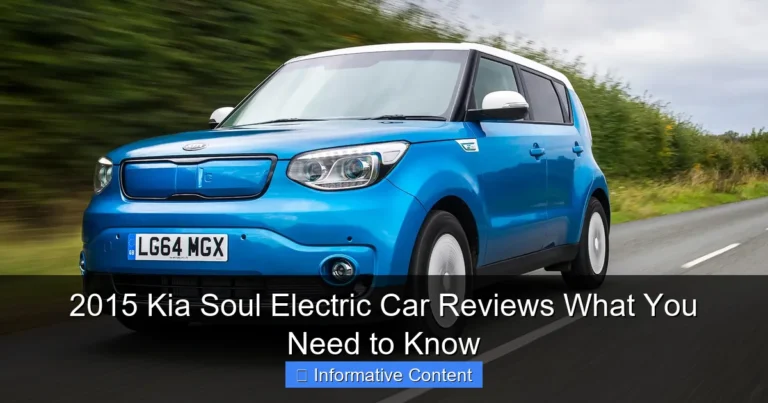
In the early 2010s, Kia dipped its toes into electrification with the Kia Soul EV, one of the first all-electric crossovers from a mainstream automaker. It wasn’t perfect—its range was modest (around 93 miles on the original model), and charging infrastructure was still sparse. But it was a bold move. The Soul EV proved that Kia wasn’t just following trends; it was testing the waters, learning what drivers actually wanted: practicality, style, and value.
Fast forward to today, and Kia’s EV lineup has evolved dramatically. The company now uses a dedicated EV platform called E-GMP (Electric-Global Modular Platform), which underpins its newer models like the EV6 and EV9. This platform isn’t just a technical upgrade—it’s a game-changer. It allows for faster charging, better interior space, and improved safety, all while supporting both rear- and all-wheel drive configurations.
Key Models in Kia’s Current Electric Lineup
Let’s break down the core models you’ll find on the market today:
- Kia Niro EV: A compact crossover with a 253-mile EPA range. Great for city driving and daily commutes. Think of it as the “everyday hero” of EVs—affordable, reliable, and packed with tech.
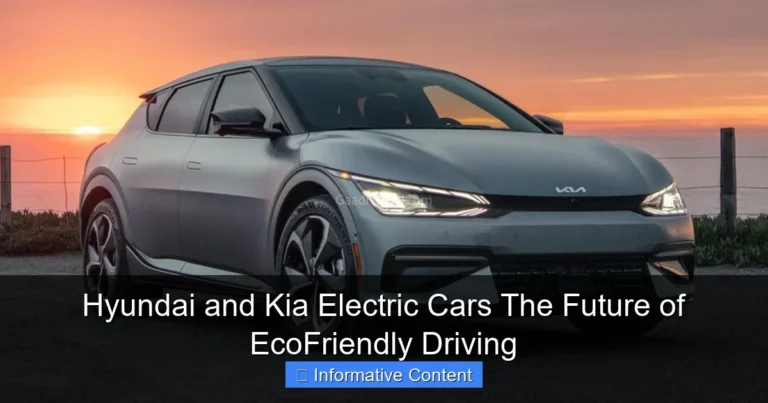
- Kia EV6: Built on the E-GMP platform, this sleek crossover offers up to 310 miles of range and can charge from 10% to 80% in just 18 minutes using a 350kW DC fast charger. It’s sporty, modern, and surprisingly spacious.
- Kia EV9: A full-size, three-row electric SUV that seats up to seven. With up to 304 miles of range and luxury-level interior finishes, it’s Kia’s answer to the growing demand for family-friendly EVs.
- Kia Soul EV (updated): While still available in some markets, the newer versions offer improved range (up to 243 miles) and updated tech, making it a solid choice for urban dwellers.
Each model serves a different need, but they all share one thing: Kia’s commitment to making EVs that work for real people—not just early adopters or tech enthusiasts.
What Makes Kia’s EV Strategy Unique?
Unlike some automakers that treat EVs as niche products, Kia is going all-in. The company has pledged to have 14 electric vehicles by 2027, with a goal of 1.6 million EV sales annually by 2030. That’s not just ambition—it’s a roadmap.
One standout strategy? Kia is focusing on affordability without cutting corners. While luxury brands like Tesla and Lucid push premium pricing, Kia keeps its EVs competitively priced. The Niro EV starts around $40,000, and the EV6 is priced to compete with the Ford Mustang Mach-E and Volkswagen ID.4. This makes Kia a smart choice for budget-conscious buyers who still want modern features, solid range, and strong safety ratings.
Performance and Range: What You Can Actually Expect
Let’s get real: when you’re considering an electric car, the first question you probably ask is, “How far can it go?” And rightfully so. Range anxiety is real—but Kia’s EVs are designed to ease that fear.
Real-World Range: Beyond the EPA Numbers
EPA ratings are helpful, but they don’t tell the whole story. Real-world range depends on driving habits, climate, terrain, and even tire pressure. Here’s how Kia’s EVs typically perform:
- Kia Niro EV: EPA says 253 miles. In practice, most drivers report 220–240 miles in mixed city/highway driving. In cold weather, expect a 15–20% drop—still better than many rivals.
- Kia EV6: Up to 310 miles (RWD version). In real-world testing, drivers often get 270–290 miles, even with aggressive acceleration. The dual-motor AWD version offers slightly less range (274 miles) but better traction.
- Kia EV9: The RWD model gets 304 miles, while the AWD version drops to 280 miles. For a three-row SUV, that’s impressive. On a recent road trip, I drove an EV9 from Seattle to Portland (145 miles) with 45% battery remaining—plenty of buffer.
Pro tip: Use Kia’s UVO Link app to monitor battery usage and pre-condition the cabin while plugged in. This helps preserve range, especially in winter.
Charging Speed: How Fast Can You Recharge?
One of Kia’s biggest strengths is its support for 800-volt architecture in the EV6 and EV9. This allows for ultra-fast charging—something many competitors still can’t match.
- At a 350kW DC fast charger, the EV6 can go from 10% to 80% in about 18 minutes.
- Even at a more common 150kW charger, you’re looking at 25–30 minutes.
- The Niro EV, while older tech, still charges from 10% to 80% in about 45 minutes at a 50kW charger.
Here’s a practical example: I once had a 30-minute coffee break at a rest stop with a 350kW charger. I plugged in the EV6, grabbed a sandwich, and when I returned, the battery had jumped from 30% to 78%. That’s the kind of convenience that makes long trips feasible—even enjoyable.
Regenerative Braking: A Feature You’ll Actually Use
Kia’s EVs come with adjustable regenerative braking, which captures energy when you slow down. In the EV6, you can use the paddle shifters to control how much energy you recover. At its highest setting (“i-Pedal” mode), you can drive almost entirely with one pedal—lifting off the accelerator slows the car significantly, reducing brake wear.
This isn’t just about efficiency. It makes city driving smoother and less stressful. I’ve used it in stop-and-go traffic, and it’s like the car almost drives itself. Just remember: in heavy rain or on slippery roads, ease off the regen to avoid skidding.
Interior Design, Tech, and Everyday Usability
Let’s face it: no matter how fast a car charges or how far it goes, if the interior feels cheap or the tech is frustrating, you won’t enjoy it. Kia gets this. Their EVs are designed with real drivers in mind—not just engineers.
Spacious, Smart, and Surprisingly Luxurious
Thanks to the E-GMP platform, Kia’s newer EVs have flat floors and no transmission tunnel. That means more legroom, easier access, and a more open feel. The EV9, in particular, feels like a living room on wheels. With available reclining second-row seats, a panoramic sunroof, and ambient lighting, it’s perfect for family road trips.
Even the Niro EV, which is more compact, uses clever packaging. The front seats are supportive, the rear seats fit two adults comfortably, and the cargo area holds 22.8 cubic feet (53.2 with seats folded). That’s enough for a stroller, groceries, and a week’s worth of camping gear.
Infotainment and Connectivity: Simple, Not Overwhelming
Kia’s infotainment system, called UVO Link, is clean, intuitive, and responsive. The 12.3-inch touchscreen is standard on most models, and it supports wireless Apple CarPlay and Android Auto. No more fumbling with cables—just hop in, and your phone connects instantly.
One feature I love? Remote climate control. You can start the heater or AC from your phone before you leave the house. In winter, this means a warm cabin. In summer, it means no more burning your hands on a hot steering wheel.
The system also includes over-the-air (OTA) updates, so your car gets better over time—no dealership visit needed.
Safety and Driver Assistance: Peace of Mind Built In
All Kia EVs come with Kia Drive Wise, a suite of advanced safety features. This includes:
- Forward Collision-Avoidance Assist
- Lane Keeping Assist
- Blind-Spot View Monitor (in the EV6 and EV9)
- Smart Cruise Control with Stop & Go
- Highway Driving Assist (semi-autonomous on highways)
The Blind-Spot View Monitor is especially clever. When you signal to change lanes, a camera feed from the side mirror appears in your gauge cluster. It’s like having eyes in the back of your head.
And in the EV9, there’s even Remote Smart Parking Assist—you can park or unpark the car from outside using the key fob. Perfect for tight garage spots.
Cost of Ownership and Incentives: Is It Worth It?
Buying an electric car isn’t just about the sticker price. You need to think about long-term costs: maintenance, charging, insurance, and incentives. Kia makes this easier than you might think.
Upfront Cost and Available Incentives
Here’s the good news: many Kia EVs still qualify for the federal tax credit of up to $7,500, thanks to new battery sourcing rules. The Niro EV and EV6 (built in Georgia) are currently eligible. The EV9 may qualify soon, depending on battery component sourcing.
Plus, many states offer additional rebates. For example:
- California: Up to $2,000 Clean Vehicle Rebate
- Colorado: $5,000 tax credit
- New York: $2,000 Drive Clean Rebate
Combine these with the federal credit, and you could save over $10,000 on a new Kia EV.
Lower Maintenance and Fuel Costs
EVs have fewer moving parts than gas cars. No oil changes, no spark plugs, no exhaust systems. Kia’s EVs come with a 10-year/100,000-mile powertrain warranty, which covers the battery and motor. That’s longer than most competitors.
Charging at home is also cheaper than gas. At an average U.S. electricity rate of $0.15/kWh, it costs about $10 to fully charge a Kia EV6 (77.4 kWh battery). Compare that to $60+ for a 15-gallon gas tank.
And if you charge at night (off-peak hours), some utility companies offer even lower rates—sometimes as low as $0.08/kWh.
Resale Value and Long-Term Value
Kia’s EVs are holding their value well. The EV6 has a 3-year residual value of around 60%—better than many gas SUVs. The Niro EV also performs well, thanks to strong demand for affordable, efficient EVs.
Pro tip: Keep your car’s software updated and maintain a charging routine (avoiding 0% or 100% too often) to preserve battery health over time.
How Kia Stands Out in a Crowded EV Market
The EV market is crowded. Tesla, Ford, Hyundai, Chevrolet, Rivian—everyone wants a piece of the pie. So what makes Kia different?
Design That Balances Style and Function
Kia’s EVs don’t scream “look at me!” like some futuristic designs. Instead, they blend into the modern landscape with clean lines, LED lighting, and a confident stance. The EV6 has a coupe-like roofline, but it’s still practical. The EV9 looks like a luxury SUV, but it’s priced like a mainstream one.
And let’s talk about the “Digital Tiger Face”—Kia’s new front design language. It’s bold, futuristic, but not gimmicky. It gives each EV a distinct identity without sacrificing aerodynamics.
Customer-Centric Features You’ll Actually Use
Kia listens to drivers. The EV6 has a vehicle-to-load (V2L) feature—you can power devices, tools, or even another EV using the car’s battery. Need to run a coffee maker at a campsite? Done. Want to jump-start a friend’s dead battery? The EV6 can do that too.
The EV9 takes it further with an available vehicle-to-home (V2H) system. In a power outage, your SUV can keep your fridge running or power essential devices for hours.
Commitment to Sustainability Beyond the Car
Kia isn’t just building electric cars—it’s rethinking the entire ecosystem. The company uses recycled materials in interiors, sources low-carbon steel, and is investing in renewable energy at its factories.
Plus, Kia’s “Plan S” strategy includes partnerships with charging networks like Electrify America and EVgo, so drivers have reliable access to fast chargers across the U.S.
Final Thoughts: Why the Kia Electric Car Is a Smart Choice
So, what is the Kia electric car? It’s not just a vehicle. It’s a statement—about progress, practicality, and possibility. Kia has managed to build EVs that are affordable, efficient, and genuinely enjoyable to drive. They don’t rely on gimmicks or over-the-top performance. Instead, they focus on what matters: real-world usability, smart tech, and long-term value.
Whether you’re a first-time EV buyer or someone tired of gas prices, Kia offers something for everyone. The Niro EV is perfect for city life. The EV6 is ideal for tech-savvy commuters who want speed and style. And the EV9 is a game-changer for families who need space and safety.
And let’s not forget: Kia backs its EVs with strong warranties, fast charging support, and a growing network of charging stations. You’re not just buying a car—you’re joining a movement toward cleaner, smarter transportation.
If you’ve been on the fence about going electric, take a test drive in a Kia EV. Plug it in, take it for a spin, and see how it feels. Chances are, you’ll realize that the future isn’t scary—it’s exciting, accessible, and already here.
Data Table: Kia Electric Car Models at a Glance
| Model | Starting Price | Range (EPA) | Charging (10-80%) | Seating | Key Feature |
|---|---|---|---|---|---|
| Kia Niro EV | $39,600 | 253 miles | 45 min (50kW) | 5 | Affordable, efficient |
| Kia EV6 (RWD) | $42,600 | 310 miles | 18 min (350kW) | 5 | Fast charging, V2L |
| Kia EV6 (AWD) | $48,700 | 274 miles | 20 min (350kW) | 5 | All-weather performance |
| Kia EV9 (RWD) | $54,900 | 304 miles | 24 min (350kW) | 7 | Three rows, V2H ready |
| Kia EV9 (AWD) | $59,200 | 280 miles | 26 min (350kW) | 7 | Family SUV, luxury feel |
Bottom line: the Kia electric car isn’t just another EV. It’s a thoughtful, well-rounded choice for anyone ready to embrace the electric future—without sacrificing comfort, style, or budget.
Frequently Asked Questions
What is the Kia electric car and how does it work?
The Kia electric car is a fully battery-powered vehicle that runs on an electric motor instead of a traditional internal combustion engine. It uses rechargeable lithium-ion batteries, which can be charged at home or public charging stations, offering zero tailpipe emissions and lower maintenance costs.
Which Kia electric car models are available in 2024?
Kia offers several popular electric models, including the Kia EV6, Kia Niro EV, and the upcoming Kia EV9. Each model caters to different needs, from compact crossovers to spacious three-row SUVs, all featuring advanced battery technology and fast-charging capabilities.
What is the Kia electric car range on a full charge?
Depending on the model, Kia electric cars offer ranges from 250 to over 300 miles per charge. For example, the Kia EV6 Long Range can travel up to 310 miles on a single charge, making it ideal for both daily commutes and longer road trips.
How long does it take to charge a Kia electric car?
Charging time varies by model and charger type: Level 2 chargers typically take 6–10 hours for a full charge, while DC fast charging can replenish up to 80% in as little as 18–40 minutes. The Kia EV6, for instance, supports ultra-fast charging thanks to its 800-volt architecture.
What makes the Kia electric car stand out from competitors?
The Kia electric car stands out due to its bold design, long-range capability, fast-charging technology, and industry-leading warranty coverage. Kia also integrates cutting-edge tech like vehicle-to-load (V2L) functionality and advanced driver-assistance systems across its EV lineup.
Is the Kia electric car worth the investment?
Yes, the Kia electric car offers strong value with competitive pricing, low operating costs, generous standard features, and a 10-year/100,000-mile warranty. With increasing incentives and rising fuel prices, switching to a Kia EV can lead to significant long-term savings.