What Is the Price of Hyundai Electric Car in 2024

Featured image for what is the price of hyundai electric car
Image source: d36dyyw8x5qpnf.cloudfront.net
The price of Hyundai electric cars in 2024 starts at $32,675 for the Kona Electric and goes up to $60,000 for the luxurious Ioniq 6, offering competitive options across segments. With federal tax credits potentially reducing costs by up to $7,500, Hyundai delivers affordable innovation, advanced tech, and impressive range—making its EVs a smart choice for budget-conscious and premium buyers alike.
Key Takeaways
- Hyundai’s 2024 EVs start at $32,675, offering budget-friendly options.
- Kona Electric delivers 258 miles range under $40K—great value.
- Ioniq 5 starts at $41,650, blending tech and performance.
- Federal tax credits up to $7,500 can reduce upfront costs.
- Lease deals often provide lower monthly payments than buying.
- Higher trims exceed $55K, adding luxury and extended range.
- Check state incentives—extra savings may apply post-purchase.
📑 Table of Contents
- What Is the Price of Hyundai Electric Car in 2024?
- Overview of Hyundai’s 2024 Electric Vehicle Lineup
- Detailed Pricing Breakdown by Model
- Factors That Influence the Final Price
- Total Cost of Ownership: Beyond the Sticker Price
- Comparing Hyundai EVs to Competitors
- Conclusion: Making the Right Choice in 2024
What Is the Price of Hyundai Electric Car in 2024?
The electric vehicle (EV) revolution is no longer a distant vision—it’s happening right now, and Hyundai is at the forefront of this transformation. With a bold commitment to electrification, Hyundai has rapidly expanded its lineup of electric cars, offering innovative technology, impressive range, and competitive pricing. As we step into 2024, the question on every eco-conscious driver’s mind is: What is the price of Hyundai electric car in 2024? Whether you’re a first-time EV buyer or upgrading from an older model, understanding the cost structure, available trims, and incentives is crucial to making an informed decision.
Hyundai’s electric vehicles are designed to cater to a wide range of budgets and lifestyles—from compact city commuters to spacious family SUVs. With models like the Ioniq 5, Ioniq 6, Kona Electric, and the upcoming Ioniq 7, Hyundai is not only competing with industry giants like Tesla and Ford but also setting new benchmarks in design, charging speed, and value. In this comprehensive guide, we’ll dive deep into the 2024 pricing of Hyundai’s electric cars, explore the factors influencing their cost, and help you determine which model offers the best bang for your buck. From base MSRP to long-term savings, this article covers everything you need to know to answer the all-important question: How much will a Hyundai electric car cost me this year?
Overview of Hyundai’s 2024 Electric Vehicle Lineup
Current Models Available in 2024
Hyundai’s 2024 electric vehicle lineup includes four primary models, each targeting a different segment of the market:

Visual guide about what is the price of hyundai electric car
Image source: img.odcdn.com.br
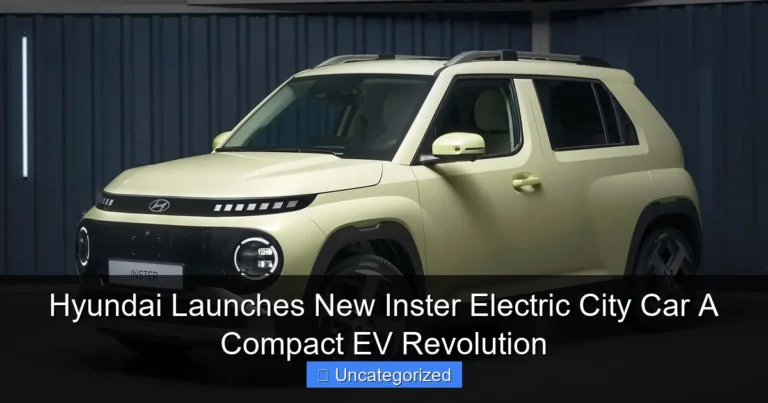
- Hyundai Kona Electric – A compact crossover ideal for urban drivers seeking affordability and efficiency.
- Hyundai Ioniq 5 – A futuristic midsize SUV with retro-inspired design and ultra-fast charging capabilities.
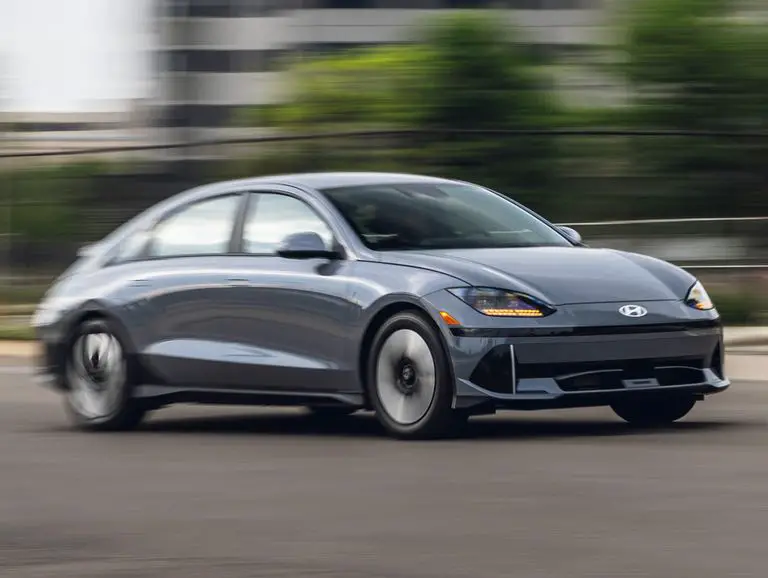
- Hyundai Ioniq 6 – A sleek, aerodynamic sedan that blends luxury, performance, and extended range.
- Hyundai Ioniq 7 (Expected Late 2024) – A three-row all-electric SUV designed for families and long-distance travel.
Each of these models is built on Hyundai’s Electric-Global Modular Platform (E-GMP), which enables 800-volt ultra-fast charging, vehicle-to-load (V2L) functionality, and advanced driver assistance systems (ADAS). This platform is a game-changer, allowing Hyundai to offer high-tech features at competitive price points compared to rivals.
Trim Levels and Pricing Tiers
Hyundai structures its electric vehicles with multiple trim levels—typically ranging from SE or SEL at the entry level to Limited, Limited Ultimate, or Performance at the top end. The price gap between trims can be significant, with higher trims adding features like:
- Premium audio systems (e.g., Bose or Harman Kardon)
- Heated and ventilated seats
- Advanced safety packages (Highway Driving Assist 2, Blind-Spot View Monitor)
- Panoramic sunroof
- All-wheel drive (AWD) with dual motors
- Enhanced battery capacity (e.g., 77.4 kWh vs. 58 kWh)
For example, the Ioniq 5 starts at around $41,000 for the base SE RWD model but can exceed $55,000 for the Limited AWD variant. This tiered approach allows buyers to customize their EV based on budget, performance needs, and luxury preferences.
Regional Pricing Variations
It’s important to note that the price of Hyundai electric cars in 2024 can vary by region due to:
- State and local taxes
- Dealer markups (especially in high-demand areas)
- Shipping and delivery fees
- Regional incentives (e.g., California’s Clean Vehicle Rebate Project)
For instance, a Kona Electric in California might cost $35,000 before incentives, but after a $2,000 state rebate and a $7,500 federal tax credit, the effective price drops to $25,500. In contrast, the same model in a state with no EV incentives could remain near the MSRP. Always check local Hyundai dealerships for accurate, up-to-date pricing.
Detailed Pricing Breakdown by Model
Hyundai Kona Electric (2024)
The 2024 Hyundai Kona Electric is the most affordable entry point into Hyundai’s EV ecosystem. It’s ideal for city dwellers, commuters, and budget-conscious buyers who still want modern EV features.
- Base Model (SE): $34,000 (RWD, 48.6 kWh battery, 200-mile range)
- SEL: $37,500 (Adds 17-inch wheels, wireless Apple CarPlay/Android Auto, blind-spot monitoring)
- Limited: $41,000 (Adds leather seats, sunroof, heated front seats, 12.3-inch touchscreen)
- Limited Ultimate: $43,500 (Includes premium audio, surround-view monitor, remote smart parking assist)
Pro Tip: The Kona Electric is eligible for the full $7,500 federal tax credit if you meet income and vehicle criteria. With this credit, the Limited Ultimate model effectively drops to $36,000—making it one of the best value EVs under $40,000.
Hyundai Ioniq 5 (2024)
The Ioniq 5 is Hyundai’s flagship electric SUV, known for its striking design, spacious interior, and 350-kW ultra-fast charging. It’s available in both rear-wheel drive (RWD) and all-wheel drive (AWD) configurations.
- SE RWD: $41,450 (58 kWh battery, 220-mile range)
- SE AWD: $45,000 (Dual motors, 320 hp, 266-mile range)
- SEL RWD: $45,950 (Adds 20-inch wheels, digital key, highway driving assist)
- SEL AWD: $49,500 (Includes dual motors, upgraded infotainment)
- Limited RWD: $50,450 (Adds panoramic sunroof, premium audio, V2L)
- Limited AWD: $54,000 (Top-tier model with 320 hp, 256-mile range, advanced safety)
Example: A family in Colorado opting for the Limited AWD Ioniq 5 will pay $54,000 MSRP. After the $7,500 federal tax credit and a $5,000 Colorado state rebate, the net cost is $41,500—comparable to a mid-trim gas SUV but with far lower operating costs.
Hyundai Ioniq 6 (2024)
The Ioniq 6 is Hyundai’s answer to the Tesla Model 3 and Polestar 2—a sleek, aerodynamic sedan with a drag coefficient of just 0.21. It offers exceptional range and cutting-edge tech.
- SE RWD: $45,500 (53 kWh battery, 240-mile range)
- SEL RWD: $49,500 (Adds 20-inch wheels, heated steering wheel, ambient lighting)
- Limited RWD: $52,500 (Adds panoramic sunroof, Bose audio, V2L)
- SE AWD: $48,500 (Dual motors, 320 hp, 270-mile range)
- SEL AWD: $52,500 (Adds premium features)
- Limited AWD: $55,500 (Top model with 320 hp, 270-mile range, advanced safety)
Key Insight: The Ioniq 6 Limited AWD offers 270 miles of range on a 77.4 kWh battery—outperforming many EVs in its price class. With the tax credit, it drops to $48,000, making it a compelling alternative to the $52,000 Tesla Model 3 Long Range.
Hyundai Ioniq 7 (Expected Late 2024)
While not yet available for purchase, the Ioniq 7 is generating significant buzz. Based on Hyundai’s Seven Concept, this three-row electric SUV is expected to launch in late 2024 with the following projected pricing:
- SE RWD: $55,000 (Estimated 250-mile range)
- SEL AWD: $60,000 (Dual motors, 320 hp, 280-mile range)
- Limited AWD: $65,000 (Premium interior, second-row lounge seats, 12.3-inch dual screens)
- Limited Ultimate AWD: $70,000 (Luxury package, 21-speaker audio, advanced autonomy features)
Tip: The Ioniq 7 will likely qualify for the federal tax credit, reducing the Limited Ultimate’s effective price to $62,500. It’s poised to compete with the Kia EV9 and Rivian R1S in the premium three-row EV segment.
Factors That Influence the Final Price
Federal and State Incentives
One of the biggest factors affecting the price of Hyundai electric car in 2024 is government incentives. The U.S. federal government offers a $7,500 tax credit for new EV purchases, but eligibility depends on:
- Buyer’s modified adjusted gross income (AGI) must be under $150,000 (single) or $300,000 (married filing jointly)
- Vehicle must be assembled in North America (all Hyundai EVs qualify)
- Battery components and critical minerals must meet sourcing thresholds (Hyundai meets 2024 requirements)
Additionally, many states offer rebates:
- California: $2,000–$4,000 Clean Vehicle Rebate
- Colorado: $5,000 state tax credit
- New York: $2,000 Drive Clean Rebate
- Massachusetts: $3,500 MOR-EV rebate
Example: A buyer in California purchasing a $45,000 Ioniq 5 SEL RWD could receive a total of $9,500 in incentives ($7,500 federal + $2,000 state), reducing the effective price to $35,500.
Dealer Markups and Availability
Despite Hyundai’s transparent MSRP, some dealerships may add markups—especially for high-demand trims like the Ioniq 5 Limited AWD or Ioniq 6 Limited AWD. These markups can range from $2,000 to $10,000, depending on the region and supply.
To avoid overpaying:
- Shop online through Hyundai’s official website or third-party platforms like CarGurus or TrueCar
- Negotiate directly with multiple dealerships via email or phone
- Look for “no-haggle” dealerships or manufacturer-certified online sales
Pro Tip: Some Hyundai dealers now offer “MSRP pricing” guarantees. Always ask if they follow this policy before committing.
Financing, Leasing, and Incentives
Hyundai Financial Services offers competitive financing and leasing options for EVs in 2024:
- 0% APR for 60 months on select models (e.g., Kona Electric, Ioniq 5 SE)
- Leasing from $299/month (after $4,999 down) for the Ioniq 5 SEL RWD
- EV-specific loan terms with extended warranties and battery coverage
Leasing can be especially advantageous for buyers who want to avoid depreciation and take advantage of lower monthly payments. However, lessees are not eligible for the federal tax credit—the dealership claims it instead, which may be reflected in lower lease rates.
Total Cost of Ownership: Beyond the Sticker Price
Fuel and Charging Costs
While the upfront price of a Hyundai electric car is important, the total cost of ownership (TCO) is where EVs truly shine. On average, EV owners spend 50–70% less on fuel than gas car owners.
- Kona Electric: ~$50/month (based on 12,000 miles/year, $0.13/kWh)
- Ioniq 5: ~$60/month (same usage)
- Ioniq 6: ~$65/month (higher efficiency, longer range)
Home charging is the most cost-effective option. Installing a Level 2 charger (240V) costs $500–$1,200, but many states offer rebates (e.g., $500 in California). Public charging is more expensive, especially at DC fast chargers, but Hyundai includes three years of free 30-minute charging at Electrify America stations with every new EV purchase.
Maintenance and Repairs
EVs have fewer moving parts, leading to lower maintenance costs:
- No oil changes, spark plugs, or exhaust systems
- Regenerative braking reduces brake wear by up to 50%
- Hyundai offers 10-year/100,000-mile battery warranty and 5-year/60,000-mile bumper-to-bumper coverage
Annual maintenance costs average $300–$500, compared to $800–$1,200 for gas vehicles. Over 10 years, this saves EV owners $5,000–$9,000.
Depreciation and Resale Value
Historically, EVs depreciated faster than gas cars, but Hyundai’s models are bucking the trend. According to iSeeCars, the Ioniq 5 retains 75% of its value after three years—one of the best in the industry. The Kona Electric and Ioniq 6 also perform well, with 68% and 70% retention, respectively.
Why? Hyundai’s strong warranty, fast charging, and high reliability ratings contribute to strong resale demand.
Comparing Hyundai EVs to Competitors
Price vs. Features: Hyundai vs. Tesla, Ford, and Kia
Let’s compare the 2024 Hyundai Ioniq 5 Limited AWD ($54,000) with key competitors:
| Model | MSRP | Range | Charging Speed (10–80%) | Key Features |
|---|---|---|---|---|
| Hyundai Ioniq 5 Limited AWD | $54,000 | 256 miles | 18 minutes (350 kW) | V2L, HDA2, panoramic roof, 12.3″ dual screens |
| Ford Mustang Mach-E Premium AWD | $52,000 | 270 miles | 30 minutes (150 kW) | SYNC 4, hands-free driving, panoramic roof |
| Kia EV6 GT-Line AWD | $55,000 | 274 miles | 18 minutes (350 kW) | Similar to Ioniq 5 (same platform), V2L, HDA2 |
| Tesla Model Y Long Range AWD | $49,990 | 330 miles | 25 minutes (250 kW) | Autopilot, Supercharger network, minimalist interior |
As the table shows, the Ioniq 5 offers faster charging and more features than the Mach-E at a similar price. While the Model Y has longer range, it lacks V2L and has a more basic interior. The EV6 is nearly identical to the Ioniq 5 (same platform) but with slightly different styling and features.
Value Proposition: Why Hyundai Stands Out
Hyundai’s EVs offer a compelling mix of:
- Ultra-fast charging (350 kW capability)
- Vehicle-to-load (V2L) for powering appliances
- Generous warranties (10-year battery coverage)
- Competitive pricing with strong incentives
- High safety ratings (IIHS Top Safety Pick+ for Ioniq 5 and Ioniq 6)
For buyers prioritizing value, innovation, and peace of mind, Hyundai’s electric cars are hard to beat.
Conclusion: Making the Right Choice in 2024
So, what is the price of Hyundai electric car in 2024? The answer depends on the model, trim, location, and incentives—but one thing is clear: Hyundai offers some of the most competitive and feature-rich EVs on the market. From the affordable Kona Electric at $34,000 to the luxurious Ioniq 7 (projected $70,000), there’s a Hyundai EV for every budget and lifestyle.
After factoring in federal and state incentives, the effective price can drop by $7,500 to $12,000, making these vehicles even more attractive. Add in lower fuel and maintenance costs, strong resale value, and cutting-edge technology like V2L and ultra-fast charging, and the long-term savings become undeniable.
When choosing your Hyundai EV, consider your daily driving needs, charging infrastructure, and desired features. Test drive multiple trims, compare lease vs. buy options, and always check for local incentives. With Hyundai’s 2024 lineup, you’re not just buying a car—you’re investing in a smarter, cleaner, and more connected future. The price is just the beginning of the story.
Frequently Asked Questions
What is the price of Hyundai electric car models in 2024?
The price of Hyundai electric cars in 2024 starts at $32,675 for the Kona Electric and goes up to $60,000+ for the Ioniq 6 and Ioniq 7 (upcoming). Pricing varies by trim, battery range, and regional incentives.
Which Hyundai electric car offers the best value for its price?
The Ioniq 5 stands out with a starting price of $39,700, offering fast charging, 300+ miles of range, and premium features. It balances affordability and innovation better than most rivals in its class.
Does the price of Hyundai electric cars include tax credits or incentives?
Base prices don’t include federal/state incentives, but eligible buyers may save up to $7,500 (e.g., Ioniq 5/6). Always check local rebates and eligibility requirements to reduce the effective cost.
How does the Hyundai Kona Electric price compare to other compact EVs?
At $32,675, the Kona Electric is competitively priced against rivals like the Chevy Bolt EV ($26,500) and Nissan Leaf ($28,040). It offers similar range and tech at a slightly higher cost.
Are there financing options available for the price of Hyundai electric cars?
Yes, Hyundai provides flexible financing, leases, and special rates (e.g., 1.9% APR for qualified buyers). Some states also offer additional low-interest EV loan programs.
Will the price of Hyundai electric cars drop in 2024 due to new models?
Unlikely—Hyundai’s pricing remains stable for 2024, with new trims (e.g., Ioniq 7) expected to launch at higher tiers. However, older models may see discounts as inventory updates.