What Is Thermal Runaway As It Relates To EVs?: Explained
If you’ve ever wondered what is thermal runaway as it relates to EVs, you’re in the right place. I’ve spent years around battery labs and EV programs, and I’ve seen how teams design systems to keep cells safe under stress. In simple terms, thermal runaway is a self-accelerating heating event inside a battery cell that can lead to venting, fire, or, in rare cases, explosions. It’s serious, but it’s also preventable through smart design, careful charging, thermal management, and informed use. Stick with me—I’ll break it down clearly and give you practical, real-world insights you can trust.
Source: www.tapecon.com
What Is Thermal Runaway In EVs?
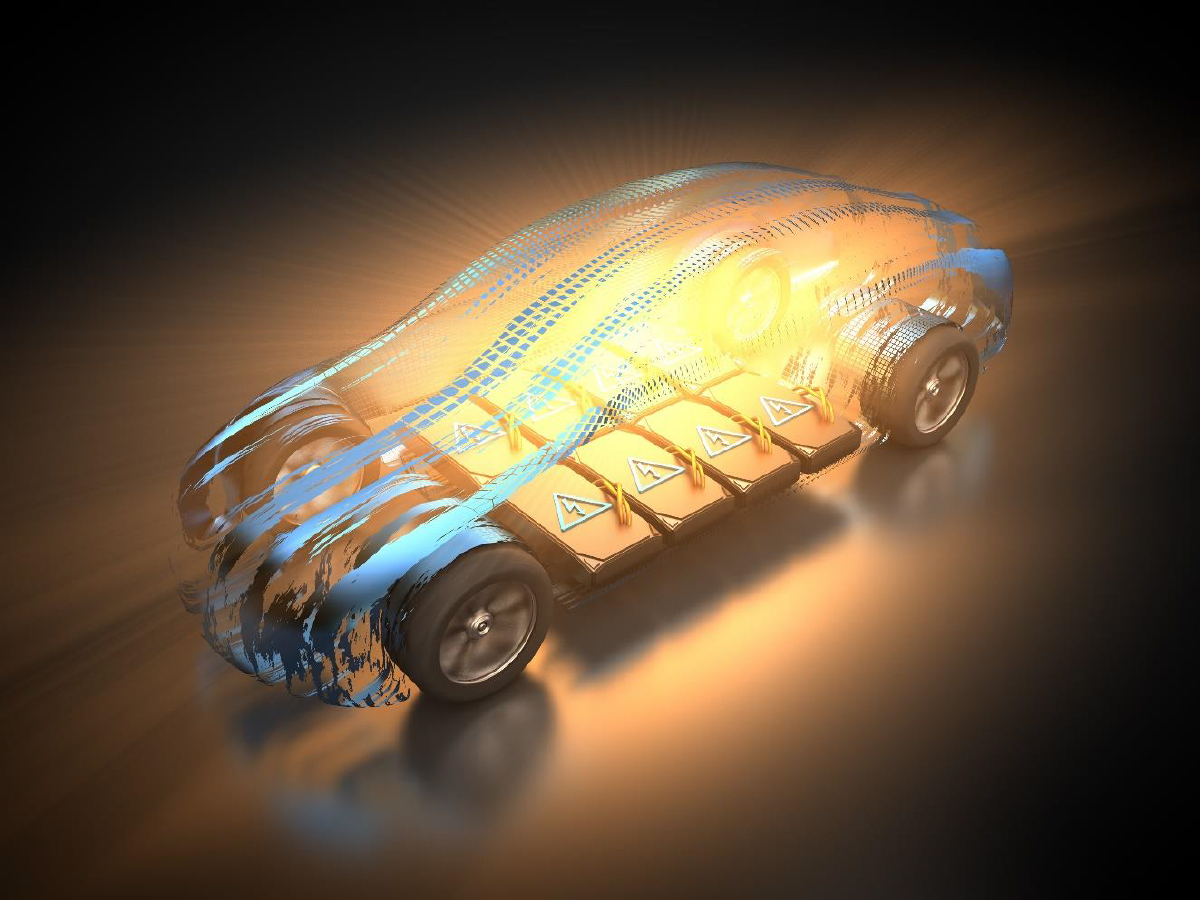
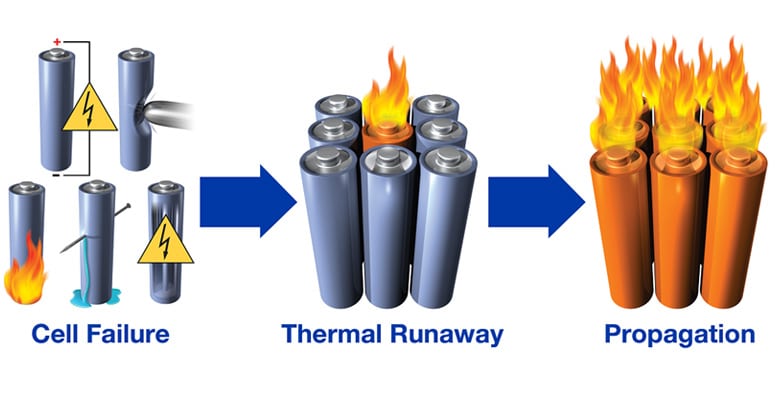
Thermal runaway is a chain reaction where heat inside a lithium-ion cell builds faster than it can be dissipated. When a cell overheats, it can trigger internal reactions that create even more heat. If that heat isn’t controlled, the cell can vent gases, ignite, and potentially spread heat to neighboring cells in a battery module. In EVs, packs are engineered to prevent a single-cell issue from becoming a pack-level event—but understanding the mechanism helps you see why safety systems matter.
Key points:
- It starts at the cell level when temperature and pressure rise.
- Exothermic reactions inside the cell accelerate as temperature climbs.
- If not contained, the heat can propagate to adjacent cells (thermal propagation).
- Vehicle systems aim to detect, isolate, and cool the affected cell/module fast.

Source: aximmica.com
Why Thermal Runaway Happens: Chemistry And Triggers
At the heart of the issue is lithium-ion chemistry. Most EVs use chemistries like NMC, NCA, or LFP. Each has trade-offs in energy density and thermal stability. While modern cells are safer than ever, certain conditions can push them into runaway.
Common triggers:
- Mechanical damage: A puncture or crush can cause internal short circuits.
- Electrical abuse: Overcharging, high current spikes, or faulty wiring can overheat cells.
- Thermal abuse: External heat sources or blocked cooling can elevate temperatures.
- Manufacturing defects: Microscopic contaminants or separator flaws can create latent risks.
- Aging and misuse: Repeated fast charging under heat, or charging to 100% and leaving it hot for long periods, can accelerate degradation.
What happens inside:
- SEI breakdown: The protective layer on the anode can degrade at high heat, exposing reactive materials.
- Electrode reactions: Cathode and electrolyte reactions generate more heat and gases.
- Venting and flammability: Gases released may ignite if there’s a spark or high temperature.
From my experience qualifying battery packs, the biggest risk factor wasn’t daily driving—it was a combination of heat plus high state-of-charge, especially in hot climates when cooling was limited. Good pack design anticipates this.

Source: aximmica.com
Warning Signs And Real-World Symptoms
You’ll rarely see thermal runaway without some warning signals. Modern EVs are designed to alert you early.
What drivers might notice:
- Sudden warnings: Battery system alerts, reduced power, or “pull over safely” messages.
- Unusual smells: A sweet, solvent-like odor from venting electrolyte.
- Heat cues: Noticeable heat near the floor or under seats where the pack sits.
- Performance changes: Sudden range drop, charging slowing drastically, or a car refusing to fast-charge.
- Audible signs: Hissing, popping, or clicking sounds from the pack area.
If you encounter these:
- Stop, park safely, and exit the vehicle.
- Keep a safe distance and call emergency services.
- Do not open the hood or try to cool the pack with water unless instructed by professionals.
- If the car is charging, stop the session remotely if safe to do so.

Source: lamartcorp.com
How Automakers Prevent Thermal Runaway
EV safety is a layered defense system. Automakers and battery suppliers integrate hardware and software to prevent, detect, and contain anomalies.
Core safety features:
- Battery Management System (BMS): Monitors voltage, current, temperature; balances cells; limits power; flags faults.
- Thermal management: Liquid cooling plates, heat exchangers, and dedicated chillers to stabilize temperature.
- Cell design: Shutdown separators, current interrupt devices, and pressure relief vents.
- Fire-resistant materials: Flame-retardant coatings, mica or ceramic barriers, and thermal foams to limit propagation.
- Pack architecture: Physical spacing, module partitions, and venting paths directing gases away from occupants.
- Software safeguards: Conservative charge curves in hot/cold conditions, preconditioning to manage pack temperature, and over-the-air updates improving algorithms.
- Crash protection: Structural frames and underbody shields to prevent punctures.
What I’ve seen work best on test benches:
- Early detection via dense temperature sensor arrays.
- Aggressive derating when any module drifts out of spec.
- Robust venting that directs hot gases away from the cabin and out of the vehicle structure.
Source: fireisolator.com
What To Do If An EV Battery Heats Up: Practical Safety Tips
You don’t need to be an engineer to stay safe—just follow a few best practices.
Daily habits:
- Avoid leaving your EV at 100% state-of-charge for long periods, especially in heat.
- Precondition the battery before fast charging in extreme temperatures.
- Keep software up to date; OEM updates often refine safety thresholds.
- Use reliable charging equipment and avoid damaged cables.
- Park in shaded or cool areas during heat waves.
If you suspect a battery issue:
- Heed warnings immediately and park in an open, safe space.
- Exit the vehicle and keep others away.
- Call emergency services and inform them it’s an EV battery concern.
- Do not attempt to move a smoking vehicle or open pack enclosures.
For fleet and garage owners:
- Maintain clear space around charging bays.
- Install smoke detection and have Class ABC fire extinguishers on hand.
- Train staff on EV incident procedures and safe quarantine distances.
Data, Myths, And Risk In Context
It’s easy to see viral videos and assume EVs are fire-prone. The broader data tells a more nuanced story. Across large datasets, EV fire incidence per vehicle-mile is generally comparable to or lower than that of internal combustion vehicles. Thermal runaway events are rare and typically linked to severe crashes, flooding, misuse, or manufacturing defects addressed by recalls.
What the industry data indicates:
- EVs include multiple redundant safety layers that reduce both likelihood and severity.
- Most incidents are isolated to single cells or modules and are contained.
- Post-crash monitoring and quarantine protocols significantly reduce secondary risks.
What this means for you:
- Keep perspective. The absolute risk is low, and trending lower as chemistries like LFP gain traction and pack designs improve.
- Follow basic charging and maintenance advice to stay well within safety margins.
- Consider vehicles from manufacturers with robust safety testing and transparent recall processes.
Frequently Asked Questions of what is thermal runaway as it relates to evs?
How does thermal runaway start in an EV battery?
It typically begins with a local failure such as an internal short, overcharging, or external heat. That triggers exothermic reactions inside a cell, raising temperature and pressure until the cell vents, and, if not contained, heat can spread to neighboring cells.
Which battery chemistries are most and least prone to thermal runaway?
High-energy chemistries like NMC and NCA have higher energy density and need strong thermal controls. LFP has better thermal stability and a higher onset temperature for runaway, but pack design and integration matter more than chemistry alone.
Can normal fast charging cause thermal runaway?
Not when used as intended. The vehicle manages charging rates and temperature. Issues arise mainly from damaged equipment, extreme heat without proper cooling, or ignoring system warnings. Preconditioning and reputable chargers minimize risk.
What should I do if I see smoke or smell a sweet, solvent-like odor?
Stop immediately, park in a safe area, exit, and keep a distance. Contact emergency services and inform them it’s an EV battery issue. Do not open the hood or attempt to cool the pack yourself.
Are EV fires harder to extinguish than gasoline fires?
They require different tactics. Fire services may use large volumes of water for cooling and may monitor for re-ignition. Properly trained responders manage these incidents effectively with established protocols.
Will submerging an EV in water stop thermal runaway?
That’s not a consumer action. Some responders may use water immersion to cool packs in specific scenarios, but this is a professional technique with safety controls. Never attempt it yourself.
How can I reduce risk when parking or storing my EV?
Avoid parking against combustible materials when the pack is unusually hot, keep software updated, charge in well-ventilated areas, and follow manufacturer guidance for long-term storage state-of-charge.
Conclusion
Thermal runaway in EVs is a real but rare phenomenon, driven by heat that feeds on itself inside a battery cell. Modern EVs use smart software, robust pack design, and thermal engineering to prevent, detect, and contain issues before they escalate. As a driver, your best tools are simple: heed warnings, keep software current, charge wisely, and respect heat.
If you take one action today, make it this: review your EV’s charging and thermal management tips in the owner’s manual and set up preconditioning before your next fast charge. Want more practical insights like this? Subscribe, share your questions in the comments, and keep learning with us.