What Maintenance Does an Electric Car Need? Complete Guide
Featured image for this comprehensive guide about what maintenance does an electric car need
Image source: pngall.com
The automotive landscape is undergoing a monumental shift, with electric vehicles (EVs) leading the charge towards a sustainable future. As more drivers make the switch from traditional gasoline-powered cars to their electric counterparts, a common question arises: what maintenance does an electric car need? If you’re accustomed to oil changes, spark plug replacements, and complex engine diagnostics, prepare for a pleasant surprise. EVs fundamentally redefine automotive maintenance, offering a simpler, often less frequent, and generally more affordable ownership experience.
Gone are the days of internal combustion engine complexities. Electric cars boast fewer moving parts, no exhaust system, no traditional transmission (in most cases), and certainly no need for gasoline. This inherent simplicity translates directly into reduced wear and tear, meaning fewer components to break down, replace, or service. However, “less maintenance” doesn’t mean “no maintenance.” Just like any vehicle, an EV still requires regular attention to ensure its safety, performance, and longevity. Understanding these differences is key to becoming a confident and informed electric vehicle owner.
This comprehensive guide will demystify electric car maintenance, outlining exactly what you can expect in terms of service requirements. We’ll dive into the specific components that need attention, highlight the unique aspects of EV care, and provide actionable tips to keep your electric vehicle running smoothly for years to come. Get ready to discover a new paradigm of car ownership where efficiency extends beyond the road to your service schedule.
Quick Answers to Common Questions
Do electric cars need less maintenance than gasoline cars?
Yes, absolutely! Electric vehicles have fewer moving parts, which means significantly less wear and tear and therefore less overall maintenance compared to a traditional internal combustion engine car.
Do I still need oil changes for an electric car?
Great news, no! Electric cars don’t have an internal combustion engine that uses oil, so you can completely forget about those frequent oil changes.
What maintenance does an electric car battery need?
Generally, EV batteries require very little routine maintenance from the owner; the car’s advanced battery management system handles most of it. Your main job is to keep it charged and avoid frequent extreme charging/discharging for optimal longevity.
What about brake maintenance for an electric car?
Electric cars often need less frequent brake maintenance thanks to regenerative braking, which uses the motor to slow the car and recharge the battery. This means your traditional brake pads and rotors last much longer!
What other regular maintenance does an electric car need?
While simpler, electric cars still need routine checks for tires (rotation, pressure), cabin air filters, wiper blades, and brake fluid. Think of it more like keeping up with standard car consumables rather than complex engine work.
📋 Table of Contents
- The EV Advantage: Understanding the Core Differences in Maintenance
- Routine Inspections and What Stays the Same (or Changes Slightly)
- Battery Health and Management: The Heart of Your Electric Car
- Braking System: A Closer Look at Regenerative Braking’s Impact
- Tires, Suspension, and Other Key Components
- Software Updates, Diagnostics, and Long-Term Ownership
- Conclusion: Embracing the Simplicity of Electric Car Ownership
The EV Advantage: Understanding the Core Differences in Maintenance
The most striking difference in electric car maintenance compared to conventional vehicles stems from their powertrain. A gasoline car has thousands of moving parts in its engine and transmission, all subject to friction, heat, and wear. These components require regular lubrication, cooling, and eventual replacement.
Learn more about what maintenance does an electric car need – What Maintenance Does an Electric Car Need? Complete Guide
Image source: get.pxhere.com
An electric car, by contrast, has a significantly simpler drivetrain. It typically consists of:
| Maintenance Task | Recommended Frequency | EV Specifics / Comparison to ICE | Notes / Importance |
|---|---|---|---|
| Tire Rotation & Inspection | Every 5,000-7,500 miles | Similar to ICE vehicles; EVs can cause more tire wear due to instant torque and heavier weight. | Ensures even wear, maximizes tire lifespan, and maintains safety & efficiency. |
| Brake System Check | Every 10,000-15,000 miles | Friction brakes used less often due to regenerative braking, leading to significantly longer pad/rotor life than ICE. | Critical for safety; check for corrosion and proper function despite less wear. |
| Cabin Air Filter Replacement | Every 15,000-20,000 miles or annually | Identical requirement to ICE vehicles. | Ensures clean air quality inside the cabin and proper HVAC system function. |
| Coolant System Check (Battery/Motor) | Varies (e.g., 5 years / 100,000 miles) | EVs use coolant for thermal management of the battery pack and electric motor, not a combustion engine. | Essential for battery longevity, performance, and preventing overheating. |
| 12V Battery Health Check | Annually, replace every 3-5 years | EVs still use a separate 12V battery to power accessories, similar to ICE vehicles (though it doesn’t start the main motor). | Prevents issues with accessories, infotainment, and the vehicle’s readiness to “start.” |
| Software Updates & Diagnostic Scan | As needed, or with routine service (annually) | More prevalent and critical for EVs, often delivered Over-The-Air (OTA) or via service centers. | Improves performance, efficiency, adds features, and resolves potential issues. |
- An electric motor (or motors)
- A single-speed transmission (often integrated with the motor)
- A large battery pack
- A power inverter
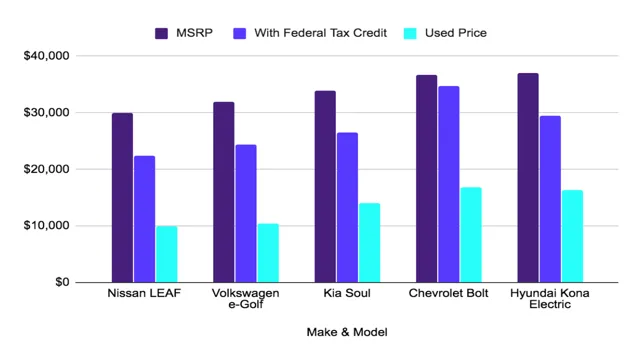
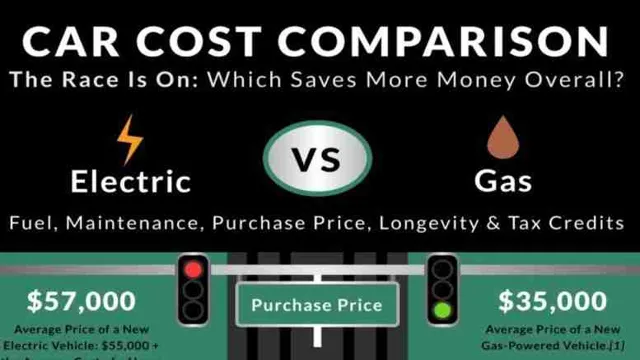
This simplicity drastically reduces the number of maintenance items. For instance, there’s no engine oil to change, no timing belt to replace, no spark plugs to swap, and no fuel filter to clog. This fundamental design difference is the primary reason why EV maintenance schedules are generally much lighter and less expensive. Data from AAA suggests that new EV owners can expect to save, on average, between $300 to $400 per year on maintenance compared to gasoline vehicles. Over the lifespan of the car, these savings can accumulate significantly, making the cost of EV maintenance a compelling argument for switching.
Fewer Moving Parts Means Fewer Problems
The adage “less is more” truly applies to electric vehicles. With fewer mechanical components:
- No Oil Changes: The electric motor doesn’t burn fossil fuels, so there’s no engine oil to degrade or filters to replace.
- No Exhaust System: Since there are no combustion byproducts, there’s no exhaust pipe, catalytic converter, or muffler to rust or fail.
- Simpler Transmission: Most EVs use a single-speed transmission, eliminating the need for complex multi-gear setups, transmission fluid changes, or clutch replacements found in manual or automatic ICE vehicles.
- Reduced Fluid Checks: While EVs still have some fluids (brake fluid, coolant for battery/motor), the sheer volume and variety are less than in an ICE car.
These core differences mean that an electric car needs less maintenance in terms of its powertrain. However, other vehicle components, common to both ICE and EV, still require attention.
Routine Inspections and What Stays the Same (or Changes Slightly)
While the powertrain is largely hands-free, an electric car still needs regular checks for safety and performance elements that are common to all vehicles. Think of these as the universal car care practices that transcend fuel types.

Learn more about what maintenance does an electric car need – What Maintenance Does an Electric Car Need? Complete Guide
Image source: picpedia.org
Tires and Alignment
Tire maintenance for electric cars is crucial. EVs, especially performance models, often have significant instant torque and can be heavier due to their battery packs. This can lead to increased or different patterns of tire wear. Therefore, regular:
- Tire rotations: Typically every 5,000-10,000 miles, depending on the manufacturer and driving style, to ensure even wear.
- Tire pressure checks: Crucial for range, safety, and tire longevity. EVs often have specific pressure requirements.
- Tread depth inspections: To ensure adequate grip and safety, especially in wet conditions.
- Wheel alignment: Essential to prevent uneven tire wear and ensure stable handling. This should be checked periodically, especially if you notice pulling or unusual tire wear.
Windshield Wipers and Washer Fluid
These are straightforward. Wipers degrade over time due to sun exposure and use. Replace them annually or as needed for optimal visibility. Keep your washer fluid reservoir topped up.
Cabin Air Filter
Just like in a traditional car, your EV’s cabin air filter traps dust, pollen, and other pollutants to keep the air inside your vehicle clean. Over time, it gets clogged and reduces airflow, potentially leading to odors. Manufacturers typically recommend replacing it every 1-2 years or 15,000-30,000 miles. This is a common and relatively inexpensive item in any EV maintenance schedule.
Lights and Signals
Periodically check all exterior lights – headlights, taillights, brake lights, and turn signals – to ensure they are functioning correctly. While LEDs are common in modern EVs and have a longer lifespan, they can still fail.
12-Volt Battery
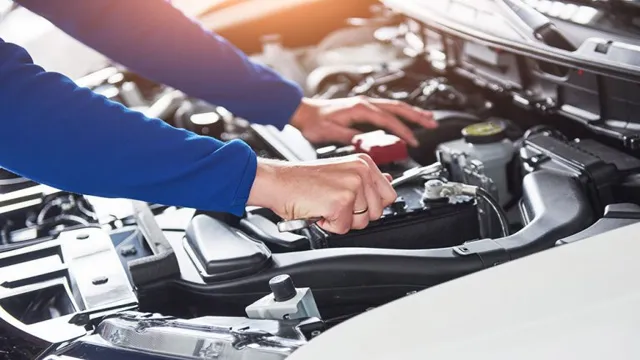
Even though an EV has a massive high-voltage battery pack for propulsion, it still uses a smaller 12-volt battery (similar to what you’d find in a gasoline car) to power auxiliary systems like the headlights, infotainment, windows, and door locks, as well as to “boot up” the high-voltage system. This battery can degrade over time and may need testing or replacement every 3-5 years, depending on climate and usage. It’s an often-overlooked item when discussing electric car maintenance.
Battery Health and Management: The Heart of Your Electric Car
The high-voltage battery pack is the single most critical and expensive component of an EV. While modern EV batteries are designed for durability and longevity, proper care can significantly extend their lifespan and maintain performance. This is a unique aspect of EV maintenance that requires a different approach than traditional car care.
Charging Habits for Optimal Battery Health
How you charge your EV can impact its battery health over the long term. Here are some actionable tips:
- Avoid Extreme Charges: Most manufacturers recommend keeping your battery charge between 20% and 80% for daily driving. Regularly charging to 100% or frequently letting it drop below 10-20% can accelerate degradation over many years.
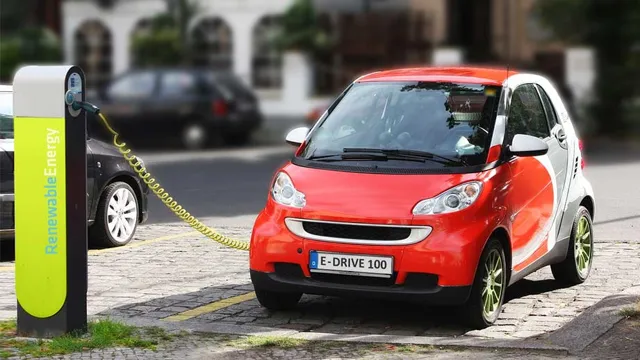
- Limit DC Fast Charging: While convenient, frequent DC fast charging (Level 3) generates more heat and can stress the battery more than Level 1 or Level 2 charging. Use it when necessary, but lean on slower charging for daily use whenever possible.
- Charge Overnight: Level 2 home charging is often the best option. It’s slower, more gentle on the battery, and you wake up to a “full” (or desired) charge.
- Don’t Leave it at 100% or 0% for Extended Periods: If you’re parking your EV for a long time, ideally leave it with a charge around 50%.
Battery Thermal Management
EV batteries are equipped with sophisticated thermal management systems (liquid cooling or air cooling) to keep them within their optimal operating temperature range. This system is crucial for battery longevity and performance. While typically maintenance-free for the owner, technicians will check the coolant levels and system integrity during scheduled service appointments. Any issues with the cooling system can significantly impact EV battery maintenance and health.
Monitoring Battery Health
Modern EVs provide in-car displays and companion apps that show your battery’s state of charge and, sometimes, an estimated health percentage. Over time, all batteries experience some level of degradation, which means a slight reduction in maximum range. This is normal and expected. Most EV manufacturers offer extensive warranties on their battery packs (typically 8 years or 100,000 miles, sometimes more), covering significant degradation or failure.
Braking System: A Closer Look at Regenerative Braking’s Impact
One of the most significant advantages of electric car maintenance is the reduced wear on the conventional friction braking system, thanks to regenerative braking.
The Magic of Regenerative Braking
When you lift your foot off the accelerator in an EV, or gently press the brake pedal, the electric motor reverses its function, slowing the car down while simultaneously converting kinetic energy back into electricity to recharge the battery. This “regen” effect acts as the primary braking force in most driving scenarios, especially in city driving.
What this means for your brake pads and rotors is:
- Significantly Longer Lifespan: Brake pads and rotors on EVs can last much longer than those on gasoline cars – often upwards of 80,000 to 100,000 miles or even more – because they are used far less frequently.
- Reduced Dust: Less friction means less brake dust on your wheels.
What Still Needs Attention?
Even with regenerative braking, the conventional friction brakes are still present for hard braking, emergency stops, and low-speed crawling. Therefore, they still require:
- Periodic Inspection: Technicians will check for rust, corrosion (which can be an issue because they’re used less), and proper function during routine service.
- Brake Fluid Checks: Brake fluid is hydroscopic, meaning it absorbs moisture over time, which can reduce its effectiveness and lead to corrosion in the brake lines. It still needs to be checked and replaced periodically, typically every 2-3 years, regardless of vehicle type.
- Lubrication: Calipers and pins may need lubrication to prevent seizing, especially in regions with high humidity or road salt.
So, while maintenance for electric car brakes is less frequent, it’s not entirely absent. The focus shifts from replacement to inspection and prevention.
Tires, Suspension, and Other Key Components
Beyond the unique aspects of the battery and regenerative braking, several other components on an EV require standard automotive care, sometimes with specific considerations for electric vehicles.
Suspension and Steering
Due to the weight of the battery pack, many EVs have a lower center of gravity, which can contribute to excellent handling. However, the added weight can also put different stresses on the suspension components (shocks, struts, bushings) over time. Regular inspections of these components during routine service are important to ensure ride comfort, handling, and safety. EV maintenance in this area is similar to ICE cars, focusing on checking for wear and tear.
Coolant Systems for the Motor and Battery
While there’s no engine coolant in the traditional sense, EVs have closed-loop liquid cooling systems for the electric motor(s) and the high-voltage battery pack. These systems ensure optimal operating temperatures. The coolant in these systems is typically long-life and only needs to be checked and replaced at very long intervals (e.g., 5-10 years or 100,000+ miles), as specified by the manufacturer. This is a prime example of a less frequent, but still necessary, electric vehicle maintenance item.
Air Conditioning System
The AC system in an EV functions similarly to that in a gasoline car, using refrigerant to cool the cabin. It may also play a role in cooling the battery in some vehicles. Components like the compressor, condenser, and evaporator can still wear out, and the refrigerant level may need checking or topping up over many years. This is standard automotive maintenance.
Software Updates, Diagnostics, and Long-Term Ownership
Modern EVs are essentially computers on wheels, and this brings a whole new dimension to electric car maintenance: software.
Over-the-Air (OTA) Software Updates
Many electric vehicles, particularly those from Tesla, Rivian, and increasingly other manufacturers, receive software updates over the air, much like your smartphone. These updates can:
- Improve Performance: Optimize motor efficiency, charging speeds, or even add horsepower.
- Enhance Features: Introduce new infotainment functions, driver-assistance features, or user interface improvements.
- Address Bugs and Security: Fix software glitches and patch security vulnerabilities.
These updates are a form of proactive maintenance that keeps your EV’s systems optimized without a trip to the service center. Ensuring your car’s software is up-to-date is a key, albeit passive, part of EV ownership maintenance.
Diagnostic Tools and Preventative Maintenance
Because EVs are so reliant on sophisticated electronics and sensors, diagnostic tools are incredibly important. Modern EVs generate a wealth of data that can be used by technicians to monitor the health of various systems, predict potential issues, and troubleshoot problems quickly. Scheduled service appointments for electric car maintenance will often involve connecting the vehicle to diagnostic equipment to perform health checks on the battery, motor, and other electronic components.
Long-Term Cost Savings and Environmental Impact
When considering what maintenance an electric car needs, the long-term financial and environmental benefits are compelling. The significant reduction in moving parts directly translates to fewer consumable items (oil filters, spark plugs) and less labor-intensive service. This often leads to substantial savings over the vehicle’s lifespan. Furthermore, the reduced need for frequent fluid changes and disposal of waste products (like engine oil) contributes to a smaller environmental footprint, aligning with the core promise of electric vehicles.
Typical Maintenance Schedule Comparison
To further illustrate the differences, here’s a simplified comparison of common maintenance items between an ICE vehicle and an EV. Note that specific intervals vary by manufacturer and model.
| Maintenance Item | Typical ICE Vehicle Interval | Typical EV Interval | Comments for EV |
|---|---|---|---|
| Engine Oil/Filter Change | Every 5,000-10,000 miles / 6-12 months | N/A | Electric motors don’t use engine oil. |
| Spark Plug Replacement | Every 30,000-100,000 miles | N/A | No spark plugs in an electric motor. |
| Fuel Filter Replacement | Every 30,000-60,000 miles | N/A | No fuel system components. |
| Brake Pad/Rotor Check/Replacement | Check every 10,000-20,000 miles, Replace every 30,000-70,000 miles | Check every 10,000-20,000 miles, Replace every 80,000-100,000+ miles | Extended life due to regenerative braking. |
| Tire Rotation/Balance | Every 5,000-7,500 miles | Every 5,000-7,500 miles | Crucial for EVs due to weight/torque. |
| Cabin Air Filter Replacement | Every 15,000-30,000 miles / 1-2 years | Every 15,000-30,000 miles / 1-2 years | Standard for cabin air quality. |
| Brake Fluid Flush | Every 2-3 years / 30,000-45,000 miles | Every 2-3 years / 30,000-45,000 miles | Fluid degrades over time regardless of car type. |
| Coolant System Check/Flush (Engine/Battery) | Engine: Every 30,000-100,000 miles / 2-5 years | Battery/Motor: Check periodically, Flush every 5-10 years / 100,000+ miles | Different coolant types/systems, but still required. |
| 12-Volt Battery Check/Replacement | Check periodically, Replace every 3-5 years | Check periodically, Replace every 3-5 years | Powers auxiliary systems. |
| Wheel Alignment Check | Every 12-24 months / 15,000-30,000 miles | Every 12-24 months / 15,000-30,000 miles | Ensures proper tire wear and handling. |
As you can see, the eliminated items are significant, leading to a much simpler and less demanding maintenance schedule for electric cars.
Conclusion: Embracing the Simplicity of Electric Car Ownership
Understanding what maintenance an electric car needs reveals a clear picture: a driving experience defined by simplicity, efficiency, and significant long-term savings. While the days of frequent oil changes and complex engine tune-ups are behind us, responsible EV ownership still requires attention to key components and smart charging habits. From diligent tire care and routine brake inspections to managing battery health and embracing the power of software updates, each aspect contributes to the longevity and optimal performance of your electric vehicle.
The transition to an EV isn’t just about reducing emissions; it’s about embracing a more streamlined approach to vehicle care. With fewer moving parts and the innovative technology of regenerative braking, electric car maintenance shifts from reactive repairs to proactive inspections, ensuring safety and reliability with less hassle. As you enjoy the quiet, powerful ride of your EV, rest assured that its maintenance demands are designed to be as effortless and advanced as the vehicle itself. Drive confidently, knowing your electric car is engineered for a simpler, greener future on the road.
Frequently Asked Questions
Is electric car maintenance less expensive or frequent than gasoline cars?
Yes, electric cars generally require significantly less maintenance compared to their internal combustion engine counterparts. This is primarily because EVs have far fewer moving parts, eliminating the need for oil changes, spark plug replacements, and complex exhaust system checks.
What are the primary maintenance tasks an electric car needs?
The main maintenance items for an electric car revolve around components common to all vehicles, such as tires, brakes, and various fluids. You’ll also need to monitor the 12V auxiliary battery, cabin air filter, and occasionally have the high-voltage battery system checked.
Does the high-voltage battery in an EV require regular maintenance?
Generally, the high-voltage propulsion battery in an electric car doesn’t require routine user maintenance like engine oil. However, it’s recommended to have its health and charging system checked during scheduled service intervals by a qualified technician to ensure optimal performance and longevity.
How often do electric cars need brake service?
Electric cars often need brake service less frequently than gasoline cars due to regenerative braking, which uses the motor to slow the vehicle and recharge the battery. This significantly reduces wear on the physical brake pads and rotors, meaning they typically last much longer.
What fluids need to be checked or replaced in an electric vehicle?
While EVs don’t use engine oil, they still contain several important fluids that need monitoring. These include brake fluid, coolant for the battery and motor systems, and windshield washer fluid, all of which should be inspected or replaced according to the manufacturer’s recommendations.
Are tire rotations and general inspections part of electric car maintenance?
Absolutely, tire rotations and routine inspections are crucial components of electric car maintenance, just like with any vehicle. EVs can be heavier and deliver instant torque, potentially leading to faster or uneven tire wear, making regular checks and rotations essential for safety and efficiency.