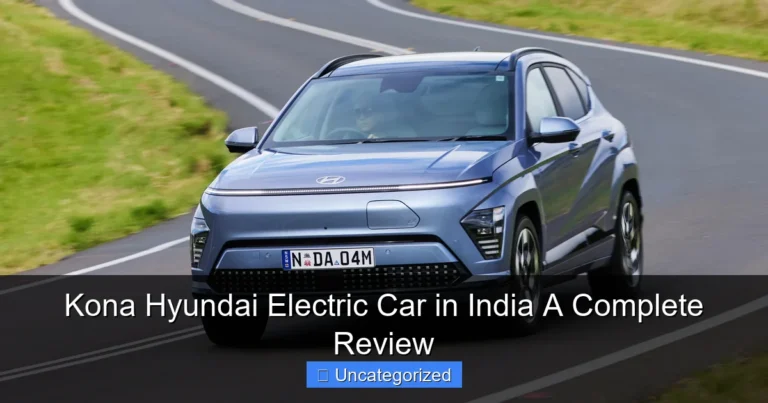
What Size Car Is a Hyundai Ioniq Electric A Complete Guide

Featured image for what size car is a hyundai ioniq electric
Image source: motortrend.com
The Hyundai Ioniq Electric is a compact car, offering a sleek, efficient design ideal for city driving and daily commutes. With exterior dimensions similar to a Honda Civic or Toyota Corolla, it balances maneuverability with a surprisingly spacious interior and 23 cubic feet of cargo room. Perfect for eco-conscious drivers seeking a nimble yet practical EV.
Key Takeaways
- Compact sedan: The Ioniq Electric fits urban driving with its small footprint and agile handling.
- Interior space: Roomy for its class, offering passenger comfort and practical cargo capacity.
- Dimensions: Measures 176″ L x 71″ W—ideal for tight parking and city navigation.
- Weight matters: Weighs ~3,200 lbs, balancing efficiency and stability on the road.
- Compare wisely: Smaller than Tesla Model 3 but competes well in range and features.
- Charging ease: Compact size simplifies home charging and access to public stations.
📑 Table of Contents
- Understanding the Hyundai Ioniq Electric: A Compact Powerhouse
- Exterior Dimensions and Vehicle Classification
- Interior Space and Passenger Comfort
- Cargo Capacity and Storage Solutions
- Comparison with Competing Electric Vehicles
- Driving Dynamics and Size Impact
- Conclusion: The Perfect Size for Modern Electric Driving
Understanding the Hyundai Ioniq Electric: A Compact Powerhouse
The Hyundai Ioniq Electric is a standout in the rapidly growing electric vehicle (EV) market, offering a compelling blend of efficiency, affordability, and modern technology. As consumers increasingly shift toward sustainable transportation, the Ioniq Electric has emerged as a popular choice for urban commuters, eco-conscious families, and first-time EV buyers. But one of the most common questions prospective buyers ask is: What size car is a Hyundai Ioniq Electric? This guide dives deep into the dimensions, classifications, and real-world usability of this compact EV to help you determine if it fits your lifestyle and driving needs.
Unlike gas-powered vehicles that often prioritize size and power, electric cars like the Ioniq Electric are engineered with efficiency, range, and urban practicality in mind. Its compact footprint doesn’t mean it skimps on space or features. In fact, the Ioniq Electric is a masterclass in maximizing interior utility within a smaller shell. Whether you’re navigating tight city streets, parking in crowded lots, or planning weekend getaways, understanding the vehicle’s size is critical. This comprehensive guide breaks down the Ioniq Electric’s dimensions, compares it to competitors, and explores how its size impacts everyday usability, cargo capacity, and driving dynamics.
Exterior Dimensions and Vehicle Classification
Official Size Metrics: Length, Width, and Height
The Hyundai Ioniq Electric is officially classified as a compact car by the U.S. Environmental Protection Agency (EPA) and major automotive bodies. Its exterior dimensions are designed for agility and efficiency, making it ideal for city driving. Here are the precise measurements (based on the latest model year, typically 2023–2024):

Visual guide about what size car is a hyundai ioniq electric
Image source: slashgear.com
- Length: 176.0 inches (4,470 mm)
- Width: 71.7 inches (1,820 mm) (including mirrors: 82.5 inches)
- Height: 57.1 inches (1,450 mm)
- Wheelbase: 106.3 inches (2,700 mm)
- Ground clearance: 5.9 inches (150 mm)
These figures place the Ioniq Electric squarely in the compact sedan category. For context, it’s slightly shorter than the Honda Civic (182.7 inches) and longer than the Toyota Prius (178.0 inches), but narrower than both. The relatively long wheelbase—relative to its overall length—contributes to a smoother ride and better cabin space distribution, a hallmark of Hyundai’s EV platform design.
Compact vs. Subcompact: Where the Ioniq Electric Fits
While the Ioniq Electric is compact, it’s important to distinguish it from subcompact models like the Hyundai Ioniq 5 (which is a compact SUV) or the Kia Niro EV (a subcompact SUV). The Ioniq Electric is a five-door liftback sedan, not a hatchback or SUV, despite its slightly raised ride height. This liftback design gives it a sleeker profile than traditional sedans while offering more rear cargo access than a standard trunk.
Compared to subcompact EVs like the Mini Cooper SE (151.7 inches long) or Fiat 500e (142.8 inches), the Ioniq Electric is significantly larger, offering more legroom, cargo space, and passenger comfort. It’s closer in size to the Chevrolet Bolt EV (163.2 inches), but with a more refined interior and longer wheelbase, enhancing ride quality and interior volume.
Practical Tip: If you frequently drive in dense urban areas, the Ioniq Electric’s 176-inch length makes it easy to parallel park or navigate narrow alleys. Its 36.4-foot turning radius ensures tight maneuverability, ideal for city dwellers.
Interior Space and Passenger Comfort
Seating Capacity and Legroom
The Hyundai Ioniq Electric seats five adults comfortably, though it’s best suited for four on longer trips. The cabin layout prioritizes driver and front passenger comfort, with generous legroom and ergonomic seating.
- Front headroom: 39.4 inches
- Front legroom: 42.2 inches
- Front shoulder room: 56.1 inches
- Rear headroom: 37.4 inches
- Rear legroom: 35.0 inches
- Rear shoulder room: 55.1 inches
The 35.0 inches of rear legroom is competitive for its class. For comparison, the Honda Insight offers 37.4 inches, while the Toyota Prius provides 33.4 inches. While not class-leading, the Ioniq Electric’s rear legroom is sufficient for average-height adults (5’8″–6’0″) on daily commutes or short trips. Taller passengers may find the rear seat a bit snug, especially with front seats fully reclined.
The flat rear floor (a benefit of EV architecture with no transmission tunnel) improves middle-seat comfort. However, the center position is best suited for children or occasional use due to a slightly raised seat cushion and limited foot space.
Interior Materials and Ergonomics
Hyundai uses eco-friendly materials throughout the cabin, including bio-based plastics, recycled PET bottles, and natural fiber-reinforced composites. This aligns with the vehicle’s sustainable ethos. The seats are upholstered in durable, stain-resistant fabric (or optional leather), and the dashboard features a minimalist, driver-focused layout.
The center console includes a 10.25-inch touchscreen (on higher trims), dual-zone climate control, and a rotary gear selector—saving space compared to traditional shifters. The steering wheel is adjustable for tilt and reach, ensuring a comfortable driving position for most body types.
Pro Tip: Use the “Driver Only” climate setting to conserve battery power on solo trips. This feature automatically reduces airflow to rear vents, extending range by up to 5% in cold weather.
Visibility and Driver Aids
The Ioniq Electric’s low beltline and large greenhouse (glass area) provide excellent outward visibility. The rear window is wide and unobstructed, making reversing easier. Standard features like a rearview camera, blind-spot monitoring, and lane-keeping assist compensate for the slightly elevated rear deck, which can limit rearward visibility when the trunk is full.
Cargo Capacity and Storage Solutions
Trunk Volume and Flexibility
One of the standout features of the Hyundai Ioniq Electric is its liftback design, which combines the sleek profile of a sedan with the cargo flexibility of a hatchback. The trunk opening is wide and tall, making it easy to load bulky items.
- Trunk volume (rear seats up): 23.8 cubic feet
- Trunk volume (rear seats folded): 69.7 cubic feet
- Trunk opening width: 37.4 inches
- Trunk opening height: 26.4 inches
With 23.8 cubic feet of standard cargo space, the Ioniq Electric outpaces most compact sedans. For reference:
- Honda Civic: 14.8 cu ft
- Toyota Prius: 19.8 cu ft
- Chevy Bolt EV: 16.6 cu ft
The rear 60/40 split-folding seats expand cargo capacity dramatically. When folded, the flat load floor allows you to transport items like bicycles (with front wheels removed), camping gear, or furniture. The trunk also includes a hidden underfloor compartment for storing the charging cable, tools, or emergency supplies—keeping them out of sight and protected.
Interior Storage: Smart Use of Space
Despite its compact footprint, the Ioniq Electric offers thoughtful interior storage:
- Front door pockets: Large enough for 1L water bottles
- Glove compartment: 1.2 cubic feet, lockable
- Center console bin: 2.5 cu ft with 12V outlet and USB ports
- Rear door pockets: Smaller, but fit smartphones and snacks
- Rear armrest: Includes dual cup holders
The front seats feature map pockets and a small tray under the center console for coins or keys. The absence of a traditional shifter frees up space for a larger center console and a wireless charging pad (available on higher trims).
Practical Example: A family of four can easily pack for a weekend trip: two carry-on suitcases in the trunk, a cooler in the underfloor compartment, and backpacks on the rear seats. The liftback design allows you to load items vertically (e.g., a stroller) without removing the front seats.
Comparison with Competing Electric Vehicles
Size and Class Comparison Table
| Vehicle | Length (in) | Wheelbase (in) | Trunk Volume (cu ft) | EPA Class | Turning Radius (ft) |
|---|---|---|---|---|---|
| Hyundai Ioniq Electric | 176.0 | 106.3 | 23.8 | Compact Car | 36.4 |
| Chevrolet Bolt EV | 163.2 | 102.4 | 16.6 | Subcompact Car | 35.1 |
| Toyota Prius | 178.0 | 106.3 | 19.8 | Compact Car | 34.2 |
| Honda Insight | 183.6 | 106.3 | 14.7 | Compact Car | 37.6 |
| Kia Niro EV | 172.8 | 106.3 | 18.5 | Subcompact SUV | 37.4 |
This table highlights key differences. While the Bolt EV is shorter and more agile, it sacrifices cargo space and interior room. The Prius matches the Ioniq Electric’s wheelbase but has a smaller trunk. The Niro EV, though labeled an SUV, is only 3.2 inches shorter than the Ioniq Electric and offers slightly less cargo volume—proving that size labels can be misleading. The Ioniq Electric strikes a balance: compact enough for cities, spacious enough for practicality.
Real-World Usability: Who Should Consider the Ioniq Electric?
The Ioniq Electric is ideal for:
- Urban commuters: Its compact size and 170-mile range (EPA) are perfect for daily drives under 50 miles.
- Eco-conscious families: Ample trunk space and five seats suit small families or carpooling.
- First-time EV owners: The intuitive interface and low maintenance make it an easy entry point.
- Suburban dwellers: The liftback design handles groceries, bikes, and DIY projects with ease.
However, it may not suit those who regularly:
- Carry three adults in the back for long trips (tight rear legroom)
- Need to tow trailers (the Ioniq Electric is not rated for towing)
- Drive on rough off-road terrain (low ground clearance)
Driving Dynamics and Size Impact
Agility and Handling
The Hyundai Ioniq Electric’s compact dimensions directly enhance its driving dynamics. The low center of gravity (thanks to the underfloor battery pack) reduces body roll, making cornering stable and predictable. The electric motor delivers instant torque (118 lb-ft), providing quick acceleration from 0–30 mph—ideal for merging or city traffic.
With a 36.4-foot turning radius, the Ioniq Electric can execute tight U-turns and parallel park in spots just 19 feet long. For context, a standard parking space is 9 feet wide and 18 feet long, leaving ample room for maneuvering.
On highways, the car feels planted at 65–70 mph, though crosswinds can cause slight sway due to its lightweight (3,200 lbs). The suspension is tuned for comfort, absorbing bumps well, but sportier drivers may find it underdamped.
Parking and Urban Navigation
The Ioniq Electric’s size is a major advantage in cities:
- Parallel parking: The 71.7-inch width fits easily in standard 7-foot-wide spaces.
- Garage clearance: At 57.1 inches tall, it fits in most residential garages (minimum 7-foot height).
- Lane splitting: In states where permitted, its narrow width (excluding mirrors) allows filtering between lanes.
Pro Tip: Use the “Parking Distance Warning” system (standard on SEL and Limited trims) to avoid curbs and obstacles. The sensors activate automatically when reversing below 5 mph.
Range and Efficiency: How Size Affects Performance
The Ioniq Electric’s compact size contributes to its 133 MPGe city and 108 MPGe highway efficiency ratings. The aerodynamic design (0.24 drag coefficient) minimizes energy loss, while the lightweight body reduces battery drain. The 38.3 kWh battery provides a real-world range of 150–170 miles, sufficient for 90% of daily commutes.
Compared to larger EVs like the Ford Mustang Mach-E (157 MPGe, 270-mile range), the Ioniq Electric sacrifices range for affordability and agility. It’s not designed for long-haul travel but excels in stop-and-go environments.
Conclusion: The Perfect Size for Modern Electric Driving
The Hyundai Ioniq Electric is a compact liftback sedan that masterfully balances size, space, and efficiency. At 176.0 inches long, 71.7 inches wide, and 57.1 inches tall, it’s small enough to navigate urban jungles yet spacious enough to handle family needs, cargo, and daily commutes. Its 23.8 cubic feet of trunk space, 35.0 inches of rear legroom, and 69.7 cubic feet of maximum cargo volume defy traditional compact car limitations.
When compared to rivals, the Ioniq Electric holds its own—offering more cargo room than the Bolt EV, better ergonomics than the Prius, and greater efficiency than larger SUVs. Its size directly translates to real-world benefits: easier parking, lower energy consumption, and a smoother ride. Whether you’re a city dweller, a small family, or a sustainability advocate, the Ioniq Electric’s dimensions are thoughtfully engineered for modern life.
Ultimately, the answer to “What size car is a Hyundai Ioniq Electric?” is simple: it’s a compact car with the heart of a practical, eco-friendly, and technologically advanced EV. It’s not the largest, nor the smallest—but it’s just right for the majority of drivers seeking a smart, efficient, and enjoyable electric experience. If you value agility, sustainability, and everyday usability without sacrificing comfort, the Ioniq Electric is a size that truly fits.
Frequently Asked Questions
What size car is a Hyundai Ioniq Electric in terms of exterior dimensions?
The Hyundai Ioniq Electric is a compact car with an overall length of 176 inches, a width of 71.7 inches, and a height of 57.1 inches. Its wheelbase measures 106.3 inches, placing it squarely in the compact sedan segment.
Is the Hyundai Ioniq Electric a small or midsize car for city driving?
The Ioniq Electric is classified as a compact car, making it ideal for city driving due to its nimble handling and tight turning radius. Its smaller footprint allows for easy parking and maneuvering in urban environments.
What size car is a Hyundai Ioniq Electric compared to the Tesla Model 3?
The Hyundai Ioniq Electric is slightly smaller than the Tesla Model 3, with a shorter wheelbase and overall length. While both are compact sedans, the Ioniq Electric offers a more affordable entry point with slightly less interior space.
How does the Hyundai Ioniq Electric’s interior space compare to other compact EVs?
The Ioniq Electric offers 96.6 cubic feet of passenger volume and 23 cubic feet of cargo space, which is competitive for its class. It provides ample room for four adults and everyday cargo needs.
What size car is a Hyundai Ioniq Electric in terms of seating and trunk capacity?
The Ioniq Electric seats five passengers with 38.4 inches of rear legroom and a 23-cubic-foot trunk. This makes it a practical choice for small families or commuters needing reliable cargo space.
Is the Hyundai Ioniq Electric suitable for taller drivers?
Yes, the Ioniq Electric offers 40.3 inches of front headroom and 42.2 inches of front legroom, accommodating drivers up to 6 feet tall. Its adjustable seats and tilt/telescoping steering wheel enhance comfort for taller occupants.