Who Regulates Electric Car Charging Stations in Florida Revealed
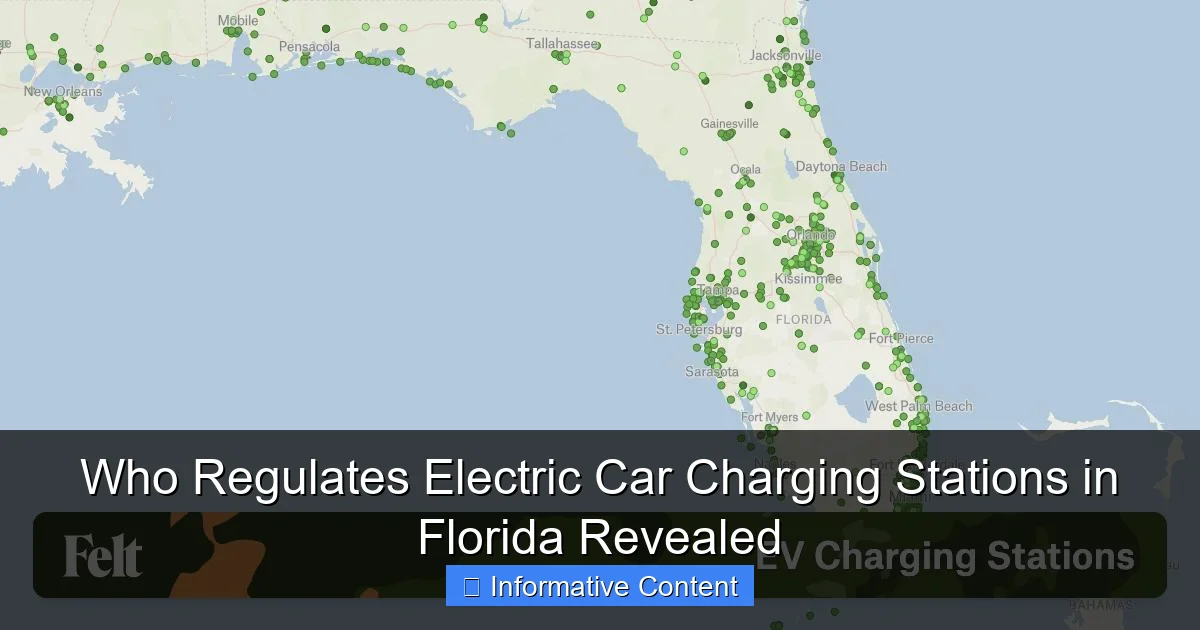
Featured image for who regulates electric car charging stations in florida
Image source: wfstaticmap.felt.com
The Florida Department of Agriculture and Consumer Services (FDACS) is the primary regulator of electric car charging stations in Florida, overseeing safety, accuracy, and consumer protection standards. Local governments and utility providers also play key roles in permitting, infrastructure support, and rate approvals, ensuring a reliable EV charging network across the state.
Key Takeaways
- Florida PSC oversees electric vehicle charging station regulations statewide.
- Local governments enforce zoning and permitting for charger installations.
- FDOT funds infrastructure through grants and public-private partnerships.
- Chargers must meet state safety and technical standards for compliance.
- Private operators follow utility commission rules for fair pricing.
Quick Answers to Common Questions
Who is responsible for regulating electric car charging stations in Florida?
The Florida Department of Agriculture and Consumer Services (FDACS) oversees the regulation of electric car charging stations in Florida, ensuring safety and accurate billing for consumers.
Do electric car charging stations in Florida need to meet specific standards?
Yes, charging stations must comply with FDACS regulations, including proper labeling, pricing transparency, and metrology standards for public use.
Can local governments in Florida set their own rules for charging stations?
Local governments can install and manage charging infrastructure, but they must still follow state regulations set by FDACS for public charging stations.
Are private charging stations at homes or businesses regulated in Florida?
Private charging stations used exclusively by the owner are generally not regulated, but public or commercial stations must meet Florida’s safety and billing requirements.
How can I report a problem with an electric car charging station in Florida?
You can report issues like inaccurate pricing or malfunctioning equipment to the Florida Department of Agriculture and Consumer Services online or by phone.
📑 Table of Contents
- Who Regulates Electric Car Charging Stations in Florida Revealed
- State-Level Oversight: The Florida Public Service Commission
- Local Governments: City and County Regulations
- Utility Companies: Powering the Charge
- Private Operators and Market Forces
- Safety and Technical Standards
- Future Outlook: What’s Next for EV Regulation in Florida?
- Key Regulatory Bodies and Their Roles (Summary Table)
- Conclusion: Charging Ahead with Confidence
Who Regulates Electric Car Charging Stations in Florida Revealed
Imagine this: You’ve just bought your first electric car, excited to reduce your carbon footprint and save on gas. You plug in at home, everything works perfectly. But then you take a road trip across Florida—maybe from Miami to Tallahassee or Orlando to Tampa—and suddenly, you’re hunting for a charging station. You find one, pull up, and… it’s out of order. Or worse, the charger doesn’t match your car’s plug. Frustrating, right?
As electric vehicles (EVs) become more common on Florida roads, the need for reliable, accessible charging infrastructure grows. But who’s making sure these charging stations are safe, functional, and fairly priced? That’s the million-dollar question. The answer isn’t as simple as you might think. Unlike gas stations, which have been around for over a century, EV charging stations are still relatively new, and the rules governing them are still evolving. In Florida, regulation is a patchwork of state agencies, local governments, utility companies, and private operators—all playing different roles.
In this post, we’ll break down exactly who regulates electric car charging stations in Florida, how these rules affect EV owners, and what you need to know to charge with confidence. Whether you’re a new EV driver or just curious about the future of transportation, this guide will give you the inside scoop—no jargon, no fluff, just real talk.
State-Level Oversight: The Florida Public Service Commission
At the top of the regulatory pyramid in Florida is the Florida Public Service Commission (FPSC). This state agency is primarily known for overseeing utilities like electricity, natural gas, and telecommunications. But in recent years, the FPSC has taken a growing interest in EV charging infrastructure—especially when it comes to pricing and utility involvement.
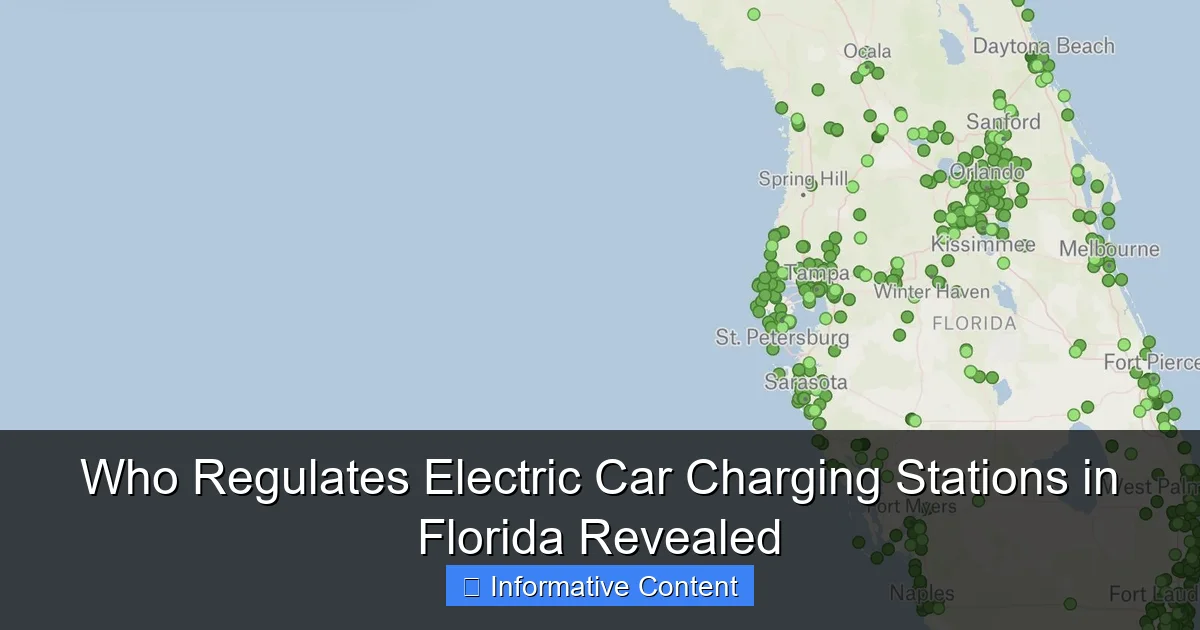
Visual guide about who regulates electric car charging stations in florida
Image source: wfstaticmap.felt.com
Regulating Utility-Owned Charging Stations
One of the FPSC’s key roles is deciding whether electric utilities—like Florida Power & Light (FPL) or Duke Energy—can own and operate public charging stations. For years, there was a gray area: Could utilities use ratepayer money to build chargers? In 2021, the FPSC clarified that utilities can invest in EV charging infrastructure, but only under strict conditions. These include proving that the investment benefits all customers (not just EV owners) and ensuring fair competition with private companies.
For example, FPL’s “EVolution” program, approved by the FPSC, installs Level 2 and DC fast chargers across the state. But the commission required FPL to partner with private operators for maintenance and customer service, preventing monopolistic control.
Setting Rules for Charging Rates
The FPSC also regulates how much utilities can charge for electricity at public charging stations. Unlike gasoline, which is priced by the gallon, EV charging is billed by the kilowatt-hour (kWh). The FPSC ensures that these rates are transparent and fair, especially when utilities are involved. They’ve also encouraged time-of-use pricing—charging less during off-peak hours—to help manage grid demand and save drivers money.
Tip: If you see unusually high charging fees at a station run by a utility, you can file a complaint with the FPSC. They take consumer concerns seriously and can investigate pricing practices.
Local Governments: City and County Regulations
While the state sets broad rules, much of the day-to-day regulation happens at the local level. Cities and counties in Florida have significant authority over where charging stations can be built, how they’re permitted, and what safety standards they must meet.
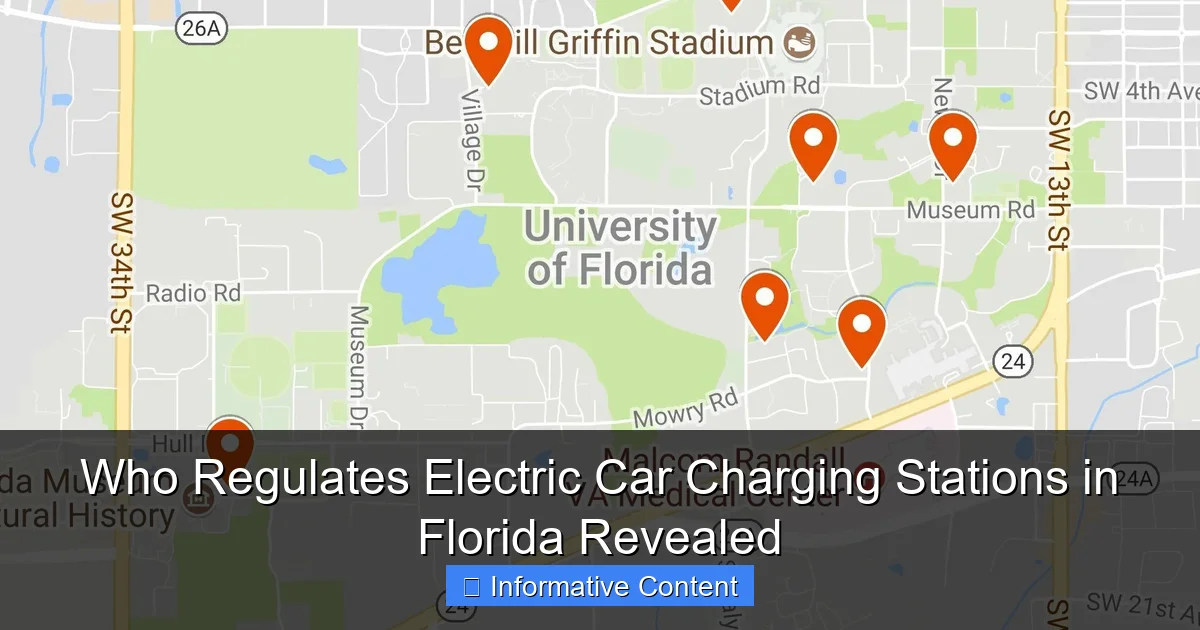
Visual guide about who regulates electric car charging stations in florida
Image source: printablemapforyou.com
Zoning and Permitting
Before a charging station can be installed, it usually needs zoning approval and building permits. Local governments decide whether a site—like a shopping center, parking garage, or public park—is suitable for EV infrastructure. Some cities, like Miami and Orlando, have streamlined their permitting processes to encourage faster deployment. Others still have lengthy approval timelines.
For instance, in 2022, the City of Tampa launched a “Fast-Track EV Permit” program that reduces approval time from 60 days to just 10 for qualifying projects. This kind of local initiative can make a big difference in how quickly new stations come online.
Building Codes and Accessibility
Local building departments enforce Florida’s building codes, which include requirements for EV charging infrastructure. Since 2020, the Florida Building Code has mandated that new commercial and multifamily buildings include a certain percentage of EV-ready parking spaces. For example, a new apartment complex with 100 units might need at least 10 spaces wired for future chargers.
Additionally, the Americans with Disabilities Act (ADA) requires that charging stations be accessible to people with disabilities. This means proper clearance, signage, and sometimes even dedicated accessible charging ports. Local inspectors check for compliance during construction and renovations.
Utility Companies: Powering the Charge
You might not think of your electric company as a regulator, but in Florida, utilities play a major role in shaping the EV charging landscape. They’re not just supplying the electricity—they’re often funding, installing, and maintaining charging stations.
Utility-Led Charging Programs
Several Florida utilities have launched programs to expand charging access. Duke Energy’s “Park & Plug” initiative, for example, has installed over 500 Level 2 chargers at parks, libraries, and community centers across the state. These stations are often free or low-cost for the first few hours, encouraging public use.
But here’s the catch: These programs are voluntary and depend on utility budgets and regulatory approval. If the FPSC denies a funding request, the project stalls. That’s why advocacy groups and EV owners often lobby the commission to support utility investments.
Demand Charges and Grid Impact
One challenge utilities face is “demand charges”—fees based on the peak amount of electricity used during a billing period. For fast chargers, which can draw a lot of power quickly, these charges can be steep. To help, some utilities offer special EV charging rates that reduce or eliminate demand charges for commercial operators.
Tip: If you’re a business owner thinking about installing chargers, ask your utility about EV-specific rate plans. They can save you hundreds—or even thousands—of dollars per year.
Private Operators and Market Forces
Not all charging stations in Florida are run by the government or utilities. In fact, most public fast chargers are operated by private companies like Electrify America, EVgo, and ChargePoint. These companies install, maintain, and price their own networks—but they still operate within a regulated framework.
Franchise Agreements and Partnerships
Private operators often partner with retailers, hotels, or parking garages to host their chargers. These agreements are governed by contracts, not laws, but they must still comply with state and local regulations. For example, a charger installed at a Walmart in Jacksonville must meet Florida’s electrical safety standards and ADA requirements.
Some operators also receive state or federal grants to expand their networks. Electrify America, for instance, is building dozens of fast chargers across Florida as part of a settlement with Volkswagen over the “Dieselgate” scandal. These stations are subject to performance metrics—like uptime and user satisfaction—set by funding agreements.
Pricing Transparency and Consumer Protection
While private companies set their own prices, Florida law requires clear disclosure of fees. You should always see pricing information before you plug in—whether it’s per kWh, per minute, or a flat session fee. If a station doesn’t display prices clearly, that’s a red flag.
Also, be aware of “charging etiquette.” Some networks charge idle fees if you leave your car plugged in after it’s fully charged. This helps keep stations available for others. Always check the app or screen for rules before you walk away.
Safety and Technical Standards
No matter who operates a charging station, safety is non-negotiable. Florida follows national standards set by organizations like the National Fire Protection Association (NFPA) and the Society of Automotive Engineers (SAE).
Electrical Safety and Inspections
All charging equipment must meet National Electrical Code (NEC) standards, which are adopted into Florida law. This includes proper grounding, circuit protection, and weatherproofing for outdoor units. Licensed electricians must install and inspect the equipment, and local building departments sign off before it goes live.
For example, a DC fast charger installed at a rest stop on I-75 must withstand Florida’s heat, humidity, and lightning storms. Regular maintenance checks are required to ensure reliability and safety.
Plug Types and Compatibility
There are several types of EV plugs, and not all chargers work with all cars. In Florida, the most common are:
- J1772: Used for Level 1 and Level 2 charging (most EVs except Tesla)
- CCS (Combined Charging System): Used for DC fast charging (most non-Tesla EVs)
- CHAdeMO: Used by some older Nissan and Mitsubishi models
- Tesla: Proprietary plug, but adapters are available for CCS and J1772
Tip: Always check the charger type before you arrive. Apps like PlugShare or ChargePoint show compatibility and real-time availability.
Future Outlook: What’s Next for EV Regulation in Florida?
As EV adoption accelerates, Florida’s regulatory framework will continue to evolve. The state has set a goal of having 200,000 EVs on the road by 2030, and charging infrastructure is key to reaching that target.
Federal Funding and the NEVI Program
Thanks to the federal National Electric Vehicle Infrastructure (NEVI) program, Florida is set to receive over $100 million to build a statewide network of fast chargers along major highways. These stations must meet strict federal standards—like being no more than 50 miles apart and accessible 24/7.
The Florida Department of Transportation (FDOT) is leading this effort, working with private partners to select sites and oversee construction. This federal involvement adds another layer of oversight, ensuring consistency and quality.
Consumer Advocacy and Public Input
Regulation isn’t just top-down. EV owners, environmental groups, and community organizations are increasingly involved in shaping policy. Public comment periods, town halls, and advisory committees give residents a voice in how charging infrastructure develops.
If you care about EV access, consider joining a group like the Florida Electric Vehicle Association or attending an FPSC hearing. Your input can help make charging more fair, reliable, and widespread.
Key Regulatory Bodies and Their Roles (Summary Table)
| Regulatory Body | Primary Role | Example in Florida |
|---|---|---|
| Florida Public Service Commission (FPSC) | Regulates utility-owned stations and pricing | Approves FPL’s EVolution program |
| Local Governments (Cities/Counties) | Zoning, permits, building codes | Tampa’s Fast-Track EV Permit |
| Utility Companies | Install and maintain chargers; set rates | Duke Energy’s Park & Plug |
| Private Operators | Operate public charging networks | Electrify America stations on I-95 |
| Florida Department of Transportation (FDOT) | Oversees federal NEVI funding | Highway fast-charger deployment |
Conclusion: Charging Ahead with Confidence
So, who regulates electric car charging stations in Florida? The short answer: a lot of people. From the Florida Public Service Commission to your local city council, multiple entities work together—sometimes in harmony, sometimes in tension—to build and manage the state’s growing EV infrastructure.
The good news? The system is improving. With federal funding, utility investments, and smarter local policies, Florida is becoming more EV-friendly every year. But challenges remain—like inconsistent pricing, limited rural access, and the need for better maintenance.
As an EV owner or future buyer, you don’t need to be a policy expert. But understanding who’s in charge can help you navigate the charging landscape, advocate for better service, and make informed decisions. Whether you’re plugging in at a beachside rest stop or a downtown parking garage, knowing the rules behind the cord gives you peace of mind.
So next time you charge up, take a moment to appreciate the network behind the plug. It’s not just electricity flowing—it’s progress, powered by regulation, innovation, and a shared vision for a cleaner future.
Frequently Asked Questions
Who regulates electric car charging stations in Florida?
In Florida, electric car charging stations are primarily regulated by the Florida Department of Agriculture and Consumer Services (FDACS), specifically through its Bureau of Weights and Measures. This agency ensures that charging equipment meets accuracy and safety standards for consumer protection.
Does the state government oversee EV charging station installations?
Yes, the Florida Department of Transportation (FDOT) plays a role in overseeing public EV charging infrastructure, especially along highways and state-funded projects. However, local municipalities may also have zoning and permitting requirements for installation.
Are private charging stations subject to state regulation?
Private residential charging stations are generally not regulated beyond standard electrical codes enforced by local building departments. However, public or commercial charging stations must comply with FDACS regulations for metering and safety.
What agency ensures the accuracy of electric car charging meters in Florida?
The Florida Department of Agriculture and Consumer Services (FDACS) is responsible for inspecting and certifying the accuracy of electric vehicle supply equipment (EVSE) used for public charging. This ensures consumers are billed fairly based on actual energy usage.
Can local governments in Florida set their own rules for EV chargers?
Yes, local governments in Florida can regulate the placement, permitting, and zoning of electric car charging stations within their jurisdictions. However, they must align with state safety and measurement standards set by FDACS.
Is there a Florida-specific program that supports EV charging infrastructure?
Florida supports EV adoption through programs like the Florida Electric Vehicle Initiative and federal funding from the National Electric Vehicle Infrastructure (NEVI) program. These efforts are coordinated by FDOT and other state agencies to expand public charging access.