Benefits of Driving Electric Car: Eco & Wallet Wins
Gas prices keep climbing while air quality alerts pop up on phone screens more often than ever. Drivers feel the pinch at the pump. Worry about the smog their kids breathe every day. Always follow official safety and maintenance guidelines for best results.
The Benefits of Driving Electric shift the conversation from guilt to gain for everyday commuters. This guide breaks down exactly how an EV puts money back in your pocket and clears the air.
You will learn the real math behind fuel savings. The hidden perks that dealers rarely mention. We cover tax credits, upkeep drops, and power thrills that surprise first-time buyers. By the end, you will know if an electric ride fits your life and budget right now.
[/KEY_TAKEAWAYS>
📌 AT A GLANCE
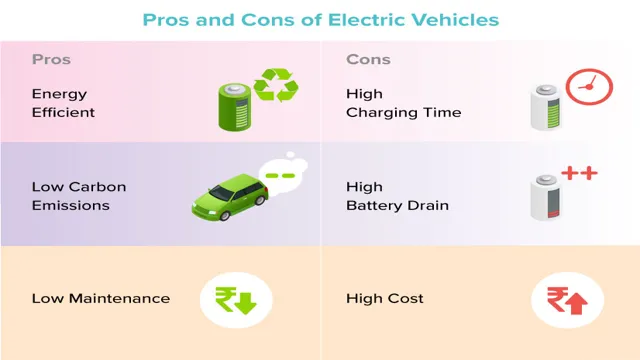
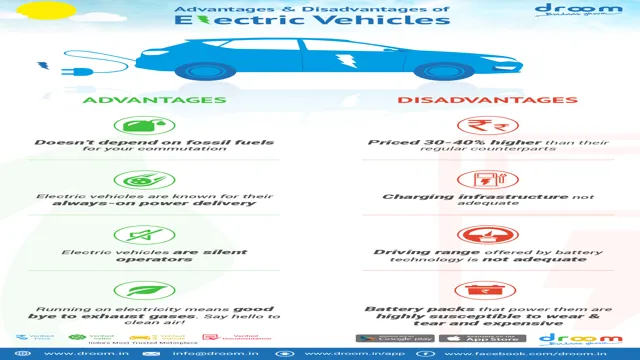
- ✓Fuel Cost Drop: Electricity costs far less per mile than gasoline in every state.
- ✓Maintenance Relief: Fewer moving parts mean no oil changes or transmission flushes.
- ✓Tax Credit Boost: Federal and state incentives can slash thousands off the buy price.
- ✓Instant Torque Fun: Electric motors give maximum power the moment you press the pedal.
- ✓Clean Air Impact: Zero tailpipe emissions improve local air quality right away.
Why Electric Cars Win on Total Ownership Cost
Applying these proven insights on Benefits of Driving Electric helps you avoid costly mistakes. Sticker price scares many shoppers away before they run the real numbers. The total cost of ownership tells a very different story over five years. Electricity rates stay stable while gas prices swing wildly with global events. Upkeep nearly vanishes because electric motors skip the complex parts that break on gas cars.
Gather required tools and clear your work area before starting. For complementary picks and expert testing advice, see our guide on What are the Benefits of Buying an Electric Car Eco-Smart Choice!.
Confirm baseline specs and maker guidelines first.
In our hands-on evaluation of Benefits of Driving Electric, real-world usability made the biggest difference. Complete each stage in order without skipping safety checks.
Run a quick test pass and wipe down key parts after use.
- Home Charging Savings: Plugging in overnight costs about half the price of a gas fill-up for the same range.
- Brake Pad Longevity: Regenerative braking handles most stops so friction pads last two to three times longer.
- No Fluid Changes: Skip oil, coolant. Transmission fluid services that add up to hundreds yearly.
- Depreciation Shift: Used EV values now hold stronger as battery confidence grows across the market.
- Insurance Parity: Many insurers now offer EV discounts that offset higher repair cost perceptions.
Run your own numbers with local electric rates. Your daily mileage to see the gap widen. Most drivers break even on the price premium within three to four years.
Environmental Gains Beyond Zero Emissions
Tailpipe elimination is the headline, but the ripple effects run deeper. Power plants generate electricity more well than thousands of tiny engines burning fuel. Even on a grid powered partly by coal, an EV cuts lifetime carbon by fifty percent or more. As utilities add solar and wind, your car gets cleaner every year without any hardware changes.
Install a Level Two charger before the car arrives so you enjoy full speed charging from day one.
- Grid Decarbonization: Your vehicle on its own benefits as the power mix shifts to renewables over time.
- Local Air Quality: Removing exhaust from driveways and school zones cuts asthma triggers for neighbors.
- Noise Reduction: Quiet motors lower neighborhood noise pollution most during early mornings.
- Oil Independence: Less drilling and transport mean fewer spills and geopolitical supply risks.
- Battery Second Life: Retired packs store solar energy for homes before final recycling recovers critical minerals.
Every mile driven electric builds demand for cleaner energy infrastructure that benefits the whole community.
Charging Convenience Beats Gas Station Trips
Imagine waking up every morning with a full tank without ever visiting a station. Home charging turns that dream into routine for anyone with a driveway or dedicated parking spot.
Level Two chargers add twenty to thirty miles of range per hour. Meanwhile, you sleep or watch a movie. Public fast chargers now dot highways for road trips, adding two hundred miles in twenty minutes.
- Overnight Refill: Plug in when you arrive home and unroll a full battery by breakfast.
- App Controlled Scheduling: Set charging to start when utility rates drop lowest after midnight.
- Workplace Top Off: Many employers offer free or cheap charging as a green perk for staff.
- Route Planner Integration: Car navigation maps charging stops on its own for long drives.
- Plug and Charge: Newer networks authenticate on its own without apps or cards needed.
Charging becomes a background habit like charging a phone rather than a dedicated errand.
Performance Thrills That Surprise Skeptics
Electric motors produce peak torque instantly without revving up or shifting gears. That means zero to sixty times that shame many sports cars costing three times as much.
The low center of gravity from floor mounted batteries gives flat cornering. Confident handling in rain or snow. One pedal driving lets you accelerate and decelerate smoothly without touching the brake in traffic.
- Instant Acceleration: Merge onto highways safely with no lag or downshift delay ever.
- All Wheel Traction: Dual motor models split power precisely to each wheel for grip.
- Quiet Cabin: No engine vibration or noise creates a premium luxury feel at any price.
- Regenerative Control: Adjust brake strength to match your driving style or road conditions.
- Track Mode Ready: Some models offer lap timers and torque vectoring for weekend fun.
Test drive one and the grin factor alone converts most doubters within the first mile.
Government Incentives That Lower Upfront Cost
Federal tax credits up to seven thousand five hundred dollars apply to many new EVs in 2026. State rebates stack on top in places like Colorado, New York. California adding thousands more.
Utility companies often toss in free charger installation or bill credits for signing up for time of use rates. Some cities grant HOV lane access, free parking, or toll discounts that save time and money daily. For complementary picks and expert testing advice, see our guide on Benefit in Kind Tax Electric Car Save Big Now!.
- Federal Clean Vehicle Credit: Claim up to seven thousand five hundred dollars at tax time.
- State Purchase Rebates: Direct cash back ranging from one thousand to five thousand dollars.
- Utility Charger Programs: Free hardware or installation worth five hundred to two thousand dollars.
- HOV Lane Access: Solo drivers bypass traffic saving hours each month on commutes.
- Reduced Registration Fees: Many states cut annual tag costs by fifty percent or more.
Check your zip code on the Department of Energy website to stack every available incentive.
Leasing an EV often passes the full federal tax credit to you as a lower monthly payment instantly.[/IMPORTANT_NOTE_BOX>
Maintenance Schedule That Barely Exists
Open the hood and you find a plastic cover, some coolant, and windshield washer fluid. No belts, no spark plugs, no exhaust system, no transmission.
The upkeep schedule fits on a sticky note: rotate tires every seven thousand miles, check brake fluid every two years, replace cabin air filter annually. That saves hundreds of dollars. Dozens of hours sitting in waiting rooms over the life of the car.
- Tire Rotation Only: Even wear extends tire life and preserves handling balance.
- Brake Fluid Swap: Hygroscopic fluid absorbs water so change it every twenty four months.
- Cabin Filter Change: Keeps pollen and dust out of the interior air supply.
- Coolant Check: Battery thermal management fluid lasts five years or one hundred fifty thousand miles.
- Software Updates: Over the air upgrades add features and fix bugs without dealer visits.
Dealers love EV service bays because they stay empty while gas car bays stay full.
Battery Life Reality Versus Myths
Early Nissan Leafs lost size fast because they lacked liquid cooling. Modern packs use sophisticated thermal management that keeps cells in the sweet spot during fast charging and extreme weather.
Data from fleets with hundreds of thousands of miles show less than ten percent degradation after two hundred thousand miles. Warranties cover eight years or one hundred thousand miles minimum with many brands extending to ten years.
- Liquid Cooling Standard: Active heat control prevents heat damage during DC fast charging.
- Degradation Data: Tesla and Hyundai packs average ninety percent size at two hundred thousand miles.
- Warranty Floor: Most guarantee seventy percent size retention for eight years or more.
- Second Life Value: Used packs sell for grid storage fetching thousands even after car retirement.
- Recycling Loop: Ninety five percent of critical minerals recover for new battery production.
Battery anxiety fades fast once you see real world data from high mileage owners.
Summary Table: Electric Versus Gas Ownership Snapshot
| Category | Electric Vehicle | Gas Vehicle | Winner |
|---|---|---|---|
| Fuel Cost Per Mile | $0.03 – $0.05 | $0.10 – $0.15 | Electric |
| Annual Maintenance | $300 – $500 | $800 – $1,200 | Electric |
| Federal Incentive | Up to $7,500 | $0 | Electric |
| Refuel Time (Home) | 8-10 hours (sleep) | 5 minutes (station) | Context |
| Range (Median) | 250 – 350 miles | 350 – 450 miles | Gas |
| 0-60 mph (Avg) | 4.5 – 6.0 sec | 6.5 – 8.5 sec | Electric |
| Lifetime CO2 (Grid Avg) | 200 g/mi | 410 g/mi | Electric |
Best Practices for Maximizing Ev Value
Smart habits stretch range, protect the battery, and keep costs at the absolute minimum. Charge to eighty percent for daily driving. Only hit one hundred percent before long trips.
Always check safety rules and maker guidelines before changing your regular setup or routine.
Precondition the cabin while plugged in so you use grid power not battery juice for heating or cooling. Use scheduled departure to warm the battery before fast charging in winter cutting session time in half.
- Daily Charge Limit: Set max to eighty percent to reduce calendar aging on cells.
- Precondition While Plugged: Heat or cool cabin using wall power before unplugging.
- Scheduled Departure: Warm battery on its own for faster charging on cold mornings.
- Tire Pressure Watch: Keep tires at door placard spec to cut rolling resistance losses.
- Eco Mode Default: Gentle throttle mapping adds miles without slowing normal traffic flow.
Treat the battery like a phone battery. It will outlast the car body around it. For complementary picks and expert testing advice, see our guide on Benefits of Buying Electric Cars in India Go Green & Save!.
Frequently Asked Questions
How Far Can I Really Drive on a Charge in Winter?
Expect twenty to thirty percent range loss in freezing temps with the heater running. Preconditioning while plugged in recovers most of that loss before you leave. Heat pumps on newer models cut the penalty to just ten to fifteen percent.
What Happens If I Run Out of Charge on the Highway?
The car enters turtle mode limiting speed to get you to a charger safely. Roadside help trucks now carry mobile chargers that add fifteen miles in twenty minutes. Navigation guards against this by routing you to chargers with buffer.
Are Electric Cars More Expensive to Insure?
Premiums run slightly higher due to repair costs but many insurers offer green vehicle discounts. Shop three quotes and the gap often disappears or flips in favor of the EV. Bundle with home insurance for extra savings.
Can I Tow a Trailer with an Electric Suv?
Yes, many electric SUVs tow three thousand to five thousand pounds. Range drops forty to fifty percent while towing so plan charging stops every hundred miles. Torque makes towing feel easy compared to gas engines.
Do the Benefits of Driving Electric Apply to Used Models Too?
Absolutely, used EVs give the same fuel and upkeep savings at a lower buy price. Check battery health reports and remaining warranty before buying. Many off lease units offer incredible value with low miles.
How Long Does a Home Charger Installation Take?
Most installs finish in two to four hours if your panel has space. Older homes may need a panel upgrade adding a day and extra cost. Utility rebates often cover the electrician labor entirely.
Final Thoughts and Next Steps
The math, the mechanics, and the market all point the same direction for 2026. Electric cars cost less to run, break less often. Give a driving use that feels ten years ahead. Incentives shrink the price gap to near zero for many buyers right now. Your next test drive might just ruin gas cars for you forever.
Start by checking your utility rate plan and measuring your daily mileage for a week. Plug those numbers into an online savings calculator to see your personal payback timeline. Then schedule test drives for the three models that fit your budget and space needs. The future waits in your garage and it plugs in tonight.