Nissan Leaf Electric Cars 2018 A Complete Review and Buyer Guide

Featured image for nissan leaf electric cars 2018
The 2018 Nissan Leaf sets a new standard for affordable, zero-emission driving with an upgraded 150-mile range and bold, aerodynamic styling. Packed with advanced tech like ProPILOT Assist and e-Pedal, it delivers a seamless blend of innovation, comfort, and eco-friendly performance—making it a top contender in the compact EV market.
Key Takeaways
- Test drive first: Experience the Leaf’s smooth acceleration and quiet ride before buying.
- Check battery health: Older models may have degraded range; inspect battery reports.
- Prioritize trims: Higher trims offer ProPILOT Assist and better infotainment features.
- Verify charging: Confirm access to Level 2 or DC fast charging near your home.
- Compare costs: Calculate long-term savings on fuel and maintenance versus upfront price.
- Review incentives: Research federal and local EV tax credits to reduce purchase cost.
📑 Table of Contents
- The Nissan Leaf Electric Cars 2018: A New Chapter in Sustainable Mobility
- Design and Interior: Modern Aesthetics with Practical Functionality
- Performance and Driving Experience: Smooth, Silent, and Responsive
- Range, Charging, and Battery Technology: Practical for Daily Use
- Technology and Safety Features: Smart and Secure
- Pricing, Trims, and Ownership Costs: Value and Long-Term Savings
- Final Verdict: Is the 2018 Nissan Leaf Right for You?
The Nissan Leaf Electric Cars 2018: A New Chapter in Sustainable Mobility
The 2018 Nissan Leaf marked a pivotal moment in the evolution of electric vehicles (EVs), representing a bold leap forward in range, technology, and accessibility. As the second generation of the world’s best-selling all-electric car, the 2018 Leaf built upon the legacy of its pioneering predecessor while addressing many of the limitations that had held back mass EV adoption. With a sleek new design, improved battery capacity, and advanced driver assistance features, the 2018 Leaf wasn’t just another electric car—it was a statement: affordable, practical, and eco-friendly mobility had arrived for the everyday driver.
At a time when environmental concerns were escalating and governments were tightening emissions regulations, the 2018 Nissan Leaf emerged as a timely solution. It offered consumers a compelling alternative to gasoline-powered vehicles without sacrificing comfort, safety, or driving enjoyment. Whether you’re a city commuter tired of rising fuel costs, a tech-savvy driver intrigued by smart features, or an environmentally conscious buyer looking to reduce your carbon footprint, the 2018 Leaf had something to offer. This comprehensive review and buyer guide will take you through every critical aspect of the 2018 Nissan Leaf—from performance and range to pricing, ownership costs, and real-world usability—so you can make an informed decision about whether this EV is the right fit for your lifestyle.
Design and Interior: Modern Aesthetics with Practical Functionality
Exterior Styling: A Fresh, Futuristic Look
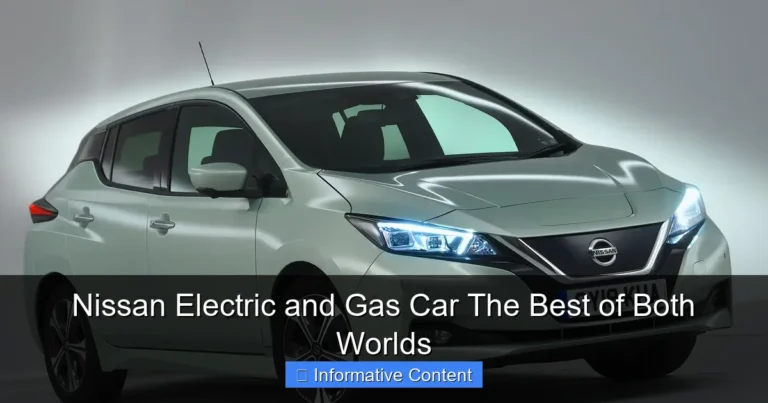
The 2018 Nissan Leaf underwent a significant visual transformation compared to its first-generation model. Gone was the quirky, polarizing design; in its place stood a more aerodynamic, modern, and cohesive shape. The front end featured Nissan’s signature V-Motion grille (a design cue even on EVs), flanked by sharp LED headlights and a distinctive blue-tinted accent strip that subtly signaled its electric identity. The hood was longer, the roofline more sloped, and the overall stance more planted—giving the Leaf a sportier, more premium appearance.
Aerodynamics played a crucial role in the redesign, with a drag coefficient of 0.28 Cd—improving efficiency and extending range. Practical touches included flush door handles (reducing wind noise), active grille shutters (to regulate airflow), and a rear spoiler that helped manage airflow at higher speeds. Available in a range of colors, including two-tone options, the 2018 Leaf appealed to buyers seeking both style and substance.
Interior Comfort and Space: Room for Five and Plenty of Tech
Inside, the 2018 Leaf offered a surprisingly spacious and well-appointed cabin for a compact hatchback. With seating for five and 14.6 cubic feet of cargo space behind the rear seats (expanding to 30 cubic feet with seats folded), it proved more than capable for daily errands, weekend getaways, or family use. The interior materials were a step above previous models, with soft-touch plastics, fabric upholstery (with optional leather on higher trims), and a clean, minimalist dashboard layout.
The centerpiece of the interior was the 7-inch touchscreen infotainment system, positioned high on the dashboard for easy visibility. It supported Apple CarPlay and Android Auto—a major upgrade over earlier Leafs—making smartphone integration seamless. Below the screen, physical buttons and knobs provided tactile feedback for climate control and audio functions, a welcome relief from overly touch-dependent interfaces. The instrument cluster featured a digital display that could be customized to show energy usage, driving efficiency, navigation prompts, or battery charge levels—helping drivers stay informed and efficient.
Ergonomics and Visibility: Designed for Real-World Driving
The driving position in the 2018 Leaf was excellent, with a high seating point that provided good visibility—especially important in urban environments. The steering wheel was tilt-and-telescoping, and the seats offered adequate lumbar support for longer journeys. Rear passengers benefited from generous legroom (33.3 inches), making the Leaf competitive with compact sedans like the Honda Civic or Toyota Corolla. Large side windows and a rear wiper ensured clear visibility in all weather conditions.
One standout feature was the e-Pedal—a single-pedal driving mode that allowed drivers to accelerate, decelerate, and stop using only the accelerator pedal. When activated, the regenerative braking system was so strong that lifting off the pedal caused the car to slow down significantly, often eliminating the need to use the brake pedal in city traffic. While it took some getting used to, many drivers found it intuitive and highly efficient, especially in stop-and-go conditions.
Performance and Driving Experience: Smooth, Silent, and Responsive
Powertrain and Acceleration: 147 Horsepower of Instant Torque
Under the hood (or rather, under the floor), the 2018 Leaf housed a 40 kWh lithium-ion battery pack and a 147-horsepower electric motor. This combination delivered 236 lb-ft of torque—available instantly from a standstill—giving the Leaf brisk acceleration in the 0–60 mph range (approximately 7.8 seconds), which felt quicker in real-world driving due to the absence of gear shifts.
The powertrain was whisper-quiet, especially at low speeds, creating a serene cabin environment. Unlike internal combustion engines, the Leaf’s motor produced no vibration or engine noise, only a faint whine under hard acceleration. This silent operation made it ideal for early-morning commutes or late-night drives, where noise pollution is a concern.
Handling and Ride Quality: Balanced and Confident
The 2018 Leaf rode on a revised suspension system with MacPherson struts up front and a torsion beam in the rear. While not a sports car, the Leaf handled corners with surprising confidence, thanks to its low center of gravity (from the floor-mounted battery) and precise electric steering. The steering was light at low speeds—ideal for parking and city maneuvering—and firmed up at highway speeds for better stability.
The ride was firm but compliant, absorbing most road imperfections with ease. On rough city streets or potholed roads, the Leaf remained composed, though some sharper bumps could be felt through the cabin. The 17-inch alloy wheels (standard on all trims) offered a good balance between ride comfort and handling precision. For drivers seeking a more dynamic experience, the Leaf’s Sport mode sharpened throttle response and steering feel, making it more engaging on twisty roads.
Regenerative Braking and Driving Modes: Maximizing Efficiency
The 2018 Leaf offered multiple driving modes to suit different preferences and conditions:
- Eco Mode: Reduced motor output and softened throttle response to maximize range. Ideal for city driving or when battery levels are low.
- B Mode (Brake Mode): Increased regenerative braking, allowing one-pedal driving and energy recovery during deceleration.
- e-Pedal: As mentioned earlier, this mode enabled full control via the accelerator, with the car automatically slowing to a stop when the pedal was released.
These modes gave drivers flexibility and control over energy consumption. For example, a driver commuting through heavy traffic might use e-Pedal mode to minimize brake wear and maximize efficiency, while a highway commuter might prefer Eco mode to stretch the range on longer trips.
Range, Charging, and Battery Technology: Practical for Daily Use
Official Range and Real-World Performance
The 2018 Nissan Leaf was EPA-rated at 150 miles of all-electric range—a significant improvement over the 2017 model’s 107 miles. This range was sufficient for most daily commutes, grocery runs, and school drop-offs. In real-world testing, drivers typically achieved between 120 and 140 miles, depending on driving habits, terrain, weather, and use of climate control.
For example, a driver in a mild climate like California, using moderate speeds and avoiding excessive HVAC usage, could easily hit 140+ miles. In contrast, a driver in colder regions like Minnesota, using the heater frequently and driving at highway speeds, might see range drop to around 100–110 miles. However, the Leaf’s range estimator was generally accurate, helping drivers plan trips and avoid range anxiety.
Charging Options: Home, Public, and Fast Charging
The 2018 Leaf supported three levels of charging:
- Level 1 (120V): Using a standard household outlet, it added about 4–5 miles of range per hour. A full charge took approximately 20–24 hours. Best for overnight charging or emergency top-ups.
- Level 2 (240V): With a dedicated EVSE (Electric Vehicle Supply Equipment), the Leaf added 20–25 miles per hour. A full charge took 7–8 hours—ideal for home installations. Many Leaf owners installed a Level 2 charger in their garage for convenience.
- DC Fast Charging (CHAdeMO): Available on all trims, fast charging could replenish the battery from 0% to 80% in about 40–60 minutes. This was a game-changer for longer trips, allowing drivers to recharge during a lunch break or coffee stop. The Leaf’s fast-charging port was located behind the front grille, with a convenient release button inside the car.
Tip: Use the NissanConnect EV app to locate nearby charging stations, check availability, and even pre-condition the cabin while charging—saving battery power during your drive.
Battery Longevity and Warranty
The 2018 Leaf’s 40 kWh battery was covered by an 8-year/100,000-mile warranty, with a guarantee that it would retain at least 70% of its original capacity during that time. In practice, most Leaf owners reported minimal degradation—typically 1–2% per year—thanks to Nissan’s thermal management system and battery chemistry.
To maximize battery life, Nissan recommended:
- Keeping the charge level between 20% and 80% for daily use.
- Avoiding frequent fast charging unless necessary.
- Storing the car with a charge between 40% and 60% if not used for extended periods.
These practices helped ensure the battery remained healthy over the long term, reducing the need for costly replacements.
Technology and Safety Features: Smart and Secure
Infotainment and Connectivity
The 2018 Leaf came equipped with a 7-inch touchscreen supporting:
- Apple CarPlay and Android Auto (standard on all trims)
- Bluetooth hands-free calling and audio streaming
- Voice command for navigation and media
- SiriusXM satellite radio (optional)
- Wi-Fi hotspot capability (requires subscription)
The system was responsive and intuitive, with large icons and clear menus. The navigation system included EV-specific routing, showing nearby charging stations and estimating range based on terrain and speed. The NissanConnect EV app allowed remote control of climate, charging status, and vehicle location—perfect for pre-heating or cooling the cabin before departure.
Advanced Driver Assistance Systems (ADAS)
The 2018 Leaf was one of the first affordable EVs to offer a suite of advanced safety features, including:
- ProPILOT Assist: A semi-autonomous driving system that combined adaptive cruise control with lane-keeping assist. It worked best on highways, maintaining speed, distance, and centering the car in its lane. While not fully autonomous, it significantly reduced driver fatigue on long trips.
- Automatic Emergency Braking (AEB) with Pedestrian Detection: Monitored the road ahead and applied brakes if a collision was imminent.
- Blind Spot Warning and Rear Cross-Traffic Alert: Enhanced safety during lane changes and parking.
- Intelligent Around View Monitor: A 360-degree camera system that provided a bird’s-eye view of the car, making parking and tight maneuvers much easier.
- Intelligent Driver Alertness: Monitored steering patterns and alerted the driver if signs of drowsiness were detected.
These features earned the 2018 Leaf a Top Safety Pick+ rating from the Insurance Institute for Highway Safety (IIHS), making it one of the safest compact cars in its class.
Pricing, Trims, and Ownership Costs: Value and Long-Term Savings
Trim Levels and Features
The 2018 Nissan Leaf was offered in three trim levels:
| Trim | Key Features | MSRP (2018) |
|---|---|---|
| S | 17″ wheels, 7″ touchscreen, Apple CarPlay, Android Auto, e-Pedal, DC fast charging | $29,990 |
| SV | All S features + navigation, leather-wrapped steering wheel, 17″ alloy wheels, ProPILOT Assist | $32,490 |
| SL | All SV features + leather seats, heated front seats, Bose premium audio, Around View Monitor | $36,200 |
Note: All prices before federal and state EV tax incentives (up to $7,500 at the time).
Total Cost of Ownership
While the upfront cost of the 2018 Leaf was higher than comparable gas-powered compacts, the long-term savings were substantial:
- Fuel Savings: At average electricity rates, driving 15,000 miles per year cost about $600–$800, compared to $1,500+ for a gas car.
- Maintenance: EVs require no oil changes, spark plugs, or exhaust system repairs. The 2018 Leaf had fewer moving parts, reducing maintenance costs by 40–50% over 5 years.
- Tax Incentives: Buyers could claim up to $7,500 in federal tax credits, with additional rebates in states like California, New York, and Colorado.
- Depreciation: While EVs historically depreciated faster, the 2018 Leaf held its value better than earlier models, especially with rising EV demand.
Tip: Consider buying a certified pre-owned (CPO) 2018 Leaf to save 15–20% off the original price while still getting a factory-backed warranty.
Final Verdict: Is the 2018 Nissan Leaf Right for You?
The 2018 Nissan Leaf was a landmark vehicle in the electric car revolution—offering a compelling blend of range, technology, safety, and affordability. It proved that EVs didn’t have to be expensive, impractical, or underpowered. With 150 miles of range, fast charging capability, and a suite of smart features, the Leaf was more than capable of handling daily life in cities, suburbs, and even occasional road trips.
For first-time EV buyers, the 2018 Leaf was an excellent entry point. Its intuitive interface, strong safety ratings, and low operating costs made it easy to transition from a gas car. For eco-conscious families, it offered space, comfort, and peace of mind. And for tech enthusiasts, features like e-Pedal, ProPILOT Assist, and remote connectivity provided a glimpse into the future of mobility.
Of course, it wasn’t perfect. The range was still limited compared to newer EVs like the Tesla Model 3 or Chevrolet Bolt, and the interior materials, while improved, didn’t quite match premium rivals. But when viewed as a practical, accessible, and forward-thinking choice, the 2018 Leaf stood out as one of the most important electric cars of its era.
Today, as used 2018 Leafs become increasingly available at attractive prices, they represent a smart investment for anyone looking to go electric without breaking the bank. Whether you’re reducing your carbon footprint, saving on fuel, or simply enjoying the smooth, quiet ride of an electric car, the 2018 Nissan Leaf delivers on its promise: a cleaner, smarter, and more enjoyable way to drive. If you’re in the market for a reliable, feature-rich EV with proven reliability and strong ownership value, the 2018 Leaf deserves a top spot on your shortlist.
Frequently Asked Questions
What is the range of the 2018 Nissan Leaf electric car?
The 2018 Nissan Leaf offers an EPA-estimated range of 150 miles on a full charge, thanks to its 40 kWh battery. This makes it ideal for daily commutes and urban driving, though less suited for long-distance travel compared to newer EV models.
How long does it take to charge the 2018 Nissan Leaf?
Using a Level 2 (240V) charger, the 2018 Nissan Leaf takes about 8 hours for a full charge. With a DC fast charger, you can reach 80% battery in approximately 40 minutes, perfect for quick top-ups during road trips.
Is the 2018 Nissan Leaf a reliable electric car?
Yes, the 2018 Nissan Leaf is considered reliable, with strong ratings for battery durability and low maintenance costs. However, some owners report minor tech glitches, so a pre-purchase inspection is recommended.
What are the key features of the 2018 Nissan Leaf electric car?
The 2018 Nissan Leaf includes Nissan’s e-Pedal for one-pedal driving, Apple CarPlay, automatic emergency braking, and a 7-inch touchscreen. Higher trims add heated seats, a Bose audio system, and ProPILOT Assist for semi-autonomous driving.
How does the 2018 Nissan Leaf compare to other electric cars in its price range?
The 2018 Leaf stands out for its affordable pricing, practical range, and user-friendly tech. While rivals like the Chevrolet Bolt offer longer range, the Leaf excels in cabin comfort and brand familiarity for first-time EV buyers.
Can the 2018 Nissan Leaf handle cold weather well?
Cold weather reduces the 2018 Leaf’s range by 20-30%, but its battery heater (optional) helps mitigate losses. Preconditioning while plugged in preserves battery life and improves efficiency in freezing temperatures.